




Antique Shop Fitting Stand
These antique shop fitting stand pieces are commercial fixtures from past retail interiors, sought after for their robust construction and functional design.
Antique Shop Fitting Stand
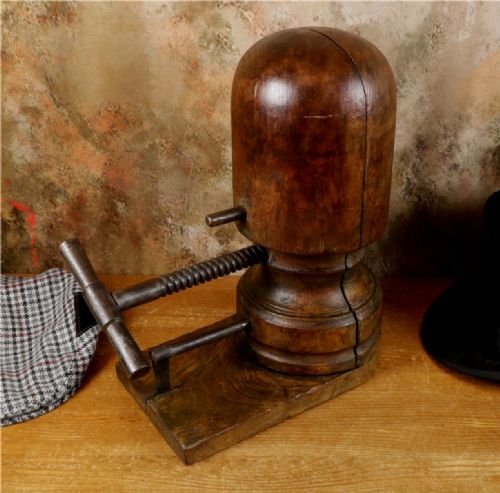
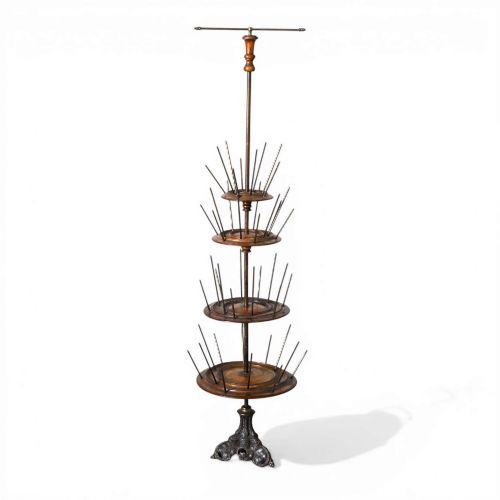
An antique shop fitting stand serves as a commercial display piece, encompassing items from cotton reel display trees to countertop paper roll dispensers and hat stands. You will frequently encounter Victorian and 1920s examples designed for specific retail trades like millinery and tailoring.
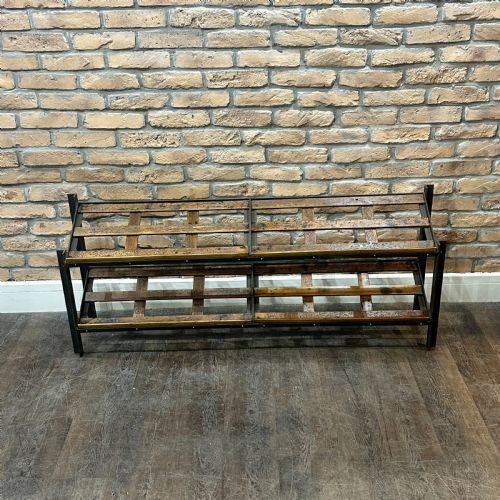
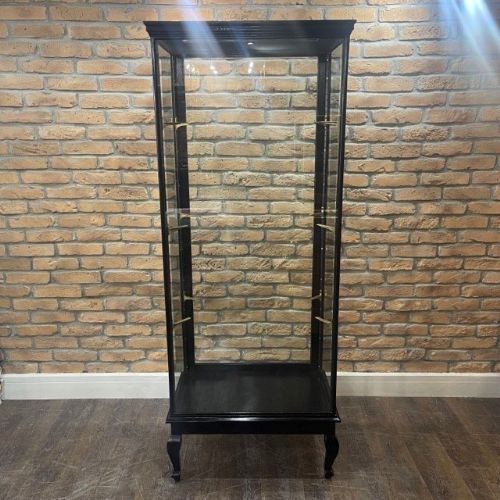
The selection ranges from tall floor-standing brass display units to compact countertop shelves and glazed cabinets. Oak, mahogany, and pine form the structural basis for many of these commercial furnishings, alongside robust metal frames.
Origin variations include English and French pieces, spanning styles from Victorian and Edwardian to Art Deco and industrial haberdashery. These functional objects brought order to historic shops and now provide distinctive display utility in contemporary spaces.
Materials and construction
Metal elements incorporate adjustable brass mechanisms and bronze shelving brackets, demonstrating the functional demands of 19th-century and early 20th-century retail environments. Wood surfaces often display ebonised finishes or natural French provincial polish.
The inventory includes items from the 19th Century, Victorian period, 1920, 1900, and 1930.
Assessing quality in retail fixtures
Superior examples exhibit substantial weight in their cast iron or brass bases and precise joinery in hardwood frames like mahogany and golden oak. The integration of original adjustable fittings and glass panels indicates higher manufacturing standards.
Quality reveals itself in the integrity of working mechanisms, such as hat stretchers and adjustable brass display stems, alongside the preservation of original timber patination and manufacturer detailing.
Siegel
The Antique Shop Fitting Stand Glossary
- Haberdashery
- A shop fitting category relating to the sale of small articles of clothing and sewing, often featuring specialised multi-tiered display trees and compartmentalised drawers. These fixtures were designed for maximum visibility behind the counter.
- Hat stretcher
- A mechanical device used by milliners to adjust the size of hats, frequently mounted as a display stand in period retail shops. They combine timber blocks with internal metal expansion threads.
- Countertop dispenser
- A commercial shop fitting intended for rapid service, such as paper roll holders used in late Victorian and Edwardian retail trade. They combine heavy metal bases with functional wooden rollers.
- Ebonised
- Timber treated with a dark stain or finish to imitate ebony, commonly utilised on display towers and cabinets from the early twentieth century. This technique provides a formal, uniform appearance.
Antique Shop Fitting Stand: Frequently Asked Questions
What is an antique shop fitting stand?
An antique shop fitting stand is a functional commercial fixture sourced from historic retail interiors, designed to display goods such as hats, textiles, and small wares.
These pieces range from countertop hat stands and paper roll dispensers to multi-tiered cotton reel trees utilised in nineteenth and early twentieth-century shops.
How were brass and iron stands used?
Brass and iron stands provided sturdy, adjustable displays for heavy merchandise in drapery and millinery establishments.
Their metal construction allowed shopkeepers to alter heights and angles to showcase inventory effectively in windows and on counters.
Where can I use an antique display stand?
These stands integrate well into domestic interiors for displaying collections, hats, or accessories in hallways and living spaces.
Their robust commercial origins mean they handle everyday decorative utility while adding period character to a room.
How do I date a shop fitting stand?
Dating relies on identifying material combinations, manufacturing techniques, and stylistic markers such as Victorian proportions or Art Deco geometric lines.
Makers' marks, brass patents, and regional timber choices further help place a piece within the nineteenth or early twentieth century.