


Cast Iron Display Stand
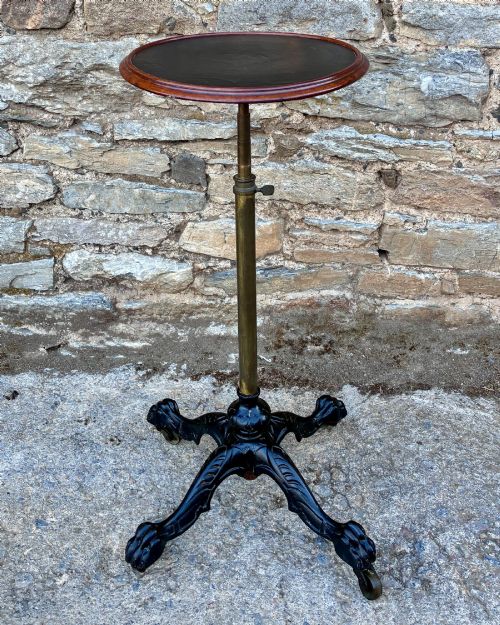
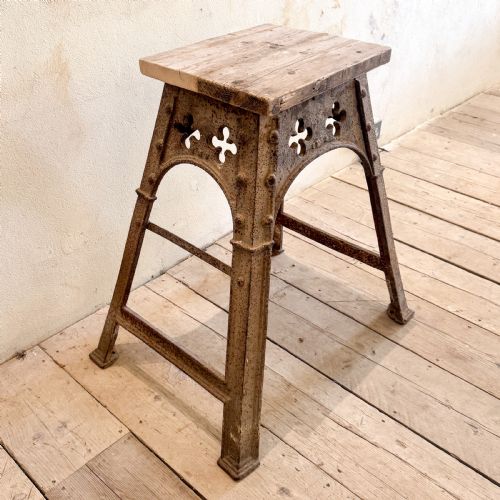
These cast iron display stand pieces range from industrial shop fittings to Victorian plant tiers, built to hold everything from millinery to garden pots with utilitarian strength.
Cast Iron Display Stand
When you search for a cast iron display stand, you enter a utilitarian world of Victorian shop fittings, industrial plant tiers, and retail display hardware. These pieces served trade and garden functions, built to bear weight in milliners' shops, draperies, and conservatories.
You are most likely to meet multi-tiered plant stands, adjustable retail tables, and shop display fixtures originating from the nineteenth and early twentieth centuries. The form follows the functional demands of display, combining heavy metal bases with timber, brass, or stone elements.
How they were made
Foundry work dominates these pieces, utilising cast iron for heavy, stable bases and structural frames that could support plants or merchandise without tipping. Manufacturers combined this metal skeleton with secondary materials like mahogany, pine, and brass.
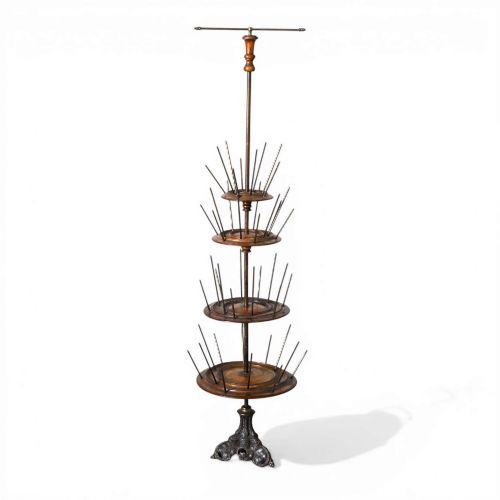
Workshops employed both cast and wrought iron alongside turned hardwood and steel to construct adjustable mechanisms, multi-tiered shelving units, and columnar garden supports.
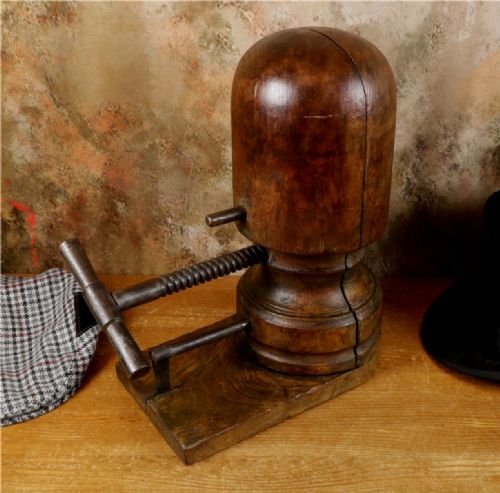
Milliners once stretched felt on wooden heads perched atop iron columns, turning hat storage into shop theatre.
What varies in quality
Quality rests in the crispness of the iron casting and the integrity of any secondary materials, such as solid mahogany or polished brass. Superior pieces display refined decorative moulding on columns and bases rather than crude industrial casting.
The sophistication of functional mechanisms, such as adjustable height screws or multi-tier rotation, separates standard workshop output from exceptional retail and display engineering.
The Cast Iron Display Stand Glossary
- Cast iron
- An iron-carbon alloy poured into moulds to create rigid, complex structural and decorative forms. It provides the heavy base weight essential for stability in display and plant stands.
- Milliner
- A maker and seller of hats whose trade required specialist display stands and wooden hat stretchers. These retail pieces often doubled as sizing tools in the shop.
- Haberdashery
- Small wares and sewing goods sold in retail shops, which generated demand for specialist multi-tiered display trees and countertop dispensers. These shop fittings organised cotton reels and paper rolls.
Cast Iron Display Stand: Frequently Asked Questions
What were cast iron display stands used for?
These stands served commercial and domestic roles, holding retail goods like hats, drapery, and cotton reels in shops. They also functioned as plant stands and garden column planters in Victorian homes and conservatories.
Their robust construction allowed them to bear heavy loads of merchandise or earthenware pots without buckling under daily use.
How do I date a cast iron stand?
Dating relies on stylistic clues like Victorian neoclassical motifs, industrial patents, and the integration of period materials such as mahogany and brass. Makers often combined cast iron bases with turn-of-the-century hardware.
Examining the casting technique and surface wear helps place a piece within nineteenth or early twentieth century production periods.
Are these stands suitable for outdoor use?
Many of these pieces, particularly garden planters and pot stands, were designed to withstand outdoor conditions in nineteenth-century settings. Weathered iron finishes show their historical exposure to the elements.
However, pieces featuring delicate wood components or brass mechanisms benefit from sheltered placement indoors or in covered conservatories.
How do I care for cast iron furniture?
Maintenance involves keeping the metal dry and cleaning surfaces gently to preserve historical patinas and painted finishes. Waxes or oils help protect exposed iron from developing active corrosion.
Avoid harsh chemical abrasives that strip away the accumulated character of nineteenth-century shop and garden hardware.