



Gustavian Style Furniture
Gustavian style furniture brings pale Scandinavian elegance and neoclassical proportion into a room, offering functional storage and seating built with lighter woods.
Gustavian Style Furniture
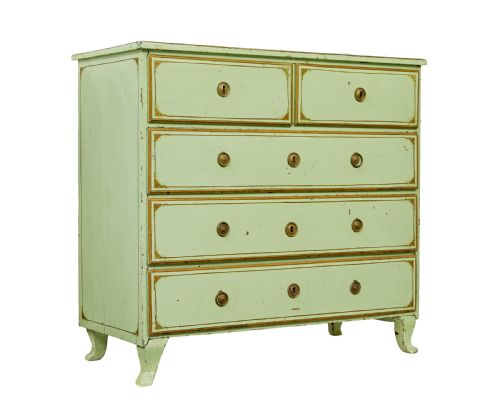
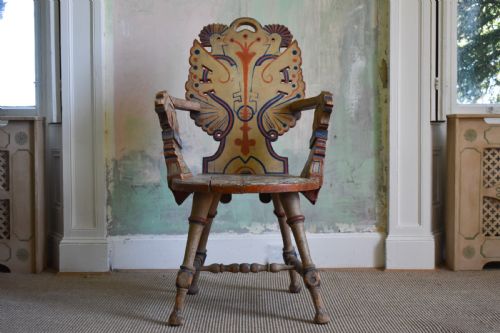
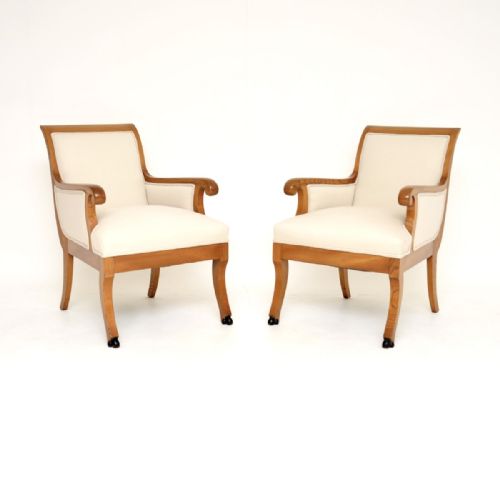
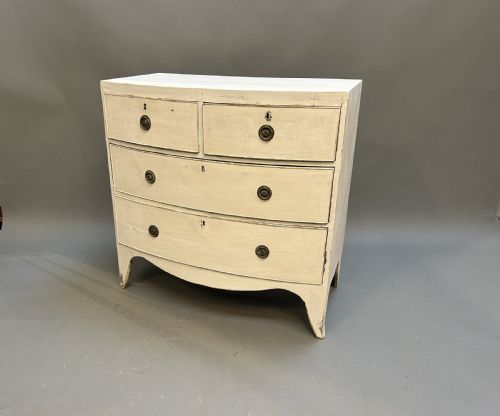
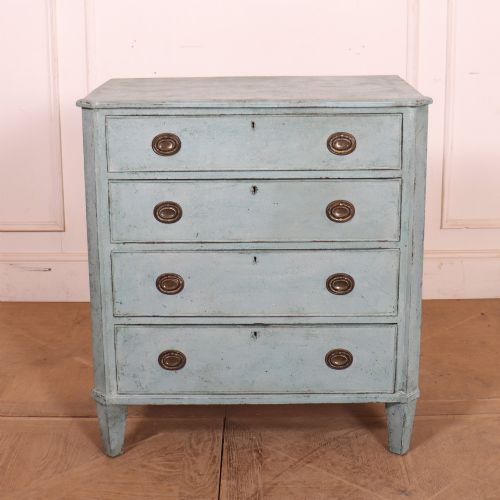
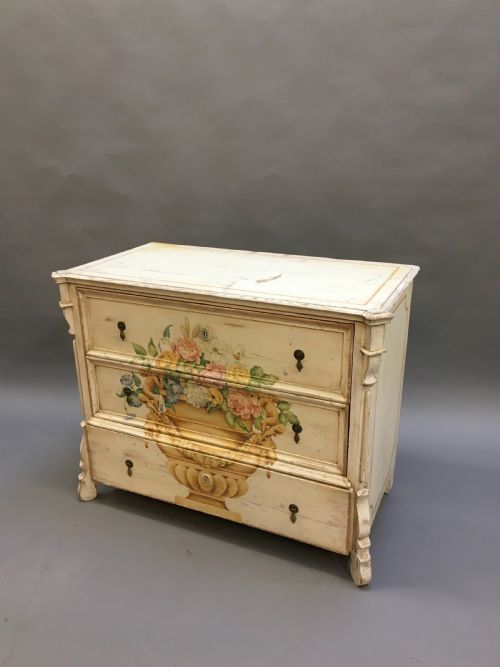
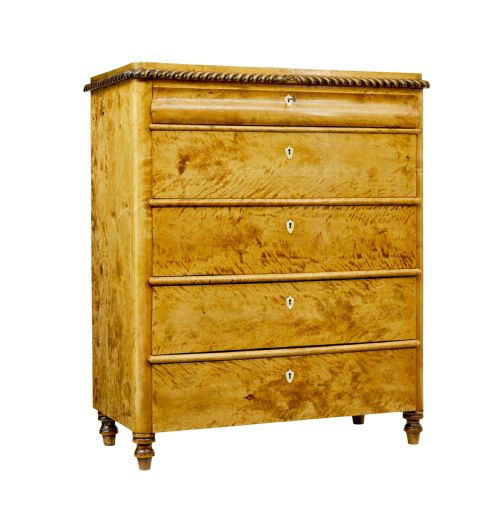
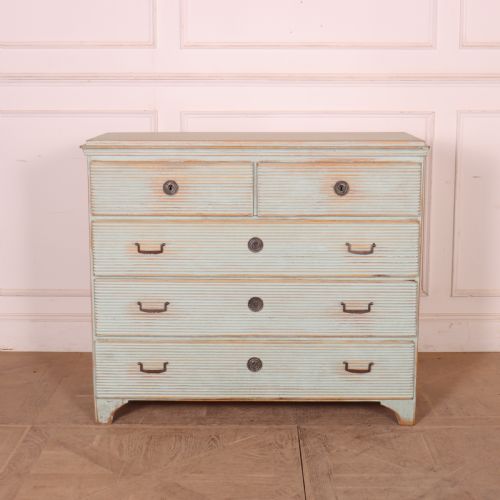
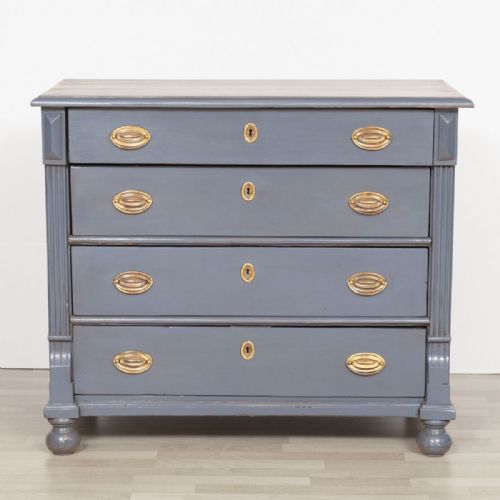
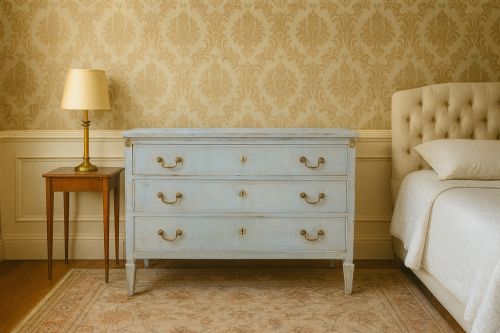
Gustavian style furniture encompasses practical items designed for domestic use, spanning chests of drawers, armchairs, console tables, benches, dining tables, linen cupboards, and side tables. When exploring this selection, a buyer encounters numerous painted commodes, dining surfaces, and seating pieces originating predominantly from Swedish workshops.
The objects stem from periods including the eighteenth century, the nineteenth century, and subsequent decades up to the early twentieth century. Common stylistic tags associated with these pieces include Scandinavian country, Dutch neoclassical, Swedish neoclassical, and Scandinavian folk art.
The forms range from serpentine commodes and demi-lune console tables to tripod lamp tables, drop-leaf dining tables, settles, and tall cupboards. Pine, birch, and elm appear frequently alongside painted softwood finishes and occasional mahogany elements.
Materials and construction
Makers constructed these pieces primarily using solid pine, birch, elm, and softwood substrates, shaped into chests, tables, and armchairs. Joinery methods supported everyday utility while accommodating curved drawer fronts, fluted details, and caddy tops.
Surfaces frequently display applied paint finishes, including scraped original paint layers and hand-redecorated treatments. Brass hardware and iron elements provide functional fastenings and structural support across commodes and cupboards.
Current listings feature pine, birch, and painted softwood pieces spanning the eighteenth to early twentieth centuries.
Distinguishing quality variations
Quality separates pieces through the integrity of the original painted surface versus later overpainting, and the crispness of carved details like fluted drawer fronts or serpentine curves. Solid timber construction in birch, elm, or pine yields greater longevity than softer secondary woods.
Proportion and structural balance dictate the appeal of items such as demi-lune console tables, armchairs, and commodes. Pieces retaining untouched scraped paint surfaces and original brass or iron fittings hold distinct character compared to heavily altered examples.
The Gustavian Style Furniture Glossary
- Commode
- A low chest of drawers or cabinet designed for domestic storage. These pieces frequently feature serpentine or fluted drawer fronts.
- Demi-lune
- A half-moon shape utilised in the design of console and side tables. Such tables fit flush against walls in reception spaces.
- Slagbord
- A traditional Scandinavian drop-leaf dining table with pivoting gate legs to support the leaves. This form saves space when folded down.
- Settle
- A wooden bench featuring high backs and solid sides to block drafts. They often include integrated storage beneath the seat.
Gustavian Style Furniture: Frequently Asked Questions
What defines gustavian style furniture?
Gustavian style furniture originates from Swedish neoclassical design trends influenced by French royal aesthetics during the late eighteenth century. These pieces emphasise restrained neoclassical lines, lighter proportions, and pale painted finishes.
The listings reflect this heritage through painted pine and birch commodes, armchairs, and console tables. Their pared-back ornamentation suits understated domestic interiors.
How do I care for painted wood surfaces?
Painted wooden surfaces require dusting with a soft dry cloth to prevent abrasion. Avoid chemical sprays or excessive moisture which can damage historic paint layers.
Keeping pieces away from direct heat sources and strong sunlight preserves the stability of the timber and the original paint.
How do I identify original paint?
Original painted surfaces show natural wear patterns, patina, and subtle crackle consistent with age. Scraped paint finishes reveal earlier underlying colour layers when examined closely.
Modern redecorating often appears uniform in texture and lacks the depth of historic hand-applied pigments found on nineteenth-century pieces.