
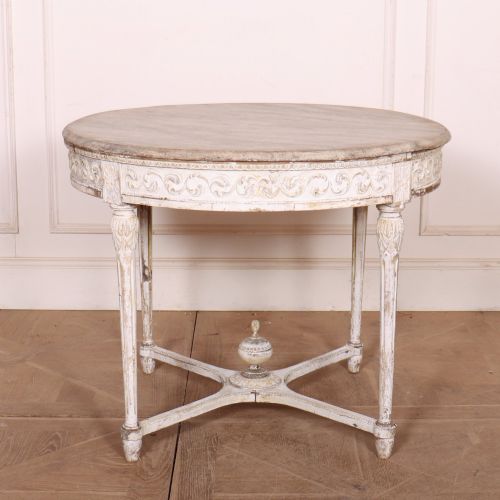

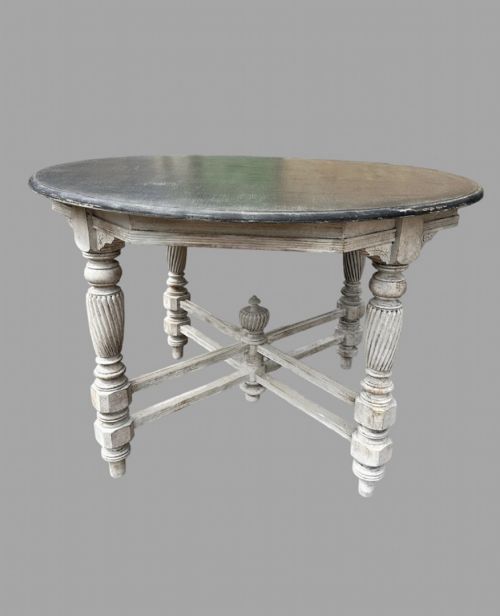
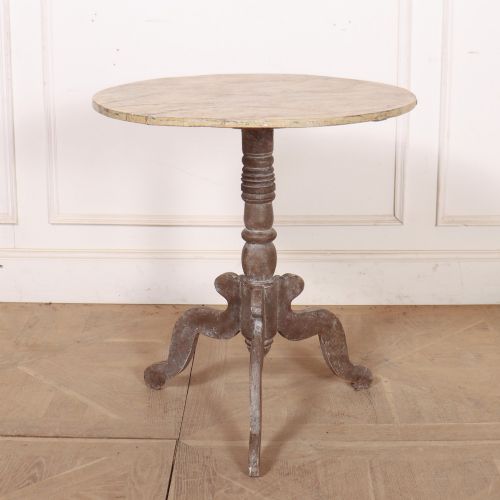
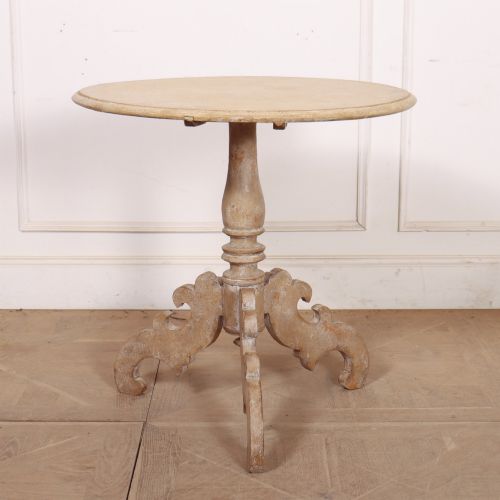
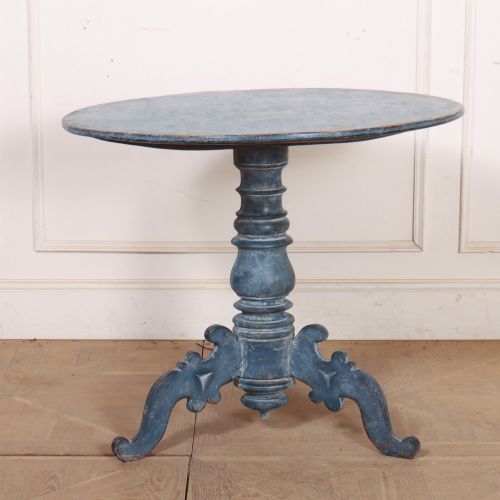
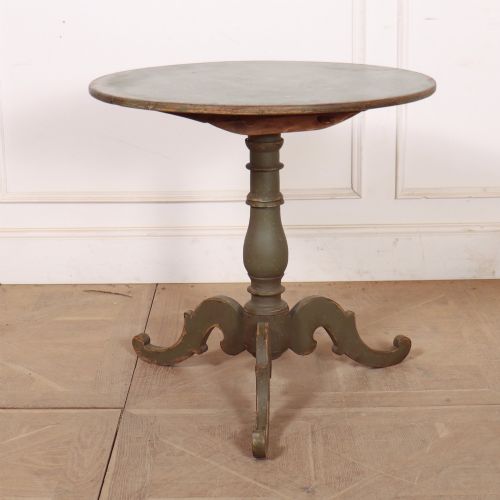
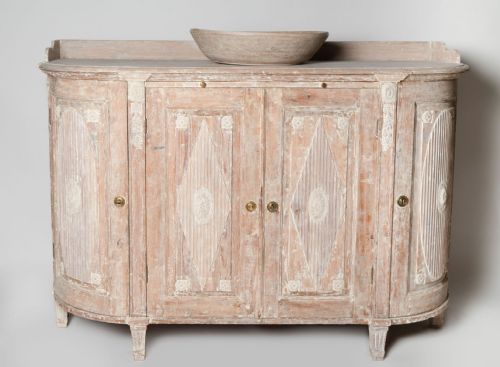
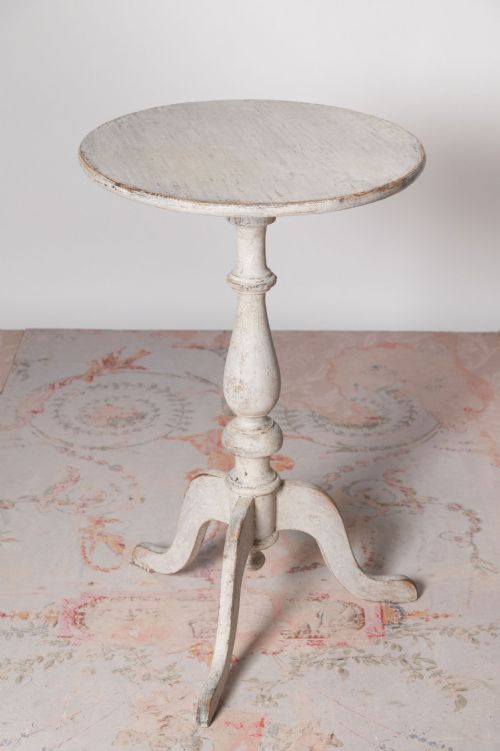
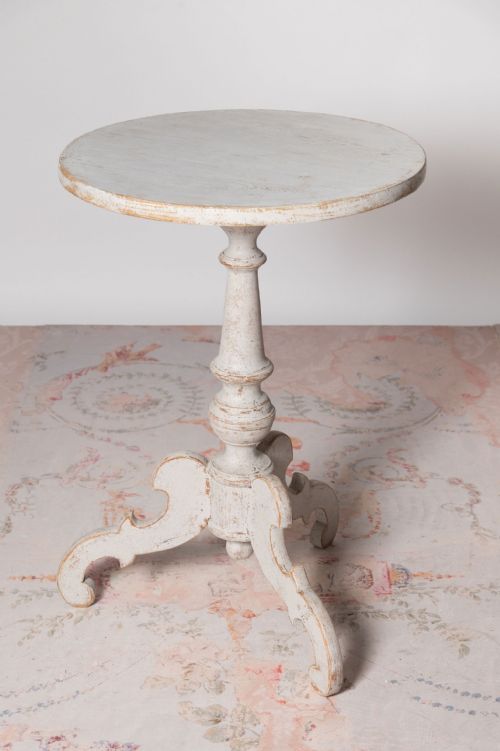
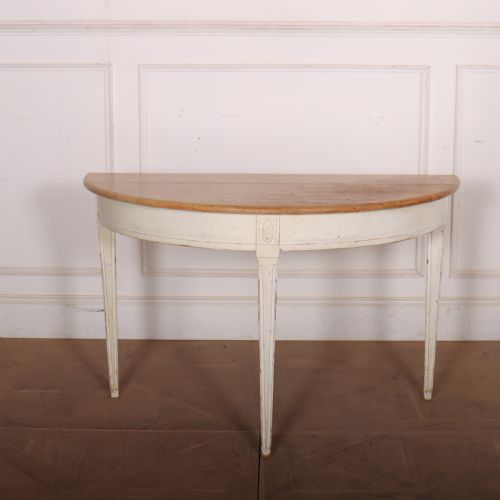


Gustavian Painted Side Table
These gustavian painted side table examples bring restrained Scandinavian elegance and practical surface space to a room.
Gustavian Painted Side Table
A gustavian painted side table brings light, Neoclassical proportions and functional surface space to an interior. These pieces originate primarily from Swedish workshops, carrying the distinctive aesthetic of Scandinavian country design.
The selections available here lean heavily towards compact lamp tables, demi-lune console tables, and occasional tables. Many date from the nineteenth century, utilising simple forms that adapt easily to modern rooms.
Side tables in this grouping frequently display traditional painted finishes over pine and softwood. Their muted tones and functional design reflect a long history of domestic utility in northern Europe.
Materials and Construction
Cabinetmakers relied on native softwoods such as pine for the primary carcass and structural elements of these tables. The timber was worked simply, often shaped into slender tapered legs or curved demi-lune fronts.
Surfaces received multiple layers of paint, frequently in muted or distressed finishes that highlight the texture of the underlying wood. Brass hardware occasionally appears on related forms like writing desks and cupboards.
Some nineteenth-century Swedish tables have survived decades of kitchen use and changing fashions while keeping their paint intact.
Assessing Quality
Quality rests upon the harmony of the proportions and the integrity of the original timber frame. Tables with cleanly carved details and balanced structural lines command greater appreciation.
The character of the painted finish dictates much of the visual appeal. Surfaces showing layers of historic paint with natural wear possess a depth that machine-finished reproductions cannot replicate.
The Gustavian Painted Side Table Glossary
- Demi-lune
- A half-moon shape used for console and side tables designed to sit flat against a wall. This form saves floor space while providing a useful display surface.
- Lamp table
- A small occasional table built to hold a light source or decorative object. These compact pieces feature prominently in nineteenth-century Swedish furniture.
- Softwood
- Timber derived from conifers, such as pine, which was widely utilised for painted furniture due to its availability and ease of working. It forms the structural base for most pieces here.
- Console table
- A table supported against a wall by legs or brackets, often featuring a semicircular or rectangular top. They serve decorative and functional roles in hallways and living spaces.
Gustavian Painted Side Table: Frequently Asked Questions
Where did gustavian side tables originate?
These tables stem from Scandinavian interpretations of French Neoclassical design, popularised during the reign of King Gustav III in Sweden.
Local cabinetmakers adapted foreign court styles into lighter, more restrained domestic furniture.
How do I style a painted side table?
Their neutral painted finishes allow these tables to blend easily with both traditional and contemporary interiors.
Use them in hallways as console surfaces or beside seating to hold lamps and books.
What wood was used for these tables?
Pine and other softwoods form the primary construction material for the vast majority of these pieces.
This timber was chosen for its accessibility and suitability for receiving painted decoration.
Are these tables nineteenth century?
A substantial portion of the inventory dates from the nineteenth century, including various lamp and console tables.
Some examples extend into the Edwardian period and the early twentieth century.