
Antique Green Pedestal Table
An antique green pedestal table offers a practical writing surface supported by a central column, bringing period character and colour to a study or library.
Antique Green Pedestal Table
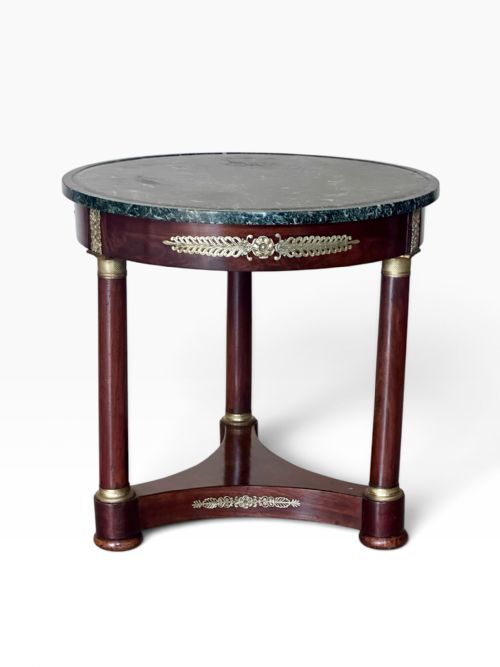
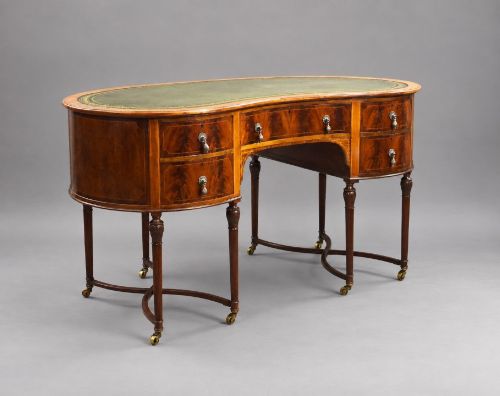
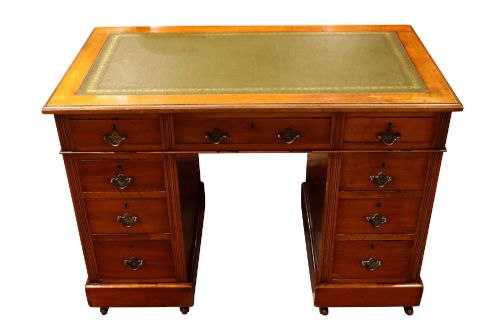
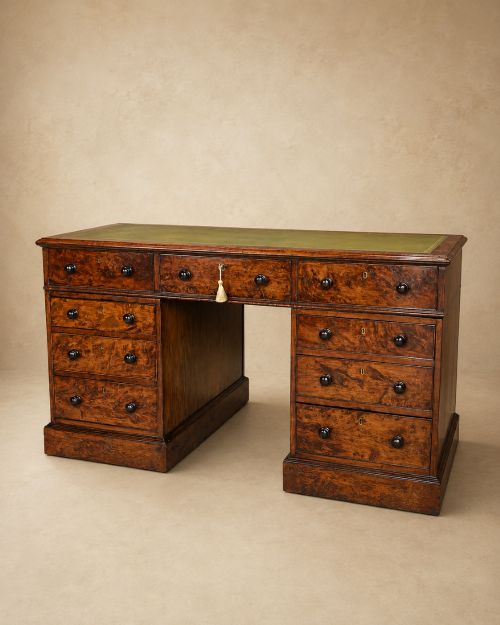
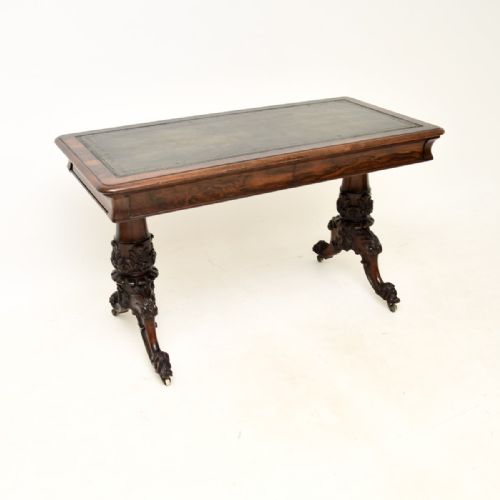
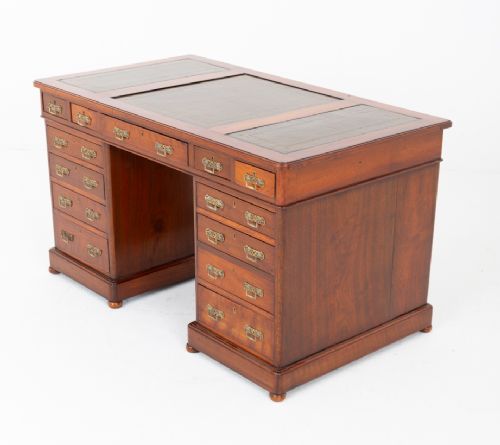
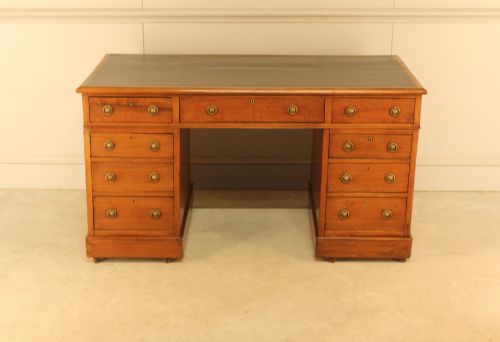
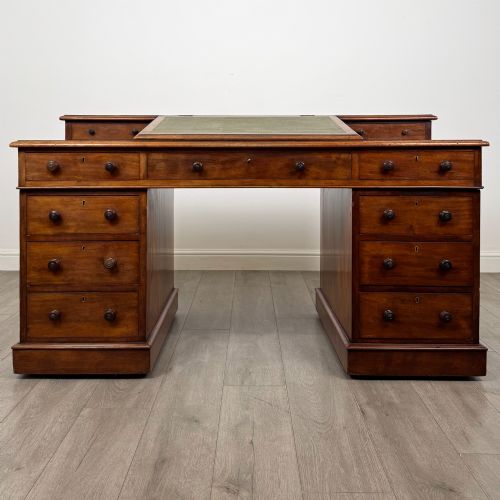
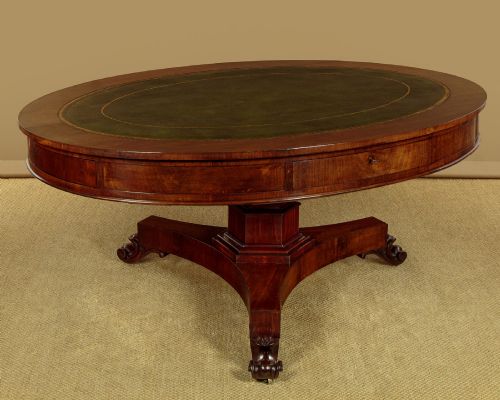
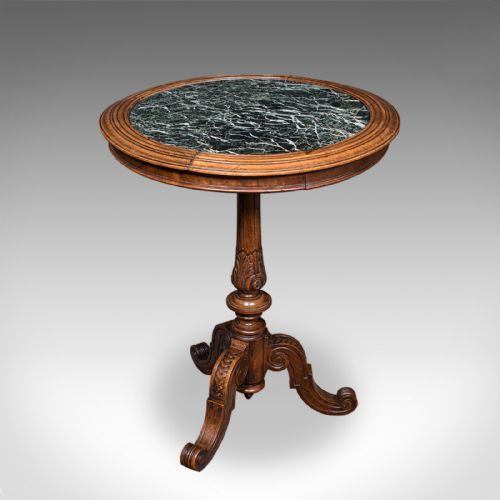
An antique green pedestal table combines a central columnar support with a writing surface inset with green leather or finished in original paint. These pieces appear across Victorian, Edwardian, and nineteenth-century periods, taking the form of pedestal desks, partners desks, and writing tables.
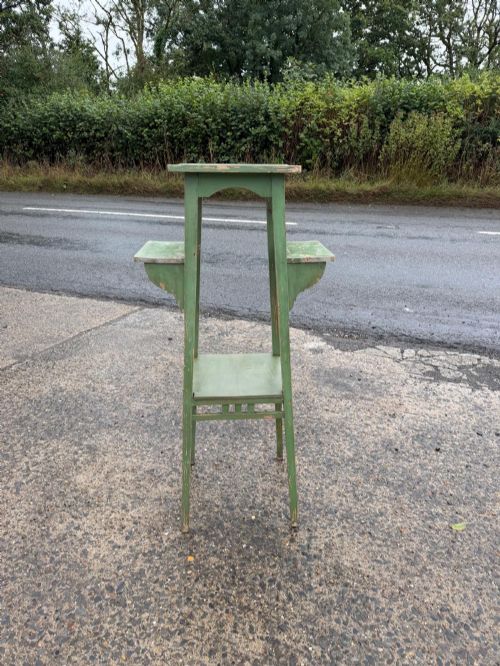
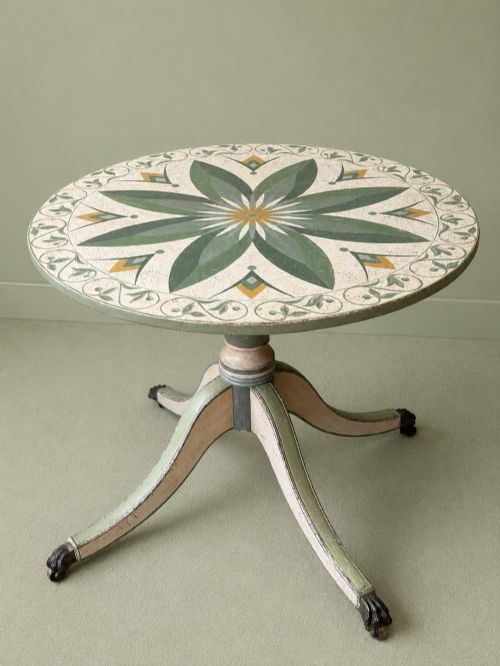
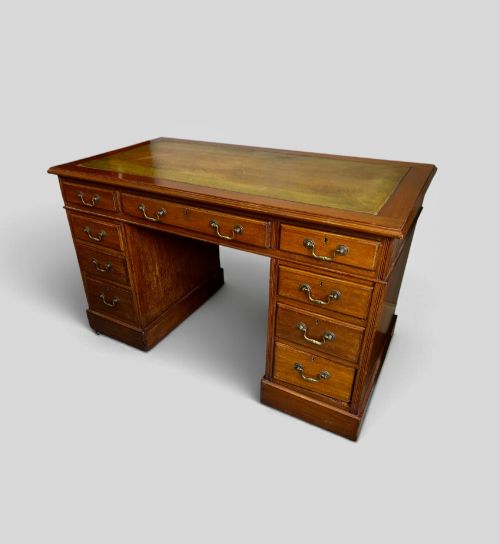
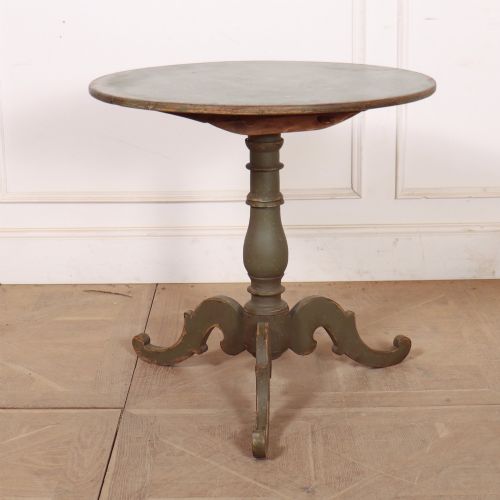
The green surface typically consists of tooled leather set into mahogany, walnut, or oak frameworks. Buyers frequently encounter Victorian pedestal desks fitted with olive green writing surfaces, alongside painted plant stands and lamp tables dating from the late nineteenth and early twentieth centuries.
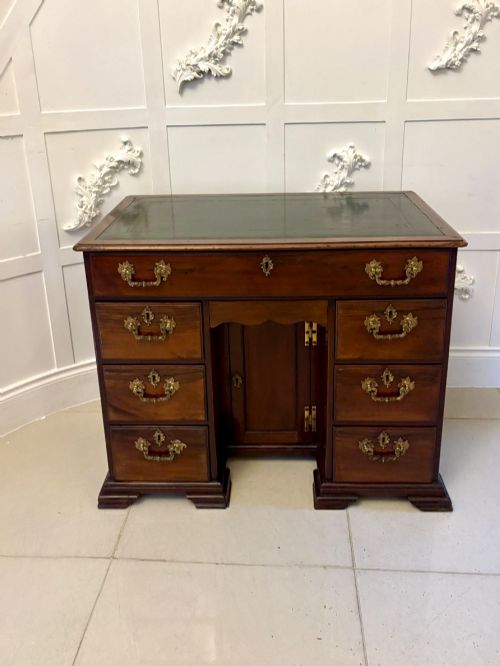
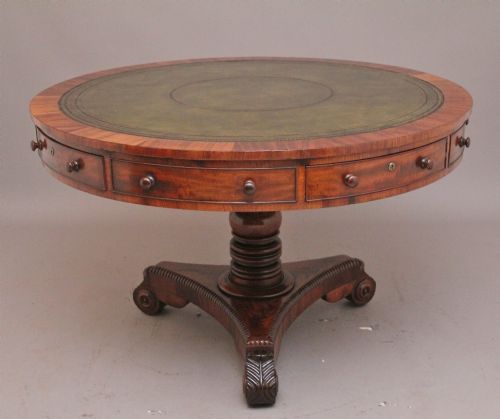
Desks and tables with green surfaces serve as functional workspaces and display pieces in period interiors. The configuration ranges from single-pedestal kneehole desks to large double-pedestal partners desks and drum tables.
How they were made
Cabinetmakers utilised dense hardwoods including mahogany, walnut, burr walnut, and oak to construct the carcasses and pedestals of these tables. Surfaces were frequently embellished with flame mahogany veneers or intricate inlaid details.
Writing surfaces were inset with leather, predominantly tooled in shades of green with gilt borders. Alternatively, structural elements and occasional tables received coats of original paint.
Nineteenth-century writers favoured olive green leather because it reduced eye strain under flickering gaslight.
What varies in quality
The refinement of the timber selection dictates the distinction between standard and superior examples, particularly where figured mahogany, burr walnut, or quarter-sawn oak are utilised. Superior pieces exhibit continuous grain matching across drawers and pedestals.
The Antique Green Pedestal Table Glossary
- Pedestal desk
- A heavy writing desk built upon two supporting banks of drawers rather than four legs. This form provides substantial storage beneath the main writing surface.
- Partners desk
- A large double-sided desk designed for two people to work opposite one another. These pieces feature drawers and cupboards on both long sides.
- Drum table
- A circular library table with a deep top containing drawers, supported on a single central pillar and splayed legs. These tables rotate on their pedestals in many instances.
- Kneehole desk
- A compact writing table featuring a central recess for the user's legs, flanked by single or multiple columns of drawers. They date predominantly from the eighteenth and nineteenth centuries.
- Tooled leather
- Leather upholstery decorated with rolled or hand-pressed metallic leaf patterns along the outer edges. This treatment provides a durable and tactile writing surface.
Antique Green Pedestal Table: Frequently Asked Questions
What is a pedestal desk?
A pedestal desk is a heavy freestanding piece of office or library furniture consisting of a flat top resting on two columns of drawers. The user sits in the central recess between the pedestals.
These desks were manufactured extensively during the Victorian and Edwardian periods in timbers such as mahogany, walnut, and oak.
How do I care for a leather desk top?
Leather writing surfaces require gentle cleaning with a dry or slightly damp cloth to remove dust and debris. Conditioning balms formulated for antique leather help maintain suppleness and prevent cracking.
Avoid placing hot cups or direct moisture on the surface to protect the gilt tooling and the leather hide.
Where were pedestal tables used?
These tables served primarily in libraries, studies, and administrative offices as functional writing and reading surfaces. Large partners versions were utilised in banks, boardrooms, and solicitors offices.
Smaller occasional and lamp versions found placement in drawing rooms and bedrooms across period homes.
How do I date a Victorian desk?
Dating a Victorian desk involves examining the construction methods, timber choices, and hardware styles used by the cabinetmaker. Dovetailed drawer joints cut by hand give way to machine-cut equivalents as the nineteenth century progresses.
The presence of original locks, handles, and leather inserts assists in establishing the exact period of manufacture.