

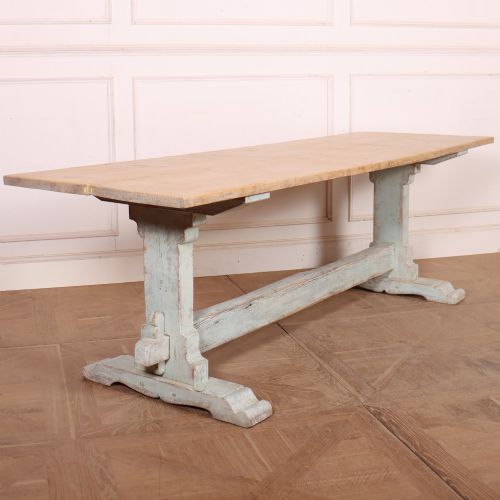
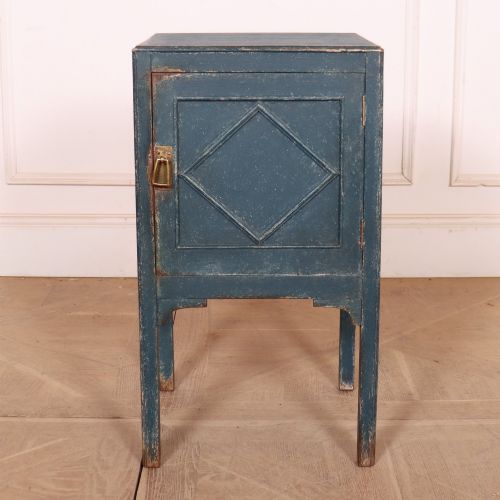
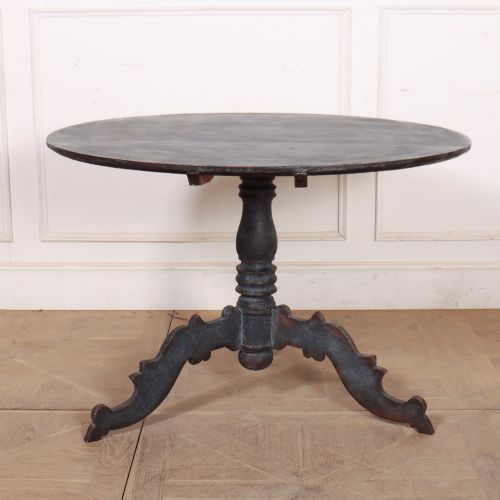
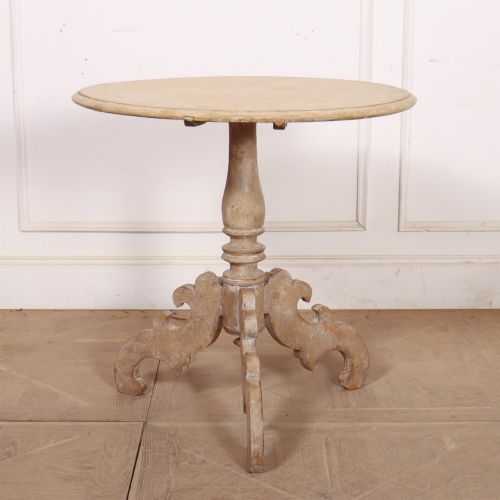


Gustavian Painted Pine Table
These gustavian painted pine table selections bring restrained Nordic elegance and practical utility to any room.
Gustavian Painted Pine Table
A gustavian painted pine table represents the lighter side of Scandinavian country furniture, originating from Sweden during the nineteenth century. These pieces encompass everything from compact lamp and occasional tables to large kitchen and dining preparation tables.
The version most commonly encountered on this page is the nineteenth-century Swedish side or dining table finished in pale or dark paint. They bridge the gap between rustic folk art utility and the neoclassical refinement of the Gustavian style.
How they were made
Makers utilised native pine for its accessibility and workability, constructing sturdy frames for daily domestic use. Joinery was kept functional yet robust, allowing the timber to expand and contract through seasonal temperature shifts.
Surfaces were layered with paint, sometimes incorporating iron or brass hardware for structural stability and hinges. Hand-painted finishes defined the aesthetic, ranging from simple monochrome coats to decorative regional folk art motifs.
Gustavian Painted Pine Table Retail Price Guide 2026
Typical asking prices for gustavian painted pine table among the pieces listed under this phrase on Sellingantiques today, from the lower quarter to the upper quarter. They describe what is for sale here now, not the wider market.
Several pieces arrive with scars from historical kitchen preparations, reminding us these tables once chopped endless roots.
What varies in quality
Proportion and the retention of original surface patination dictate the standing of an individual piece. Finer examples display balanced neoclassical lines or authentic regional folk detailing rather than clumsy proportions.
The integrity of the painted finish matters greatly, with surviving early layers holding more interest than later, unsympathetic overpainting. Construction details, such as the snugness of dropleaf mechanisms and the stability of gateleg frames, also separate standard utility items from superior examples.
The Gustavian Painted Pine Table Glossary
- Gustavian
- The Swedish neoclassical style spanning the late eighteenth and nineteenth centuries, characterised by restrained carving, symmetry, and pale finishes. It draws inspiration from French Louis XVI design but interprets it with Nordic austerity.
- Slagbord
- A traditional Scandinavian drop-leaf or gateleg table designed to save space when folded. These versatile tables expand easily for dining or working.
- Commode
- A low chest of drawers or cabinet on legs, often used for storage in bedrooms or living spaces. In Scandinavian pieces, these frequently feature hand-painted surfaces.
- Occasional table
- A small, movable table intended for specific, intermittent use rather than central dining. They appear as lamp tables, writing desks, or small side tables across the listings.
Gustavian Painted Pine Table: Frequently Asked Questions
How do I date a painted pine table?
Dating relies on construction marks, hardware types, and the composition of the paint layers beneath the surface. Eighteenth and nineteenth-century pieces often show hand-planed board surfaces and forged iron nails.
Later nineteenth-century and early twentieth-century examples shift towards machine-sawn timber and different fastening methods. Examining the wear patterns around drawers and table edges helps confirm the age.
Are these tables suitable for daily dining?
Kitchen and dining preparation tables from this tradition were built for heavy domestic use and remain entirely practical for modern meals. Their solid pine construction provides the necessary stability for everyday gatherings.
Drop-leaf and gateleg versions offer flexibility for smaller dining spaces because they fold away when not in use. Using heat mats and tablecloths protects the historic painted finish from accidental damage.
How do I clean a painted wooden surface?
Gentle dusting with a soft, dry cloth removes everyday debris without harming the delicate paint layers. Avoid harsh chemical cleaners or abrasive sponges that might strip historical finishes.
If moisture is necessary, use a barely damp cloth followed immediately by dry buffing. Preserving the original paint patination requires minimal intervention and careful handling.
What is the difference between Gustavian and Scandinavian folk art styles?
Gustavian design reflects a restrained, neoclassical interpretation of French court styles, featuring symmetrical lines, fluted legs, and pale monochrome paint. It leans toward formal elegance within a domestic setting.
Scandinavian folk art embraces more regional expression, incorporating bolder colours, hand-painted motifs, and rustic charm. Both styles utilise pine as a primary material but apply decorative finishes to achieve distinct visual effects.