


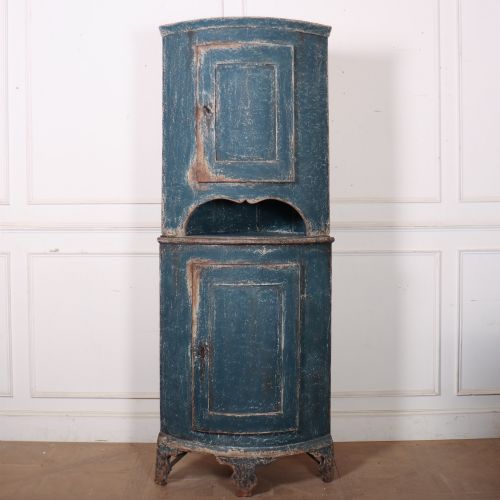


Scandinavian Pine Furniture
Scandinavian pine furniture brings warmth and honest craft into a room, offering practical storage and tables built from enduring softwood.
Scandinavian Pine Furniture
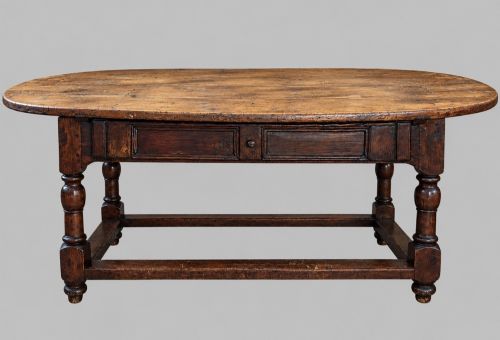
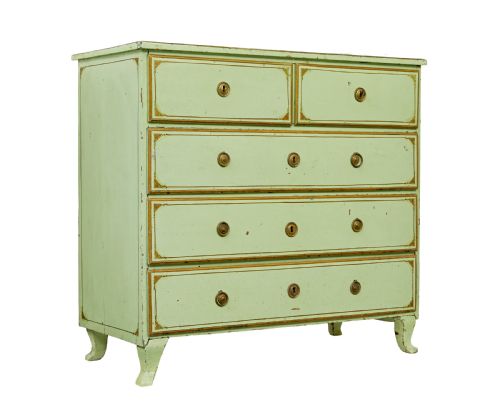
Scandinavian pine furniture encompasses robust domestic objects originating mainly from Sweden and Denmark, spanning the eighteenth, nineteenth, and early twentieth centuries. Buyers seeking these items typically encounter substantial storage pieces like commodes and cupboards alongside utilitarian dining tables and benches.
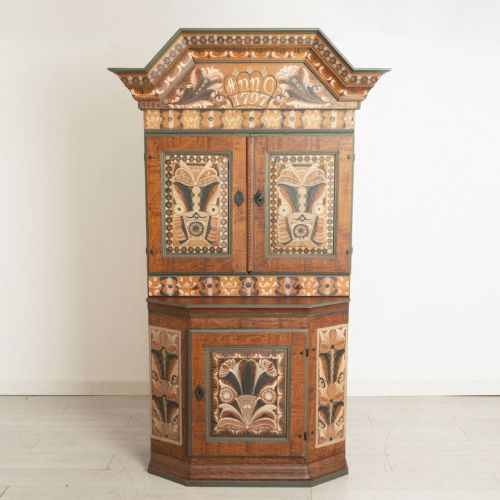
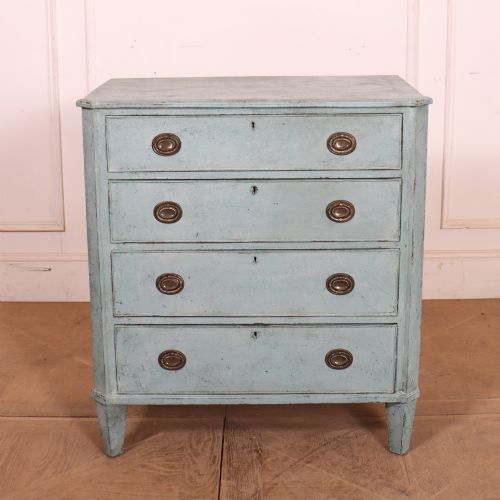
The aesthetic bridges several distinctive regional styles, from austere rustic farmhouse forms and folk art to the refined neoclassical lines of the Gustavian period. Surviving examples often display traces of original pigment, scraper-work paint, or deliberate simulation of costlier hardwoods.
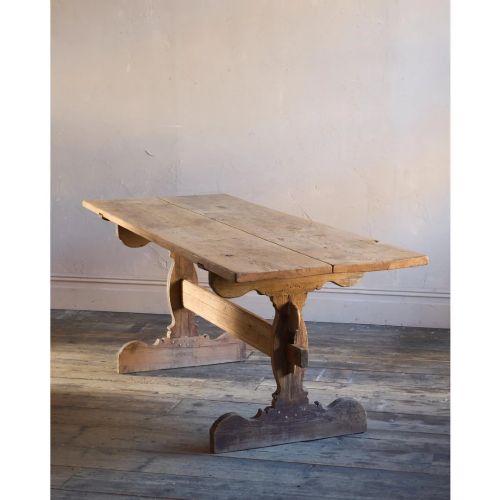
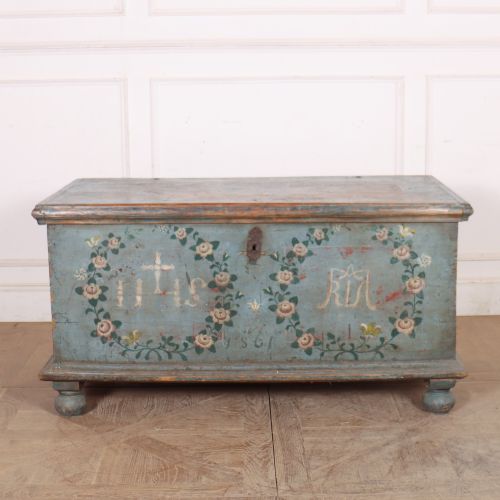
Forms range from wall-mounted cupboards and corner units to large marriage chests, trestle tables, and drop-leaf tables designed for versatile domestic life. These pieces reflect the pragmatic needs of Scandinavian households, built to endure through generations of daily use.
How they were made
Makers constructed these pieces primarily from softwood and native pine, sometimes augmented with oak structural elements, iron hardware, and brass fittings. Carpenters relied on traditional joinery methods, shaping sturdy boards into dovetailed drawers, mortise and tenon frames, and solid plank tabletops.
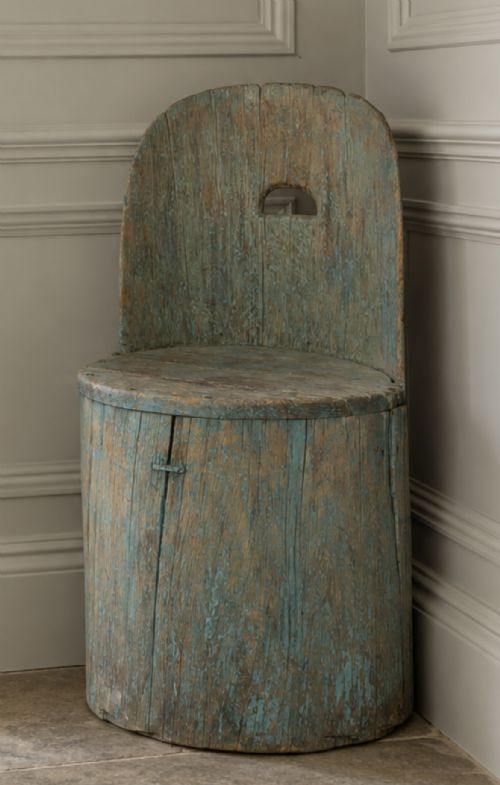
Surfaces were frequently finished with hand-mixed paints, including traditional Falu red and layered oil colours designed to protect the softwood underneath. Over decades, this painted skin weathered organically, resulting in the patinated scraped finishes prized by modern collectors.
Scandinavian Pine Furniture Retail Price Guide 2026
Typical asking prices for scandinavian pine furniture among the pieces listed under this phrase on Sellingantiques today, from the lower quarter to the upper quarter. They describe what is for sale here now, not the wider market.
Listings span the eighteenth, nineteenth, and early twentieth centuries, featuring pine, softwood, iron, and brass across Gustavian and folk art styles.
What varies in quality
Quality rests heavily on the integrity of the original surface, distinguishing pieces retaining untouched historic paint from those stripped or heavily repainted in later years. The sophistication of the carpentry also matters, separating standard utilitarian builds from finer cabinetwork with serpentine fronts, fluted drawer details, or carved bonnet tops.
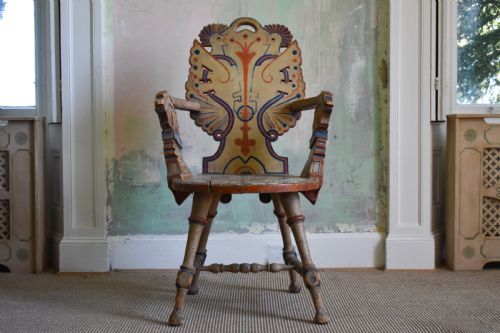
Proportion and regional design clarity define the upper tier of the range, where well-balanced Gustavian commodes or authentic folk art armchairs exhibit deliberate artistic intent. The survival of original iron hinges, locks, and internal shelving further elevates the standing of an individual piece.
Gemla Fabrikers
The Scandinavian Pine Furniture Glossary
- Gustavian
- A Swedish neoclassical design movement spanning the late eighteenth and early nineteenth centuries, characterised by restrained symmetry and pale painted finishes. It draws inspiration from French Louis XVI style interpreted through a Nordic lens.
- Commode
- A low chest of drawers or cabinet with doors, standing on legs or a plinth base. In continental pieces, these often feature serpentine or bowfronted profiles.
- Falu paint
- A traditional deep red or earthy paint harvested from copper mine waste in Dalarna, Sweden. It contains linseed oil and protects softwood timber effectively against harsh winters.
- Slagbord
- A traditional Scandinavian drop-leaf dining table supported by swinging wooden gatelegs. This clever space-saving construction allows the leaves to drop when not in use.
- Scraped paint
- A conservation finish where later layers of overpaint are carefully removed to reveal original historic pigments underneath. This technique preserves the authentic underlying colour and texture.
Scandinavian Pine Furniture: Frequently Asked Questions
What is Scandinavian pine furniture?
It comprises domestic wooden items originating from Sweden, Denmark, and the broader Baltic region, mostly dating from the eighteenth to the early twentieth centuries. These pieces were built for everyday household use by regional carpenters.
Common forms include painted commodes, dining tables, cupboards, and benches constructed from softwood. They range from simple folk art objects to refined neoclassical Gustavian designs.
How do I care for antique pine?
Keep these pieces away from direct heat sources and sudden humidity changes to prevent the softwood from splitting or warping. Dust gently with a dry cloth and avoid harsh modern cleaning chemicals that might strip historic painted surfaces.
Wax can be applied sparingly to unpainted wooden sections to nourish the grain. Preserving the natural patina requires a gentle touch and stable indoor conditions.
How do I identify a Gustavian piece?
Look for restrained neoclassical details such as fluted drawer fronts, straight tapered legs, urn motifs, and pale grey or white painted finishes. These items reflect Swedish interpretations of French Louis XVI design.
Proportions are typically balanced and symmetrical, avoiding heavy ornamentation in favour of clean architectural lines. Pieces often date from the late eighteenth century into the early nineteenth century.
Were these pieces always painted?
Many items were painted from the outset using local pigments, oil binders, and milk paints to protect plain softwood and imitate costlier materials. Paint colours often included soft greys, blues, creams, and deep reds.
While some surfaces were stripped down in later decades, surviving original or scraped paint layers are highly valued by collectors today. The paint acts as a historic record of interior decoration trends.
How do I style antique pine at home?
Pair these rustic tables and cupboards with contemporary interiors to create a warm contrast between modern minimalism and historic texture. Their neutral tones and painted finishes blend easily into kitchens, dining rooms, and hallways.
Use large armchairs and dressers as focal points while letting functional items like benches and drop-leaf tables serve everyday needs. The organic patina of aged pine brings immediate character to any room.