

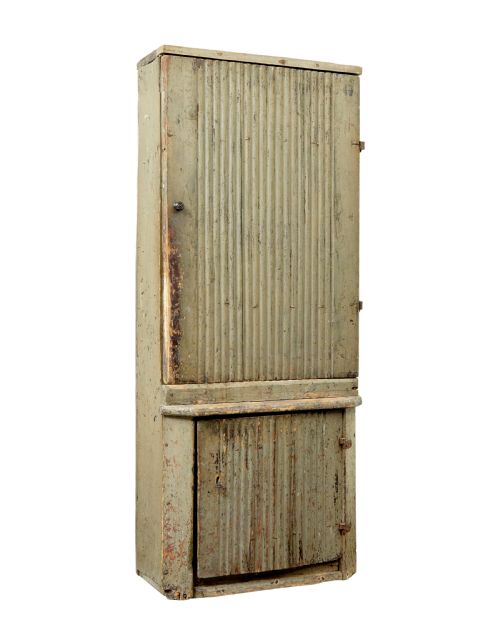
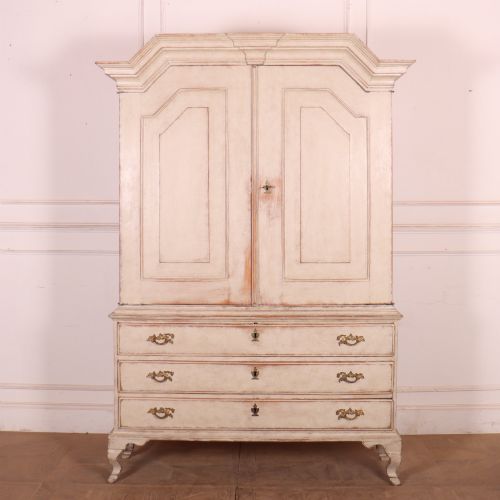
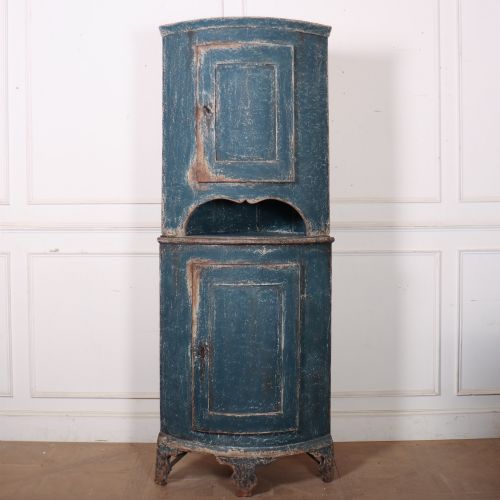


Gustavian Painted Cupboard
A gustavian painted cupboard brings calm, pale proportion to a room, offering generous storage disguised beneath weathered layers of historic pigment.
Gustavian Painted Cupboard
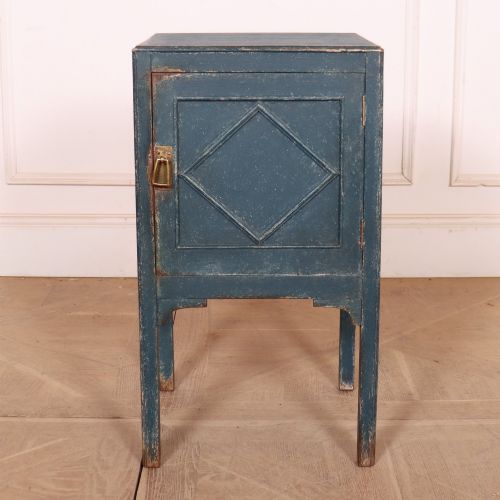
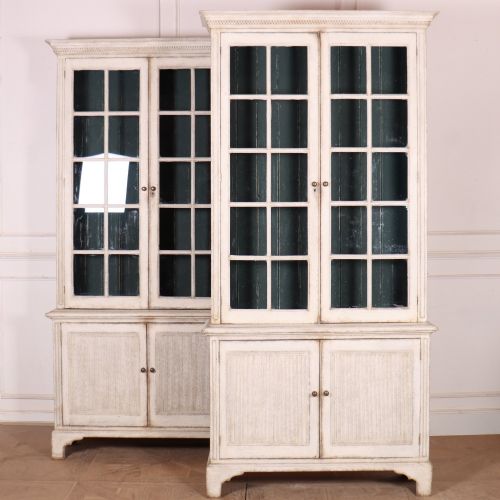
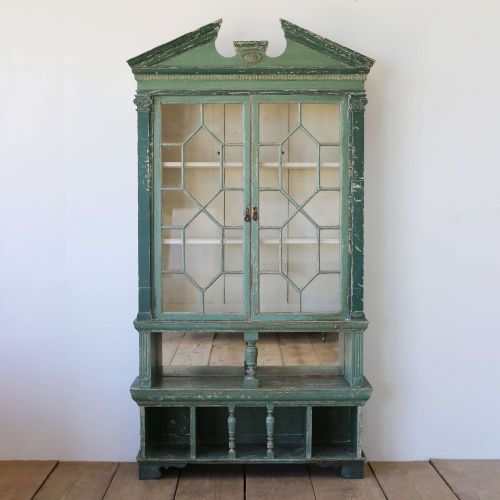
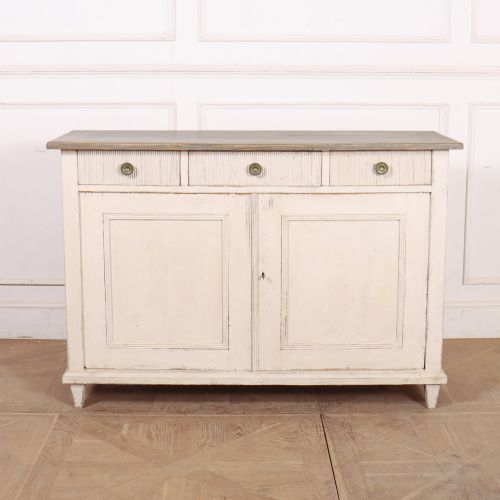
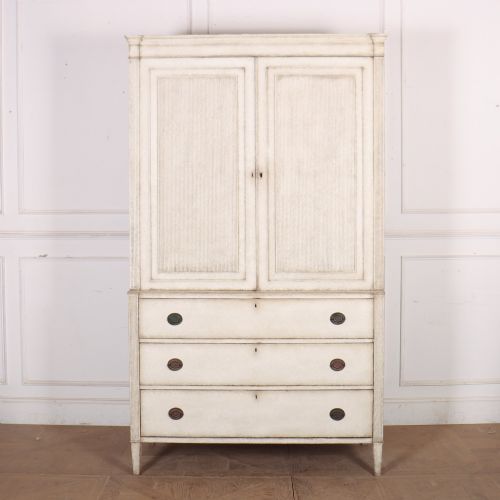
A gustavian painted cupboard is a storage piece rooted primarily in Swedish country houses and grander estates, spanning styles from Scandinavian country to Swedish Gustavian. When searching this phrase, a buyer looks for upright furniture designed to hold linen, kitchen provisions or books while displaying a pale painted finish. The pieces found here range from grand two-door linen cupboards and corner cabinets to narrow bedside tables and miniature dressers.
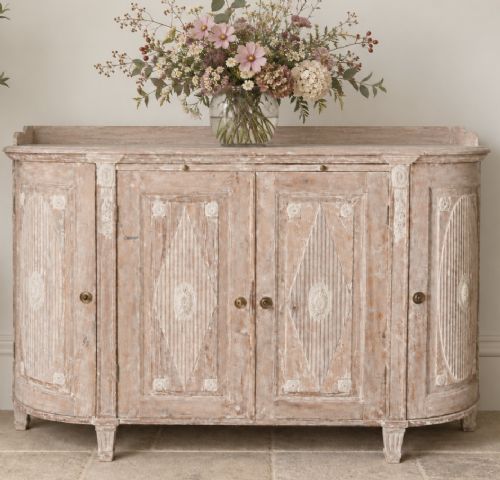
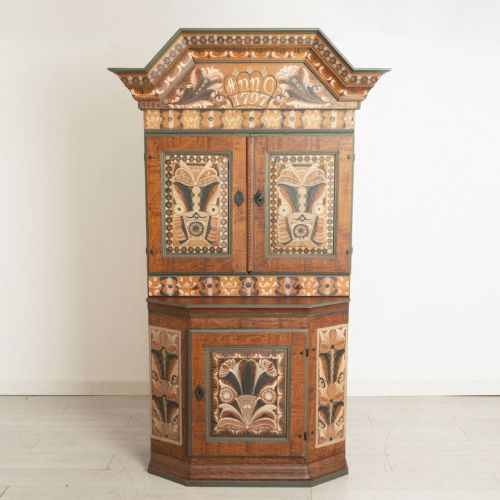
The versions met most often on this page date from the nineteenth century and eighteenth century, executed in pine and soft wood. Forms include corner cupboards, buffets, enfilades and cupboards on stands, reflecting the diverse storage needs of historic Scandinavian interiors. Alongside distinctively Swedish examples, related continental pieces with painted finishes appear, including French country and French chateau items.
What Determines Quality
Quality in these cupboards rests largely on the integrity of the painted surface, particularly whether a piece retains its original scraped paint rather than later decoration. The subtlety of the colour palette and the preservation of historic brushwork distinguish superior examples from simpler utilitarian boxes.
Proportion and architectural detailing also separate the output of skilled cabinet makers from basic rural carpentry. Well-balanced cornices, elegant bowfronts, and refined carvings on items like corner cupboards or linen armoires indicate a higher grade of design.
Gustavian Painted Cupboard Retail Price Guide 2026
Typical asking prices for gustavian painted cupboard among the pieces listed under this phrase on Sellingantiques today, from the lower quarter to the upper quarter. They describe what is for sale here now, not the wider market.
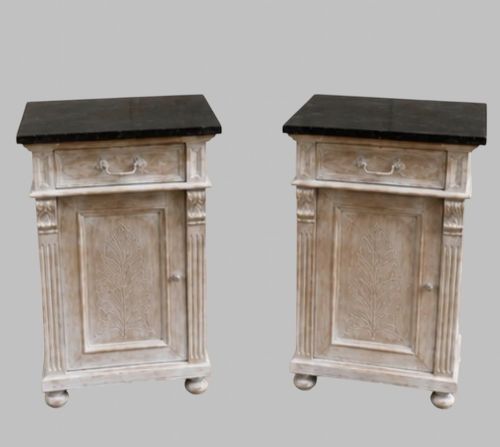
Even the smallest bedside table can conceal a century of hidden stories beneath its pale Swedish paint.
The Gustavian Painted Cupboard Glossary
- Gustavian
- The Swedish neoclassical style spanning the late eighteenth and early nineteenth centuries, characterised by restrained carving, pale paintwork, and classical proportions.
- Enfilade
- A suite of rooms or a long piece of furniture arranged in a straight line, represented here by matched pairs of painted sideboards.
- Bonnet top
- A curved or arched upper cornice resembling a bonnet, frequently seen on tall storage cabinets and wardrobes.
- Softwood
- Timber from conifer trees such as pine, used extensively for carcases and painted furniture across Scandinavia.
- Scraped paint
- A conservation term for a painted surface where later overcoats have been carefully removed to reveal the original historic pigment beneath.
Gustavian Painted Cupboard: Frequently Asked Questions
What is a gustavian painted cupboard?
A gustavian painted cupboard is a wooden storage unit, typically originating from Sweden, featuring a painted surface that reflects Scandinavian design aesthetics from the eighteenth and nineteenth centuries.
These pieces include linen cupboards, kitchen cabinets, and corner units designed to bring functional storage and pale decorative colour into a domestic interior.
How were these cupboards used historically?
Historically, these cupboards served practical storage roles in European homes, holding household textiles, household provisions, and everyday utensils.
Larger two-door models kept linens clean and dry, while smaller bedside tables and corner cupboards maximised storage in compact domestic spaces.
How do I live with a painted cupboard?
Living with a painted cupboard involves placing it out of direct sunlight to protect historic pigment layers and maintaining stable indoor humidity to prevent wood movement.
These versatile pieces suit modern or traditional rooms alike, functioning as storage in hallways, bedrooms, or living spaces.
How can I tell the period of a cupboard?
Dating a cupboard relies on examining construction methods, timber types, and stylistic cues such as neoclassical Gustavian mouldings or nineteenth-century proportions.
Paint analysis and hardware inspection also provide clues, distinguishing eighteenth-century craftsmanship from later nineteenth-century or 1920s revivals.