
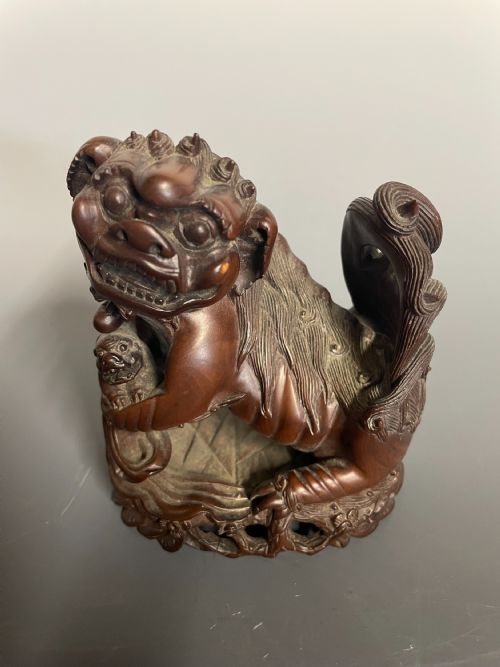


Guardian Lion Sculptures
Guardian lion sculptures stand as powerful protectors across domestic interiors and garden settings, bringing centuries of symbolic craftsmanship to your space.
Guardian Lion Sculptures
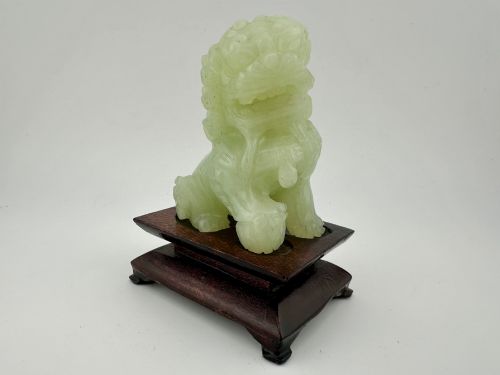
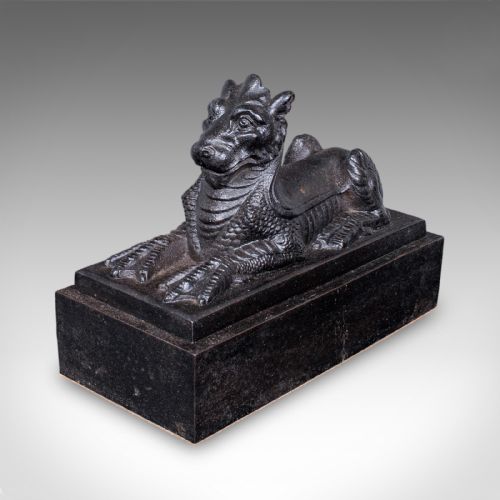
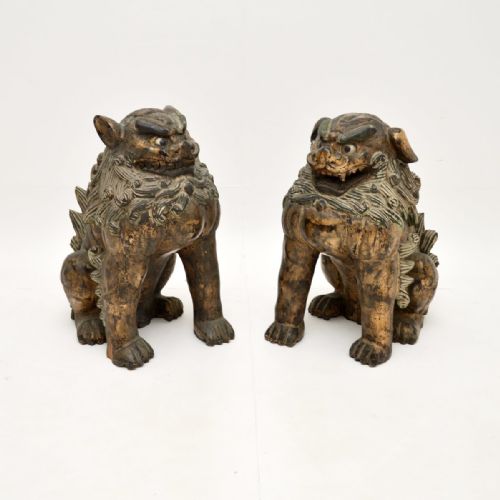
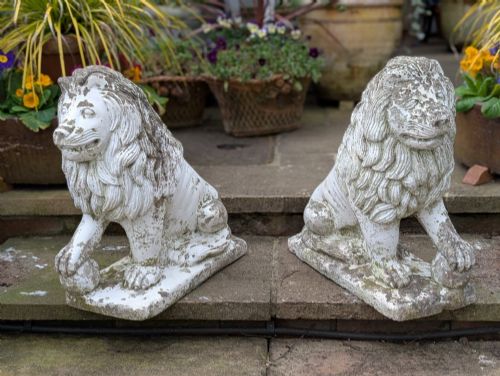
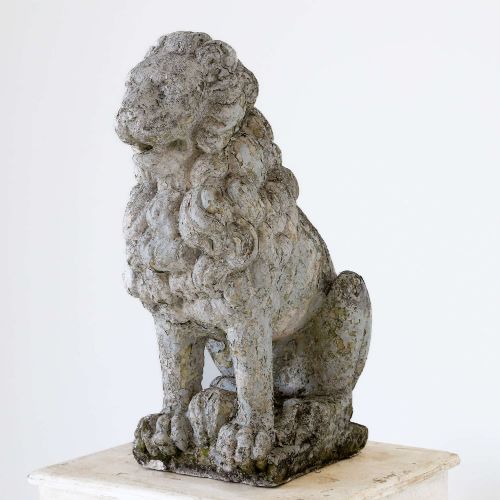
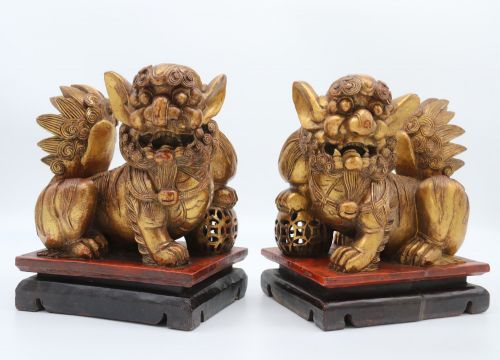
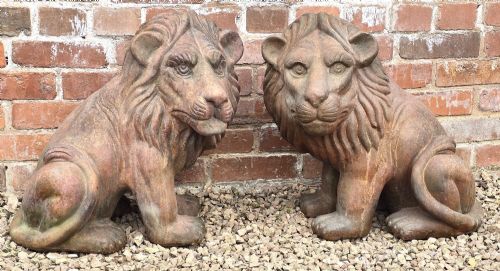
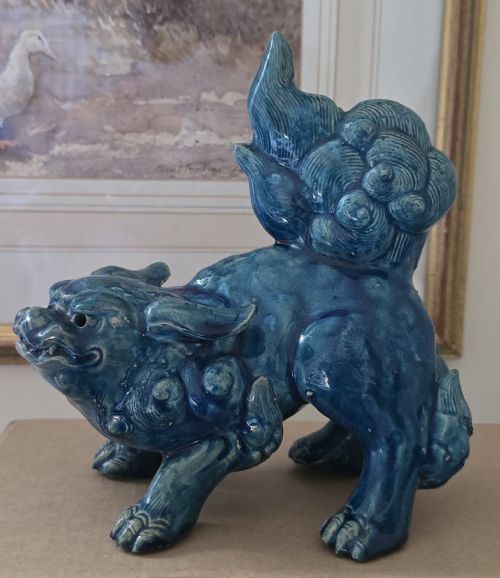
Guardian lion sculptures emerge from diverse traditions, spanning Chinese temple guards, Japanese shishi figures, and European garden statues. You encounter these protective figures shaped as pairs of temple lions, desk seals, and doorstops.
The materials reflect their varied origins, moving from carved wood and porcelain to cast iron and reconstituted stone. These pieces range from intimate boxwood carvings to large bronze and terracotta temple guards.
Works on this page stretch from the eighteenth century through the Victorian era and the Meiji period, capturing classical forms and traditional styles. Each object fulfils a protective role, whether guarding a threshold or ornamenting a mantelpiece.
Making the Sculptures
Metal sculptures utilise bronze, brass, and cast iron, often shaped through casting techniques to capture muscular forms and detailed manes. Artisans finished works with gilt, paint, or natural patination.
Wood pieces rely on boxwood, root wood, and carved gilt wood, shaped with hand tools to produce expressive surface textures. Lacquer and paint finish many of these organic surfaces.
Ceramic and stone versions employ porcelain, terracotta, and reconstituted stone, glazed with turquoise or enamels before firing or sculpting. These mediums allow for both delicate desk seals and robust garden statuary.
Listings feature guardian lions in bronze, wood, porcelain, stone, and iron across various periods.
Assessing Quality
Quality rests in the precision of the carving or casting, where fluid lines and defined facial expressions distinguish superior works. Master carvers and founders achieved greater anatomical conviction and spirited postures.
Material selection dictates the longevity and visual weight of the sculpture, from dense root wood and fine porcelain to heavy bronze and terracotta. Preserved original surfaces, such as early paint or lacquer, elevate the piece.
Unno Shomin
The Guardian Lion Sculptures Glossary
- Shishi
- A Japanese term for a Buddhist lion or guardian lion dog. These figures derive from Chinese temple guardians and appear in porcelain, bronze, and pottery.
- Foo Dog
- A common Western descriptor for Chinese guardian lions. They represent symbolic temple guard animals rather than actual canine breeds.
- Okimono
- A Japanese decorative object intended for display in an alcove or on a shelf. These standalone sculptures display high levels of metalwork or carving skill.
- Terracotta
- Fired clay used extensively for garden and architectural sculptures. It provides a warm earthy tone and accepts crisp modelling.
- Reconstituted stone
- A durable material made from crushed stone mixed with a binder. It replicates the appearance of natural carved stone for outdoor statues.
Guardian Lion Sculptures: Frequently Asked Questions
What are guardian lion sculptures?
Guardian lion sculptures are symbolic protective figures traditionally placed outside temples, tombs, and homes.
They draw on Chinese, Japanese, and European traditions, taking forms such as temple guards, doorstops, and desk seals.
Where were guardian lions placed?
These figures typically stood in pairs flanking entrances, gates, and thresholds to ward off negative influences.
Smaller versions served indoors as desk seals, incense burners, or decorative mantel figures.
How do I care for stone guardian lions?
Stone and terracotta outdoor sculptures require gentle cleaning with water and soft brushes to preserve their surfaces.
Protecting them from severe frost damage during winter months helps maintain the integrity of the material.
How do I date a guardian lion sculpture?
Dating relies on identifying the material, stylistic markers, and wear patterns consistent with periods like the Meiji era or Qing dynasty.
Examining tool marks, base patination, and original paint layers aids in determining the approximate age of the piece.