
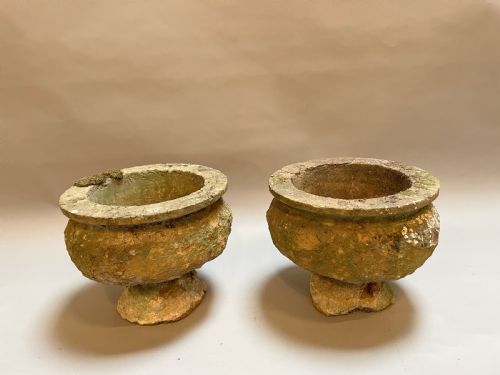


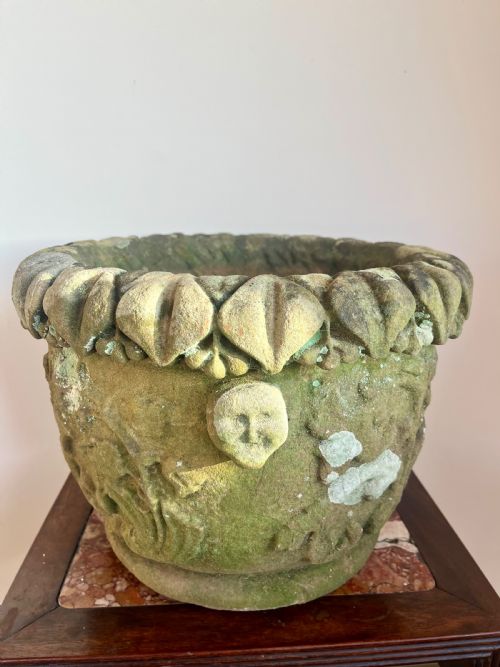


Grey Stone Garden Planter
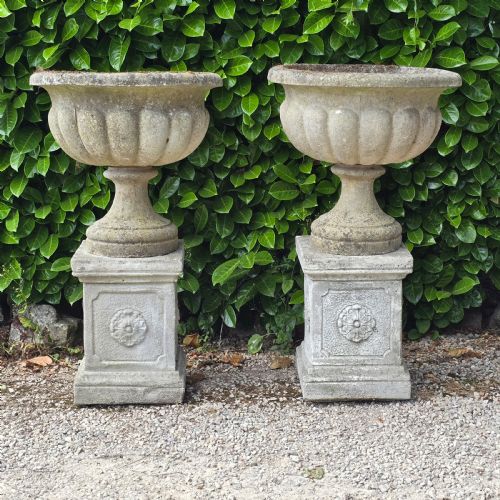
A grey stone garden planter grounds an outdoor space with mass, texture, and centuries of weathering.
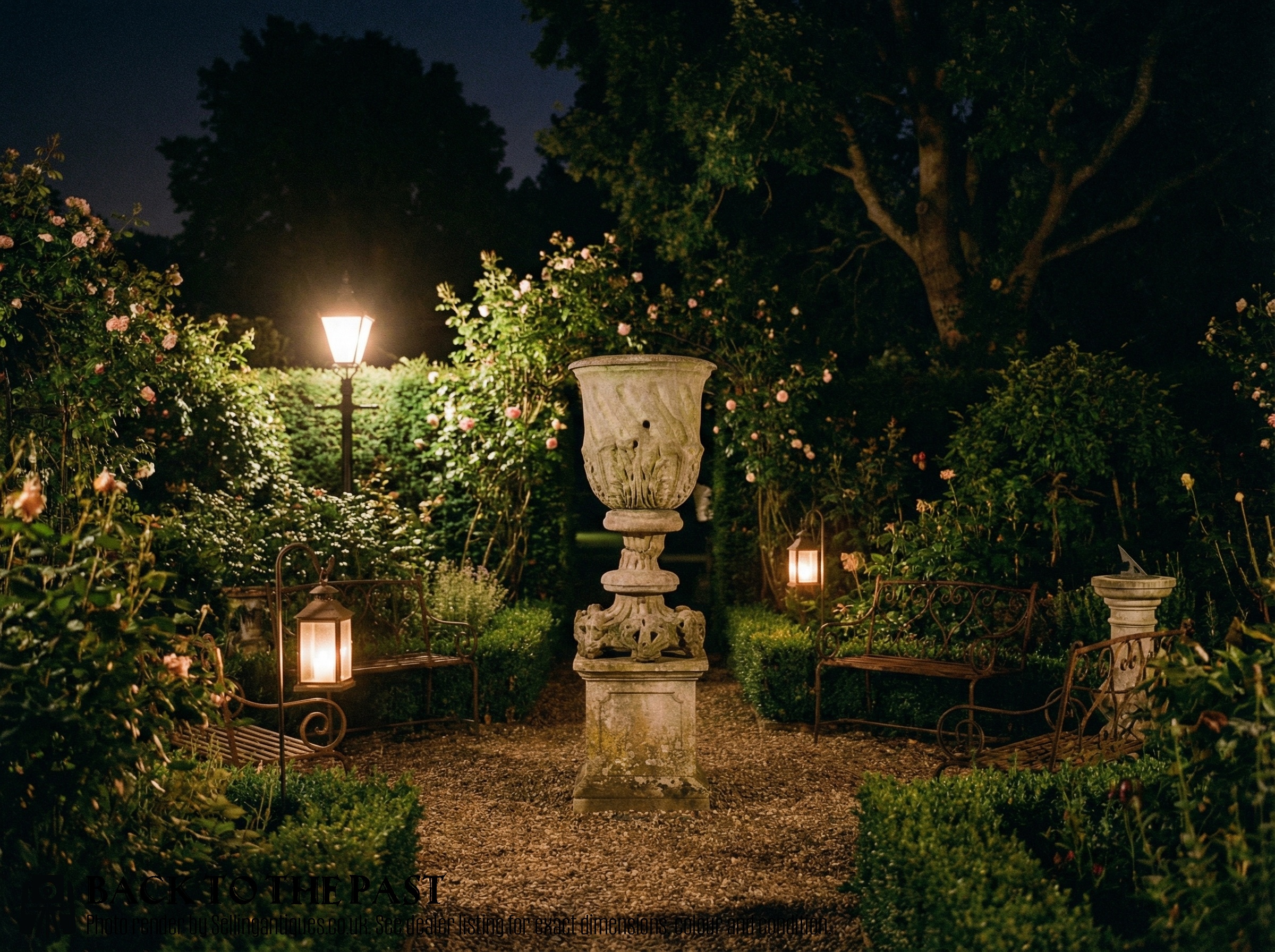
Grey Stone Garden Planter
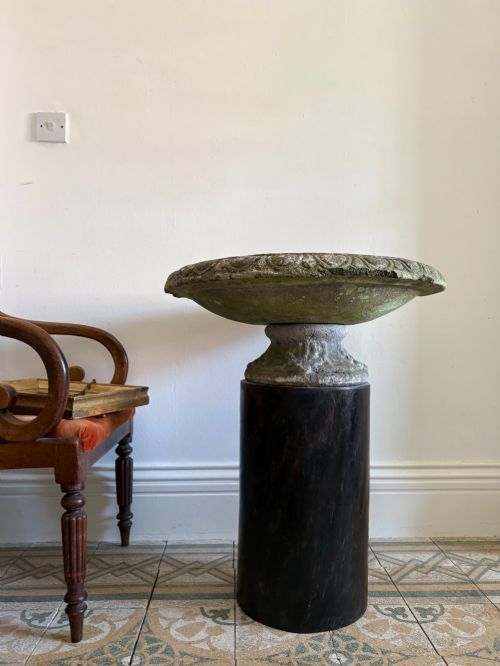
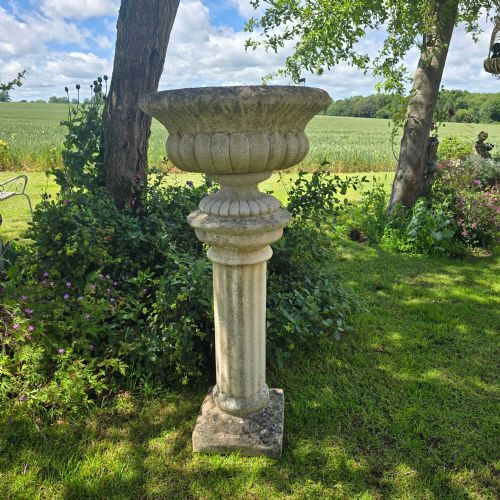
When buyers search for a grey stone garden planter, they encounter a range of heavy outdoor vessels including urns, troughs, mortars, and campana forms designed for planting. The pieces on this page span several centuries, reaching back through the 17th, 18th, and 19th centuries into the 1920s, 1930s, and 1950s.
Materials and construction
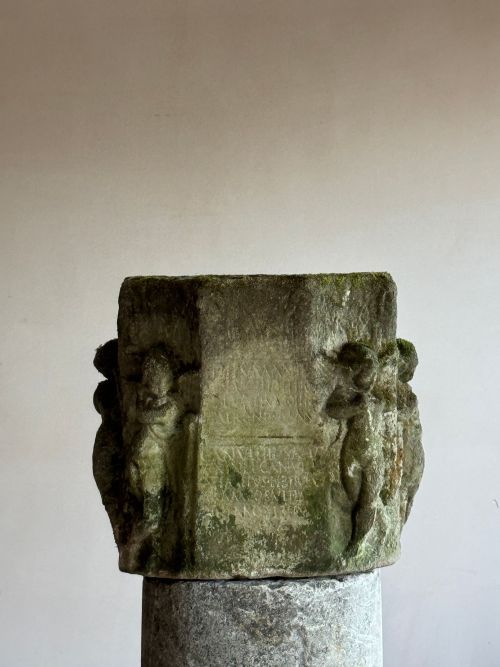
Makers shaped these vessels from blocks of natural stone using carving and chiselling techniques, or cast them using aggregates of stone dust and binding agents in moulds. Natural varieties display the inherent grain and fossils of limestone, sandstone, granite, and marble, while cast and reconstituted versions replicate the texture and weight of quarried stone.
Metal elements, particularly in cast iron campana urns and planters, utilise traditional foundry moulding. Surfaces reveal the marks of stone-cutters' chisels, the patination of age, and the weathering accrued through decades or centuries outdoors.
Listings feature vessels from the 17th century through to the 1950s, utilising limestone, sandstone, marble, granite, cast iron, and reconstituted stone.
Distinctions in quality
Quality rests in the crispness of carved detail, the proportion of classical forms like campana urns, and the integrity of the material itself. Hand-carved pieces in natural limestone or marble demonstrate superior sculptural skill compared to simpler cast compositions.
The depth of weathering and biological patina contributes significantly to the visual weight of an outdoor vessel. Pieces that retain harmonious proportions on their original plinths or pedestals command greater architectural presence in a garden setting.
Andrew Handyside
The Grey Stone Garden Planter Glossary
- Campana
- A bell-shaped garden urn with an everted rim, often mounted on a pedestal base. This form dates back to classical antiquity and appears frequently in 18th and 19th-century designs.
- Reconstituted stone
- A manufactured material made from crushed stone aggregate mixed with cement or other binders and poured into moulds. It provides the appearance and density of natural stone.
- Trough
- A long, shallow rectangular vessel traditionally used for feeding livestock or domestic chores. In a garden context, antique stone troughs function as substantial planters for alpines and perennials.
- Plinth
- A heavy base or pedestal supporting an urn, planter, or architectural element. Plinths elevate garden vessels to improve sightlines and drainage.
- Mortar
- A heavy stone bowl used historically for grinding grain, herbs, or minerals. Weathered stone mortars translate well into compact garden planters.
Grey Stone Garden Planter: Frequently Asked Questions
How do I choose the right size?
Consider the scale of your garden or terrace relative to the dimensions of the vessel. Large campana urns and stone troughs require adequate open space to anchor a view without overwhelming pathways.
Check the height and base measurements, especially if the piece rests on a separate plinth or pedestal. Heavier stone pieces demand a stable, level foundation outdoors.
Can antique stone planters stay outside in winter?
Natural stone and cast stone vessels generally withstand winter conditions provided they have adequate drainage holes. Water trapped inside porous stone can freeze and expand, risking structural damage during hard frosts.
Elevating planters slightly on pot feet prevents moisture from freezing them to the ground. Lining very delicate antique vessels with plastic or insulating material offers extra protection.
How do I tell natural stone from cast stone?
Natural stone displays continuous geological variations, fossil inclusions, and tool marks left by the mason's chisel. Examining the underside or interior often reveals the direct cutting lines of natural quarried material.
Cast stone and reconstituted stone may show tiny air bubbles from the moulding process and uniform aggregate distribution. Closer inspection with a magnifying glass helps distinguish moulded surfaces from hand-carved stone.
How should I clean an antique stone planter?
Gentle brushing with water and a soft-bristled brush removes loose dirt and debris while preserving the weathered lichen and moss patina. Avoid harsh chemical cleaners or pressure washers, which can erode soft limestone and sandstone surfaces.
Allowing natural weathering to continue maintains the aged character valued in antique garden ornaments. Keep drainage holes clear of soil and roots to prevent water stagnation.