

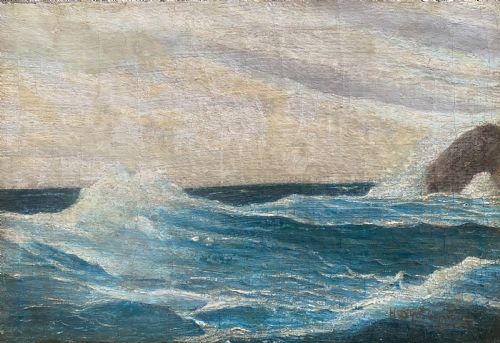
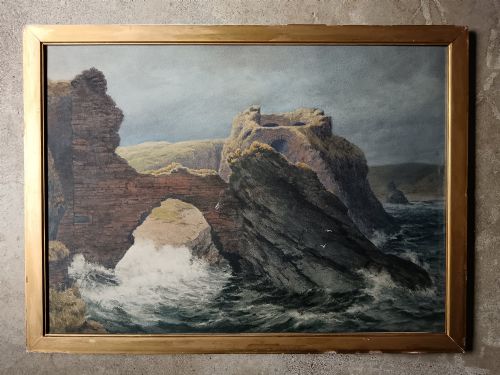


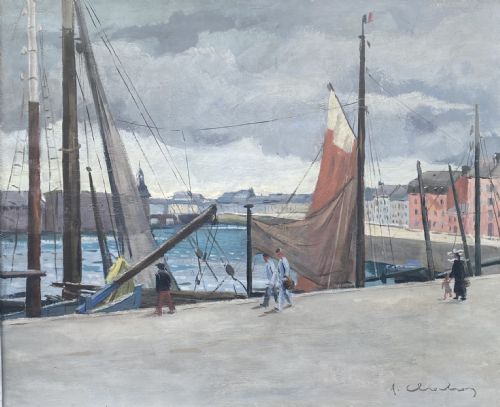
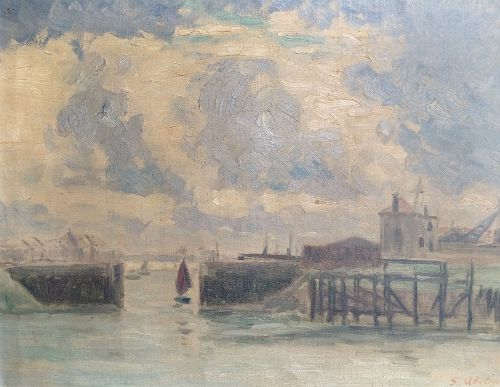


Grey Sky Seascape Painting
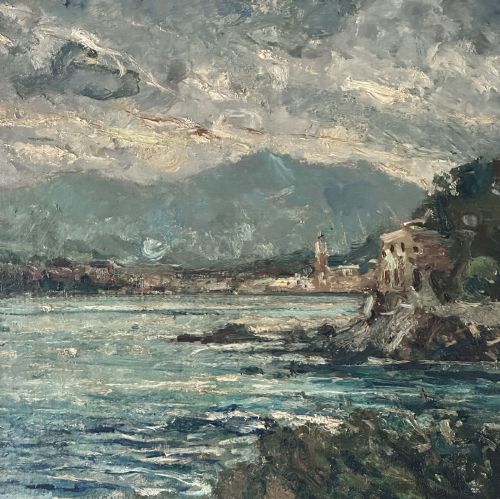
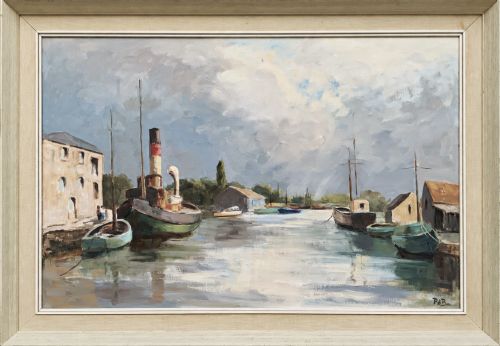
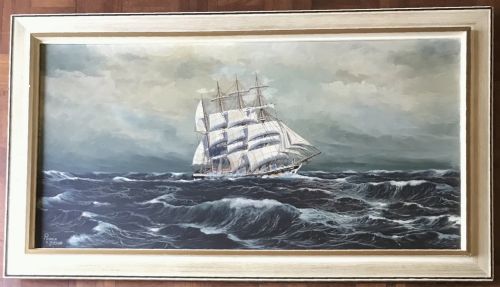
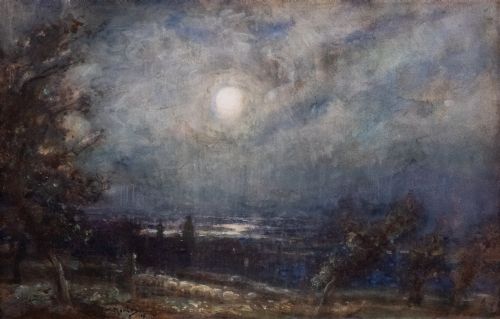
Grey sky seascape painting captures the moody atmosphere of coastal waters through muted palettes and atmospheric brushwork.
Grey Sky Seascape Painting
A grey sky seascape painting brings the moody, atmospheric conditions of coastal weather indoors through restrained palettes and evocative brushwork. Buyers searching for a grey sky seascape painting encounter works spanning the nineteenth and twentieth centuries, including Victorian maritime scenes and modernist interpretations. These pieces focus on harbours, coastal fortifications, and open waters under overcast or stormy skies.
The selection ranges from detailed watercolours on paper to substantial oil paintings on canvas, reflecting British Impressionist, French Modernist, and Russian Modernist styles. Examples from the early nineteenth century often depict busy harbour scenes with shipping and coastal figures, while later twentieth-century works lean towards dynamic modernist compositions.
Materials and techniques
Artists rendering these coastal scenes primarily utilised oil paint on canvas or watercolour on paper, framed behind glass with wood mouldings. Oil paint allowed for thick, textured application to capture churning waves and heavy clouds, whereas watercolour suited the delicate, translucent washes of mist and pale skies.
The creation of these works involved careful layering of pigments to convey the specific luminescence of overcast maritime environments, balancing the deep tones of the water against pale, grey atmospheres.
Grey Sky Seascape Painting Retail Price Guide 2026
Typical asking prices for grey sky seascape painting among the pieces listed under this phrase on Sellingantiques today, from the lower quarter to the upper quarter. They describe what is for sale here now, not the wider market.
Represented periods span from the early nineteenth century through the Victorian and Edwardian eras to the 1940s.
Assessing quality and execution
Quality in these coastal works rests on the artist's ability to capture light and movement within a restricted monochromatic or muted palette. Superior examples demonstrate confident handling of water and atmospheric perspective, where brushstrokes or washes successfully convey the weight of heavy skies and turbulent seas.
The strength of the composition and the preservation of the original paper or canvas surface also dictate the standing of a piece. Works that retain their original framing and retain crisp detail in the shipping vessels or architectural elements show greater artistic intent.
Thomas William Morley·John Moxon·Charles William Adderton·Paul Jean Clays·Owen Bowen·Bertram Priestman·Thomas Bush Hardy·Edward Wesson·R I Barrow
The Grey Sky Seascape Painting Glossary
- Seascape
- A work of art depicting the sea, ocean, or coastal views. These pieces often focus on the interaction between water, weather, and shore.
- Watercolour
- A paint consisting of colour suspended in a water-soluble vehicle. Artists applied this medium to paper to achieve translucent atmospheric effects.
- Canvas
- Heavy woven fabric used as a surface for oil painting. It provided durability and texture for works depicting turbulent marine environments.
- Impressionism
- An art style characterised by relatively small, thin, yet visible brush strokes and an emphasis on accurate depiction of light. British and French variations appear frequently in maritime art.
- Maritime
- Connected with the sea or shipping. These paintings often document historical vessels, harbours, and coastal fortifications.
Grey Sky Seascape Painting: Frequently Asked Questions
What periods do these paintings cover?
The works span from the early nineteenth century through to the mid-twentieth century, encompassing Victorian, Edwardian, and modernist periods.
This broad timeline shows the evolving ways artists interpreted coastal weather and maritime activity across different decades.
What mediums are commonly used?
Artists worked primarily in oil paint on canvas and watercolour on paper to capture these overcast coastal scenes.
Both mediums suited the moody, muted tones required to render grey skies and choppy waters effectively.
How were these coastal scenes framed?
Many of these watercolours and oil paintings are presented in period wood frames, sometimes protected behind glass.
Original framing helps preserve the paper or canvas from environmental wear over the decades.
Where do these maritime subjects originate?
The locations depicted range from British coastal towns and Scottish borders to Norwegian waters, French ports, and Russian settings.
Artists travelled extensively along European coastlines to record local shipping, harbours, and maritime architecture.