



Grey Pewter Vessel
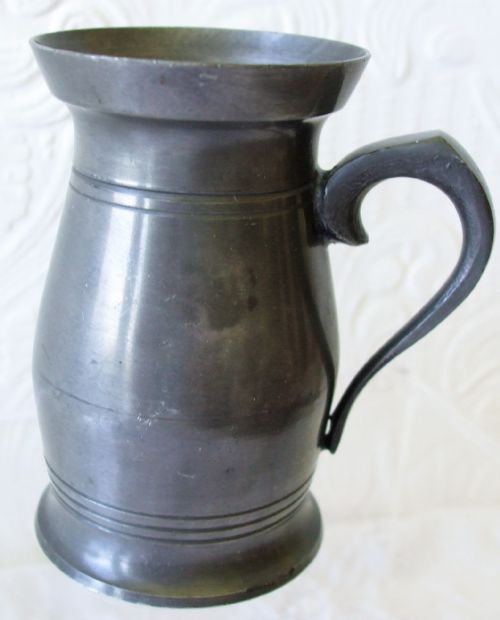
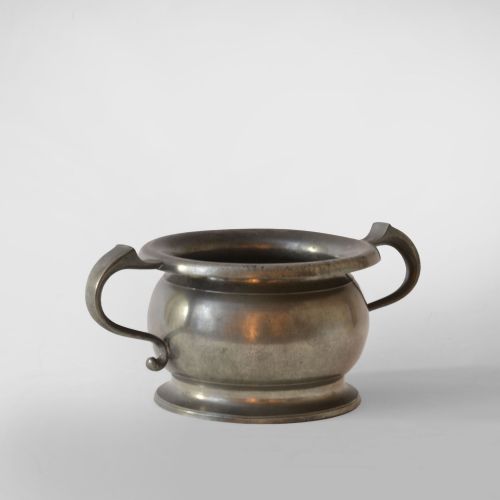
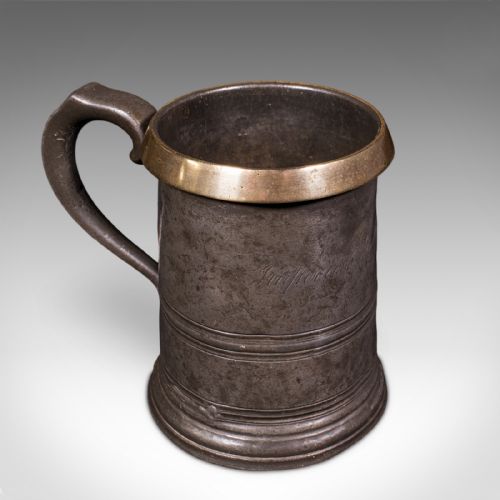
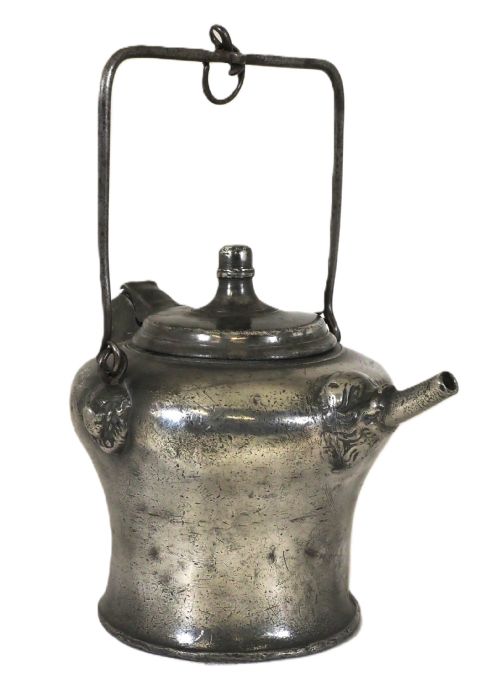
Grey pewter vessel selections span domestic flagons, tavern tankards, and decorative bowls from the seventeenth century to the twentieth.
Grey Pewter Vessel
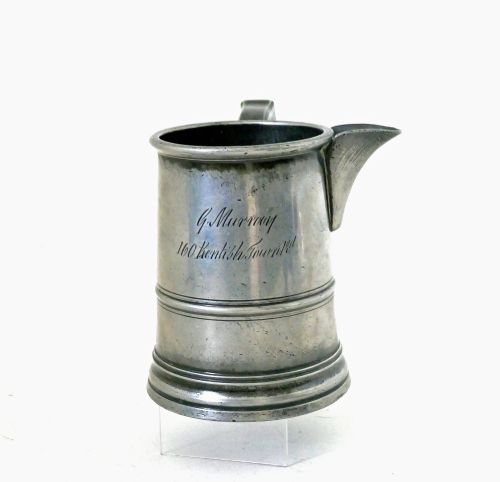
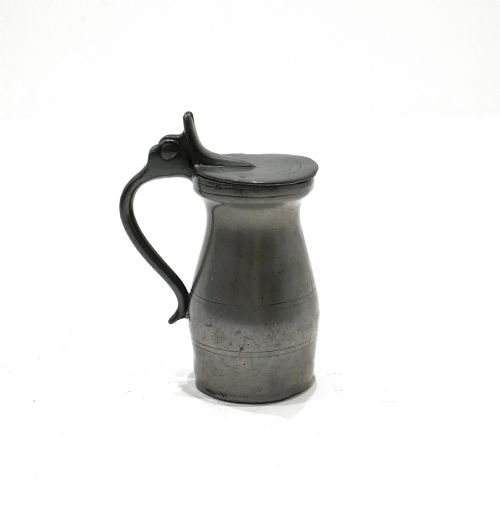
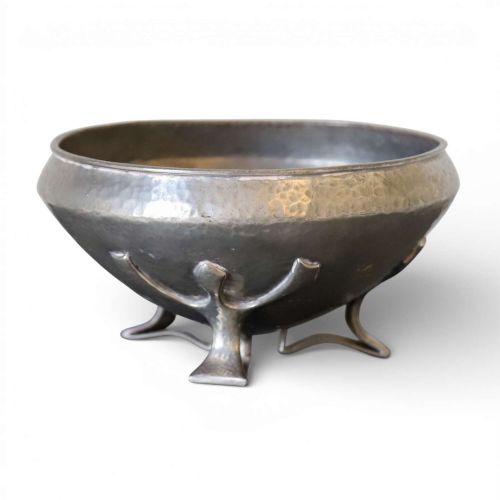
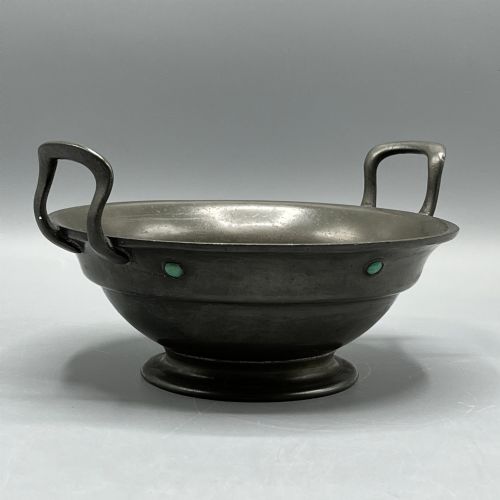
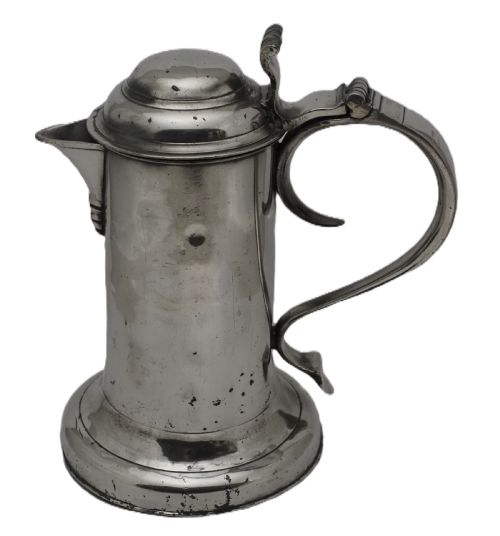
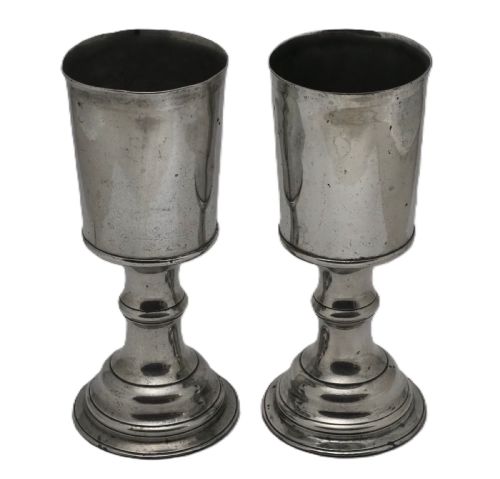
A grey pewter vessel encompasses functional drinking flagons, tavern tankards, spirit measures, and decorative bowls made primarily from metal alloys. These objects serve everyday domestic, ecclesiastical, and public house purposes across multiple centuries.
Earlier examples focus heavily on capacity standards and church services, while later pieces adopt distinctive aesthetic styles like Art Nouveau and Celtic Revival designs.
Materials and construction methods
Pewter forms the primary material, consisting of tin alloyed with lead, copper, or antimony to achieve durability and weight. Metal alloys and occasional subsidiary elements like glass or brass appear in specific decorative pieces.
Manufacturing techniques combine casting, hammering, and engraving, producing flat lids, spouted spires, and applied cabochons. Workshops frequently shape the metal into tankards, jugs, and flagons using traditional moulds and lathe-finishing.
Listings incorporate items spanning the seventeenth, eighteenth, nineteenth, and twentieth centuries, using pewter, glass, brass, iron, and antimony.
Distinctions in quality and execution
Quality separates objects by the crispness of maker's marks, the balance of proportions, and the refinement of surface engraving. Well-defined touchmarks and verified maker attributions elevate domestic and tavern pieces alike.
Design ambition distinguishes standard utilitarian vessels from commissioned works by prominent artists and manufacturers. The precision of decorative motifs, such as Celtic interlace or naturalistic foliage, dictates the artistic standing of each piece.
Liberty & Co·Oliver Baker·Archibald Knox·John Heaney·Robert Iles·Kayserzinn
The Grey Pewter Vessel Glossary
- Flagon
- A large drinking vessel with a handle and usually a lid, often used for church services or ale. These containers appear in various capacities from English and continental workshops.
- Spirit Measure
- A standardised vessel designed for dispensing exact volumes of alcohol. Examples range from pre-imperial half gills to specific pint capacities.
- Tudric
- The trade name used by Liberty & Co for their range of pewterware. Items under this banner frequently feature designs by artists such as Archibald Knox and Oliver Baker.
- Touchmark
- An official stamp or hallmark impressed by a pewterer or guild onto metalware to indicate standard and maker. These marks assist greatly in dating and attributing antique pieces.
- Spire Flagon
- A tall drinking or pouring vessel featuring a steeply tapered lid resembling a spire. These tall forms are typical of eighteenth-century English production.
Grey Pewter Vessel: Frequently Asked Questions
What is a grey pewter vessel?
A grey pewter vessel is an antique metal container made from a tin alloy, used historically for drinking, measuring, or serving liquids.
These items include tavern tankards, church flagons, household jugs, and decorative bowls produced across Britain and continental Europe.
How were old pewter vessels used?
Historical pewter items served practical roles in domestic households, public houses, and religious ceremonies. They held ale, wine, water, or spirits, and measured liquids for trade.
Many examples functioned as everyday tableware before surviving as decorative antiques or collector pieces.
How do I date an antique pewter piece?
Dating relies on maker touchmarks, lid styles, handle shapes, and overall manufacturing characteristics. Flat-lidded flagons typically point to earlier eighteenth-century production.
Stylistic shifts toward organic motifs or Celtic revival designs help identify later nineteenth and twentieth-century origins.
How do I clean antique pewter?
Antique pewter requires gentle maintenance to preserve its natural grey patina and historical surface character. Harsh commercial metal polishes should be avoided.
Regular dusting and occasional washing with mild soapy water and a soft cloth protect the metal without stripping its age.