

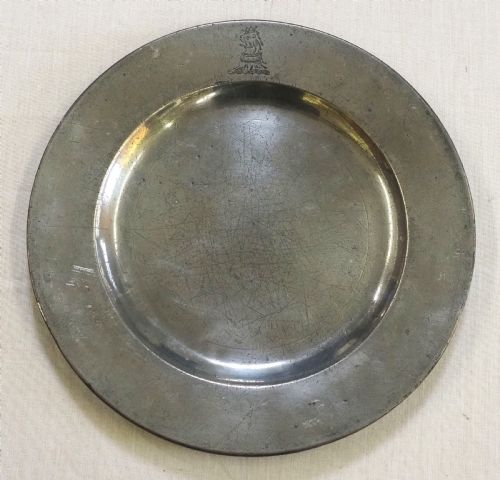
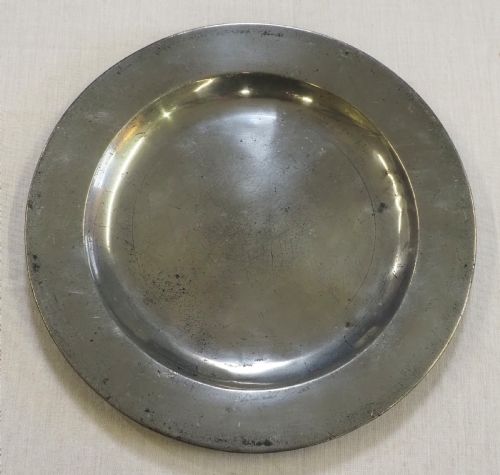
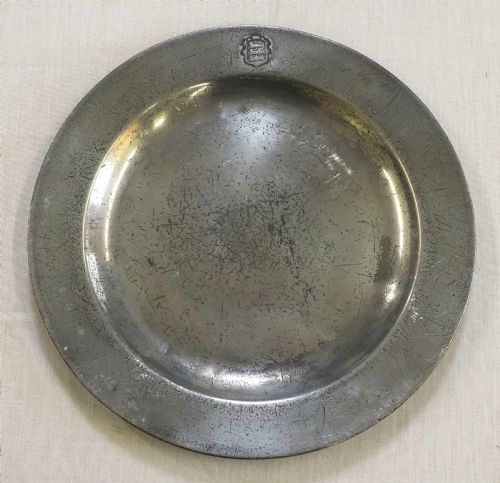
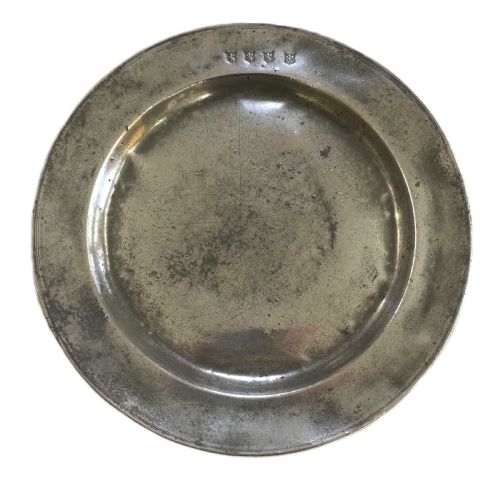
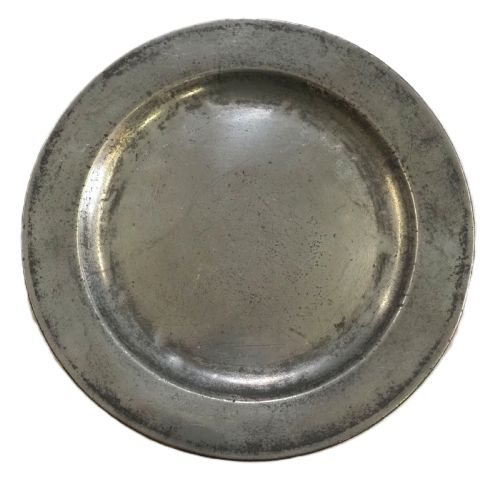


Grey Pewter Dish
When you search for a grey pewter dish, you enter a domain of utilitarian metalwork spanning centuries of table service and display.
Grey Pewter Dish
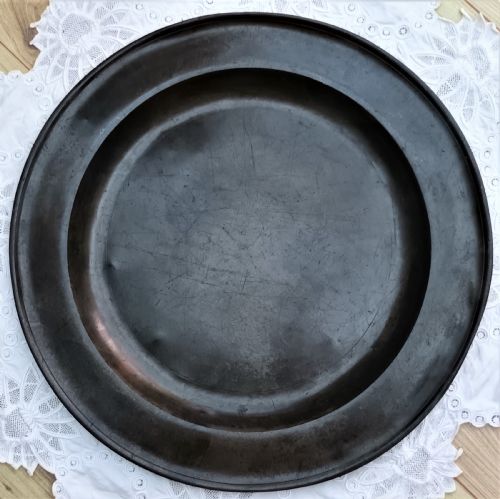
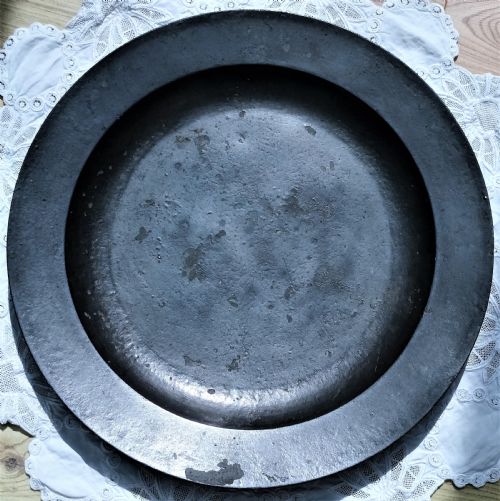
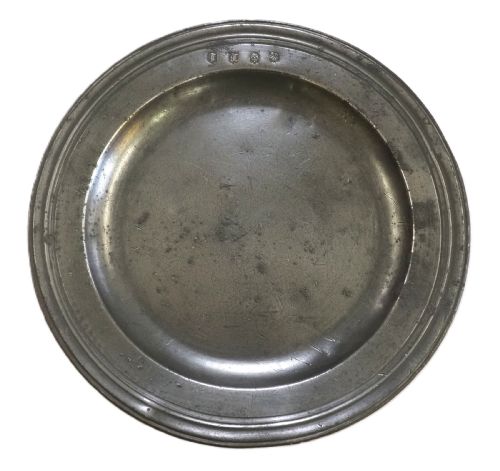
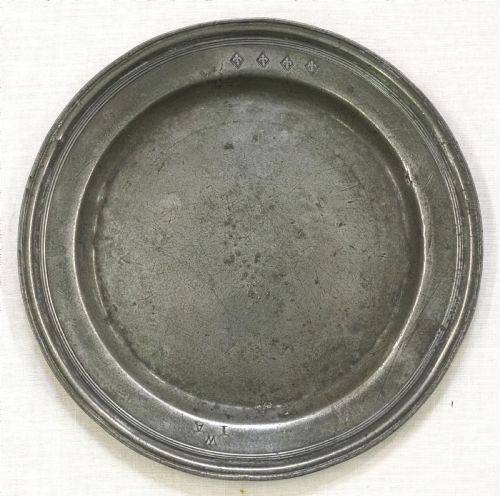
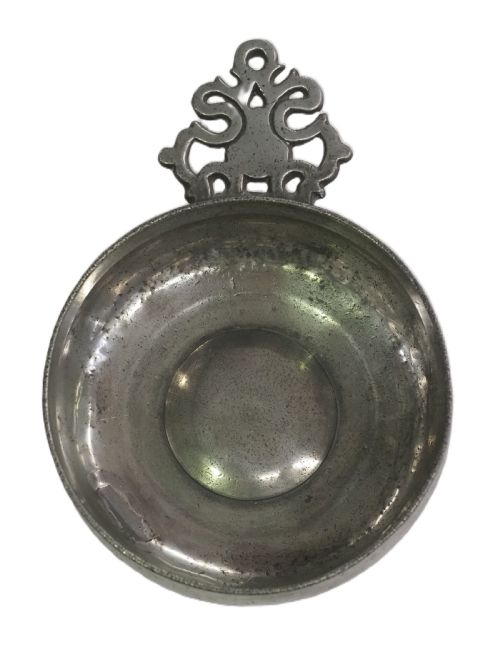
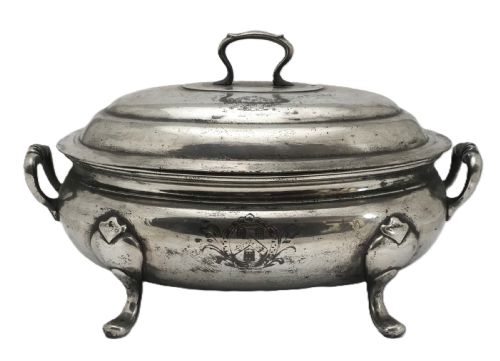
A grey pewter dish encompasses a wide variety of domestic vessels, from broad rim chargers and deep plates to tureens, porringers, and bowls. These pieces emerge predominantly from seventeenth-century and eighteenth-century English workshops, alongside later nineteenth-century French and British examples.
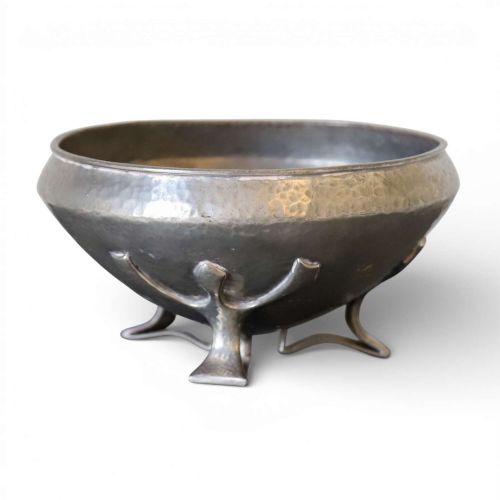
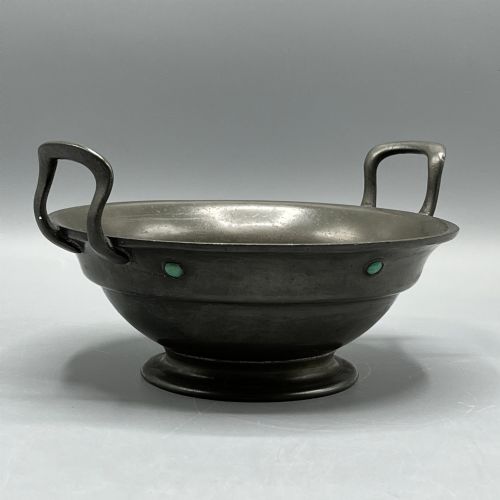
The objects on this page range from plain rim plates and reeded chargers to specialised vessels like barbers bleeding bowls and commemorative plates. Buyers encounter both utilitarian dining items and decorative Arts and Crafts pieces originating from makers such as Liberty and Co.
Materials and Techniques
The primary material across these listings is pewter, a malleable alloy composed mainly of tin combined with lead, copper, or antimony to achieve stability. Certain decorative items incorporate glass elements or cabochons to accent the metalwork.
Techniques visible in the inventory include casting, hammering all over, and lathe-turning to shape rims and wells. Makers applied individual touches through incised decoration, reeded rims, and engraved coats of arms or crests.
Listings span from the seventeenth century through the Arts and Crafts period, utilising pewter and glass.
Craftsmanship and Survival
Quality in these vessels rests upon the crispness of touchmarks, the weight and thickness of the metal, and the preservation of original hammer marks or surface texture. Pieces retaining broad rims, sharp reeding, and deep armorial engravings demonstrate superior early workshop standards.
The integrity of the form over centuries, including minimal wear to the basin and clear maker identification, separates standard domestic utility items from exceptional collector examples.
Oliver Baker·John Duncomb·Samuel Smith·T and H Compton·James Spackman·Richard King·Wood and Michell·John Trapp II·John Tubb·Robert Moulins II·Humphrey Evans II·Thomas Alderson·Lawrence Dyer·Thomas Haward·Thomas Powell·Edward Leapidge I·Nehemiah Cloudesley·John Barlow·S Duncomb·Yates Birch and Spooner·Archibold Knox
The Grey Pewter Dish Glossary
- Charger
- A very large plate used for ceremonial dining or as a base under smaller dishes. These substantial vessels often display broad rims and significant metal weight.
- Porringer
- A small, handled bowl used historically for porridge, broth, or bloodletting. They feature distinctive single or dual ears for gripping.
- Touchmark
- An official stamp struck by a pewterer into the metal to certify quality and authorship. These marks act as vital signatures for identification.
- Reeded
- Decorated with parallel raised rings or mouldings around the rim. Triple and multiple reeded plates showcase this linear relief work.
- Cabochon
- A gemstone polished rather than faceted, set directly into the metalwork. This decorative technique appears on later Arts and Crafts pieces.
Grey Pewter Dish: Frequently Asked Questions
What is a grey pewter dish used for?
These vessels served diverse roles in historical households, functioning primarily as tableware for serving food or as decorative chargers displayed on sideboards.
Over time, specialised forms emerged for specific domestic and professional tasks, including barbers bleeding bowls, sugar basins, and commemorative plates.
How can I tell the age of a pewter dish?
Dating relies on stylistic shifts in rim design, such as the broad rims popular in the seventeenth century compared to the plainer, narrower edges of the eighteenth century.
Touchmarks struck into the metal provide direct links to documented working periods of specific makers and guilds.
What does a touchmark mean?
A touchmark serves as the maker's signature, stamped into the pewter while hot to guarantee the alloy met guild standards.
Collectors study these stamps to identify individual workshops and narrow down the manufacturing date of a vessel.
How do I care for antique pewter?
Antique pewter requires gentle handling to preserve the natural grey oxidation and historical surface texture accumulated over centuries.
Harsh metal polishes should be avoided, as vigorous cleaning can remove touchmarks and thin the original metal walls.