

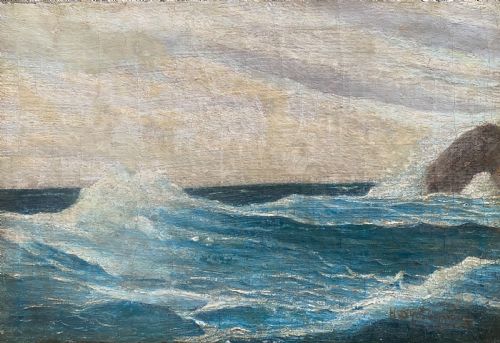


Grey Marine Seascape Canvas
Grey marine seascape canvas works capture turbulent waters and coastal air through layered brushwork.
Grey Marine Seascape Canvas
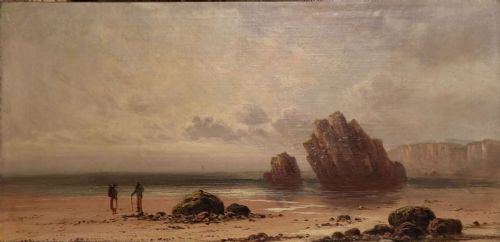
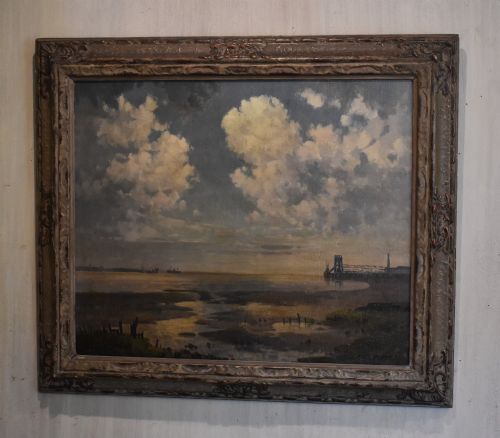
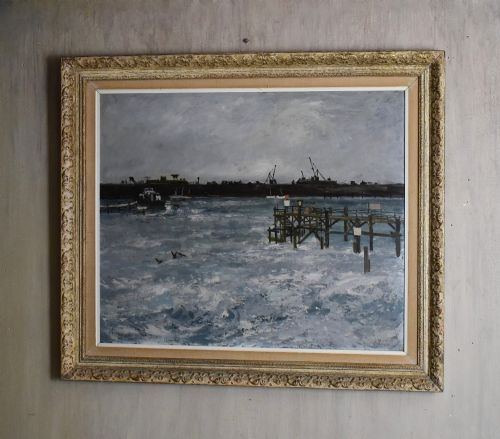
A grey marine seascape canvas depicts coastal views, harbours, and open water dominated by muted tones and overcast skies. These works range from Victorian maritime scenes to mid-century modernist interpretations.
The pieces on this page span several decades, featuring British Impressionism, 19th-century realism, and post-century movements. Collectors encounter harbour scenes, stormy waters, and quiet coastal inlets.
Most examples originate from British and European hands, capturing regional shorelines from Cornwall to the North East. The primary subjects remain working vessels, sailing ships, and rocky beaches rendered in oil.
Materials and Construction
Painters relied principally on oil paint applied to woven canvas or occasionally wooden boards. This medium allowed artists to build rich textures and manipulate light across water and sky.
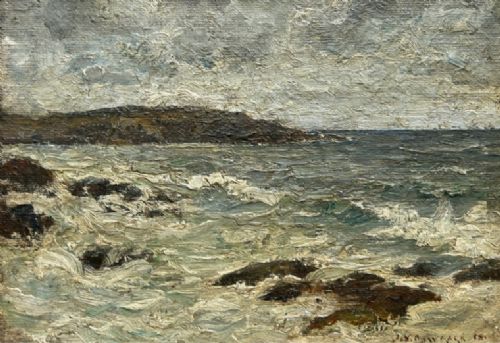
Impasto techniques appear frequently, where thick layers of pigment create physical relief for crashing waves or rocky shores. Gilt frames often enclose these works, complementing the maritime subject matter.
Several canvases capture the turbulent moods of distant fishing ports where salt air undoubtedly found its way into the artist's tea.
Judging Quality
Quality rests upon the artist's command of atmospheric perspective and tonal subtlety in handling difficult grey palettes. Superior works capture movement in water and weather without relying on rigid formulas.
The handling of canvas preparation and paint preservation dictates the longevity and visual depth of each marine painting. Stronger compositions demonstrate confident brushwork that defines the weight of sea and sky.
Kenneth Cozens·Clive Browne·Peter Brannan·Edward Henry Eugene Fletcher·William Greaves·Charles Sim Mottram·Owen Bowen·George Gregory·John Callow·Herbert Royle·Paul Jean Clays·John Davison Liddell·Frank Myers Boggs·Bertram Priestman·John W Gilroy
The Grey Marine Seascape Canvas Glossary
- Canvas
- A heavy woven fabric used as a surface for oil painting. It is stretched over a wooden frame before application.
- Impasto
- Paint laid on an area of the surface in thick layers, usually thick enough that the brush or painting-knife strokes are visible. This technique adds tactile dimension to waves and clouds.
- Seascape
- A work of art that depicts the sea, acting as the marine equivalent of a landscape. These often include ships and coastal landforms.
- Gilt
- Covered thinly with gold leaf or gold paint. Frames finished in this manner frequently house period marine works.
Grey Marine Seascape Canvas: Frequently Asked Questions
How do I date a grey marine seascape canvas?
Dating relies on stylistic clues, framing methods, and signatures recorded across the canvas or board. Victorian works often show meticulous realism, while mid-century examples lean towards impressionist or modernist abstraction.
Examining the stretcher bars and canvas weave provides further context for the period of creation. Makers often signed and dated their maritime scenes on the reverse.
Where were these marine paintings created?
Many works originate from British coastal regions, capturing active ports and rugged shorelines like Cornwall and the North East. European destinations such as French fishing ports and Spanish bays also appear frequently in the selections.
Artists often travelled to working harbours to paint vessels and coastal figures directly from life. These locations dictate the specific topography found within each maritime composition.
How should I display an oil painting on canvas?
Oil paintings on canvas require stable indoor environments away from direct sunlight and excessive humidity. Maintaining moderate temperatures prevents the canvas and wooden stretcher from warping over time.
Displaying these works in appropriate period frames helps protect the edges of the canvas. Proper wall placement ensures the heavy oil pigments remain secure and visually balanced.
What subjects appear most often in these seascapes?
Common subjects include sailing barges, working fishing boats, and dramatic rocky coastlines under heavy skies. Harbours, estuaries, and open ocean views dominate the maritime compositions.
Artists frequently documented specific vessels, from traditional merchant ships to pilot boats navigating turbulent waters. Human figures occasionally appear on shorelines, adding scale to vast coastal expanses.