




Green Wool Tapestry Panel
Green wool tapestry panels bring centuries of textile artistry into a room, offering rich verdure scenes and heavy historical texture.
Green Wool Tapestry Panel
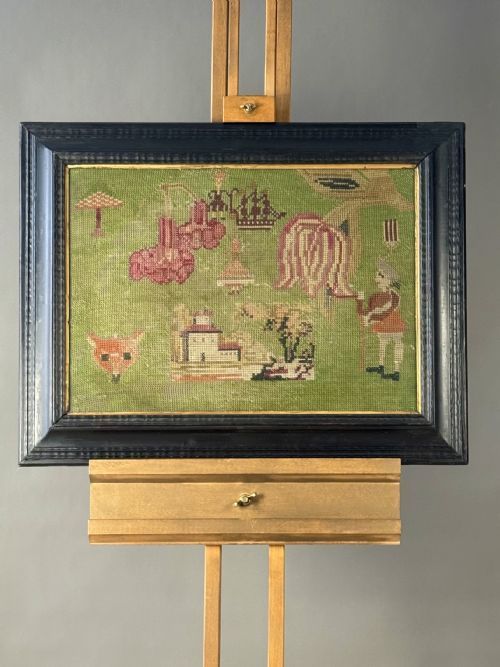
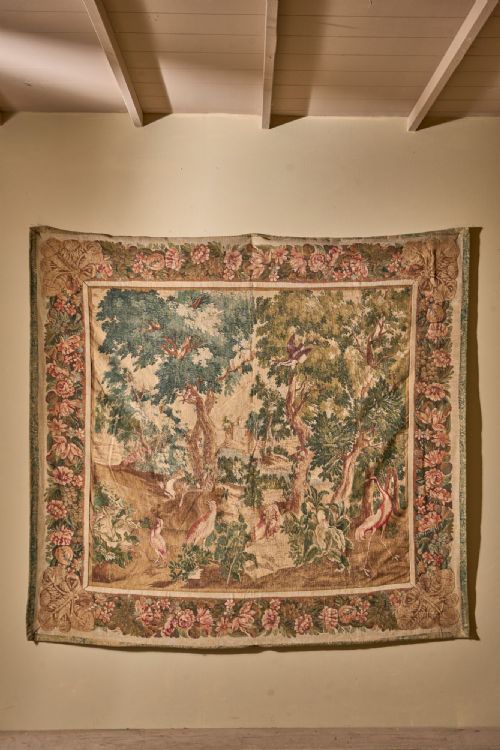
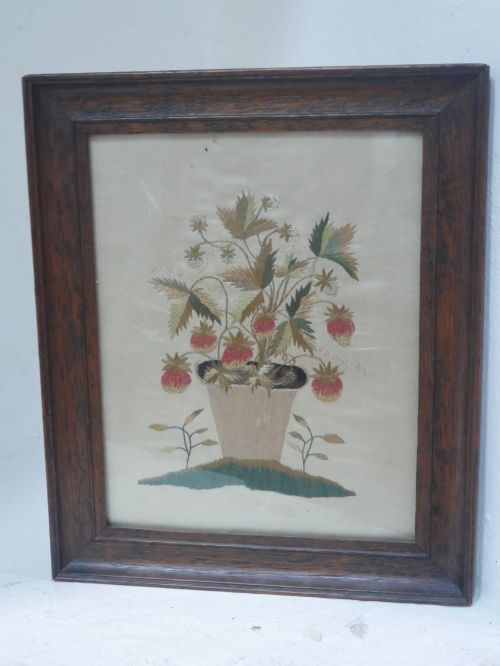
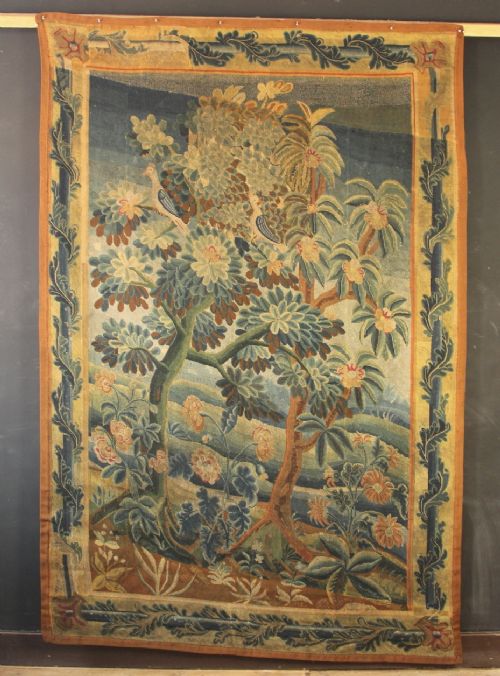
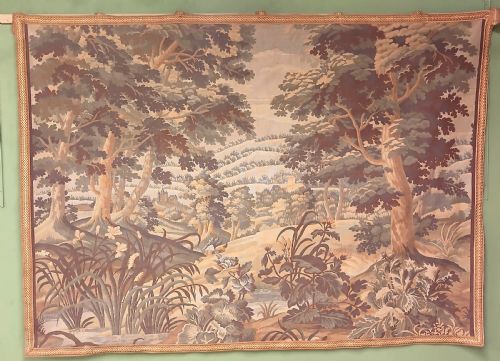
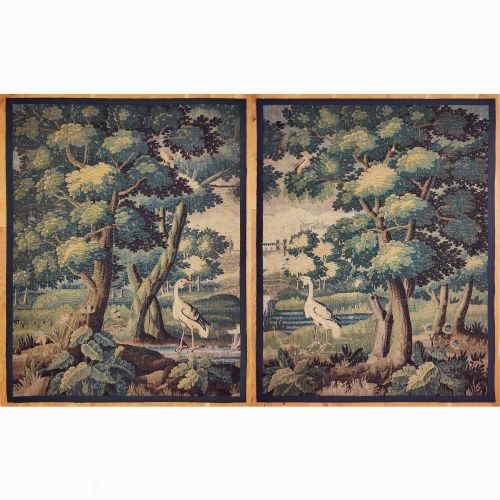
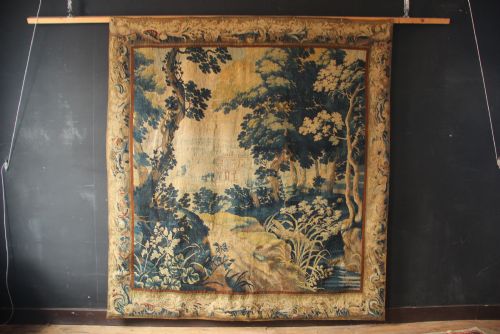
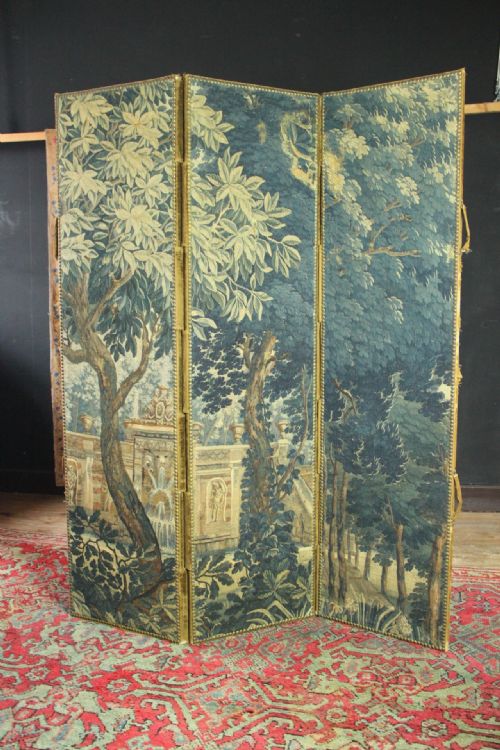
A green wool tapestry panel is a woven or embroidered textile featuring verdure landscapes, pastoral motifs, and foliage executed predominantly in wool. Buyers seeking this phrase encounter wall hangings, framed panels, and fragments originating from seventeenth-century Flemish workshops through to nineteenth-century French ateliers.
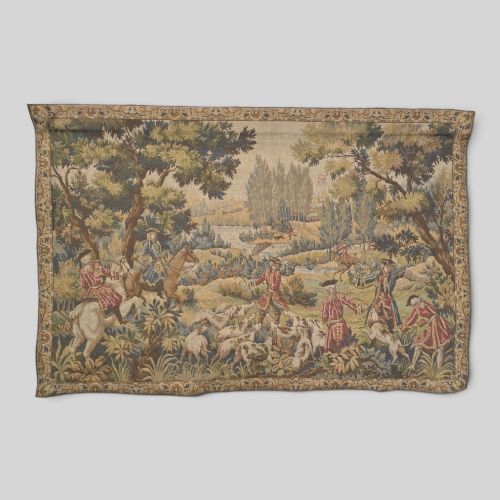
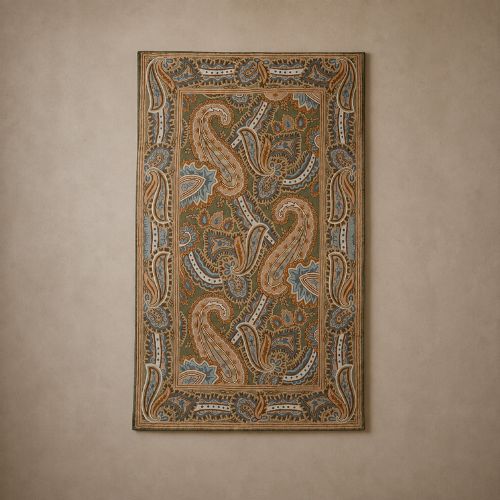
The selections span distinct periods, including seventeenth-century Flemish verdure designs, eighteenth-century French pastoral compositions, and late nineteenth-century decorative hangings. These pieces function primarily as wall art or large wall hangings, bringing historic textile art directly into modern interiors.
Many examples showcase dense foliage, verdant woodland scenes, and botanical details derived from traditional European weaving traditions. The presence of wool combined with silk, linen, or canvas creates a substantial textile surface suited for architectural display.
Materials and Construction Techniques
The primary material is wool, frequently paired with silk, linen, and cotton threads to introduce varied texture and tonal depth into the woven or embroidered surface. Canvases and timber supports often provide structural backing for framed or mounted wall panels.
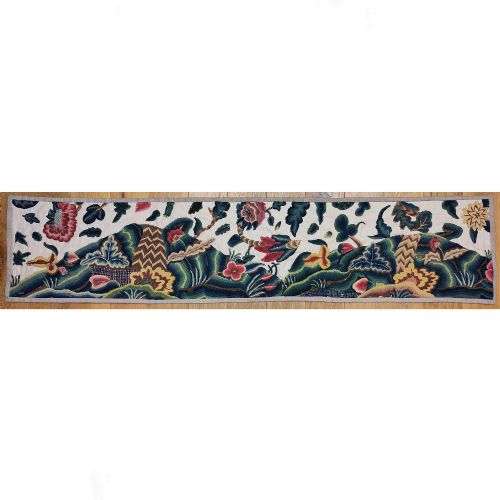
Techniques range from traditional warp-and-weft weaving on looms to detailed needlework, gros-point embroidery, and crewelwork. Artisans built complex verdure scenes by combining hand-stitched wool yarns with supplementary threads on sturdy linen or canvas foundations.
Little Red Riding Hood occasionally wanders into the foliage, sharing the wool landscape with traditional pastoral sheep.
Assessing Quality and Execution
Quality rests upon the density of the weave, the complexity of the botanical and landscape design, and the survival of the original wool and silk yarns. Finer panels exhibit intricate verdure detailing and sophisticated tonal gradations within the green palette.
The integrity of the textile foundation, whether woven tapestry or needlework embroidery, dictates the visual impact of the piece. Superior examples maintain structural stability across large formats while preserving the depth of historic dyes and pastoral imagery.
The Green Wool Tapestry Panel Glossary
- Verdure
- A tapestry style dominated by lush foliage, trees, and woodland plants. These scenes typically feature dense arrangements of green foliage and distant pastoral landscapes.
- Crewelwork
- A type of embroidery utilising wool yarn on a linen or cotton ground. This technique creates textured surface designs through various traditional stitching methods.
- Gros-point
- A coarse needlepoint stitch worked on canvas, commonly used in historic tapestry pictures and cushion covers for durability and bold texture.
- Flemish Baroque
- An artistic style originating in Flanders during the seventeenth century, characterised by dramatic movement, rich ornamentation, and grand verdure compositions.
- Fragment
- A surviving portion of a larger historic textile. These pieces are often mounted or framed as independent panels for display.
Green Wool Tapestry Panel: Frequently Asked Questions
How do I hang a heavy tapestry panel?
Large textile panels require even weight distribution across a sturdy wooden batten or hidden support system. Stitching a concealed hanging sleeve to the reverse protects the historic wool fibres from direct strain.
Avoid hanging tapestries in direct sunlight or damp environments to preserve the integrity of the wool and silk yarns.
What is a verdure tapestry?
A verdure tapestry depicts a stylised forest landscape filled with trees, leaves, foliage, and occasionally birds or animals. The dominant colour palette centres on greens, blues, and earthy tones.
These scenes were immensely popular in seventeenth and eighteenth-century European weaving centres to bring natural scenery indoors.
Can I tell the age from the materials?
The combination of hand-spun wool, silk highlights, and specific canvas or linen backings provides strong clues to a textile's age. Earlier pieces from the seventeenth and eighteenth centuries often display heavier hand-woven structures and natural dye variations.
Later nineteenth-century revivals utilise tighter mechanical weaves or distinct needlework styles that reflect the manufacturing methods of their era.