





Green Wooden Coffer
A green wooden coffer offers robust storage rooted in vernacular traditions, bringing characterful painted and carved surfaces into contemporary interiors.
Green Wooden Coffer
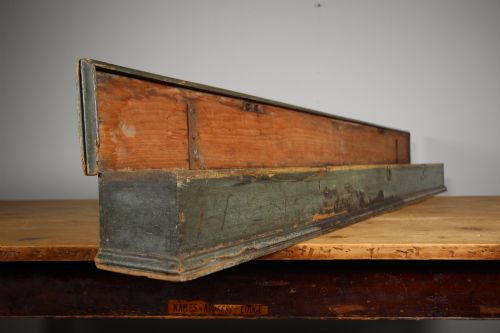
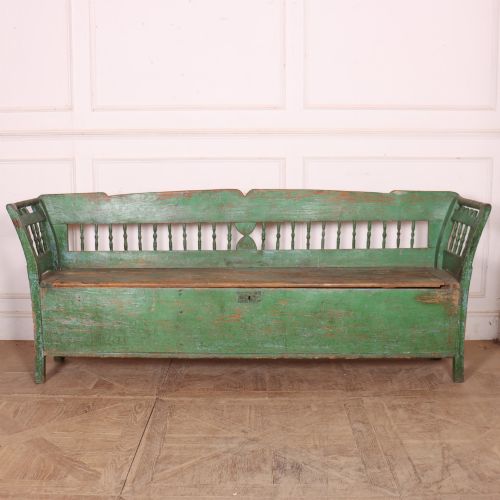
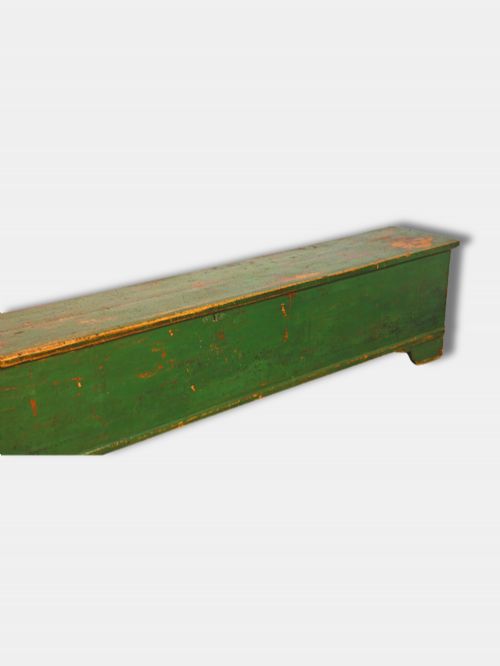
A green wooden coffer encompasses sturdy blanket boxes, marriage chests, and strong boxes originating from various European regions including Sweden, Austria, Holland, and Britain. These practical containers serve as storage chests or hall benches, spanning the eighteenth and nineteenth centuries.
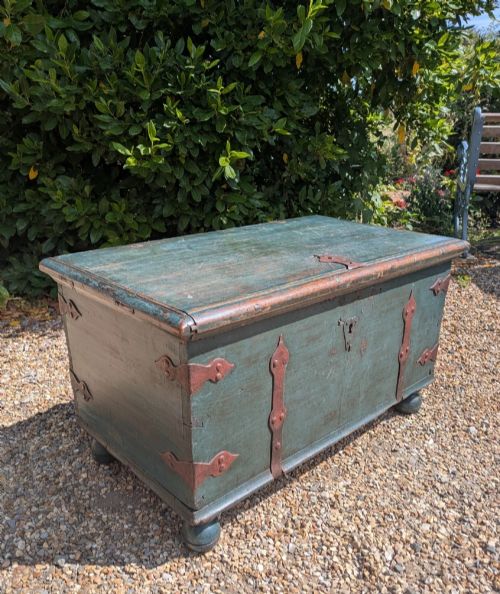
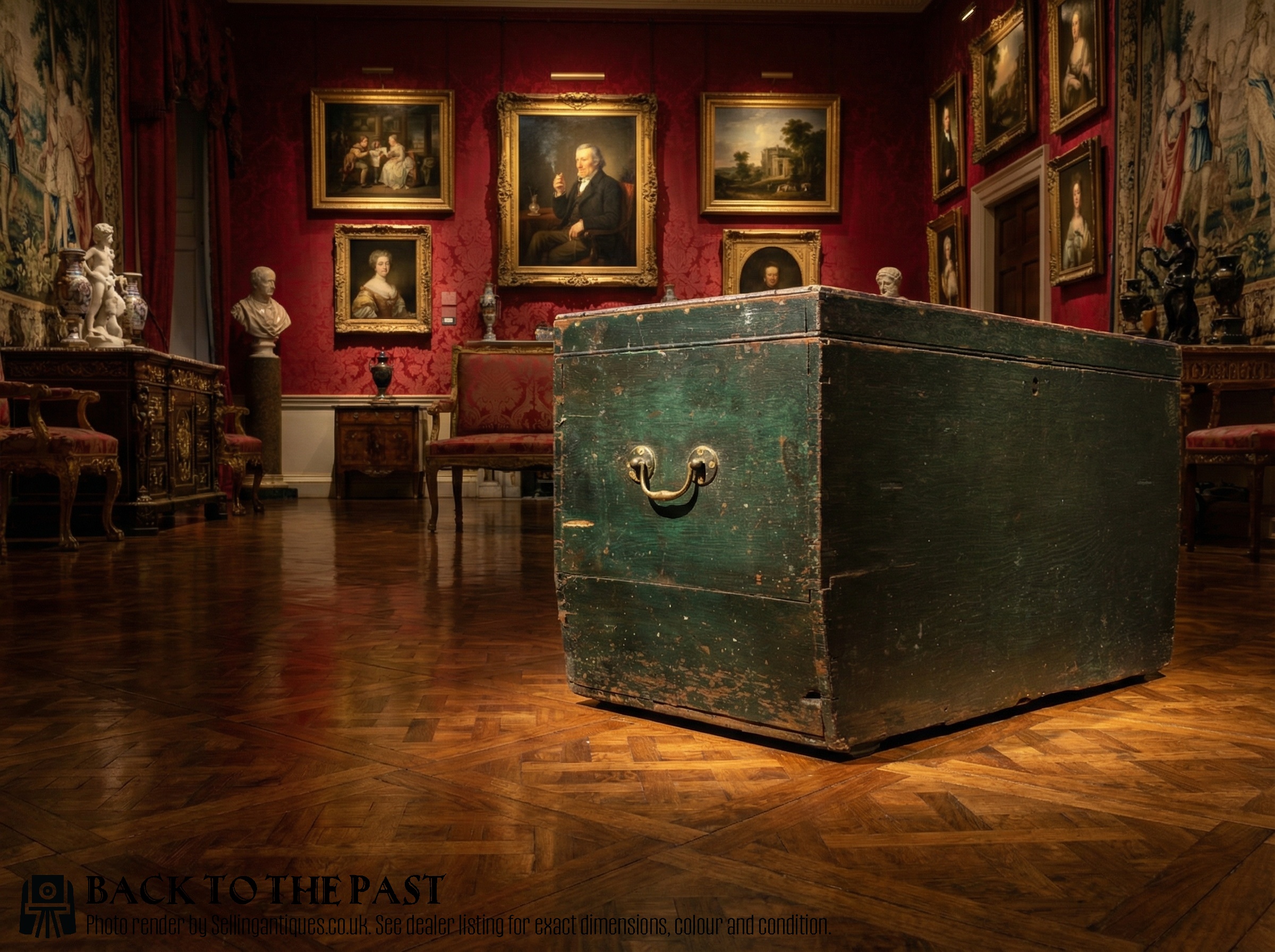
The most frequent examples encountered on this page are pine and oak storage chests finished in green paint, ranging from cottage-sized artisan boxes to large Dutch and Scandinavian domed marriage chests.
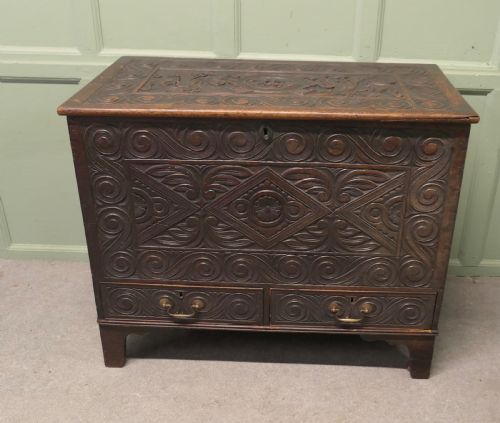
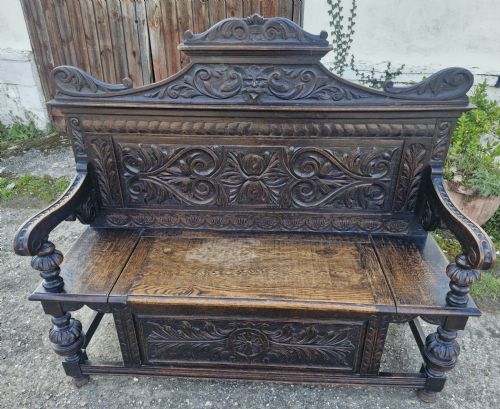
Makers utilised local timbers and regional styles, resulting in folk art decorations, carved green man motifs, and country benches designed for domestic utility.
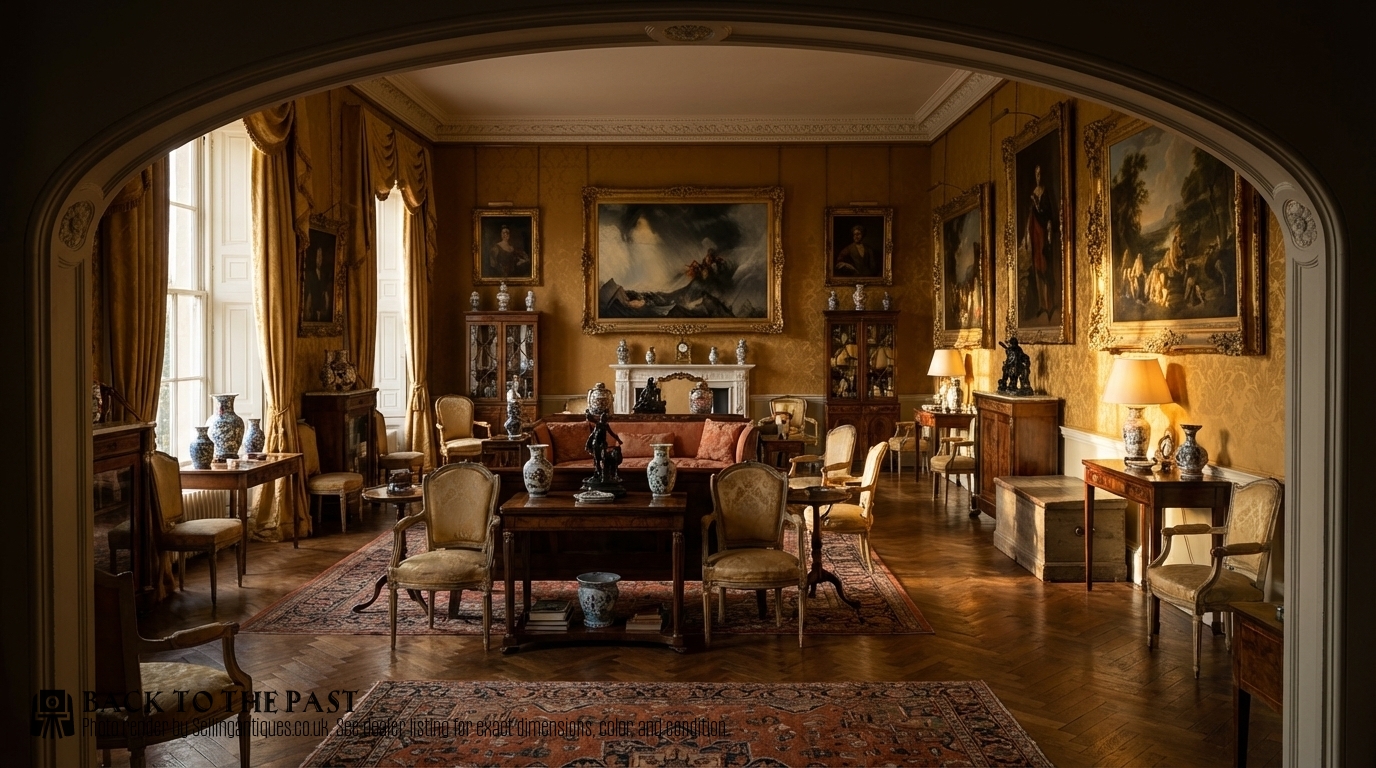
Materials and Construction
Makers constructed these pieces primarily from solid pine and oak, relying on durable timber capable of withstanding heavy daily use in domestic or military settings. Surfaces often retain original green paintwork that has aged naturally over centuries.
Iron and brass hardware provides structural reinforcement and security. Hand-forged iron strapwork, locks, and hinges secure the lids and corners of pine blanket boxes and strong boxes.
Green Wooden Coffer Retail Price Guide 2026
Typical asking prices for green wooden coffer among the pieces listed under this phrase on Sellingantiques today, from the lower quarter to the upper quarter. They describe what is for sale here now, not the wider market.
Listings feature pine and oak constructions spanning the eighteenth century through to the early twentieth century, incorporating folk art and rustic country styles.
Surface and Structure
The distinction between ordinary and exceptional examples rests upon the survival of original painted surfaces and patination. Traces of early folk art decoration, hand-forged strapwork, and untouched timber surfaces elevate a piece significantly.
Structural integrity and untouched original hardware determine the calibre of each box or chest. Well-preserved hinges, working locks, and solid joints without extensive timber replacement represent superior craftsmanship.
The Green Wooden Coffer Glossary
- Coffer
- A heavy wooden chest traditionally used for storing valuables or household goods. These containers typically feature hinged lids and robust construction.
- Mule chest
- A traditional storage chest featuring one or more drawers beneath the main compartment. They bridge the design gap between simple blanket boxes and full chests of drawers.
- Strapwork
- Ornamental bands of metal, often hand-forged iron, applied to the exterior of a chest to reinforce the corners and joints. This hardware adds both strength and visual decoration.
- Marriage chest
- A specially commissioned box created to celebrate a wedding, frequently inscribed with dates or initials and decorated with folk art painting. Families used these to hold household linens.
- Patination
- The surface alteration and mellowing of wood and paint caused by age, light, and handling. This natural wear creates a desirable sheen and depth of colour.
Green Wooden Coffer: Frequently Asked Questions
What is a green wooden coffer?
A green wooden coffer is a traditional storage box or chest constructed from timber and finished with green paint. These utility pieces include marriage chests, blanket boxes, and strong boxes from the eighteenth and nineteenth centuries.
Craftsmen across Europe built them for domestic storage, often incorporating hand-forged iron strapwork or regional folk art carving into the design.
How do I date a painted chest?
Dating relies upon examining the construction methods, timber species, and the ageing characteristics of the paint surface. Hand-cut nails, dovetail joints, and historic ironwork provide primary clues to the period of manufacture.
Regional styles and recorded dates on marriage chests or painted boxes also assist in narrowing down the decade or century of origin.
Where were these coffers made?
These pieces originate from workshops across Britain and continental Europe, including Sweden, Austria, Holland, and Romania. Regional vernacular traditions heavily influenced their form and decoration.
Local artisans utilised whatever timber was readily available, predominantly pine and oak, applying distinct local painting styles and ironwork techniques.
How were these chests used historically?
Households utilised these sturdy containers for storing valuable textiles, winter blankets, personal belongings, and household documents. Some larger examples doubled as seating benches in halls and farmhouses.
Military personnel also carried specialised trunks and campaign chests during active service to transport essential equipment and uniforms.
How do I care for antique painted wood?
Preserving painted surfaces requires maintaining stable indoor humidity and keeping the wood away from direct sunlight and heat sources. Gentle dusting with a dry, soft cloth prevents the accumulation of grime without harming historic finishes.
Avoid using modern chemical polishes or water on original paintwork, as moisture can lift fragile historic pigments from the timber substrate.