


Green Turkish Carpet
A green turkish carpet brings distinctive botanical tones and centuries of weaving tradition straight to your floors.
Green Turkish Carpet
A green turkish carpet encompasses woven floor coverings originating from Anatolian weaving centres, featuring verdant fields alongside traditional regional motifs. When exploring this selection, a buyer encounters everything from grand Ushak carpets to geometric village runners and intimate prayer rugs.
The objects span production dates from the eighteenth century through to the early twentieth century, incorporating village pieces and larger formal formats. Most examples appearing here showcase regional town designations such as Oushak, Konya, Ghiordes, and Kirsehir.
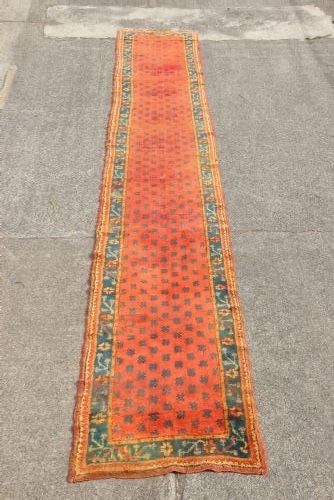
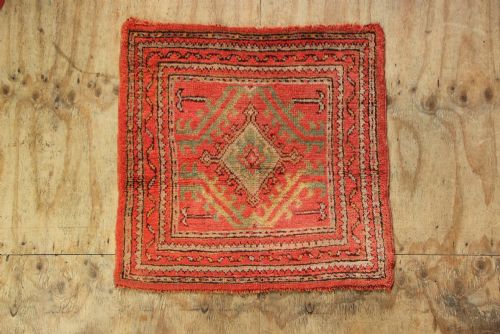
Makers utilised various formats ranging from square dimensions to long narrow runners and large area rugs. The green palette manifests as everything from pale pistachio grounds to deep botanical fields framed by intricate borders.
Materials and construction methods
Weavers constructed these textiles primarily using wool foundations and pile, frequently incorporating cotton for structural warp and weft threads. Certain finer pieces utilise angora wool to impart a distinct lustre to the surface pile.
Traditional dyeing techniques yielded enduring pigments for the characteristic green grounds, paired with secondary hues across geometric and floral patterns. Artisans knotted the pile by hand onto sturdy vertical looms, resulting in dense structures designed for generational durability.
Village weavers occasionally inserted subtle botanical irregularities into green fields, ensuring no two prayer rugs share an identical garden.
Assessing quality in antique weaving
Quality rests upon the fineness of the knotting, the structural integrity of the foundation, and the clarity of the design layout. Superior examples display masterful handling of the green ground colour, whether through subtle abrash or rich, saturated tonality.
The distinction between top tier pieces and simpler village work depends on the precision of the drawing and the quality of the wool utilised. Finer angora or soft wool piles combined with scarce green fields elevate specific carpets above standard utilitarian village production.
The Green Turkish Carpet Glossary
- Ushak
- A major carpet-producing town in western Turkey known for large-scale floral designs and lustrous wool. Ushak carpets often feature expansive open fields in distinctive colours.
- Prayer rug
- A small rug featuring a mihrab design or niche motif indicating the direction of prayer. These pieces were traditionally used for personal devotion.
- Kilim
- A flat-woven carpet produced without a pile, relying on interlocking warp and weft threads. Kilims offer crisp geometric patterns and a flat texture.
- Abrash
- Natural tonal variation within a single colour field resulting from changes in dye batches or hand-spun wool. This subtle shading adds depth to antique carpets.
- Mihrab
- The arched niche design found predominantly on prayer rugs, representing the direction toward Mecca. It forms the central focal point of the composition.
Green Turkish Carpet: Frequently Asked Questions
How do I clean a green turkish carpet?
Professional specialist cleaning is essential for antique knotted textiles to prevent dye migration and fibre damage. Regular gentle vacuuming without a rotating brush bar helps remove surface dust.
Avoid home chemical treatments or soaking wool carpets in water. Proper maintenance preserves the structural integrity of the cotton and wool foundations.
Where were these carpets made?
These textiles originate from various regions across Anatolia, including towns like Ushak, Ghiordes, Konya, Kayseri, and Kirsehir. Each weaving centre developed distinct regional patterns and colour palettes.
Village workshops and urban manufactories both contributed to the diverse styles found within this tradition.
How do I date an antique carpet?
Dating relies on stylistic analysis, structural characteristics, dye types, and regional attribution evidence. Comparing knot density and design motifs against known historical examples helps narrow the period.
Most pieces span the nineteenth and early twentieth centuries, with occasional eighteenth-century examples appearing.