

Green Stone Carving
Green stone carving encompasses centuries of lapidary work, from Chinese jade animals to Italian Grand Tour marbles, prized for their mineral depth.
Green Stone Carving
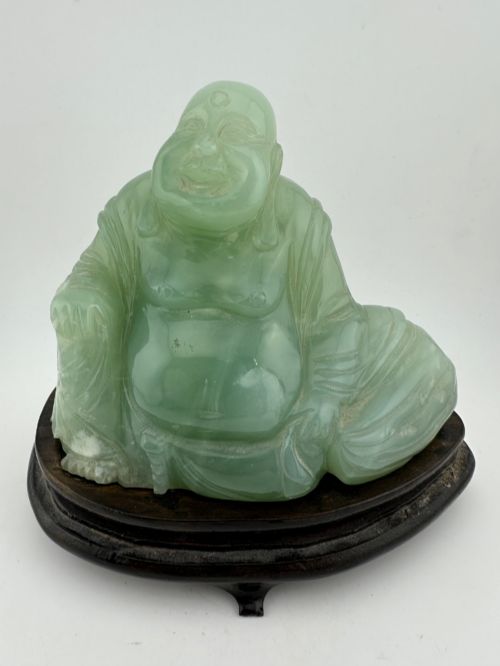
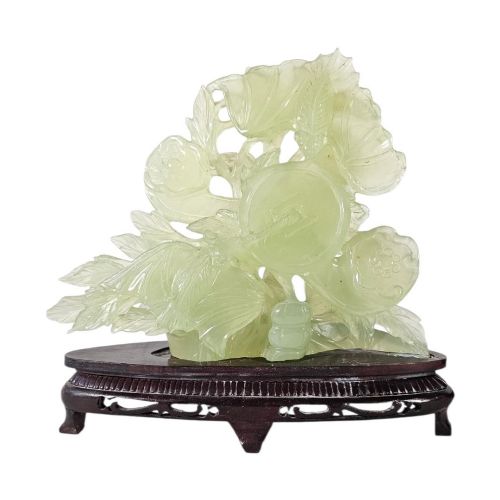
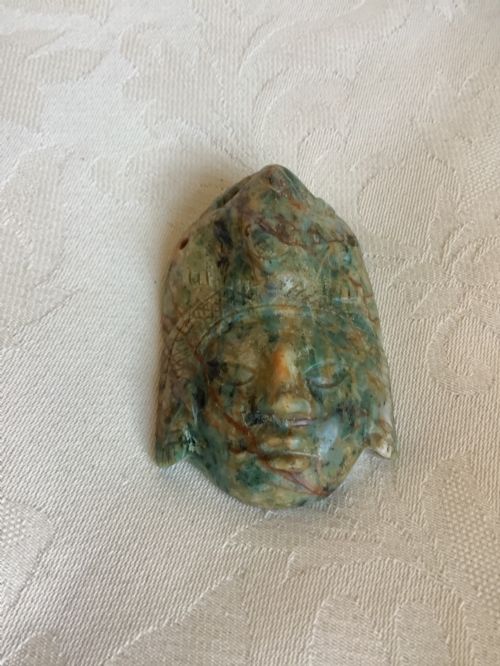
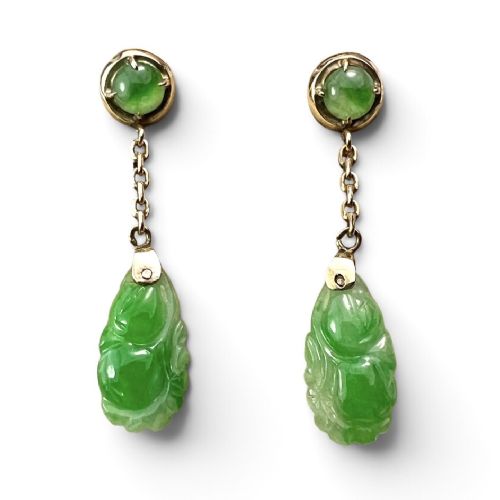
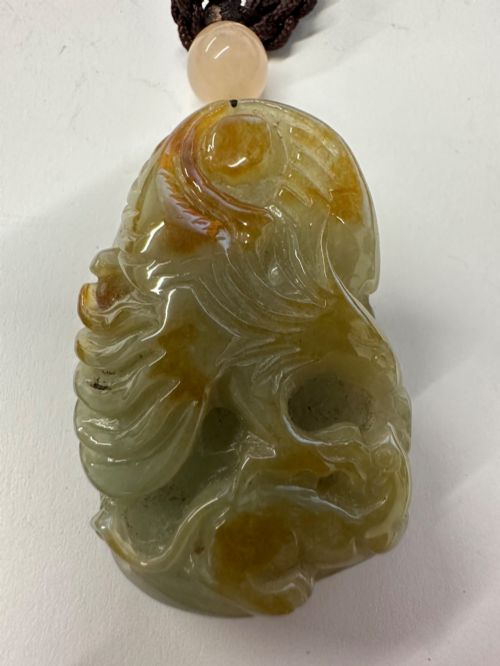
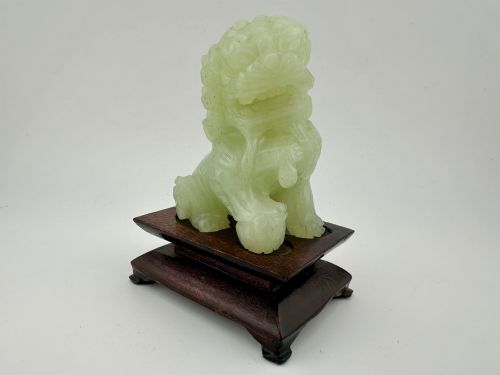
A green stone carving brings together items shaped from minerals such as jade, jadeite, serpentine, soapstone, and marble. When you examine a green stone carving, you encounter forms ranging from Chinese guardian lions and brush washers to Grand Tour animal models and architectural columns.
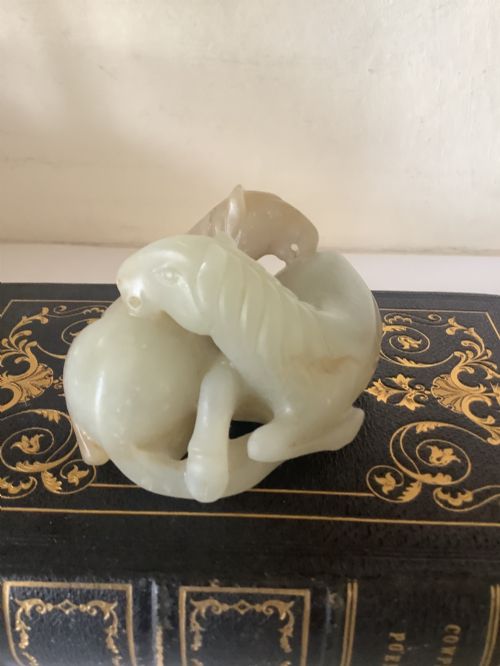
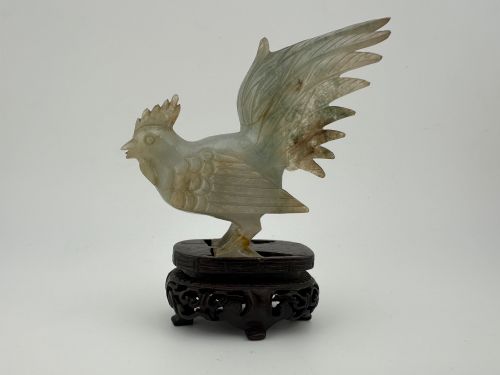
The objects span periods from the eighteenth century through the Art Deco era and the mid-twentieth century. Chinese carvings frequently depict birds, horses, and figures on hardwood stands, whilst European examples include serpentine architectural models and marble busts.
How they were made
Artisans shaped these pieces using abrasive cutting and hand-polishing techniques suited to the specific hardness of each mineral. Jade and jadeite required prolonged abrasive grinding, whereas soapstone and serpentine permitted more direct incision and turning on a lathe.
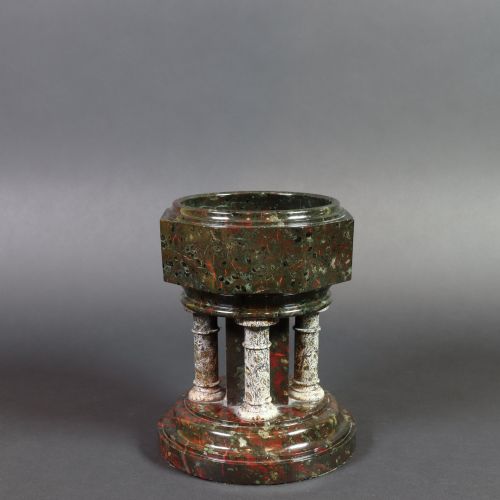
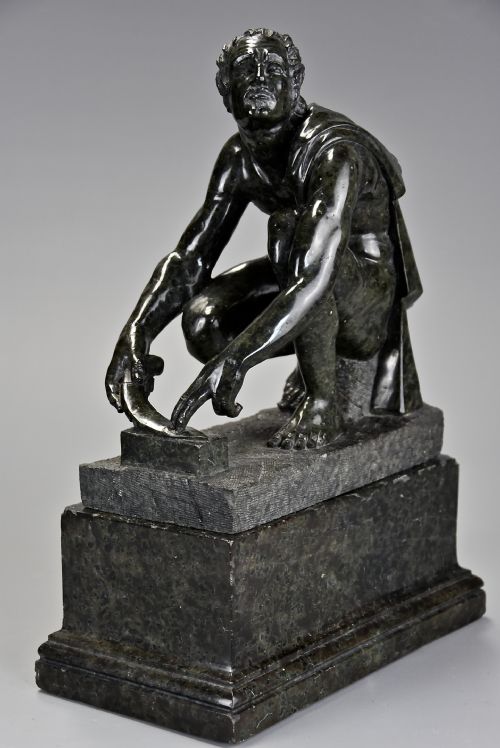
Many Chinese items combine the carved stone with fitted hardwood stands, and European Grand Tour models utilise contrasting marbles like verdo prato or verde antico to form integral socles and bases.
Green Stone Carving Retail Price Guide 2026
Typical asking prices for green stone carving among the pieces listed under this phrase on Sellingantiques today, from the lower quarter to the upper quarter. They describe what is for sale here now, not the wider market.
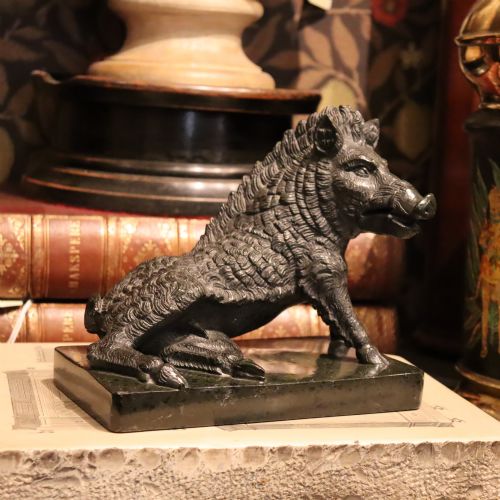
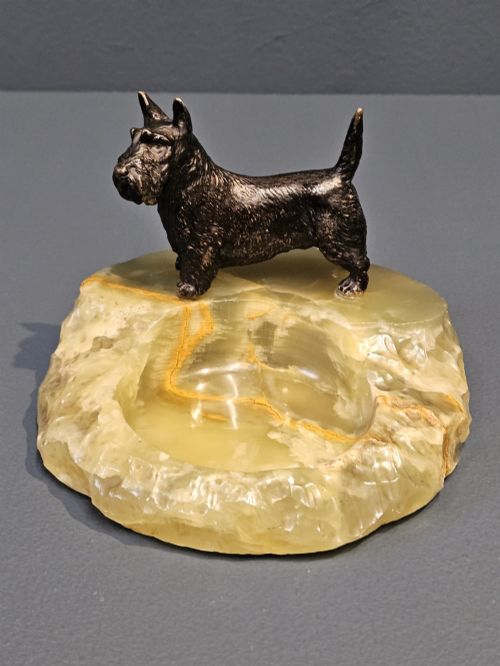
Several stone animals wait patiently on this page, including a Florentine boar, a Scottie dog, and a collection of cheeky monkeys.
What varies in quality
The refinement of the cutter's hand determines the success of a piece, visible in the anatomical definition of animal figures and the crispness of archaistic details. Natural inclusions and colour variations within the stone also dictate the visual impact of the carving.
In Chinese works, the integration of the natural russet skin of the boulder into the subject matter demonstrates lapidary skill. In European works, the fidelity to antique models and the quality of the marble veining separate standard items from superior examples.
The Green Stone Carving Glossary
- Jadeite
- A pyroxene mineral that forms dense, translucent green material used for intricate carvings and jewellery.
- Serpentine
- A group of green hydrous magnesium silicate minerals often polished to resemble jade in decorative objects.
- Soapstone
- A talc-schist mineral easily carved into detailed scholar's desk groups and figural sculptures due to its softness.
- Grand Tour
- A nineteenth-century tradition where travellers collected Italian marble and serpentine copies of classical antiquities.
- Archaistic
- A style that consciously emulates the decorative motifs and forms of ancient dynasties.
Green Stone Carving: Frequently Asked Questions
How do I care for a green stone carving?
Dust the surface regularly with a soft, dry cloth to prevent accumulation in recessed carved areas. Avoid liquid cleaners and harsh chemicals, particularly on softer minerals like soapstone and serpentine.
Keep pieces away from direct sunlight and dramatic temperature fluctuations to protect natural mineral structures and fitted wooden stands.
What is the difference between jade and jadeite?
Jade is a term encompassing two distinct minerals: nephrite and jadeite. Nephrite is typically tougher with a slightly greasy lustre.
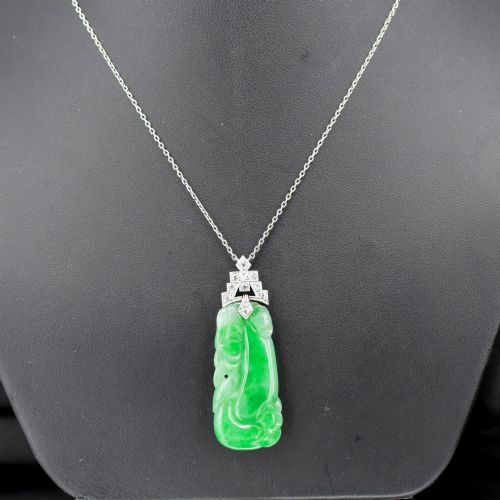
Jadeite often displays greater translucency and brighter emerald hues, frequently utilised in twentieth-century jewellery and pendants.
How do I identify a Grand Tour marble?
Grand Tour carvings are nineteenth-century European desk objects and figures modelled after classical antiquities. They frequently utilise Italian marbles such as verde antico or statuary marble.
Many of these pieces rest upon dedicated marble socles or architectural columns reflecting archaeological discoveries of the period.
Are Chinese stone carvings always jade?
Chinese carvings utilise a variety of green stones beyond jade, including soapstone, bowenite serpentine, and general hardstone. Soapstone items often take the form of brush washers and monkey groups.
Examination of the surface lustre, weight, and hardness helps differentiate soapstone and serpentine from true nephrite or jadeite.