



Green Porcelain Vase
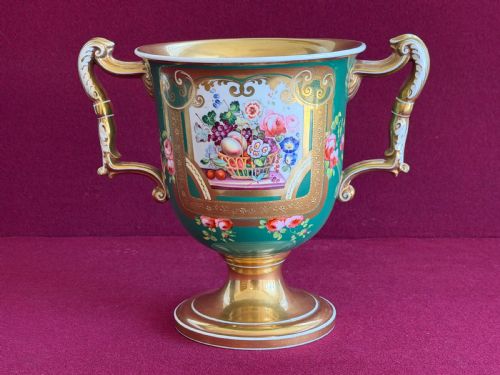
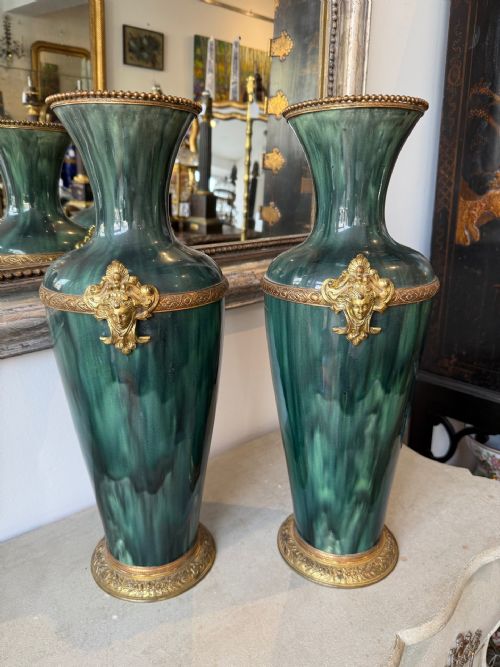
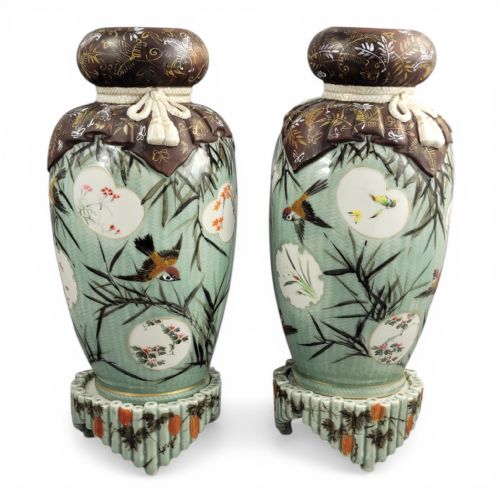
Green porcelain vase describes vessels finished in rich green glazes and enamels, offering both decorative presence and historical depth for interiors.
Green Porcelain Vase
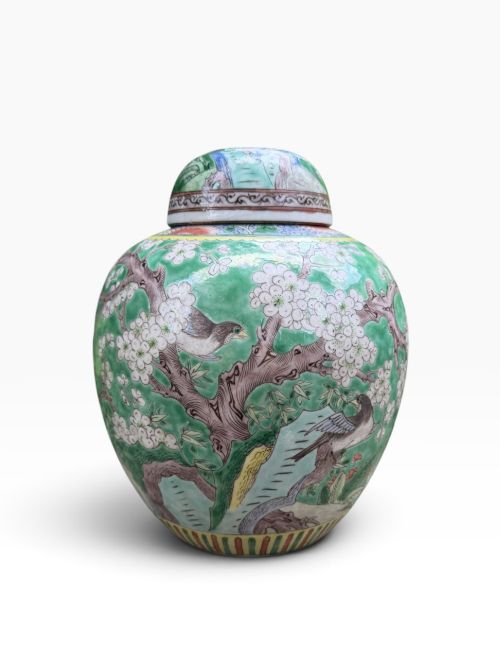
A green porcelain vase brings together centuries of ceramic tradition, spanning Chinese dynasties, nineteenth-century European factories, and early twentieth-century design movements. Buyers searching this phrase encounter everything from celadon-glazed bottles and tea dust jars to elaborately painted famille verte pieces and converted table lamps.
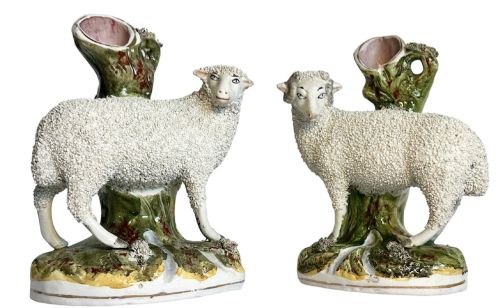
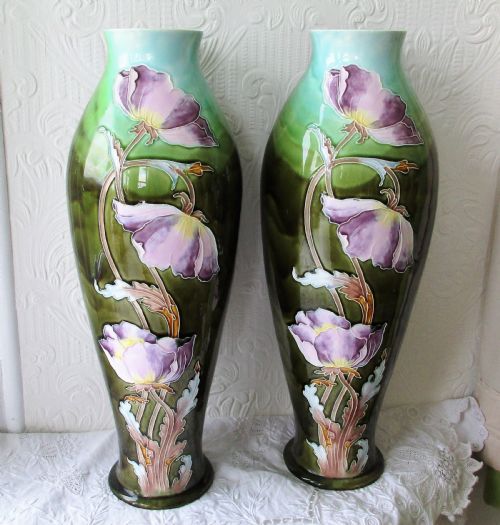
The most common examples on this page date from the nineteenth century, reflecting global trade, historic revival styles, and domestic production in England, France, and Central Europe. These vessels range from diminutive spill vases and miniature cabinet pieces to monumental balusters and pairs suited for prominent display.
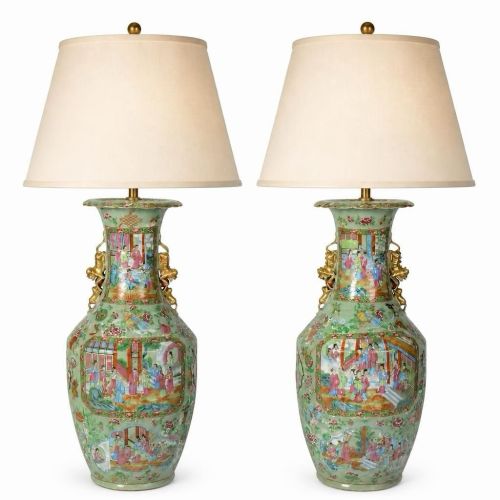
Form and function intertwine closely within this category, as many antique porcelain bodies were adapted in later decades to serve as wired lamp bases while retaining their original ceramic character. Collectors also find ginger jars, lidded urns, and globular vessels that showcase the enduring appeal of green ceramic finishes.
Materials and construction techniques
The foundation of these pieces relies on fine-grained ceramic bodies, primarily hard-paste and soft-paste porcelain alongside earthenware and faience, shaped by throwing on the wheel or pressing into moulds. Potters achieved green coloration through metallic oxides incorporated directly into the glaze, such as iron in celadon wares or copper in vibrant monochromatic and mottled treatments.
Decoration often involved underglaze pigments and overglaze enamel painting, sometimes augmented by hand-applied gold leaf, gilt bronze mounts, or intricate pâte-sur-pâte relief work. Firing temperatures determined the vitreous density of the paste and the permanence of the surface enamels, resulting in durable vessels with varied surface sheens.
Green Porcelain Vase Retail Price Guide 2026
Typical asking prices for green porcelain vase among the pieces listed under this phrase on Sellingantiques today, from the lower quarter to the upper quarter. They describe what is for sale here now, not the wider market.
Objects range from functional ginger jars and spill vases to decorative table lamps mounted with ormolu and brass.
Factors determining quality
Quality rests upon the precision of the potting, the depth and consistency of the glaze, and the clarity of any hand-painted or enamelled details. Superior examples display controlled firing without surface distortion, sharp definition in moulded or carved motifs, and harmonious balance between the vessel form and its decorative scheme.
Provenance and factory attribution elevate certain pieces, particularly those bearing recognised historical marks or originating from esteemed European and Asian kilns. The preservation of original mounts, covers, and untreated ceramic surfaces also distinguishes exceptional survivors from heavily altered or later-adapted items.
H & R Daniel·Makuzu Kozan·Kato Sanhei·Minton·Flight Barr & Barr·Royal Winton·Royal Dux Bohemia·Alexandra Porcelain Works Ernst Wahliss
The Green Porcelain Vase Glossary
- Celadon
- A transparent pale green glaze over a porcelain body, often exhibiting subtle crackle lines or carved underglaze decoration. This traditional finish originated in ancient kilns and prized for its jade-like appearance.
- Famille Verte
- A Chinese porcelain palette dominated by green enamels, introduced during the Qing dynasty and revived in later centuries. It relies on a translucent green combined with iron red, yellow, and blue.
- Spill vase
- A slender vessel traditionally kept on mantelpieces to hold thin wooden spills used for lighting candles and fires. These functional items became popular decorative ceramics in nineteenth-century homes.
- Ormolu
- Gilded bronze mounts applied to the bases, rims, or handles of ceramic vessels. This French decorative technique added architectural weight and luxury to porcelain display pieces.
- Tea dust glaze
- A speckled, micro-crystalline green and brown glaze resembling fine tea powder, characteristic of advanced Qing dynasty imperial kilns. It creates a textured, metallic sheen across the ceramic surface.
Green Porcelain Vase: Frequently Asked Questions
How do I date a green porcelain vase?
Dating relies on examining the potting technique, glaze characteristics, base marks, and stylistic influences recorded in the piece. Historical periods like the Qing dynasty or the nineteenth century often exhibit distinct palette choices and paste densities.
Secondary elements such as gilt bronze mounts, wiring conversions, and factory stamps help narrow the production window further when integrated carefully with stylistic comparisons.
Were these vases originally made as lamps?
Many antique porcelain vessels served entirely as decorative objects, urns, or storage jars before being professionally converted into table lamps in the twentieth century. This adaptation preserved the decorative ceramic body while updating its utility for modern interiors.
Unconverted vases remain highly sought after by purists, while lamp conversions offer a practical way to incorporate historic ceramics into lighting schemes.
What is the difference between celadon and famille verte?
Celadon refers specifically to a monochromatic, jade-like green glaze applied over a carved or plain porcelain body, prioritising subtle tone and texture. Famille verte involves polychrome enamel painting where green predominates alongside other colours like iron red and yellow.
Both styles emerged from historic Chinese ceramic traditions but create entirely different visual effects in a room.
How should I clean an antique porcelain vase?
Gentle dusting with a soft, dry cloth is usually sufficient for maintaining glazed ceramic surfaces and painted enamel details. Avoid harsh chemical cleaners, abrasive scrubbers, or submerging pieces with exposed metal mounts or historic paper labels.
If deeper cleaning is necessary, use a damp cloth with mild soap and dry thoroughly immediately afterward.