

Green Painted Furniture
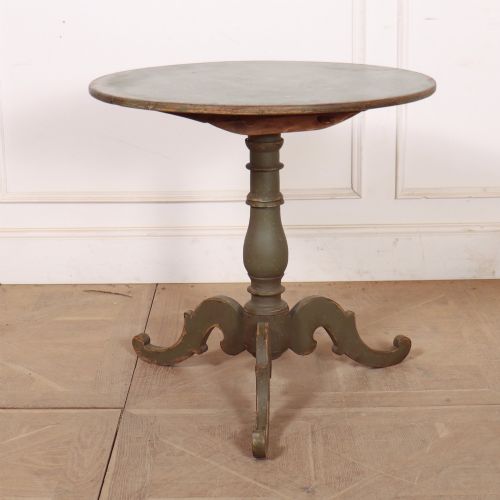
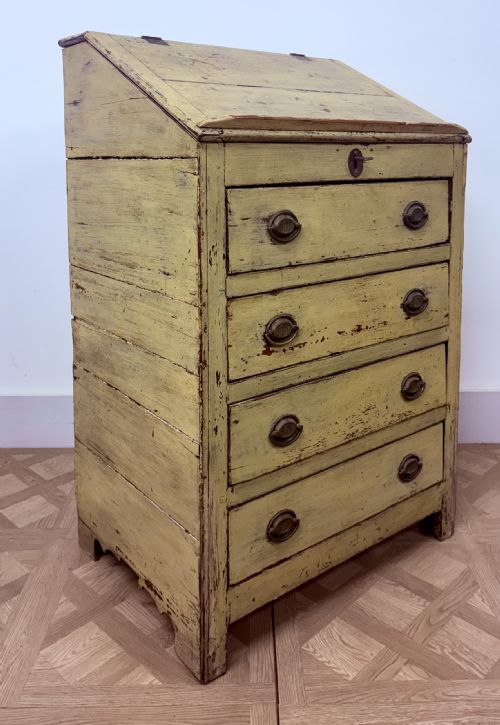
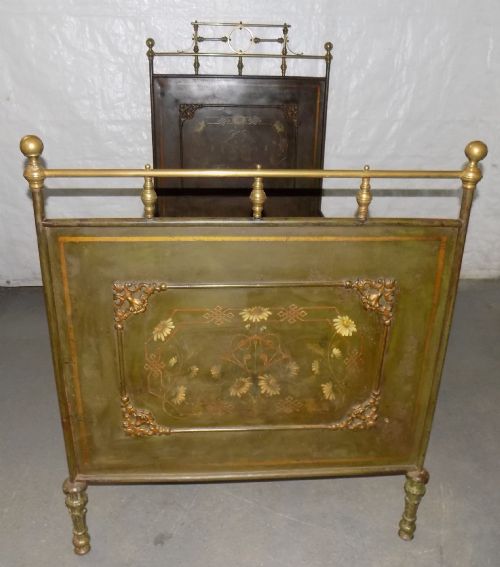
Green painted furniture brings character to a room through painted wood surfaces shaped across eighteenth and nineteenth century European provinces.
Green Painted Furniture
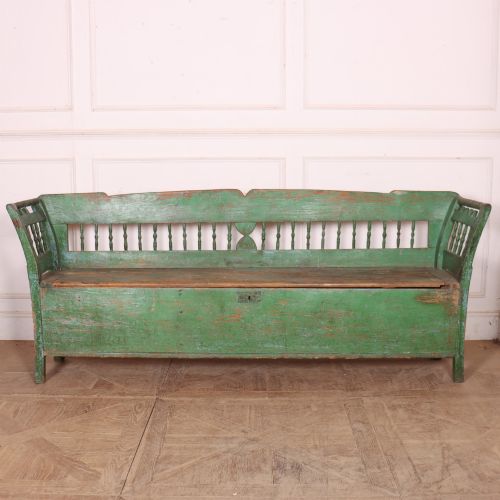
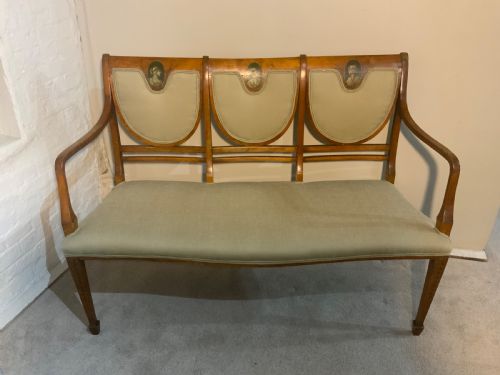
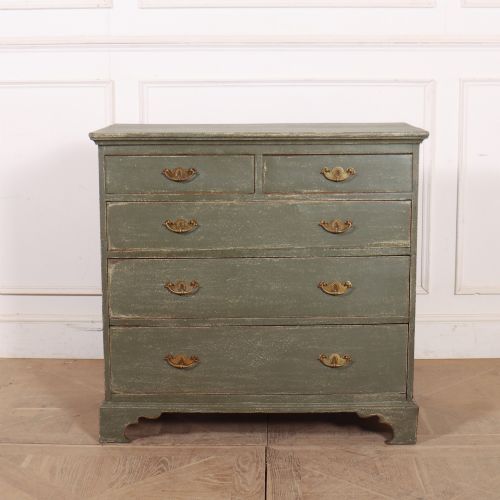
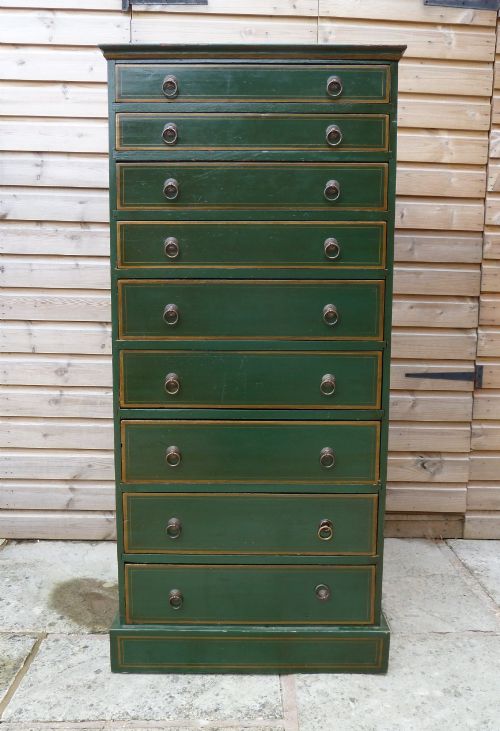
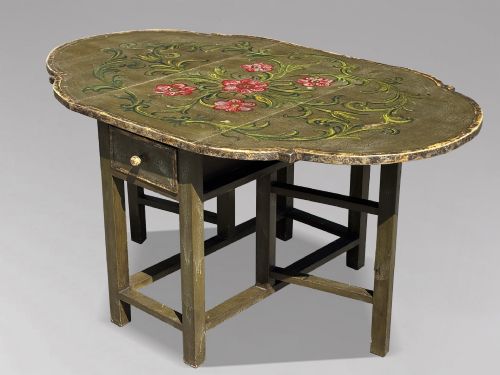
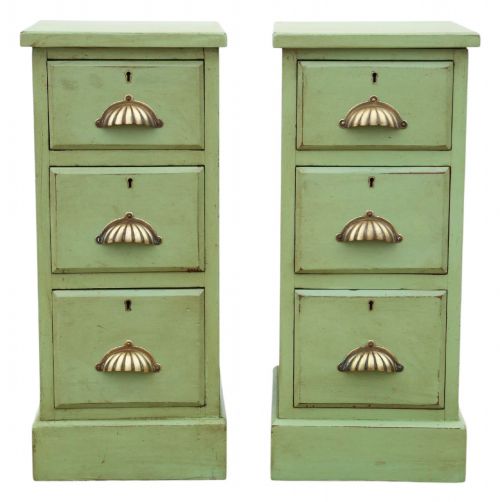
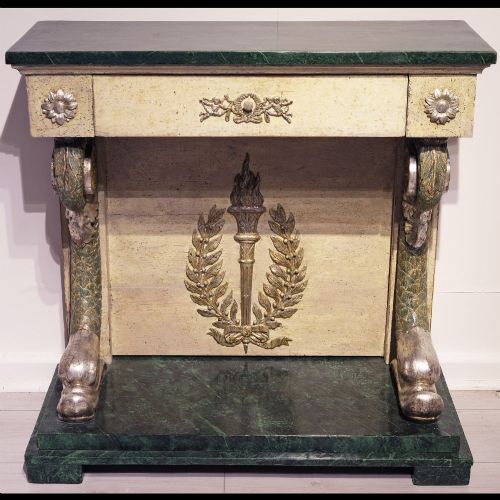
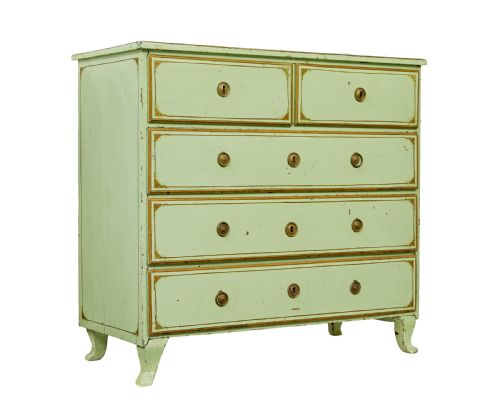
Green painted furniture encompasses items finished in surface pigment, spanning storage and seating forms like chests of drawers, bedside tables, benches and commodes. Buyers searching for green painted furniture encounter pieces originating from English, Scandinavian, Austrian, Italian and French workshops. The selection leans heavily toward nineteenth century examples alongside pieces dating from the eighteenth century, Georgian and Regency periods.
Country and provincial styles dominate the selection, including Gustavian, Folk Art, Scandinavian Country and Dutch Provincial aesthetics. Pine forms the primary structural material alongside painted wood, birch, oak and satin wood. Buyers frequently discover utilitarian items such as milking stools, office chests and farmhouse dressers alongside refined commodes and console tables.
Materials and construction methods
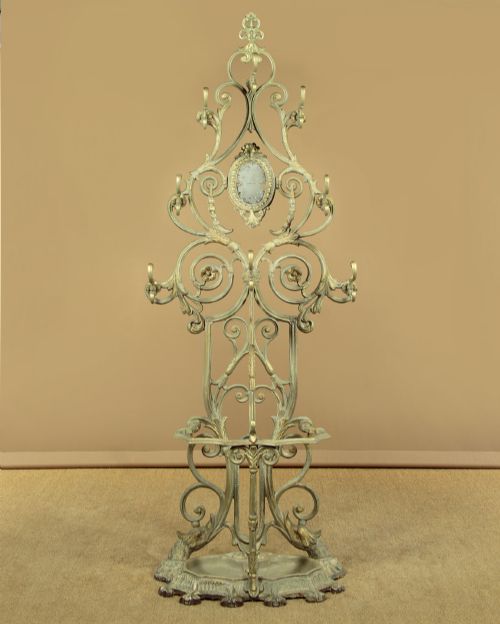
Makers utilised native softwoods and hardwoods, predominantly pine, birch and oak, constructing carcasses with pegged joints, dovetails and panelled techniques. Iron and cast iron appear in structural or decorative elements such as garden urns and hall stands, while brass accents furnish handles and drawer pulls.
Surfaces received layers of oil or water-based paint, sometimes applied over earlier finishes or renewed in later decades. Craftspeople shaped serpentine fronts, fluted drawer fronts and bombe profiles using hand tools before applying polychrome decoration or simple monochrome coats.
Green Painted Furniture Retail Price Guide 2026
Typical asking prices for green painted furniture among the pieces listed under this phrase on Sellingantiques today, from the lower quarter to the upper quarter. They describe what is for sale here now, not the wider market.
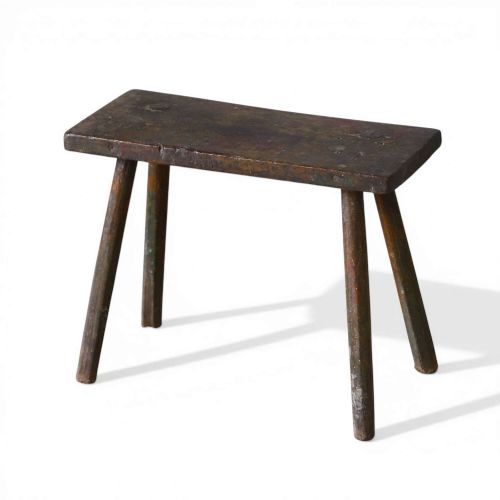
An Eastern European milking stool carries traces of stubborn green paint that survived countless barnyard mornings.
Judging the quality of painted pieces
Quality rests in the integrity of the original surface and the proportion of the timber framework. Pieces retaining genuine early paint layers display organic wear and craquelure that distinguish them from later decorative overhauls.
Joinery execution dictates durability, with hand-cut dovetails and solid timber backs marking superior cabinet work. The harmony between the painted finish and the regional form determines whether a piece holds authentic provincial charm.
Heals Art Deco
The Green Painted Furniture Glossary
- Gustavian
- The Swedish interpretation of French neoclassical design, characterised by restrained carving, fluted columns and pale painted finishes.
- Bombe
- A swelling, convex furniture shape curving outward toward the base, commonly seen on eighteenth and nineteenth century commodes.
- Toleware
- Metal objects, typically iron or steel, coated in tin and finished with painted or lacquered decoration.
- Settle
- A wooden bench featuring high backs, solid arms and often a box seat compartment beneath the hinged lid.
Green Painted Furniture: Frequently Asked Questions
How do I clean green painted furniture?
Dust surfaces gently using a soft, dry cloth to prevent abrasion to the historic pigment layers. Avoid modern chemical solvents or excessive water that might lift or soften the original paint.
Wax can be applied sparingly if the surface is unsealed timber or stable oil paint, but test a hidden area first. Maintaining a stable indoor humidity prevents wood movement and subsequent flaking of the painted decoration.
Are these pieces in original paint?
Many items retain their early or original paint surfaces, showing natural patina developed through decades of domestic use. Other pieces have undergone later decoration or re-painting during their working lives.
Close inspection under natural light reveals underlying brush marks, wear patterns and layer accumulation that indicate age. Examining edges and interior surfaces helps determine whether the green paint matches the period of construction.
Where were these painted pieces made?
The inventory originates from across Europe, with strong representation from Swedish, Austrian, Italian, French and English regional workshops. Provincial makers produced utilitarian forms tailored to local domestic needs using accessible regional timbers.
Stylistic markers such as Gustavian fluting point to Sweden, while serpentine fronts and polychrome details frequently indicate Italian Venetian origin. English country pieces tend to utilise pine and display simpler, functional lines suited to farmhouse interiors.
How do I fit painted furniture into a modern interior?
Green painted items provide a strong focal point that contrasts effectively with neutral walls and contemporary architectural spaces. Pieces like bedside tables, small chests and benches introduce organic texture and colour without dominating a room.
Pairing provincial pine or rustic cupboards with minimalist surroundings highlights the craftsmanship and age of the woodwork. The varied shades of green, from muted sage to deep forest tones, complement natural materials like stone, leather and unpainted timber.