




Green Mounted Framed Art
Green mounted framed art brings together centuries of painted, printed and worked wall pieces held within protective surrounds.
Green Mounted Framed Art
Green mounted framed art encompasses a diverse selection of wall art, paintings, prints, and textile pieces united by their presentation and framing. The items span multiple eras, including the seventeenth, eighteenth, and nineteenth centuries, alongside twentieth-century examples such as mid-century modern and post-impressionist works.
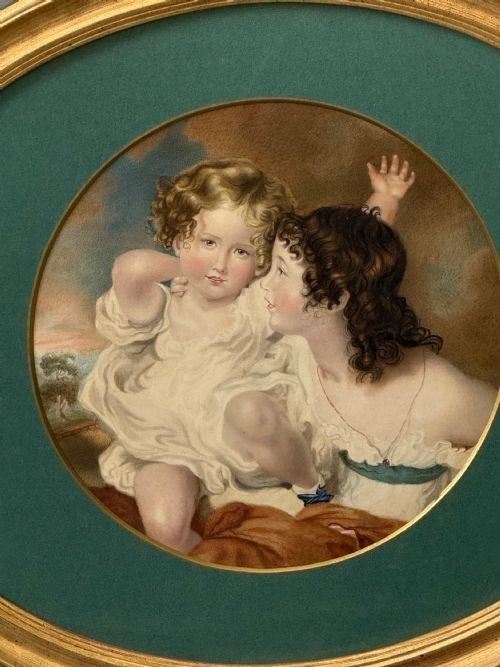
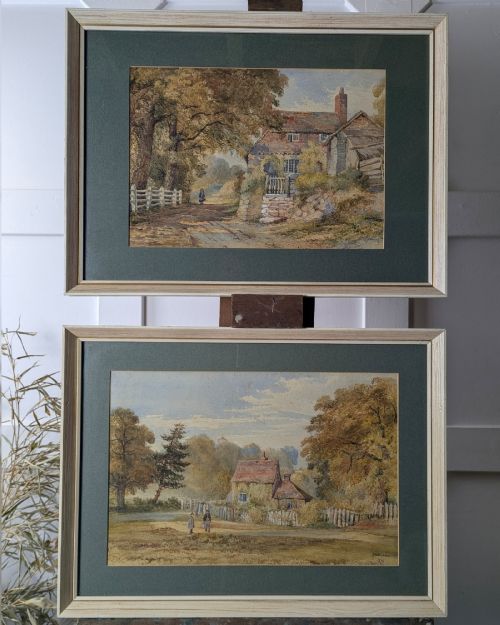
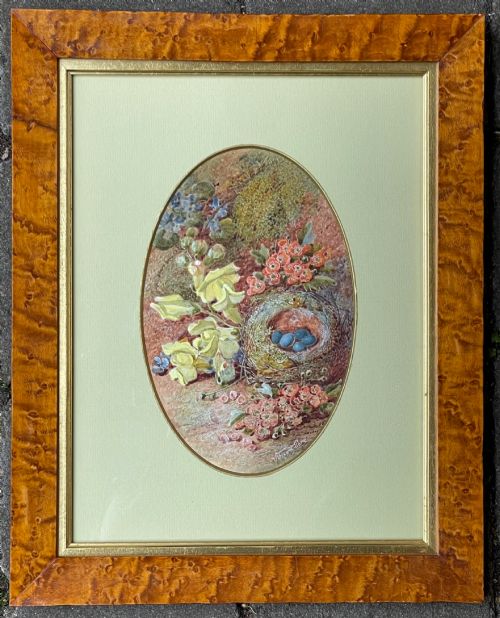
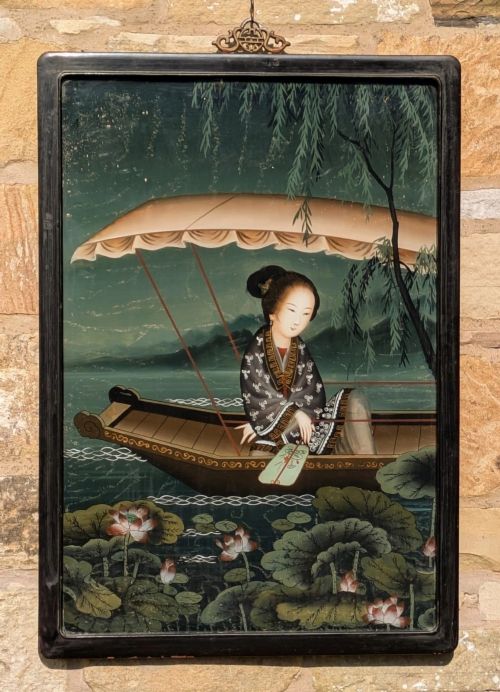
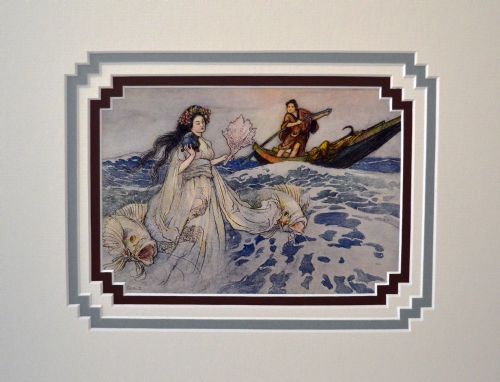
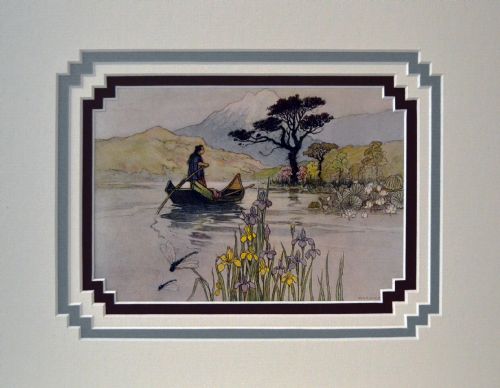
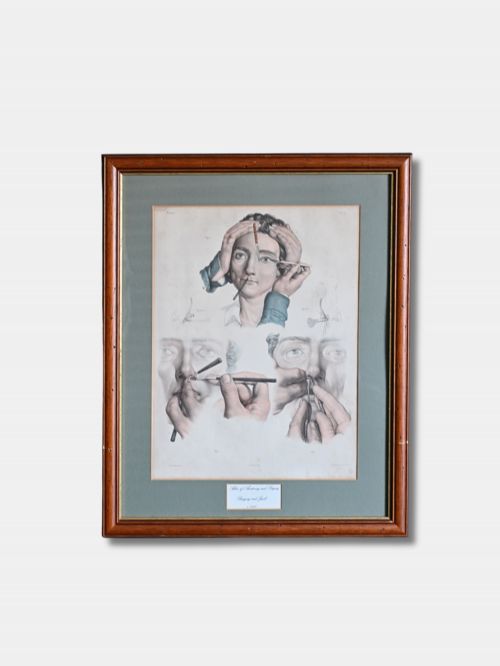
Buyers encounter various forms, from watercolour portraits and botanical or bird engravings to Japanese woodblock prints and reverse glass paintings. Many pieces incorporate card mounts within wooden or gilt frames that complement the visual palette of the artworks they enclose.
Origin and style vary widely, drawing on Victorian naturalism, Edwardian aesthetics, Regency subjects, and Qing dynasty chinoiserie. This assortment reflects both domestic British traditions and international influences like Edo period Japanese art and French architectural engravings.
Materials and construction
The physical makeup of these works relies on traditional supports such as paper, card, silk, and wood panels. Artists and makers applied watercolour, ink, oil, pastel, and gold leaf to create the primary imagery, sometimes supplemented by hand-colouring on lithographs and engravings.
Protective presentation involves glass fronts paired with wooden, gilt wood, or silver frames. Card mounts provide a spatial border between the artwork and the glazing, preserving delicate surfaces like watercolours, beadwork fragments, and miniature samplers over generations.
Object types range from wall art and framed prints to miniature samplers and beadwork fragments.
Assessing quality and execution
Quality rests upon the skill of the original draughtsman, painter, or printmaker, distinguishing hurried commercial output from highly refined artistic execution. Works by named artists or established workshops demonstrate superior line work, colour harmony, and compositional balance.
The integrity and age of the framing materials also influence the standing of a piece. Original mounts, period glass, and properly preserved gilt wood or wooden frames maintain the historical context and visual coherence of the artwork.
Robert A. Nottingham·Vincent Clare·Warwick Goble·James Tower·Kunisada·T.M Baynes·William Swainson
The Green Mounted Framed Art Glossary
- Lithograph
- A print made from a flat stone or metal plate on which an image is applied with a greasy substance. This planographic technique allows for fine tonal gradations and hand-colouring.
- Woodblock print
- An image carved into a block of wood, inked, and transferred to paper. This method underpins much traditional Japanese art and early book illustration.
- Engraving
- A print produced by cutting lines directly into a metal plate with a sharp tool. The resulting incisions hold ink to create sharp, highly detailed lines on paper.
- Portrait miniature
- A small, highly detailed painting on card, vellum, or ivory, often housed in a protective case or small frame. These delicate works frequently capture individual likenesses from past centuries.
- Sampler
- A piece of embroidery produced as a demonstration or test of skill, often featuring alphabets, motifs, or pictorial scenes. Antique examples display traditional needlework stitches on linen or canvas.
Green Mounted Framed Art: Frequently Asked Questions
What periods do these pieces come from?
The selections span from the seventeenth century through the Victorian and Edwardian eras into the mid-twentieth century. Styles range from Regency and Qing dynasty chinoiserie to post-impressionism and mid-century modernism.
Items reflect the specific decorative tastes and printmaking techniques of their respective decades, incorporating works created across Britain, France, Japan, and China.
How should I care for framed paper art?
Keep framed paper and card works away from direct sunlight to prevent fading of watercolours, inks, and coloured lithographs. Stable indoor humidity protects both the paper supports and the wooden or gilt frames.
Avoid hanging pieces in damp environments such as kitchens or unheated rooms, which can damage card mounts and encourage mould growth on organic materials.
What are reverse glass paintings?
Reverse glass paintings are created by applying pigment directly onto the underside of a glass sheet, viewed from the clean side. This technique produces a glossy, luminous surface finish.
Common in decorative arts from various historical periods, these fragile works require secure framing to protect the paint layer from flaking or scratching.
Are the frames original to the pieces?
Framing varies, with some items retaining their original nineteenth or early twentieth-century wooden or gilt surrounds. Others may have been reframed later to ensure the continued preservation of the artwork.
Examining the backing boards, fixings, and joinery helps determine whether a frame dates from the same period as the print, painting, or textile inside.