







Country House Style Artwork
Country house style artwork brings domestic heritage and traditional sporting life onto the wall through period oil paintings and framed prints.
Country House Style Artwork
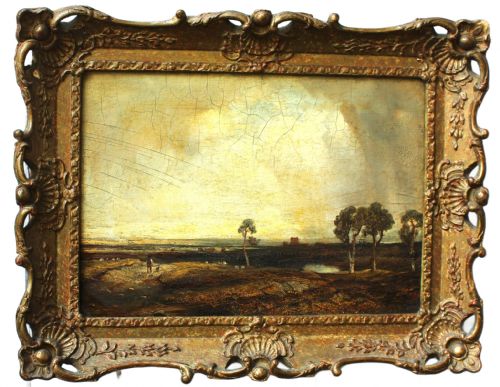
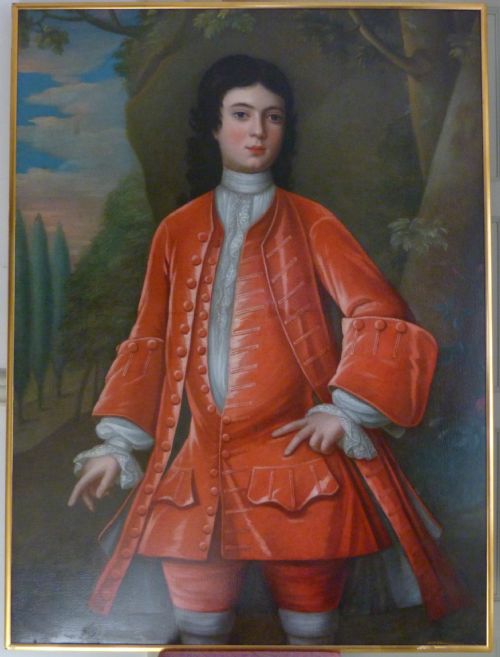
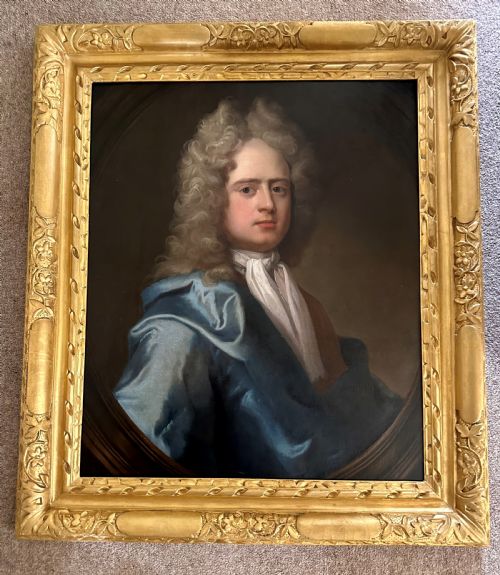
Country house style artwork captures the traditional aesthetic of historic estates through oil paintings, watercolours, and engravings spanning multiple centuries. These pieces typically depict pastoral landscapes, animal portraits, sporting scenes, and family portraits that reflect rural life.
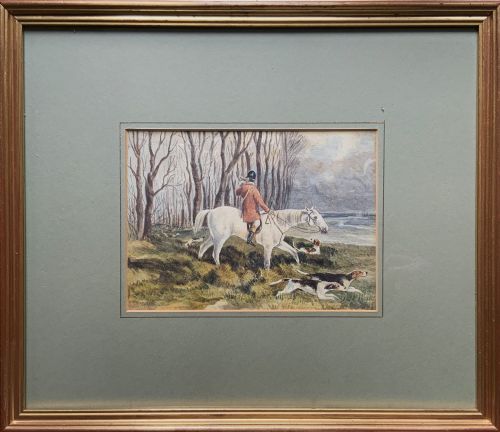
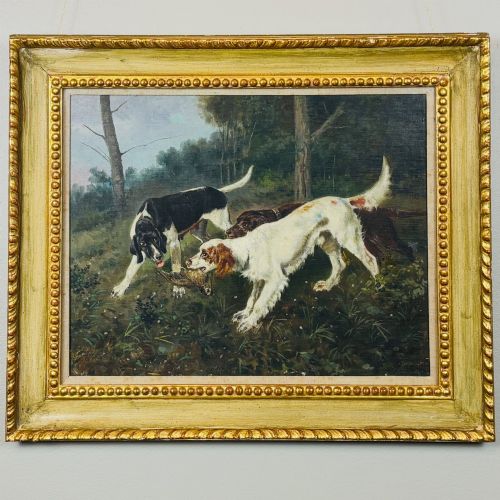
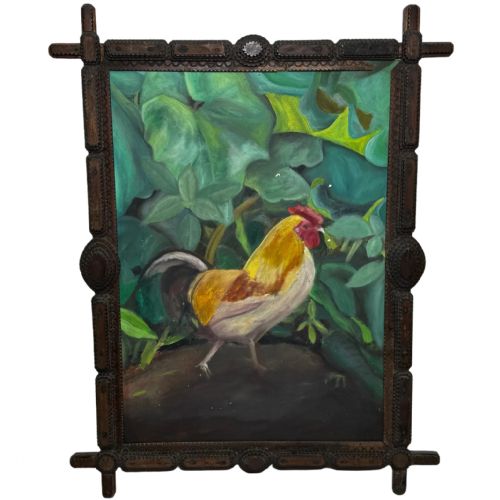
The selection on this page leans heavily towards Victorian sporting art, 19th-century realism, and folk traditions, ranging from intimate depictions of livestock to large hunting scenes. Domestic interiors and coastal views also appear, framed in period wood and gesso.
Origins stretch from eighteenth-century portraits to mid-twentieth-century canvases, drawing on British and European artistic traditions. Pieces often reference well-known masters through the hands of followers or later copyists.
Materials and technique
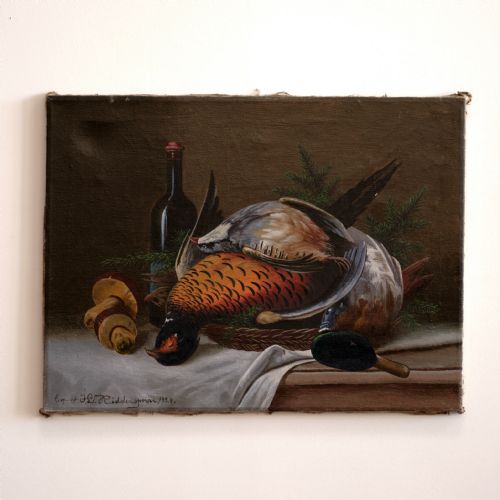
Oil on canvas forms the core medium for these works, applied with varying brushwork to build depth in landscapes and animal coats. Artists utilised traditional oil paints layered over primed canvas to capture natural light and texture.
Frames play a crucial role in the construction of these pieces, frequently utilising carved wood finished with gesso and gold leaf. Watercolour on paper and traditional engravings also appear, mounted behind protective glass within period surrounds.
Country House Style Artwork Retail Price Guide 2026
Typical asking prices for country house style artwork among the pieces listed under this phrase on Sellingantiques today, from the lower quarter to the upper quarter. They describe what is for sale here now, not the wider market.
Materials recorded across these items include oil paint, gesso, gold leaf, and wood.
Quality and execution
The distinction between standard works and superior pieces rests on the confidence of the brushwork and the anatomical accuracy of figures and animals. Finer paintings demonstrate a sophisticated handling of light, particularly in expansive skies and pastoral shadows.
Framing and material preservation also dictate value, with original giltwood and gesso surrounds contributing significantly to the historical integrity of the piece. Works attributed to followers of notable artists or executed with distinct regional character command greater attention.
Thomas Sidney Cooper·Giovanni Milone·Jean baptiste Joseph Pater·Eugene Verboeckhoven·John Emms·John Constable·Michael Dahl·George Morland·William Shayer Snr·Fred Merriman·John Verelst
The Country House Style Artwork Glossary
- Gesso
- A plaster-like material applied to wood frames before gilding or painting, providing a smooth base for ornamental details. It is often moulded into decorative relief patterns.
- Follower
- An artist working in the style of a master, either during their lifetime or afterwards, without being a direct pupil. Their works often share compositional traits with the primary artist.
- Sporting art
- Depictions of rural pursuits including hunting, shooting, fishing, and animal portraiture. These works frequently document prized livestock, hounds, and horses.
- Engraving
- A printmaking technique where an image is incised into a metal plate, holding ink to transfer fine lines onto paper. Many historical scenes were widely distributed in this format.
- Realism
- An artistic movement focusing on everyday subjects and unidealised nature. In this context, it manifests as truthful representations of rural landscapes and working animals.
Country House Style Artwork: Frequently Asked Questions
What subjects define country house art?
These works primarily feature pastoral landscapes, hunting scenes, agricultural animals, and historical family portraits.
Such subjects reflect the traditional interests and rural heritage associated with historic country estates.
How do I date an old painting?
Dating relies on examining the canvas preparation, stretcher construction, framing style, and pigments used by the artist.
Subject matter, costume details in portraits, and signatures or inscriptions on the reverse also provide key chronological clues.
Where should I hang these paintings?
These traditional works suit reception rooms, studies, and hallways where period furnishings create a cohesive interior aesthetic.
Avoid placing them in direct sunlight or areas with high humidity to protect the canvas and gilt frames.
What does after an artist mean?
The term indicates that the work is a later copy or interpretation of a known composition by a master painter.
These pieces allowed owners to enjoy famous artistic themes within their own domestic spaces without acquiring primary works.