




Signed Victorian Watercolour Landscape
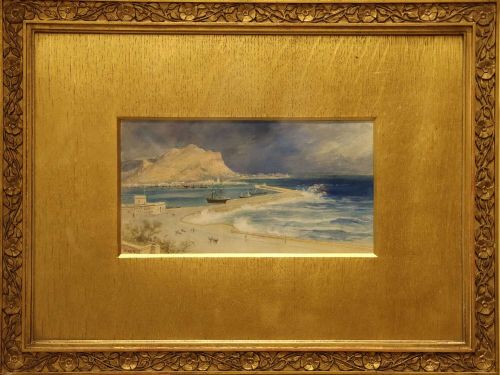
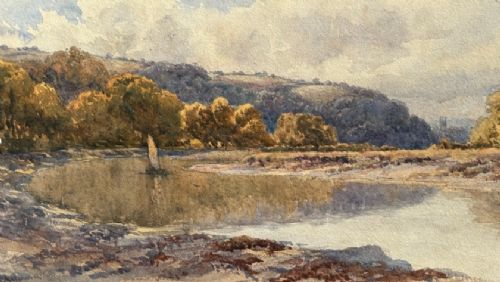
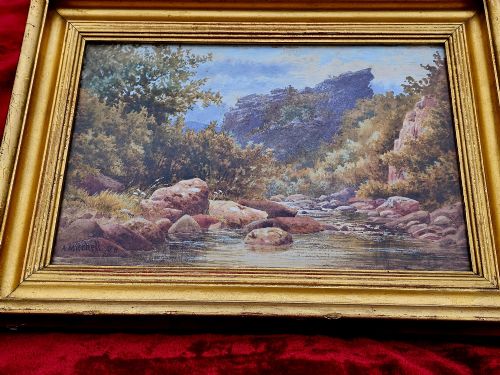
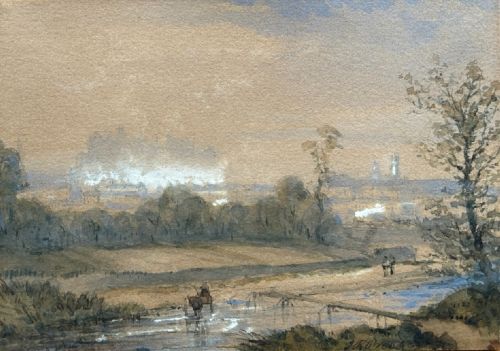
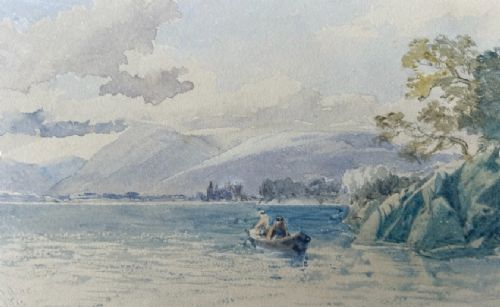
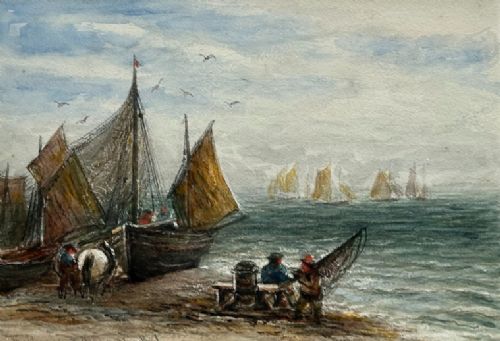
A signed victorian watercolour landscape brings the subtle atmosphere of nineteenth-century rivers, coasts and hills directly onto paper.
Signed Victorian Watercolour Landscape
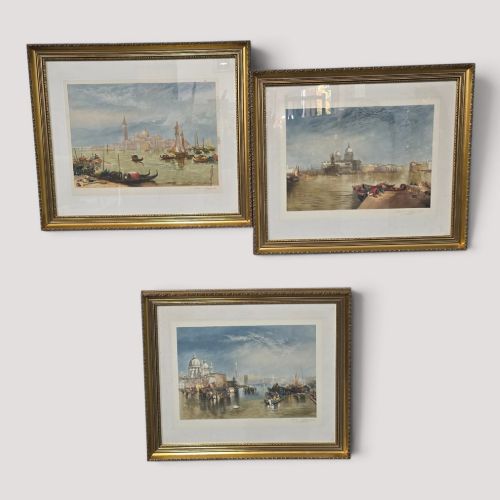
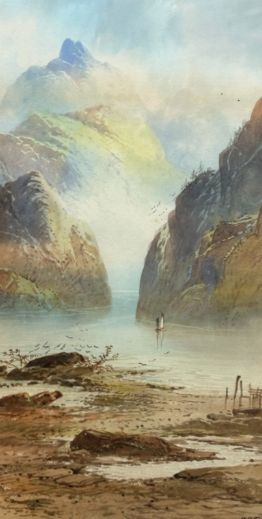
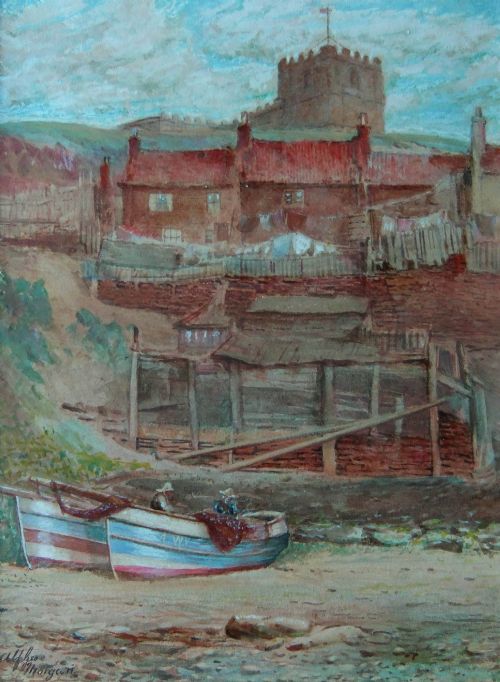
A signed victorian watercolour landscape delivers intimate glimpses of British and international scenery, captured by artists working during the nineteenth and early twentieth centuries. These paintings range from quiet Scottish lochs and Yorkshire harbours to bustling scenes along the Thames, often bearing the distinct signature or monogram of the hand that painted them.
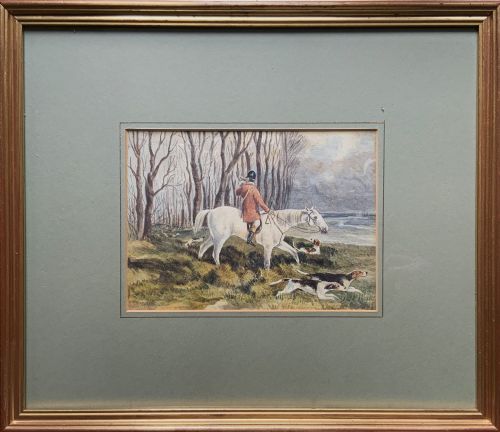
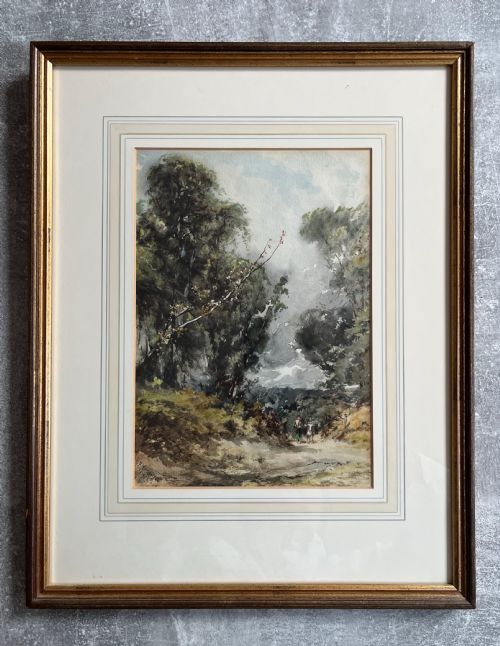
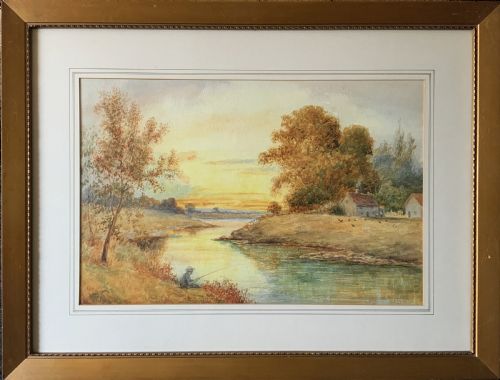
Buyers seeking a signed victorian watercolour landscape encounter works framed behind glass in giltwood or wooden surrounds, preserving delicate pigments on paper. Most examples date from the mid-nineteenth century through to the early decades of the twentieth century, reflecting varied regional schools and academic traditions.
Materials and construction
Artists applied watercolour pigment onto paper using washes and fine brushwork, sometimes adding body colour to heighten details in water, sky and foliage. These watercolours relied on the luminosity of the underlying paper to catch the light, a technique requiring immense precision since corrections were difficult to conceal.
Framing typically involved timber moulding, frequently finished in giltwood or plain wood, paired with protective glass to shield the paper from environmental moisture and atmospheric dust.
Signed Victorian Watercolour Landscape Retail Price Guide 2026
Typical asking prices for signed victorian watercolour landscape among the pieces listed under this phrase on Sellingantiques today, from the lower quarter to the upper quarter. They describe what is for sale here now, not the wider market.
Artists sometimes captured fleeting moments like a garden bonfire or children sailing toy boats, preserving domestic Victorian pastimes on paper.
Factors of quality
Quality rests upon the artist's command of light, tonal depth and atmospheric perspective, distinguishing atmospheric compositions from rigid topographical records. The surety of brushwork and the preservation of pigment vibrancy across the paper dictate the visual power of each piece.
The integrity of the original paper support and the clarity of the signature or date contribute significantly to historical value, alongside the harmony of the framing and mounting.
David Law·George Fotherly Hargitt·Thomas Miles Richardson Jnr·James Orrock·William Henry Earp·John R Prentice·William Banks Fortescue·Alfred George Morgan·Harry Wanless·Thomas Bush Hardy·F J Aldridge·Colin H Greenwood·Henry Bailey·William Joseph Boyes·Kate E Booth·William Stephen Coleman·Edmund Morris Wimperis·John Sowden·Thomas Pyne·Frank Wasley·William Manners·Thomas Nicholson Tyndale·Lester Sutcliffe·Thomas Swift Hutton·George Sykes
The Signed Victorian Watercolour Landscape Glossary
- Watercolour pigment
- Finely ground colour particles mixed with a water-soluble binder, used to create transparent washes on paper.
- Giltwood
- Timber carved and coated with a thin layer of gold leaf, commonly used for nineteenth-century picture frames.
- Diptych
- A painting comprising two separate hinged or matched panels, presenting paired or related compositional views.
- Monogram
- A motif made by overlapping or combining letters to form a signature, frequently found on period works.
- Washes
- Diluted applications of watercolour paint spread smoothly across paper to establish skies, water or distant hills.
Signed Victorian Watercolour Landscape: Frequently Asked Questions
What subjects appear in these watercolours?
Paintings depict rural rivers, coastal harbours, mountain lochs and domestic gardens, often capturing specific British and European locations.
Scenes also extend to marine views with shipping, historical abbeys and traditional agricultural work.
How should watercolour paintings be displayed?
Works on paper require positioning away from direct sunlight to prevent fading of the delicate pigments and paper supports.
Stable indoor humidity and secure framing behind glass protect the artwork from environmental degradation.
How are dates and signatures identified?
Artists frequently signed, monogrammed or dated their compositions directly within the lower corners of the painted surface.
Inscriptions on the mount or reverse of the frame often provide additional context regarding the specific title and location.
What differentiates these from oil paintings?
Watercolour employs transparent pigments on paper rather than opaque oils spread across stretched canvas or wooden panels.
This medium achieves a luminous quality through the reflective white of the paper shining back through the washes.