


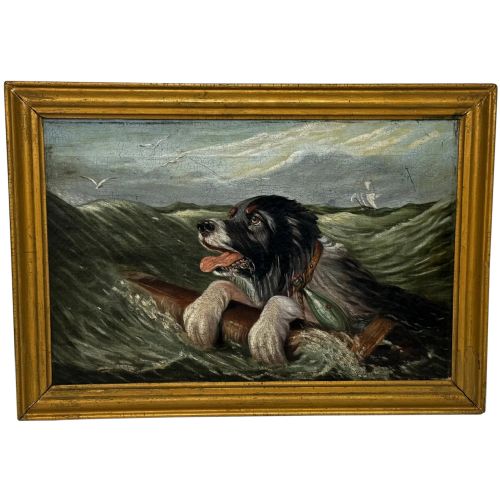

Green Marine Oil Painting
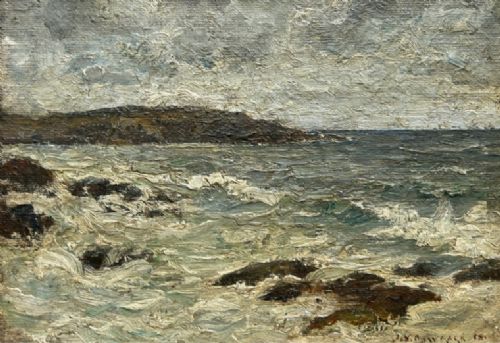
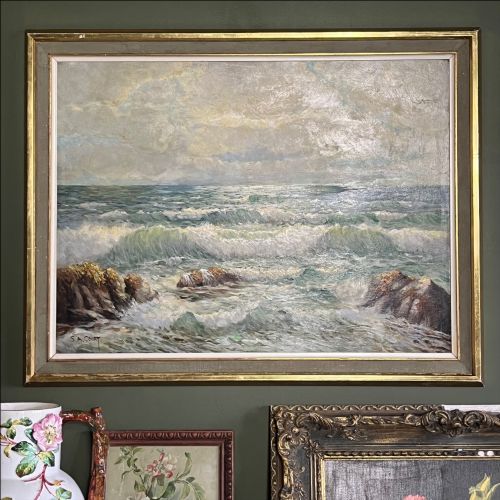
A green marine oil painting captures the movement of coastal water and open sea using pigment suspended in oil.
Green Marine Oil Painting
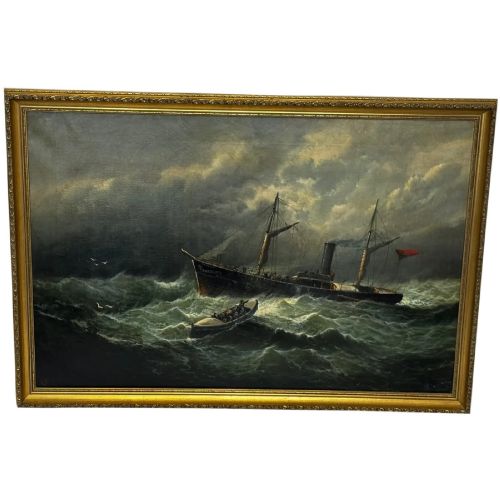
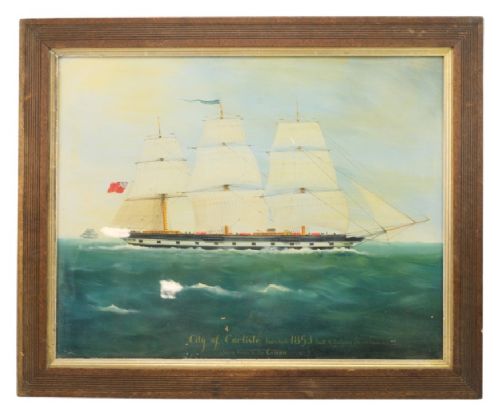
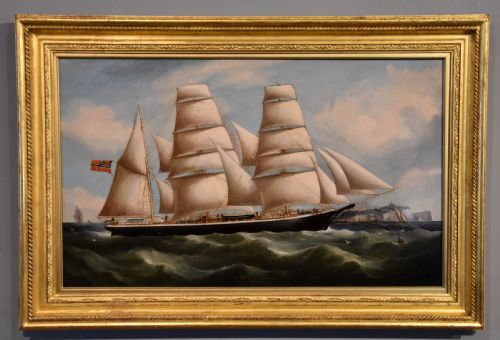
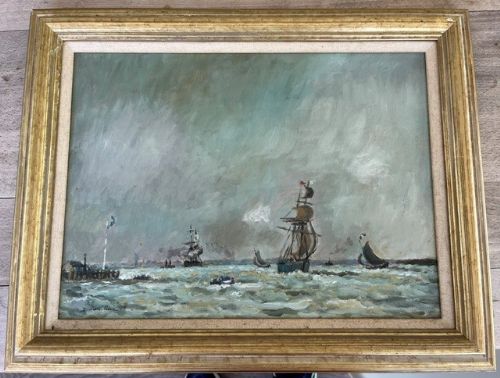
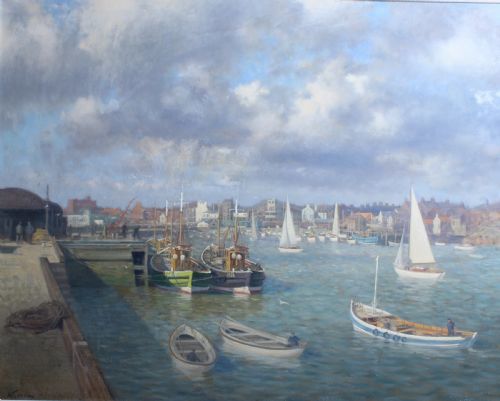
A green marine oil painting focuses on coastal views, harbours, and deep water scenes rendered in oil paint. These works span periods from the mid-nineteenth century to the mid-twentieth century, recording British and European waters.
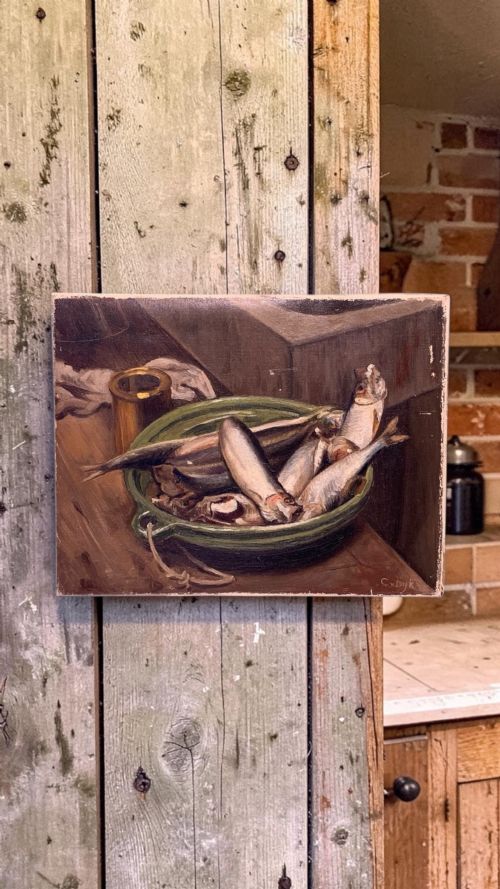
The selections available here bring together impressionist coastal studies, traditional maritime shipping scenes, and detailed depictions of fishing boats. Common subjects include Cornish harbours, Welsh bays, and dramatic nautical rescues recorded on canvas and wood.
Buyers encounter works attributed to named regional artists alongside pieces from the broader English and French schools. Formats range from intimate framed panels to large canvases documenting historical vessels and coastal landscapes.
Materials and Technique
These works rely primarily on oil paint applied to stretched canvas or wooden board substrates. Artists built up pigment using various brush techniques, occasionally incorporating thick impasto to render the turbulent texture of waves and sea spray.
Many nineteenth-century and early twentieth-century examples utilise traditional priming methods on canvas before the application of oil colour. Frames frequently incorporate wood, gilt accents, and gold leaf to complement the composition.
Keep an eye out for a stray Saint Bernard dog attempting an ill-advised maritime rescue near New York.
Judging Quality
The strength of a marine painting lies in the handling of light on water and the convincing rendering of atmospheric conditions. Superior works demonstrate a confident command of tone and perspective, particularly in capturing shifting coastal weather and complex rigging on vessels.
Condition and originality play a significant part in the standing of a piece. Works retaining their original stretched canvas support, stable paint layers, and period framing hold greater integrity than those with extensive later restoration.
Sidney A Court·William Broome·Richard B Spencer·James Fry·Marie-Edouard Adam·William Lambert Bell·Charles Cameron Baillie·V Dybdal·William Savage Cooper·James Watson·Walter Meegan·Charles Martin Powell·J De Breanski·Edmund John Niemann·Samuel Bough·Francis Holman
The Green Marine Oil Painting Glossary
- Impasto
- Paint applied thickly to a canvas or board, standing out in relief from the surface. This technique allows artists to build physical texture into the representation of choppy water or thick clouds.
- En plein air
- Painting outdoors in direct natural light rather than inside a studio. Artists taking their materials to the coast sought to capture transient weather and light effects accurately.
- Maritime
- Pertaining to the sea, navigation, shipping, and coastal life. In art, this encompasses both naval engagements and routine commercial shipping or fishing.
- Oil paint
- A slow-drying paint made by mixing pigments with a drying oil such as linseed. It permits subtle blending of tones and rich saturation of colour.
- Gilt
- Covered thinly with gold leaf or gold paint. Frames are frequently treated this way to enhance the visual weight of the artwork.
Green Marine Oil Painting: Frequently Asked Questions
What periods do these green marine oil paintings cover?
The selection includes works from the Victorian era and the nineteenth century, extending into early twentieth-century British impressionism and mid-century modern pieces.
Dates span from the eighteen-fifties through to nineteen-fifty, reflecting diverse stylistic approaches to coastal subjects across different decades.
What surfaces were used for these paintings?
Artists painted primarily on traditional stretched canvas and prepared wooden boards.
These materials provided stable grounds for heavy oil paint application, particularly when artists used thick impasto techniques to build up the texture of the sea.
How do I care for an antique oil painting?
Keep the artwork away from direct sunlight, high humidity, and rapid temperature fluctuations to protect both the canvas and the oil pigments.
Dust the surface very gently with a soft, dry brush and avoid using any liquid cleaners or solvents on the paint layer.