





Green Man Oak Furniture
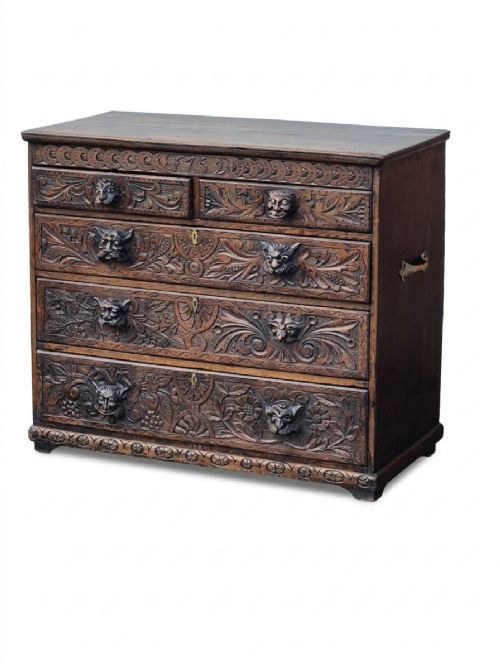
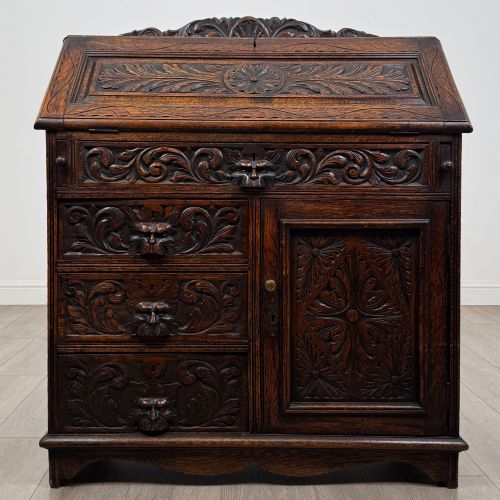
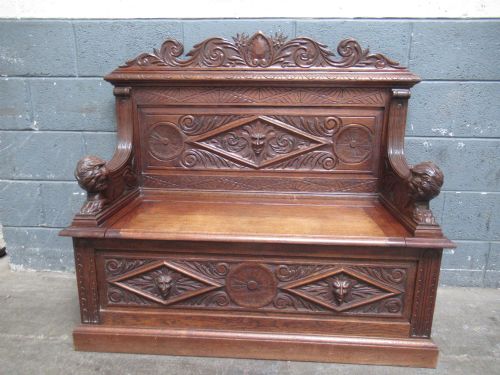
Green man oak furniture brings together folklore and utility, offering heavily carved foliate faces integrated into Victorian seating, storage and sideboards.

Green Man Oak Furniture
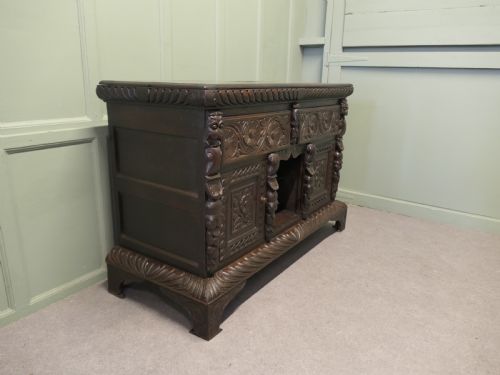
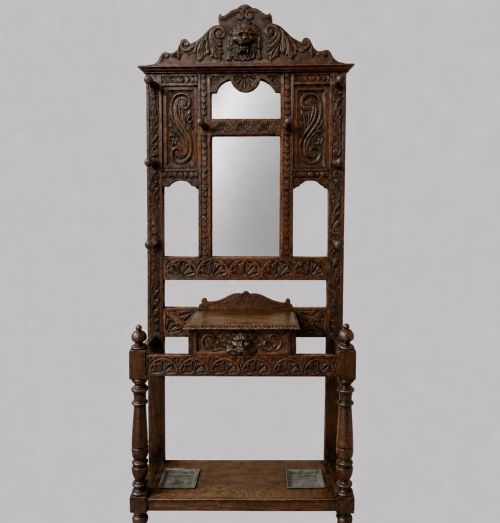
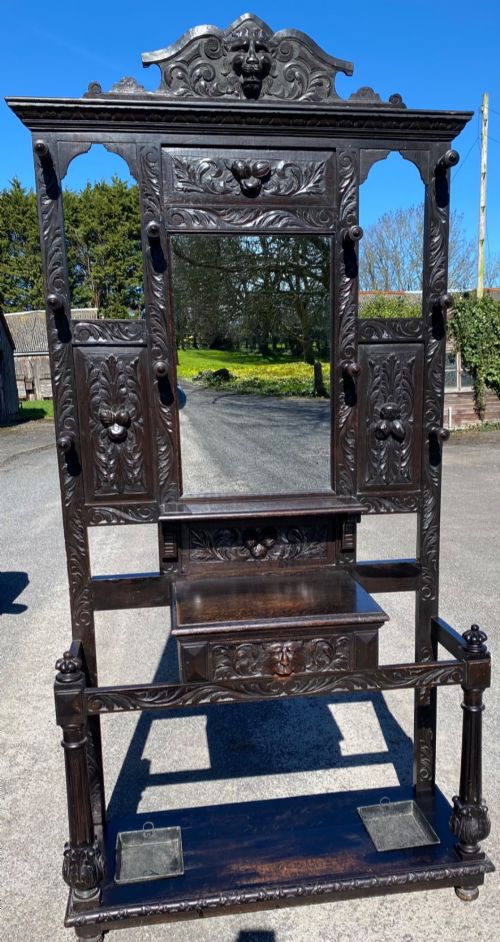
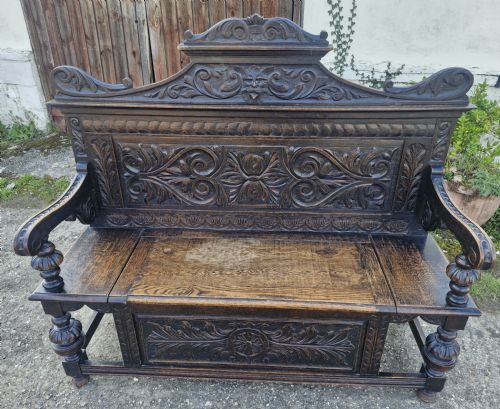
Green man oak furniture encompasses a range of domestic timber items defined by carved visage motifs featuring foliage and leaves emerging from the mouth. Buyers searching for green man oak furniture will find pieces predominantly dating from the Victorian period, the nineteenth century, and early decades like 1920 and 1950.
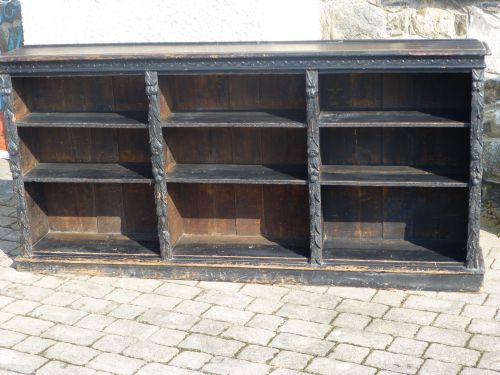
The practical forms available on this page focus on heavy hallway and living space utility, spanning hall benches, hall stands, bookcases, sideboards, chests of drawers, bureaux, dressers, cabinets, tables, coppers, and stools. Many examples display distinct design revivals, drawing upon Gothic, Jacobean, and Renaissance styles to frame the prominent carved imagery.
Victorian interpretations dominate the selection, often presenting solid oak construction embellished with deep relief work and mirrors. Alongside standard oak, variations such as ebonised oak and golden oak appear across specific seating, desks, and storage items.
Assessing quality and craftsmanship
The choice of timber and secondary materials also dictates the calibre of a piece. Selecting premium solid oak or distinct variations like golden oak and ebonised surfaces, combined with integrated elements such as bevelled mirror glass and brass hardware, elevates the construction.
Listings span periods from 1800 through the Victorian era to 1950, utilising solid oak, ebonised oak, golden oak, brass, leather, and glass.
The Green Man Oak Furniture Glossary
- Gothic Revival
- A nineteenth-century design movement that revived medieval architectural forms and motifs. It heavily influenced the dark, dramatic aesthetic seen in these carved wooden items.
- Ebonised Oak
- Oak timber treated with a chemical stain or pigment to simulate expensive ebony. This finish provides a dark, uniform surface that heightens the contrast of carved details.
- Davenport Desk
- A compact form of small desk featuring a sloping, leather-lined writing surface above a pedestal of drawers. They often incorporate elaborate woodwork and concealed compartments.
- Buffet
- A sideboard or server used for food storage and serving in dining rooms. These versions are characterised by heavy timber construction and prominent sculptural ornamentation.
- Coffer
- A traditional large chest with a hinged lid used for storing valuables or household goods. In this context, they double as hall seats with decorative carved fronts.
Green Man Oak Furniture: Frequently Asked Questions
What is green man oak furniture?
Green man oak furniture refers to nineteenth-century and Victorian wooden items decorated with carved masks of human faces entwined with leaves, vines, and foliage. These pieces combine practical household utility with traditional foliate iconography.
Items range from large hall stands and sideboards to smaller bookcases, chests, and benches, mostly rendered in solid oak.
How do I identify a Victorian green man piece?
Look for the characteristic carved visage motif surrounded by deep relief oak foliage, combined with the heavy proportions typical of nineteenth-century revival styles. The presence of Gothic, Jacobean, or Renaissance design elements provides further context for dating.
Materials such as solid oak, brass fittings, and ebonised finishes also point directly to the Victorian manufacturing period represented here.
Where were these pieces used in the home?
These items served functional roles in principal reception rooms, hallways, and dining spaces. Hall benches, monks benches, and hall stands welcomed visitors at the entrance, often incorporating mirrors and umbrella storage.
Larger furniture like sideboards, buffets, dressers, and bookcases furnished dining rooms and studies, providing heavy storage adorned with sculptural woodwork.
How do I care for antique oak furniture?
Maintain antique oak by keeping it away from direct heat sources and fluctuating humidity, which can cause timber to split. Regular dusting with a soft, dry cloth preserves the finish without damaging the carved details.
Apply a traditional beeswax polish occasionally to nourish the oak and protect the surface of the wood over time.