
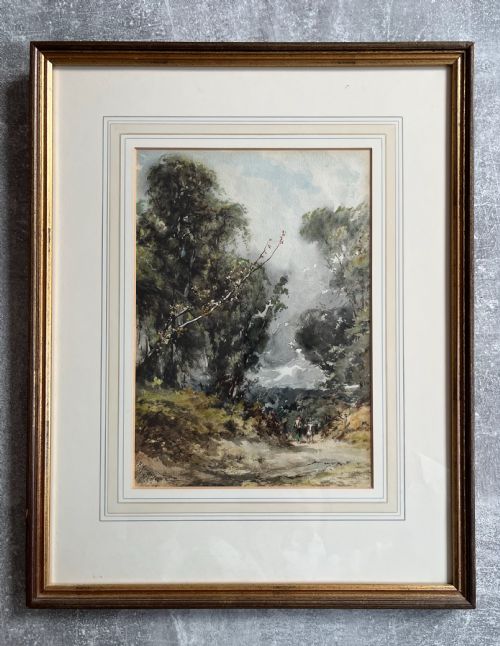

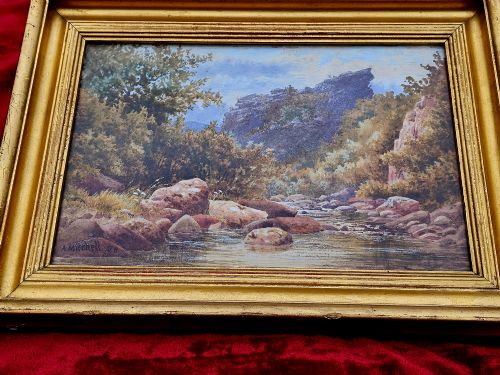
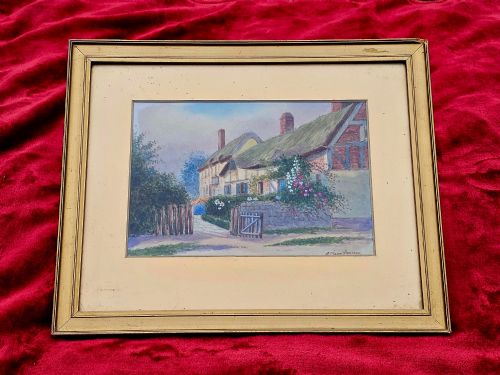
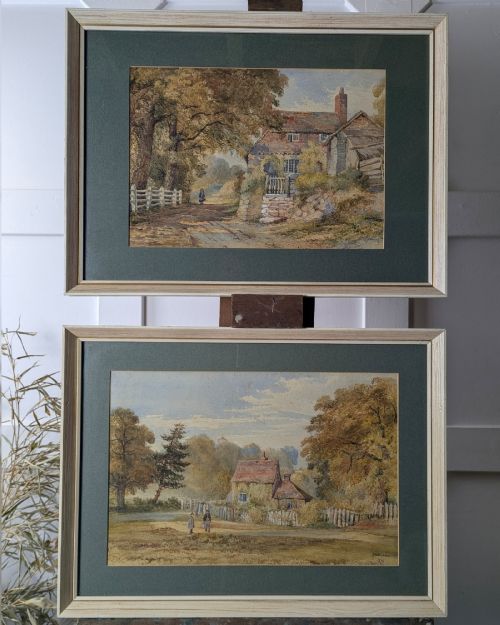
Green Landscape Watercolour Painting
A green landscape watercolour painting captures the quiet rural views and coastal scenes recorded by artists from the nineteenth century into the twentieth.
Green Landscape Watercolour Painting
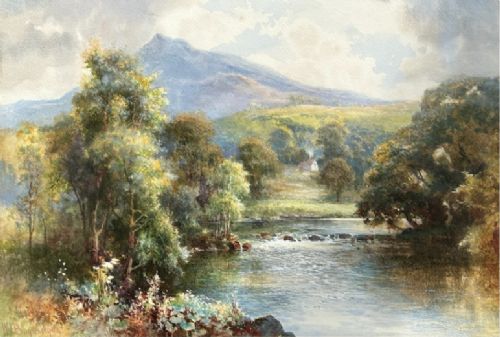
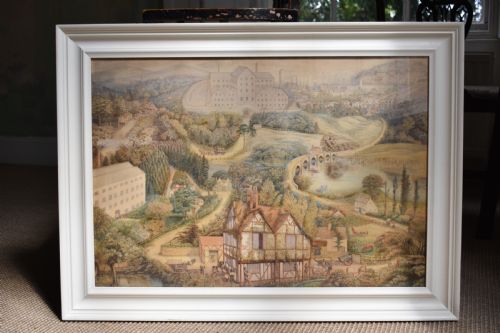
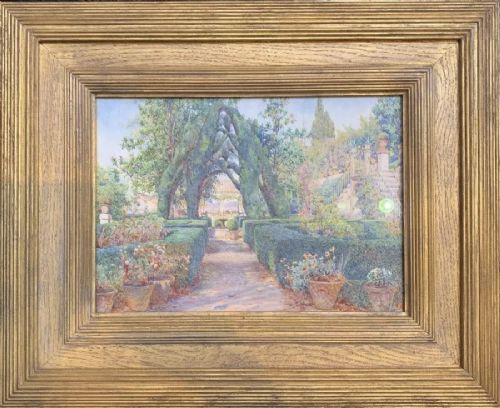
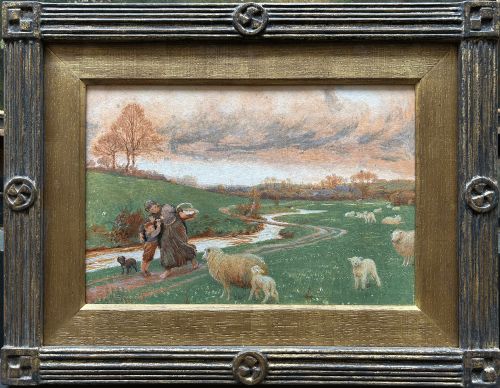
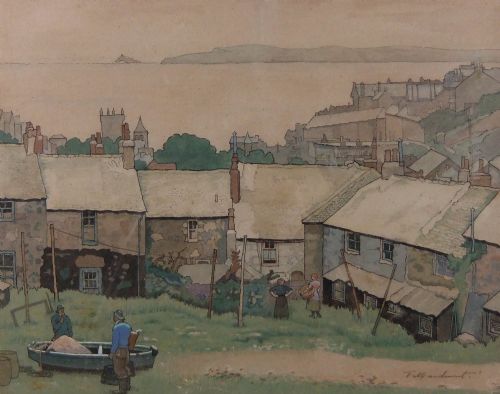
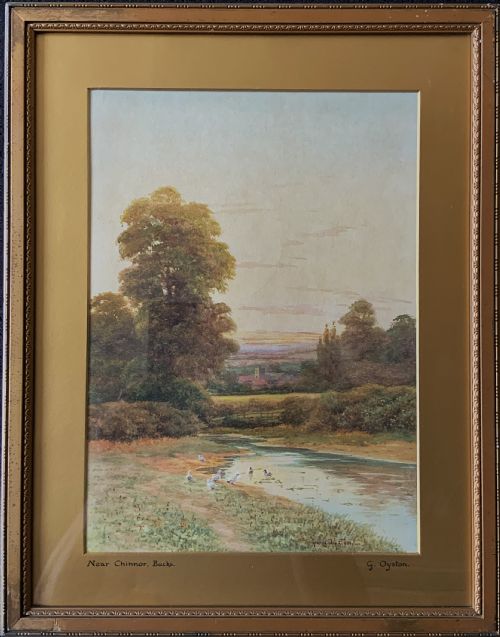
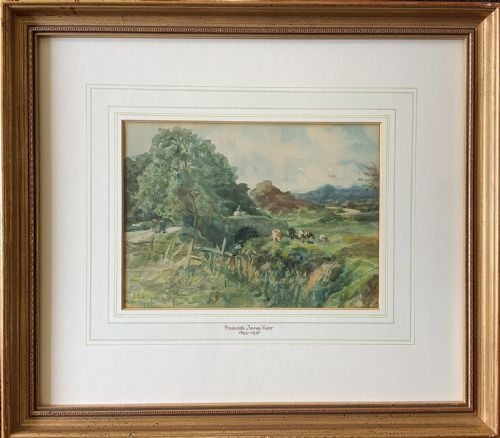
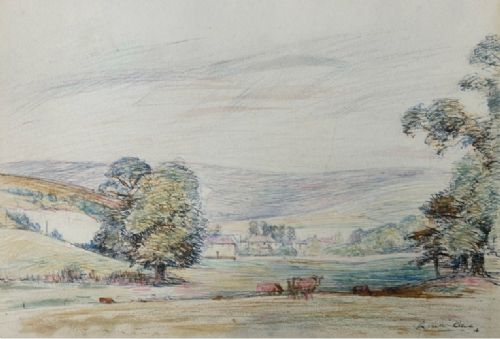
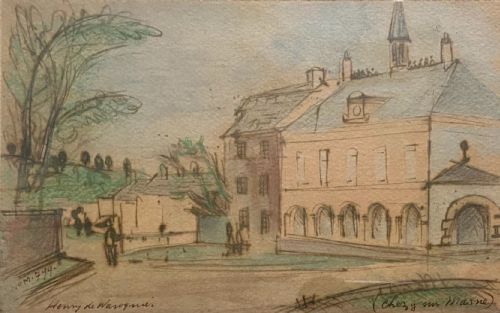
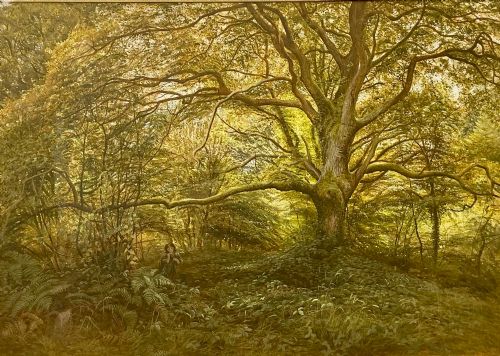
A green landscape watercolour painting displays rural fields, river valleys, and coastal views through pigment applied to paper. These works document the changing British countryside, often framed behind glass within wooden mounts.
The pieces on this page span from the Victorian era through the Edwardian period into the early twentieth century. Common subjects include pastoral farmland, riverbanks, and cottage gardens rendered by regional artists and Royal Academy exhibitors alike.
Most examples survive from the late nineteenth century and the opening decades of the twentieth century. They offer a direct window into historical topography, capturing pastoral life before modern industrial expansion altered the horizon.
Materials and Technique
Artists relied primarily on watercolour pigment suspended in water, applied directly to heavy paper supports. This aqueous medium allowed for subtle washes of colour that built up translucent layers of sky, foliage, and earth.
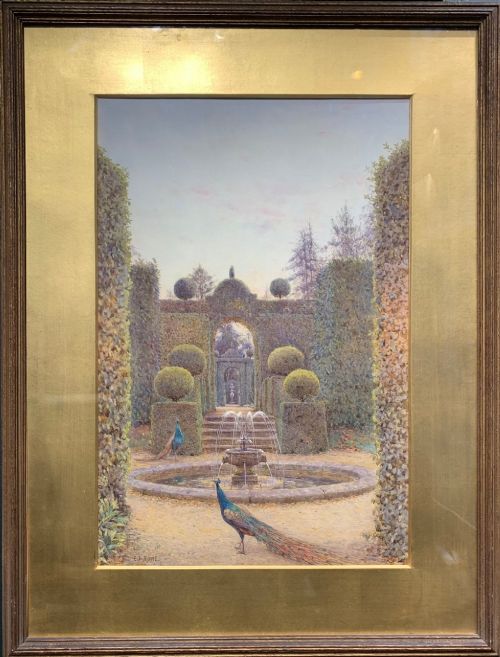
Finished sheets found protection beneath glass within wooden frames, occasionally enhanced with gold leaf or giltwood mouldings. These traditional mountings preserved the delicate paper surfaces from atmospheric moisture and handling over the decades.
Green Landscape Watercolour Painting Retail Price Guide 2026
Typical asking prices for green landscape watercolour painting among the pieces listed under this phrase on Sellingantiques today, from the lower quarter to the upper quarter. They describe what is for sale here now, not the wider market.
Listings feature works created across the Victorian, Edwardian, and early twentieth-century periods.
Assessing Quality
The strength of a composition rests on the artist's handling of light and atmospheric depth across the paper. Superior watercolours demonstrate confident brushwork and a balanced tonal range that brings the natural landscape into sharp focus.
Condition also plays a vital role in establishing the merit of a surviving painting. Works that retain their original pigment vibrancy without heavy fading or foxing represent the highest standard of preservation from these historical periods.
George Fotherly Hargitt·Alfred Young Nutt·Ernest Arthur Rowe·George Oyston·Henry Barlow Carter·William Hoggatt·James Orrock·David Cox Jnr
The Green Landscape Watercolour Painting Glossary
- Watercolour pigment
- Finely ground colour particles mixed with a water-soluble binder. This material allows artists to create translucent washes and precise details on paper.
- Giltwood
- Timber framing finished with a thin layer of gold leaf or metallic gilding. This ornate treatment frequently encases Victorian and Edwardian fine art.
- British Impressionism
- A painting approach focusing on light and everyday subjects. Practitioners captured outdoor scenes with looser brushwork during the late nineteenth and early twentieth centuries.
- Grisaille
- Monochrome painting executed entirely in shades of grey. This technique often served as a preparatory study or a finished sketch in early works.
Green Landscape Watercolour Painting: Frequently Asked Questions
How should I display my watercolour?
Watercolour paintings require protection from direct sunlight to prevent the pigments from fading over time. Hang them on interior walls away from damp spaces to preserve the integrity of the paper and mount.
Ensure the frame remains properly sealed behind glass to keep out dust and atmospheric pollutants. Professional framing using acid-free materials helps maintain the long-term health of the paper.
How do I date these paintings?
Dates often appear alongside the artist's signature or within the accompanying inscription on the mount or reverse. Stylistic clues such as costume details, architectural elements, and framing types also provide a reliable guide to the period.
Victorian and Edwardian works frequently exhibit distinct lettering styles and mounting techniques characteristic of their decade of origin.
Were these painted outdoors?
Many artists sketched preliminary studies directly in the field to capture transient light and weather conditions. They frequently completed the final watercolours later within their studio spaces using these on-site drawings as reference.
Portable watercolour boxes made outdoor sketching increasingly popular among British landscape painters throughout the nineteenth century.
What subjects are most common?
Rural river valleys, coastal harbours, and pastoral farmland dominate the landscapes of this era. Artists frequently recorded local landmarks, cottages, and agricultural workers tending to fields across the British Isles.
These topographical views reflect a widespread appreciation for the quiet beauty of the countryside during periods of rapid industrial growth.