


Green Glazed Sculpture
Green glazed sculpture brings together figures, animals, and decorative objects shaped from clay and finished in lustrous green washes.
Green Glazed Sculpture
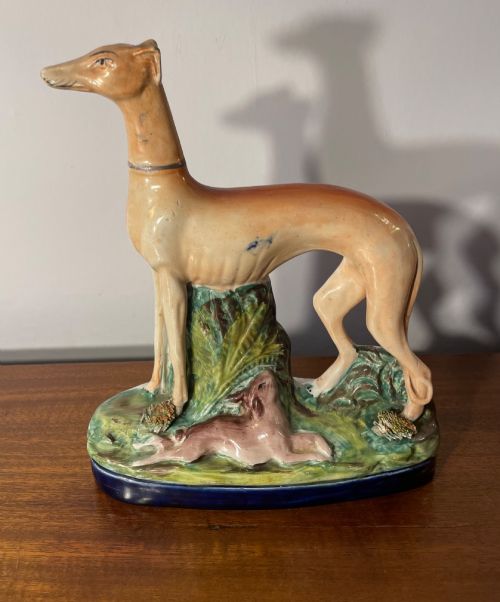
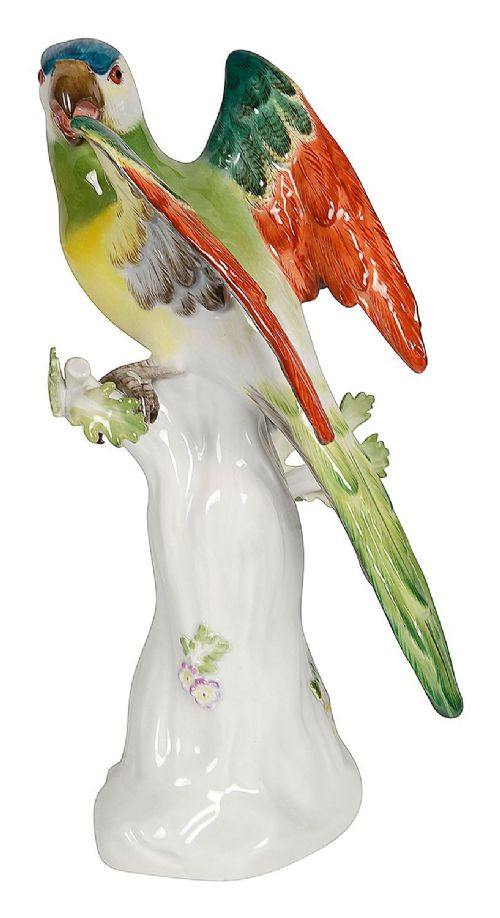
Green glazed sculpture encompasses figurines, decorative figures, and pottery animals shaped across multiple centuries and stylistic traditions. When searching for green glazed sculpture, collectors encounter everything from Staffordshire hounds and parrots to Art Deco ladies and Chinese porcelain ducks.
The pieces on this page span several distinct periods, including the eighteenth and nineteenth centuries alongside twentieth-century Art Deco and Edwardian examples. English earthenware works sit alongside Meissen porcelain, French cats, and Asian ceramics finished in sancai glazes.
Makers and regional potteries varied widely in their output, producing domestic Staffordshire groups as well as German ceramic figures and Japanese Shishi lions. Forms range from utilitarian roof ornaments and musical bands to expressive animal models and human figurines.
Materials and construction methods
Makers utilised earthenware, porcelain, and ceramic bodies as the foundation for these figures, applying lead glazes, enamel, and sancai finishes to the surfaces. Earthenware pieces often relied on a porous clay body beneath a rich, running glaze.
Porcelain and fine ceramic versions required higher firing temperatures, allowing delicate details to hold their definition beneath translucent or brightly tinted coatings. Wood occasionally formed supporting elements or mounts for the ceramic bodies.
Glazing techniques determined the depth of colour, with lead glazes pooling naturally in crevices to create darker green accents across feathers, fur, and drapery.
Periods represented span from the eighteenth century through the Edwardian era and into Art Deco production of the 1930s.
Distinctions in quality
Quality rests upon the crispness of the modelling and the control of the glaze as it pooled across the surface of the clay or porcelain. Finer pieces retain sharp facial expressions, clean feather or fur texturing, and an even distribution of colour without heavy pooling or dry spots.
The sophistication of the form separates standard production wares from ambitious studio pieces and factory showpieces. Master modellers achieved balanced proportions and convincing postures in both human figures and animal subjects.
The harmony between the underlying ceramic body and the chosen green glaze dictates the visual success of the piece, where superior finish enhances the sculptural lines rather than obscuring them beneath thick colour.
Charles Vyse·Royal Dux·Royal Worcester·Albert Carrier·Le Manceau
The Green Glazed Sculpture Glossary
- Sancai glaze
- A three-colour glaze tradition, typically featuring amber, green, and cream tones, widely utilised in Chinese pottery and later revival pieces. This technique creates a mottled, flowing surface effect across the ceramic body.
- Pearlware
- A refined earthenware developed in the late eighteenth century featuring a subtle bluish glaze over a white body. It served as a popular base for Staffordshire figures and sculptural groups.
- Majolica
- A type of earthenware coated with an opaque tin-lead glaze and painted with metallic oxide colours. It yields vibrant greens and browns with high gloss.
- Shishi
- A traditional Japanese guardian lion figure, often rendered in ceramic or porcelain. These sculptural models display fierce expressions and ornate manes.
- Staffordshire
- A generic term for pottery and figures produced in the English Midlands potteries. These earthenware pieces frequently depict animals, historical figures, and pastoral scenes.
Green Glazed Sculpture: Frequently Asked Questions
What periods do these sculptures cover?
The selections span from the eighteenth century through the nineteenth century and into the twentieth century. Examples include Georgian earthenware, Victorian Majolica, and Art Deco ceramics from the nineteen-thirties.
Production origins range across England, Germany, France, Bohemia, and China, reflecting diverse regional styles and manufacturing techniques.
How are animal figures represented?
Animals form a significant portion of the available sculptures, featuring subjects such as parrots, hounds, hares, cats, ducks, and mythological beasts. These pieces utilise different glazes to highlight fur texture and plumage.
Craftsmen captured naturalistic postures alongside more stylised interpretations suited to specific decorative movements.
What is a sancai glaze?
Sancai is a traditional glazing method that produces a variegated surface effect, often combining green with other tones. It appears on both historic Asian pottery and later revival works.
The glaze tends to pool and run naturally across the contours of the ceramic sculpture during the firing process.
How do I care for glazed ceramics?
These pieces require gentle dusting with a soft, dry cloth to prevent accumulation in the crevices of the glaze. Avoid harsh cleaning solutions or immersion in water, particularly with older earthenware bodies.
Display them away from direct sunlight and sudden temperature shifts to protect the ceramic structure and surface finish.