



Green Glazed Earthenware Vase
A green glazed earthenware vase brings rich ceramic colour and texture to a room, ranging from simple country confit pots to elaborate studio pottery.

Green Glazed Earthenware Vase
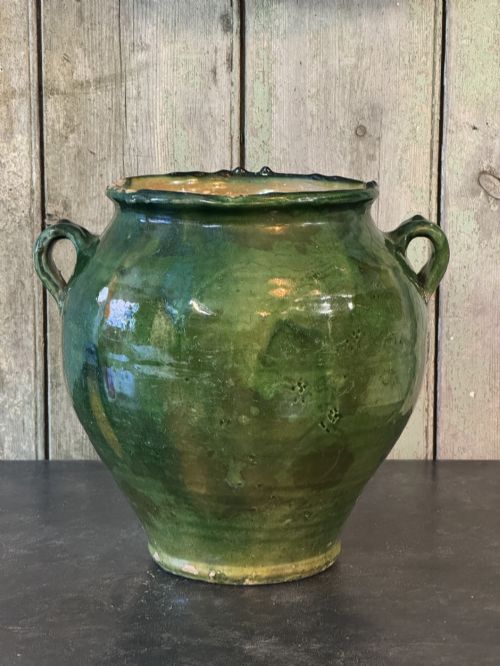
A green glazed earthenware vase covers a wide range of vessels, from utilitarian confit jars and country pottery to decorative studio pieces from the nineteenth and early twentieth centuries. Collectors search for these items to find pieces exhibiting rich lead glazes, enamel finishes, and distinct regional forms.
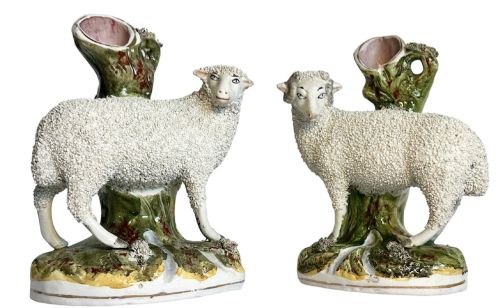
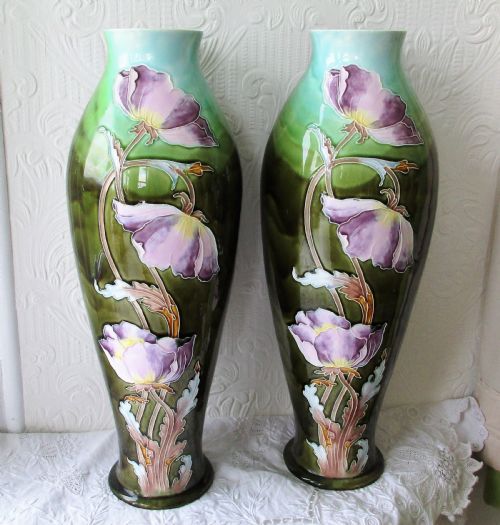
The examples most commonly encountered on this page date from the nineteenth century through to the early twentieth century. These include Arts and Crafts, Art Nouveau, and Aesthetic Movement designs alongside French confit pots and Staffordshire spill vases.
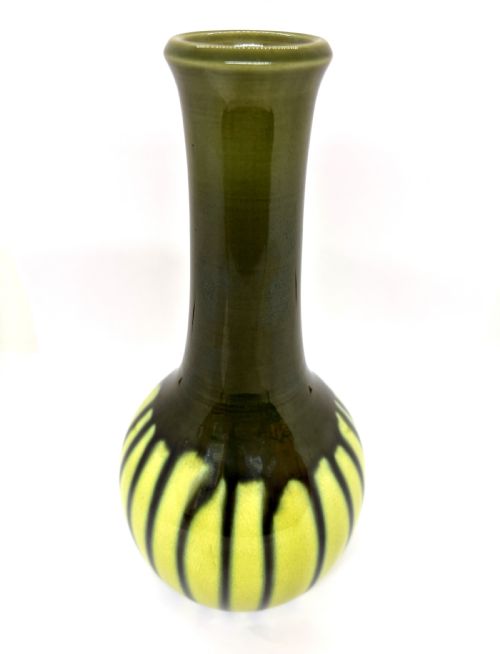
Makers and potteries represented span English studio art pottery, French faience, Italian majolica, and Persian production. Forms vary from simple bottle vases and amphora vessels to large decorative pots and spill vases.
How they were made
Potters shaped these vessels from earthenware and terracotta clay bodies before applying surface treatments. The primary characteristic uniting them is the application of lead glaze, enamel, or ceramic glaze to seal the porous clay and produce vibrant green tones.
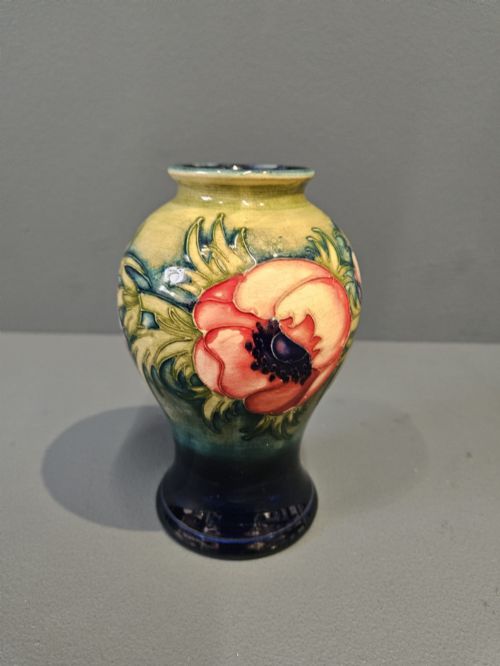
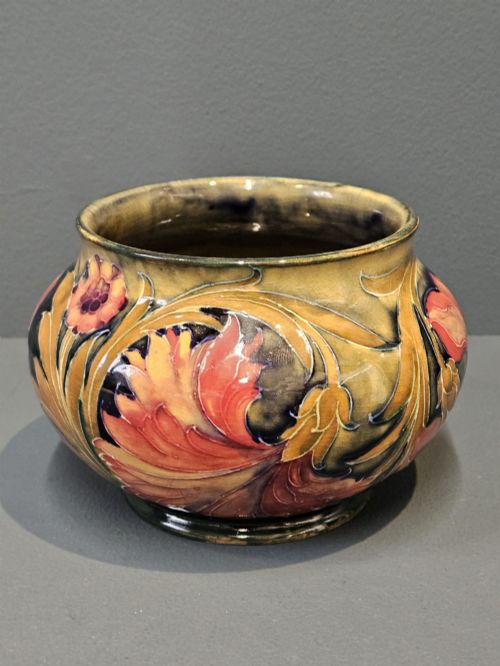
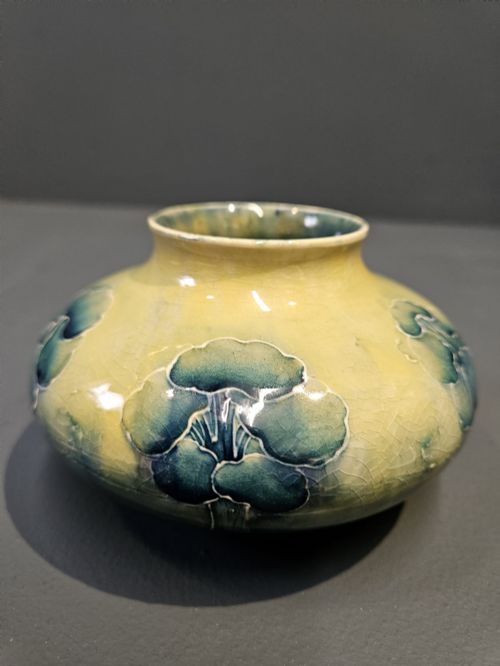
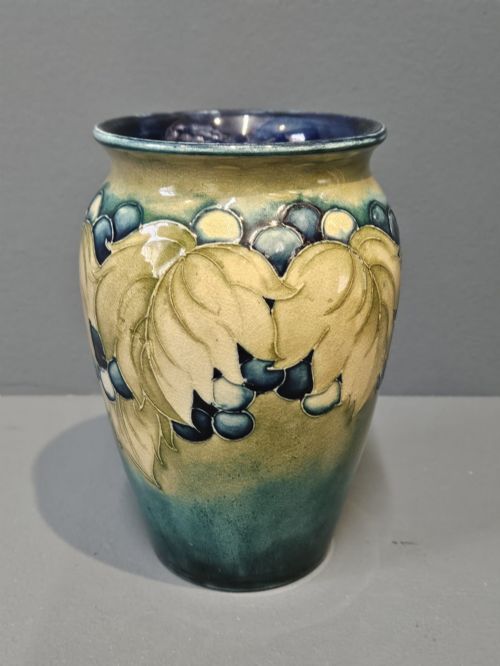
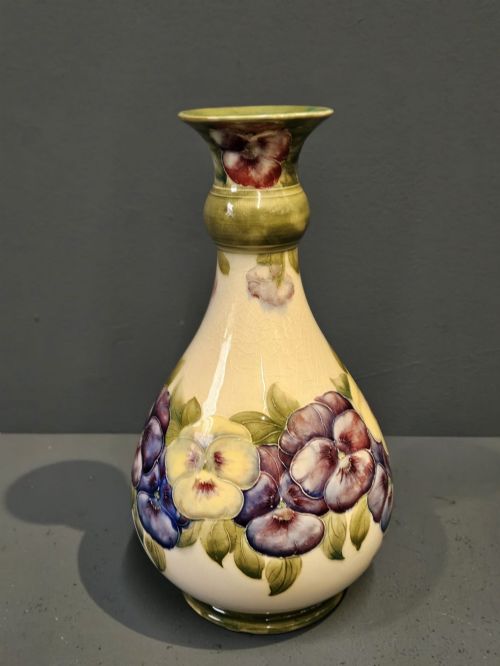
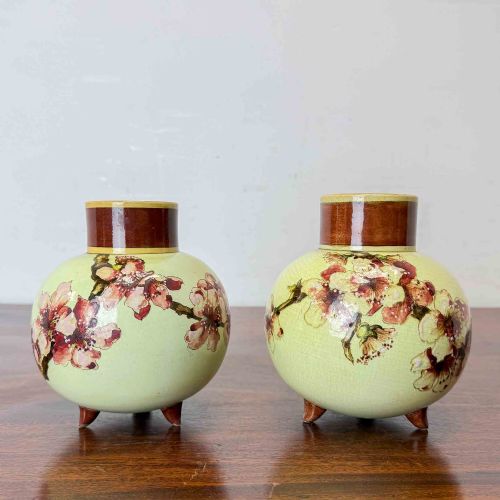
Firing techniques varied from traditional kiln work for rustic French confit pots to specialised studio methods employed by makers such as Burmantofts, Moorcroft, and Sir Edmund Elton. Certain pieces feature slip-trailing, moulded relief, or hand-painted botanical motifs beneath the glaze.
Green Glazed Earthenware Vase Retail Price Guide 2026
Typical asking prices for green glazed earthenware vase among the pieces listed under this phrase on Sellingantiques today, from the lower quarter to the upper quarter. They describe what is for sale here now, not the wider market.
Listings feature earthenware, terracotta, and ceramic bodies finished with lead glazes, enamel, and majolica across nineteenth-century and early twentieth-century periods.
What varies in quality
Quality in these ceramics lies in the depth and richness of the glaze application, particularly how the green tones pool, craze, or pool across the earthenware body. Superior pieces display confident handling of form, whether in the fluid lines of an Art Nouveau bottle vase or the robust proportions of a nineteenth-century confit jar.
Artistic ambition and provenance further separate standard production from exceptional work. Pieces associated with named makers, registered designs, or specific Arts and Crafts studios exhibit more sophisticated modelling and deliberate decorative detail than anonymous utility wares.
Moorcroft·Burmantofts Pottery·Doulton Lambeth·Sir Edmund Harry Elton·Ulisse Cantagalli·Minton
The Green Glazed Earthenware Vase Glossary
- Earthenware
- Porous pottery fired at relatively low temperatures, requiring a glaze to become impermeable to liquids. It forms the structural base for the majority of these green glazed vessels.
- Lead glaze
- A traditional shiny coating containing lead oxide that melts during firing to form a glassy surface. It interacts with metallic oxides to produce deep green hues.
- Confit pot
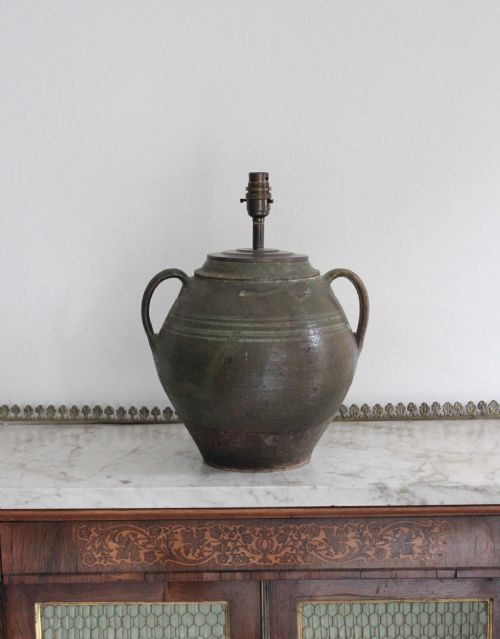
- A utilitarian French earthenware jar traditionally used for preserving food, typically featuring a partially glazed body and local regional styling.
- Majolica
- Opaque tin-glazed earthenware decorated with colourful metallic oxide pigments. It gained immense popularity during the Victorian era for ornamental vases and figures.
- Spill vase
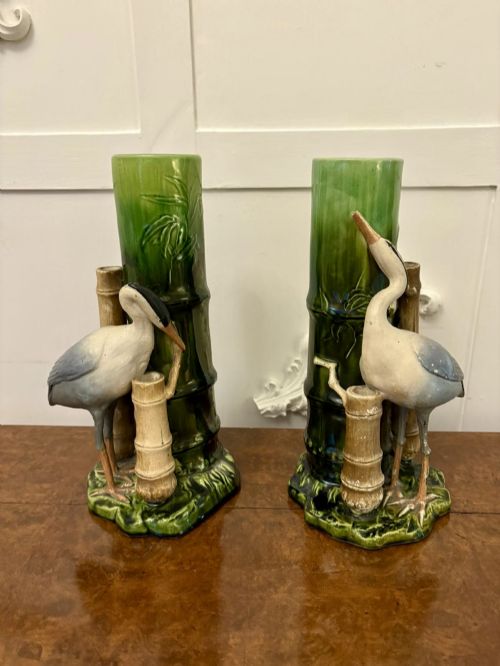
- A small vertical container designed to hold tapered spills of paper or wood used for lighting candles and fires. Staffordshire examples often depict animals or architectural follies.
Green Glazed Earthenware Vase: Frequently Asked Questions
Are these vases suitable for holding water?
Many nineteenth-century and studio earthenware pieces feature porous clay bodies or historical hairline cracks beneath the glaze.
It is safest to use a discreet glass liner inside antique vessels if you wish to display fresh flowers without risking moisture damage.
How do I identify the period of a green glaze?
Victorian and nineteenth-century glazes often exhibit distinctive crackle patterns and deep celadon or olive tones influenced by aesthetic movements.
Examine the base for potter marks, registration numbers, or the texture of the terracotta body to help confirm the manufacturing era.
What is the difference between faience and majolica?
Faience generally refers to tin-glazed earthenware produced in France and other European centres, often showing softer pastel or provincial decoration.
Majolica uses a similar tin-glaze technique but is particularly associated with the vibrant, heavily moulded Victorian wares popularized by factories like Minton.