
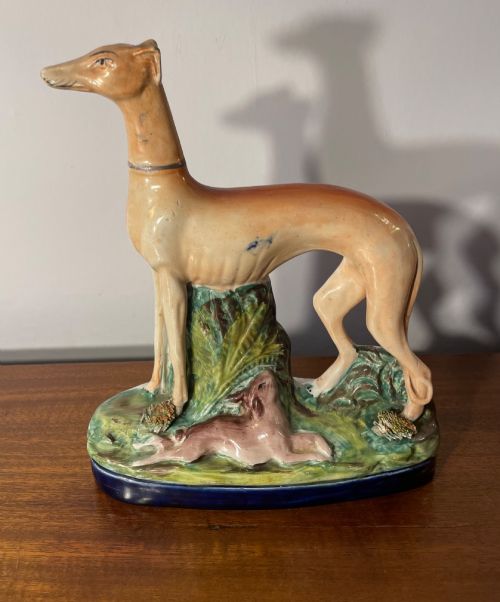
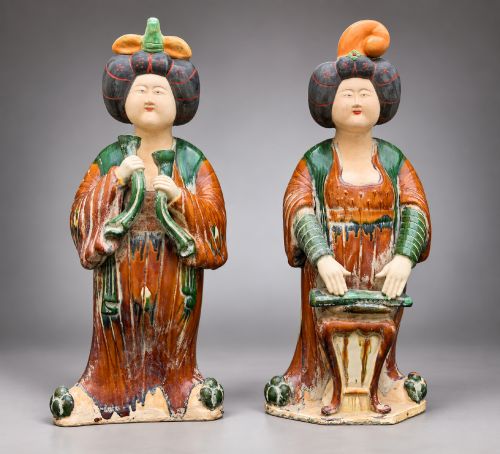
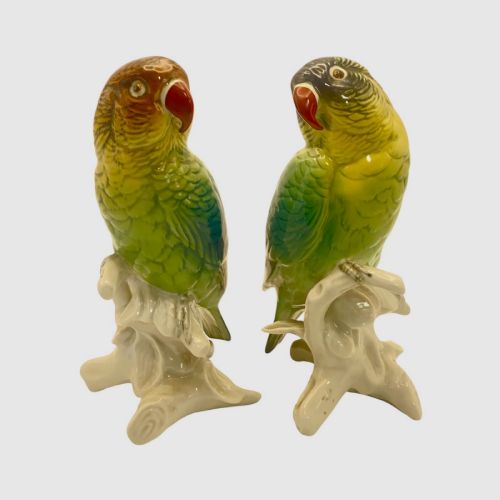
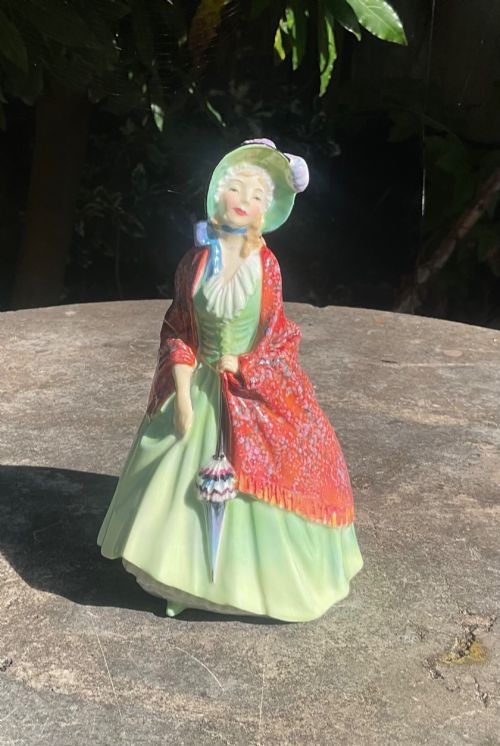


Green Glazed Ceramic Statue
A green glazed ceramic statue brings spirited colour and character to a room, ranging from antique Chinese figures to Art Deco studies.
Green Glazed Ceramic Statue
When you search for a green glazed ceramic statue, you encounter a diverse gathering of decorative figures, pottery groups, and sculptural objects spanning multiple centuries and continents. The selection encompasses traditional earthenware, porcelain, and fine pottery shaped into animals, human figures, and mythological subjects.
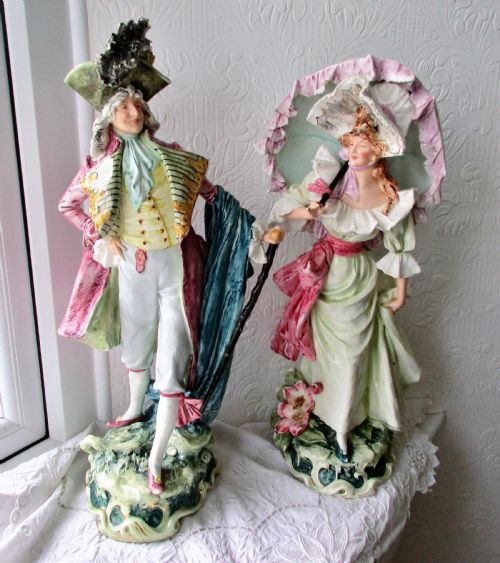
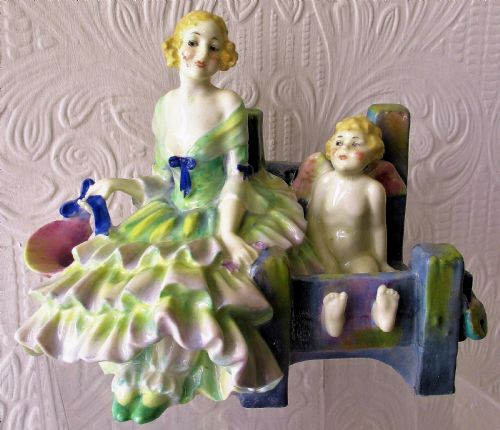
The versions you are most likely to meet on this page include twentieth-century Art Deco ladies and birds, nineteenth-century European porcelain figures, and Chinese pottery creations styled after earlier dynasties. These pieces cross various periods from the eighteenth century through to the interwar decades of the nineteen-thirties.
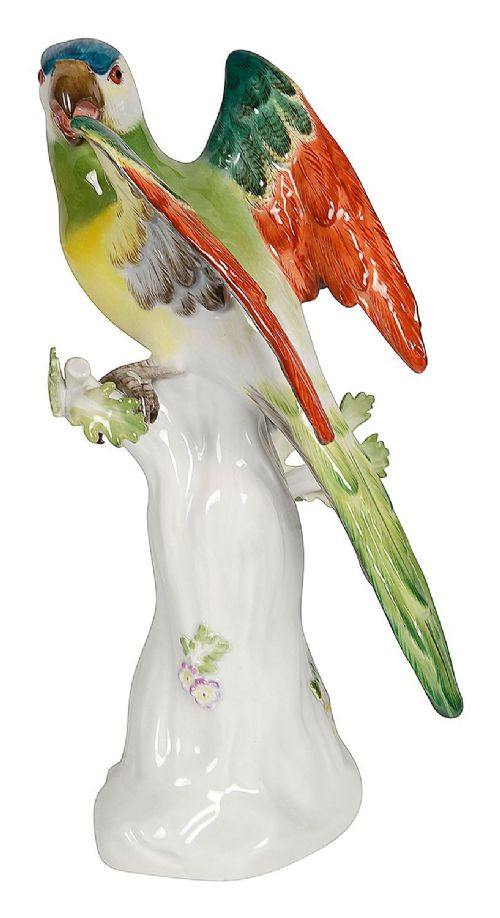
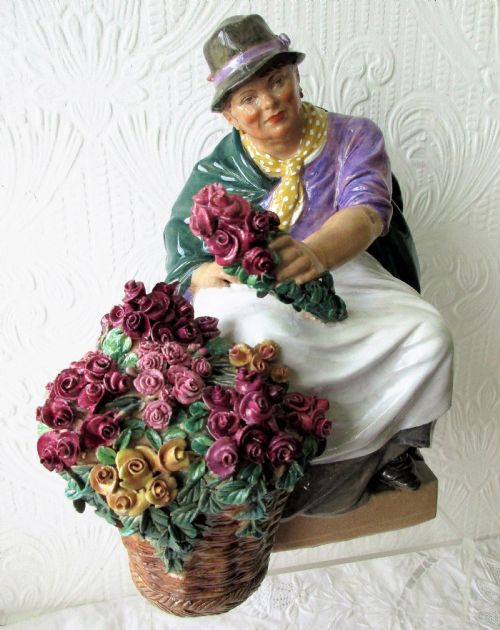
Makers and regional potteries from England, Germany, France, Bohemia, and Asia shape the character of these sculptures. Buyers find pairs of musician figures, parrots, dogs of foe, and individual character studies ready for placement in traditional or modern interiors.
How they were made
The pieces rely on earthenware, porcelain, and ceramic bodies shaped by hand or moulded before receiving liquid coatings. Artisans applied lead glazes, enamel pigments, and specialised washes to achieve the characteristic green surfaces seen across the inventory.
Firing techniques varied according to the pottery tradition, from European kilns producing fine German art porcelain and English studio pieces to Asian workshops utilising sancai and pale celadon glazing methods. These processes combined mineral oxides with high-heat firing to bond the colourful vitreous layers permanently to the clay beneath.
Listings feature items spanning the eighteenth century through to the nineteen-thirties, utilising earthenware, porcelain, and lead glaze.
What varies in quality
The standard of a green glazed ceramic statue rests upon the crispness of the modelling and the depth achieved in the glaze application. Superior examples display sharply defined facial expressions, intricate feather or drapery details, and an even coat of glaze that pools richly in the recesses without obscuring the form.
Workmanship from established potteries and named modellers generally exhibits a higher degree of anatomical accuracy and balanced proportions than mass-produced alternatives. The harmonious interplay between the green tones and the underlying ceramic body ultimately determines the visual success of the sculpture.
Karl Ens·Royal Doulton·Meissen·Charles Vyse·Royal Dux·Eichwald·Alois Hampel·Le Manceau·James Hadley
The Green Glazed Ceramic Statue Glossary
- Sancai
- A traditional type of Chinese three-colour glaze, predominantly featuring amber, green, and cream tones applied to pottery figures and vessels.
- Earthenware
- Porous pottery fired at lower temperatures, commonly used for traditional figures and studio ceramics before being glazed.
- Porcelain
- A hard, fine-grained ceramic material fired at high temperatures, valued for its smooth surface and ringing tone when struck.
- Shishi
- A traditional Japanese representation of a guardian lion or mythical beast, often modelled in ceramic as a protector figure.
- Pearlware
- A refined type of earthenware developed in the eighteenth century with a bluish-white glaze that enhanced underglaze painting.
Green Glazed Ceramic Statue: Frequently Asked Questions
Where should I place a ceramic statue?
These figures suit tabletops, mantelpieces, and dedicated display cabinets where their colours can catch the light. Placing them away from direct foot traffic protects them from accidental knocks.
Ensure the surface is stable and level to support the weight of denser pottery or porcelain sculptures safely.
How do I clean a glazed statue?
Dust the surface gently with a soft, dry brush or a feather duster to remove everyday particles. Avoid harsh chemical cleaners or abrasive cloths that might scratch the glaze.
If a deeper clean is necessary, use a slightly damp cloth with mild soap, drying the piece thoroughly afterwards.
Are these figures waterproof?
Most ceramic and porcelain statues are decorative objects rather than functional vessels, meaning their glazes may not seal the interior completely. Using them to hold water for fresh flowers can risk moisture seeping into porous clay bodies.
Keep them dry and display them in indoor environments away from excessive dampness.
How can I tell the age of a piece?
Age is determined by examining the characteristics of the ceramic body, the style of the glaze, and any makers' marks or impressed numbers on the base. Comparing the modelling style with documented periods helps narrow down the decade of production.
Wear patterns on the unglazed footrim also offer clues regarding the length of time a statue has existed.