

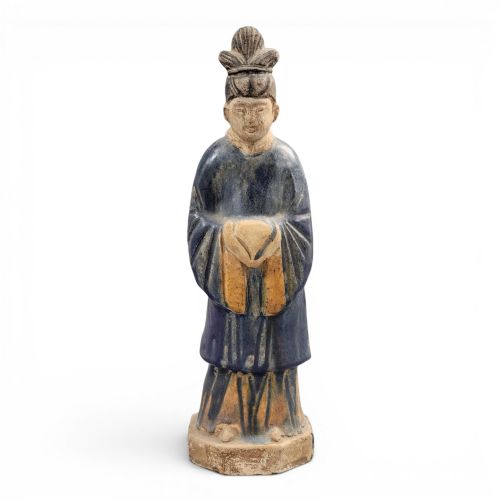


Earthenware Chinese Figure
These earthenware chinese figure sculptures bridge millennia of ceramic art, offering tactile connections to ancient court and tomb traditions.
Earthenware Chinese Figure
An earthenware chinese figure encompasses sculptural ceramics fashioned from porous clay across multiple dynasties and later revival periods. Buyers examining this page encounter forms ranging from pre-sixteenth century tomb figures to twentieth-century Tang Dynasty style interpretations.
The selection spans numerous object types, including decorative figurines, incense holders, and larger sculptures of animals and attendants. Pieces emerge from periods such as the Han, Tang, Sui, and Ming dynasties, alongside later creations from the late nineteenth and early twentieth centuries.
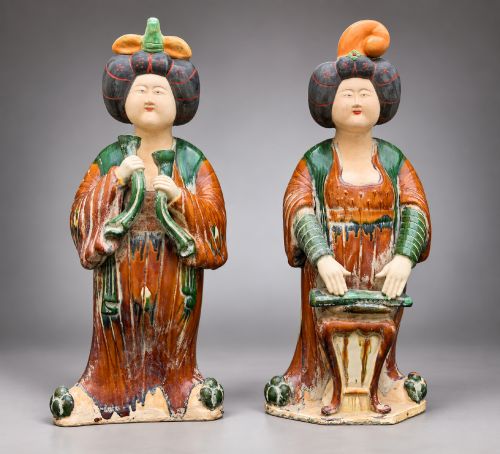
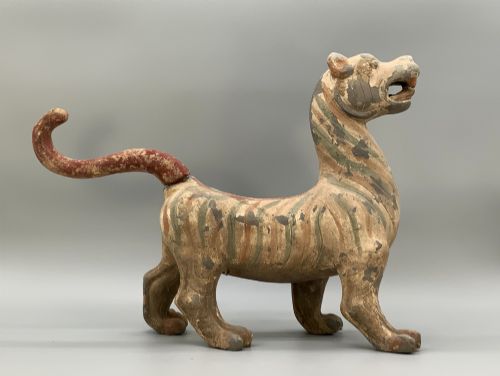
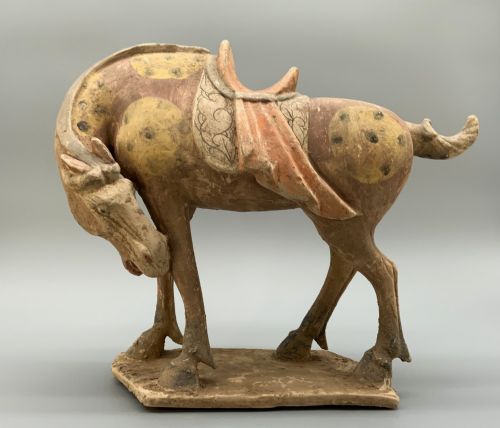
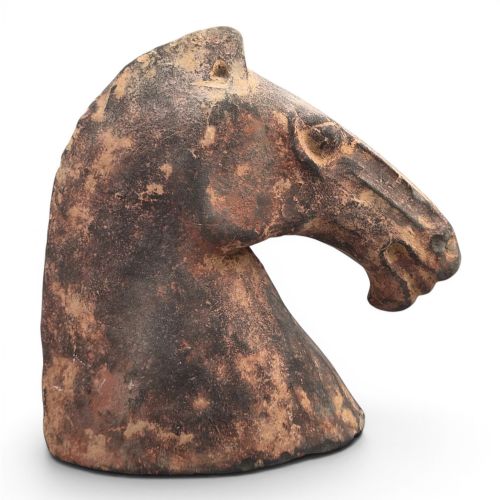
Figures depict human courtiers, musicians, dancers, laughing boys, and mythical guardians like horses, tigers, and Buddhist lions. These works originate primarily as funerary art or decorative sculptures reflecting the aesthetic priorities of their respective eras.
Materials and construction methods
Makers shaped these works using basic ceramic materials such as terracotta, clay, and earthenware. Potters frequently applied mineral pigments directly to the fired clay or utilised lead glazes and sancai glazes to build surface colour.
Many ancient examples function as mingqi, or spirit objects, moulded for burial to accompany the deceased. Later twentieth-century workshop pieces adopted historical styles to recreate the visual vocabulary of early dynasties.
Listings feature earthenware materials alongside mineral pigments, lead glazes, and terracotta across periods spanning the Tang Dynasty style to the seventeenth century.
Evaluating sculptural quality
Quality rests in the fidelity of the sculptural modelling, particularly in the rendering of facial expressions, drapery folds, and anatomical proportions. Stronger pieces display confident handling of the clay, whether capturing the dynamic stance of a dancer or the robust form of a horse.
The application and preservation of surface decoration also dictate distinction, from the controlled drips of sancai glazes to the remaining traces of mineral pigment. The clarity of form distinguishes compelling works from simpler decorative items.
The Earthenware Chinese Figure Glossary
- Mingqi
- Spirit objects or burial goods placed in tombs to serve the deceased in the afterlife. These ceramic figures represent attendants, animals, and guardians.
- Sancai
- Three-colour lead glaze technique characteristic of Tang Dynasty ceramics, typically combining amber, green, and cream tones. Potters allowed these colours to run and blend naturally across the vessel or figure.
- Terracotta
- Unglazed, brownish-red fired earthenware used extensively for ancient sculptures and architectural elements. This porous material readily accepts surface pigments.
- Famille rose
- A palette of opaque rose-pink enamel introduced in the Qing Dynasty for decorating ceramics. The style permits subtle shading and varied tonal depth.
- Lead glaze
- A glossy ceramic coating containing lead oxide that matures at low temperatures. It produces a vitreous surface often seen on early earthenwares.
Earthenware Chinese Figure: Frequently Asked Questions
What is a mingqi figure?
A mingqi is a burial object created specifically for placement inside a tomb. These figures served to accompany and protect the deceased.
They depict domestic animals, guardians, and attendants meant to provide for the spirit in the afterlife.
How do I care for earthenware ceramics?
Keep these pieces in stable indoor conditions away from direct sunlight and excessive moisture. The porous nature of earthenware demands gentle handling.
Dust them softly with a dry cloth and avoid harsh chemical cleaners that might disturb ancient pigments or glazes.
What does sancai glaze mean?
Sancai translates as three colours, referring to the lead-glazed ceramics produced notably during the Tang Dynasty. Potters combined amber, green, and creamy white hues.
These mineral glazes mingle during the firing process to create characteristic drips and mottling on the pottery surface.
How are ancient figures dated?
Dating relies on stylistic comparisons with excavated examples, examining clay composition, and assessing pigment wear. Forms change distinctly across dynastic periods.
Archaeological context and kiln technology characteristic of eras like the Han or Tang provide key chronological markers.
Were these figures meant for display?
Many early pieces were originally created exclusively for burial within tombs rather than domestic display. Their primary function was ritualistic.
Twentieth-century revival pieces and later nineteenth-century items, however, were made specifically as decorative sculptures for homes.