

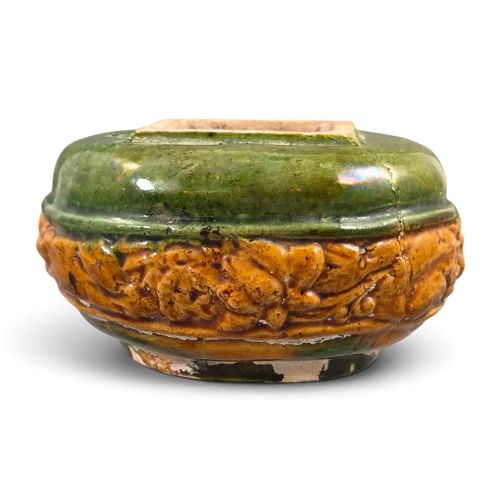
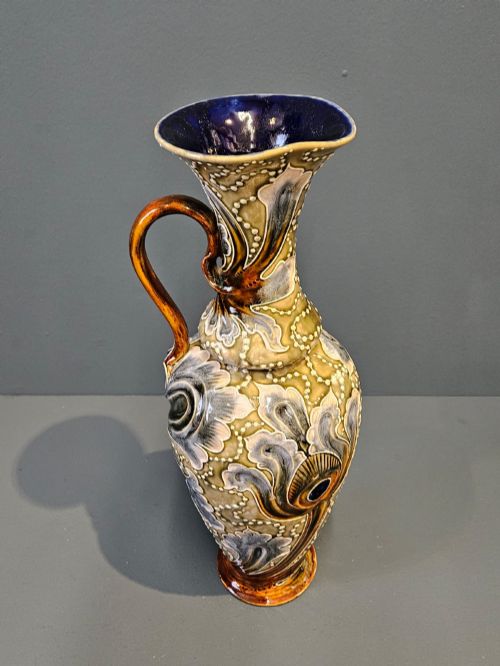
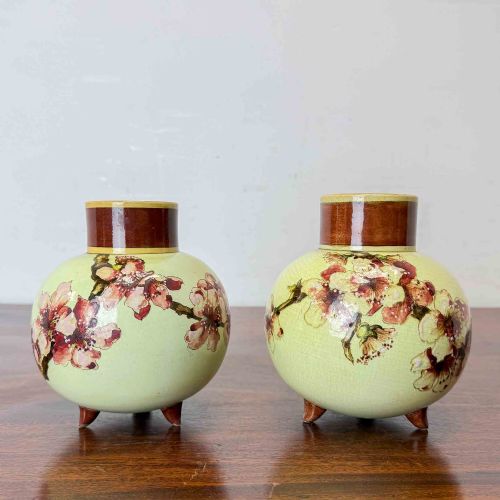
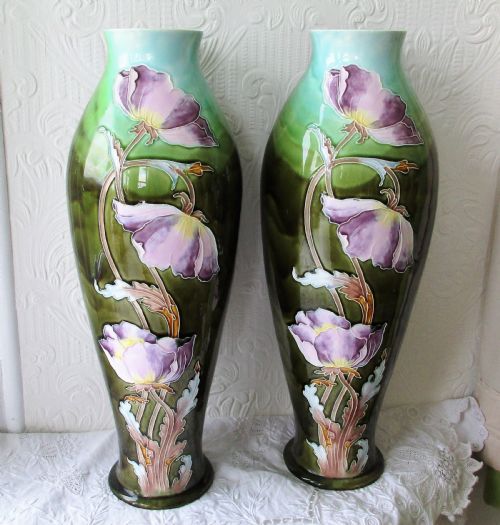
Green Glaze Pottery Vessel
When you search for a green glaze pottery vessel, you step into a vast lineage of ceramic history spanning ancient dynasties and British art pottery.
Green Glaze Pottery Vessel
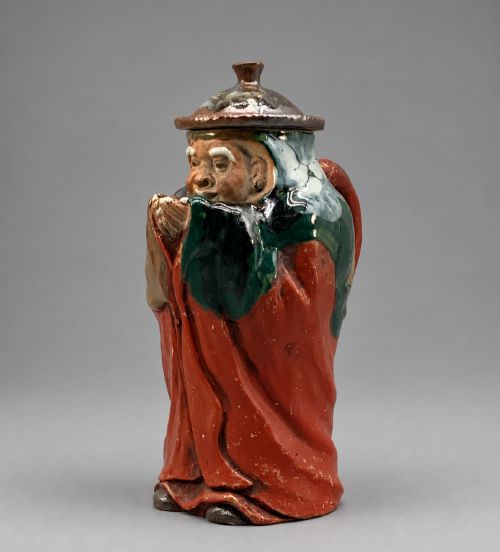
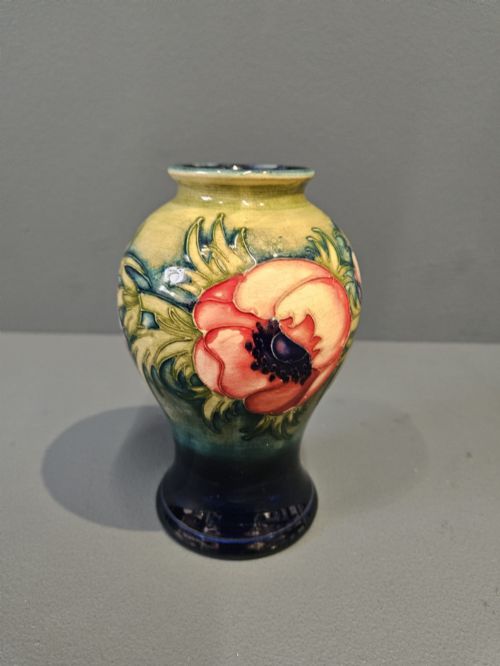
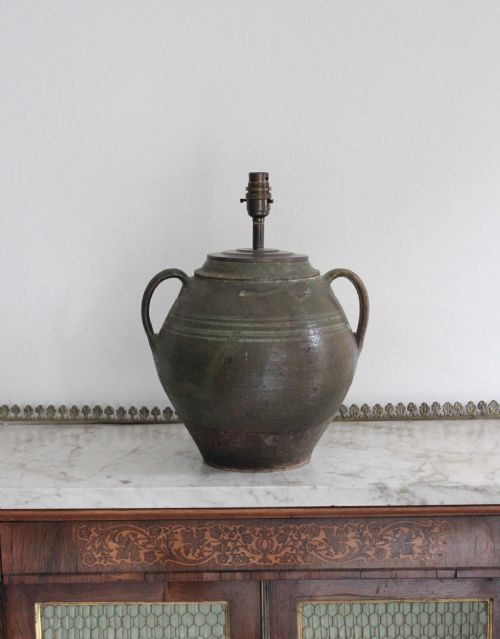
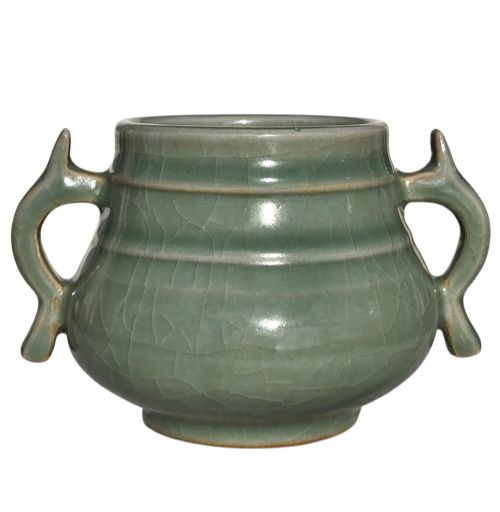
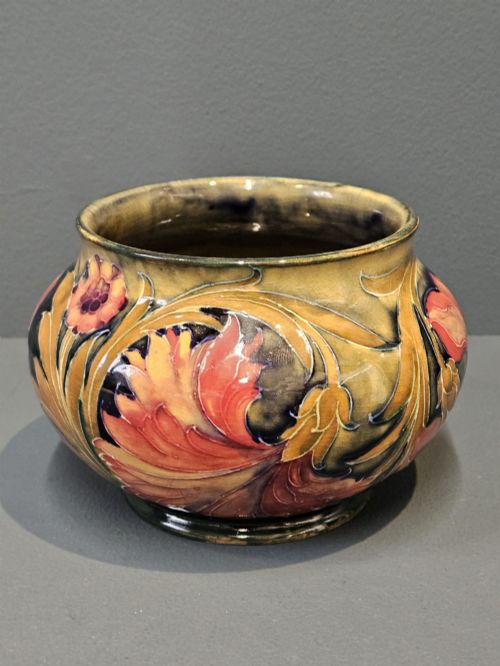
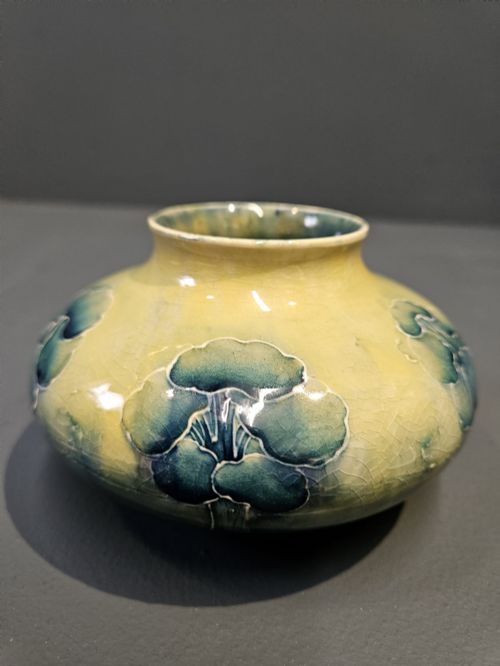
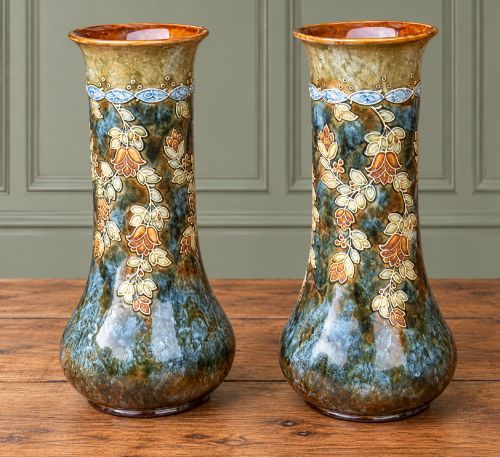
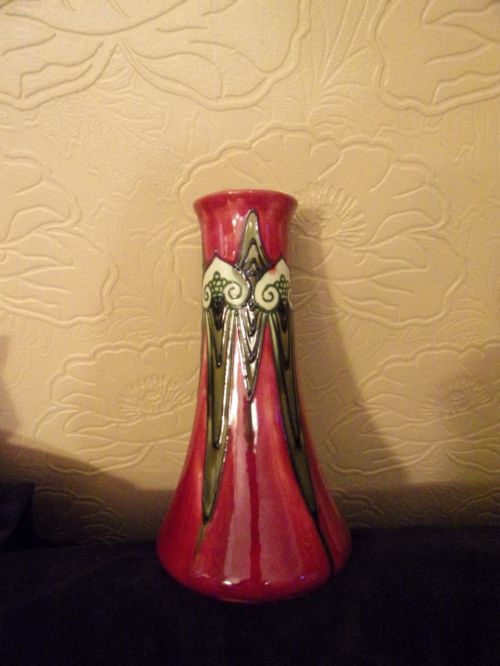
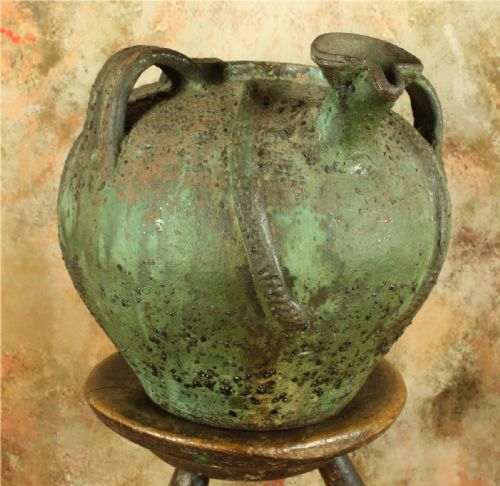
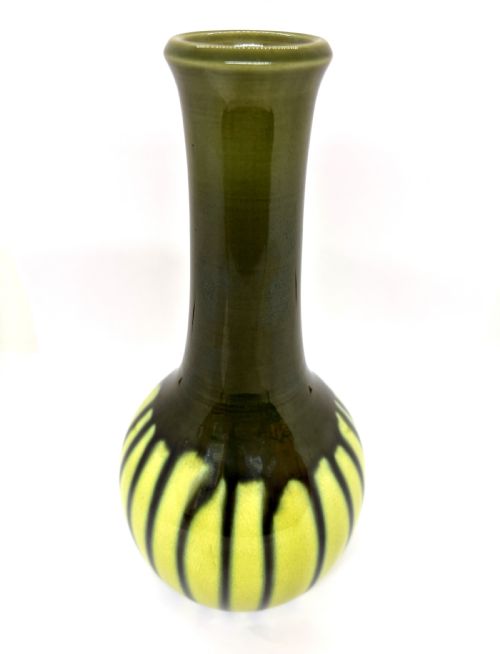
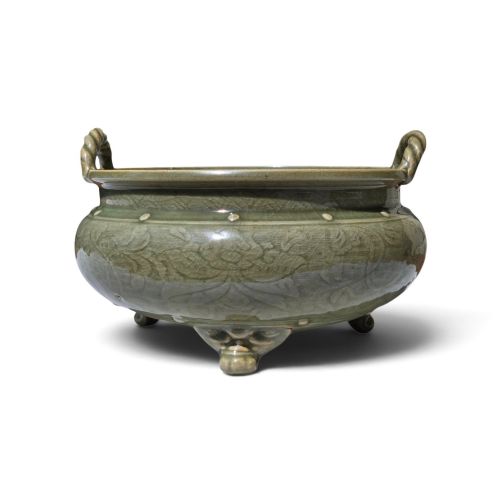
A green glaze pottery vessel encompasses functional and decorative forms ranging from Chinese celadon wares of the Song and Ming dynasties to nineteenth-century British studio pottery and Victorian stoneware.
The selections on this page appear primarily as vases, jars, ewers, and jugs, created across diverse periods including the nineteenth century, Edwardian era, and pre-sixteenth century centuries.
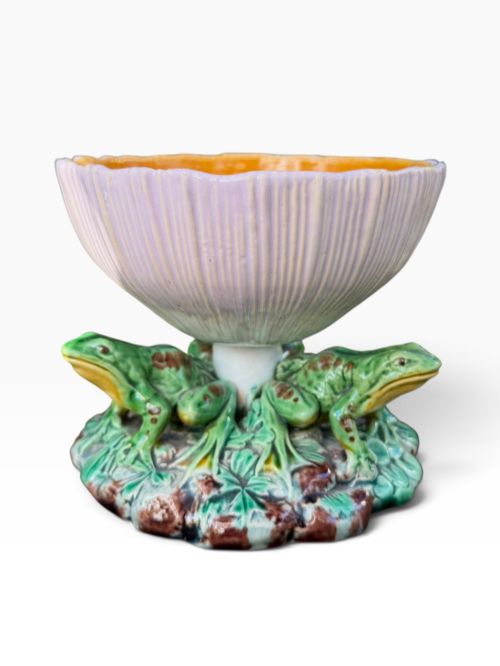
Buyers encounter European earthenware, French faience, and Asian ceramics united by the application of distinct green surface treatments, from subtle celadon and tea dust to rich majolica and lead glazes.
How they were made
Potters utilised natural earthen materials, terracotta, and dense stoneware bodies, shaping them on the wheel or forming them into complex moulded shapes such as tripod censers and confit jars.
Surface coloration relies on specialised chemical glazes, including lead, celadon, and tin preparations, which vitrify during firing to produce characteristic green tones.
Decorations often incorporate tube-lined patterns, hand-painted botanical motifs, or incised details executed before the final kiln firing.
Green Glaze Pottery Vessel Retail Price Guide 2026
Typical asking prices for green glaze pottery vessel among the pieces listed under this phrase on Sellingantiques today, from the lower quarter to the upper quarter. They describe what is for sale here now, not the wider market.
Listings feature centuries of ceramic traditions, uniting Ming Dynasty celadons with Victorian British art pottery under unified green glazes.
What varies in quality
The standard of a green glaze pottery vessel rests upon the precision of its form and the depth achieved within the glaze itself, where uneven pooling or lifeless opacity indicates lesser execution.
Artisanal execution distinguishes masterworks from commercial output, particularly in pieces bearing specific studio signatures or tube-lined designs that demand steady control.
Historical significance and preservation of the ceramic body also dictate value, as early earthenware bodies are exceptionally fragile over centuries of survival.
Royal Doulton Lambeth·Moorcroft·Wedgwood·Makuzu Kozan·Sir Edmund Elton
The Green Glaze Pottery Vessel Glossary
- Celadon glaze
- A pale green to jade glaze originating in East Asia, prized for its jade-like appearance and translucency over carved clay bodies.
- Majolica
- A type of earthenware coated with an opaque tin-lead glaze and decorated with metallic oxide colours, producing vibrant and glossy surfaces.
- Stoneware
- A robust, vitrified pottery body fired at high temperatures until impermeable to liquids, commonly utilised by nineteenth-century British makers.
- Terracotta
- Unglazed or glazed fired reddish-brown earthenware used widely for large utilitarian vessels, garden wares, and sculptural pieces.
- Faience
- European tin-glazed earthenware developed particularly in France and Italy, featuring a white or tinted base glaze painted with coloured designs.
Green Glaze Pottery Vessel: Frequently Asked Questions
How do I clean an antique green glaze pottery vessel?
Dust the surface gently with a soft, dry cloth to prevent accumulation of grit within recessed decorative details or crazed glaze lines.
Avoid submerging porous earthenware bodies in water or using chemical cleaning agents that may harm historic glazes.
Are these vessels water-tight for daily use?
Many stoneware and high-fired ceramic vessels remain naturally impermeable and can hold water safely for floral displays.
Older earthenware or porous terracotta pieces often develop hairline fractures or micro-porosity, requiring a discreet liner to protect surfaces.
How can I tell the difference between Asian celadon and European majolica?
Asian celadon relies on iron oxides within a silicate glaze integrated directly into the stoneware body during high-temperature reduction firing.
Majolica uses an opaque tin-lead glaze over a softer earthenware base, showcasing bright surface colours rather than translucent stone depths.
What is the best way to display a heavy ceramic vessel?
Position heavier items on stable, level furniture away from busy household traffic where accidental impacts might occur.
Ensure the supporting surface distributes the weight evenly, particularly for wide-based bowls or monumental stoneware pieces.