





Meiji Period Studio Pottery
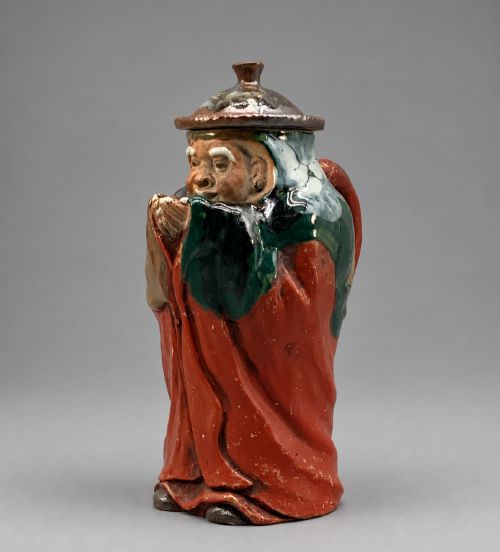
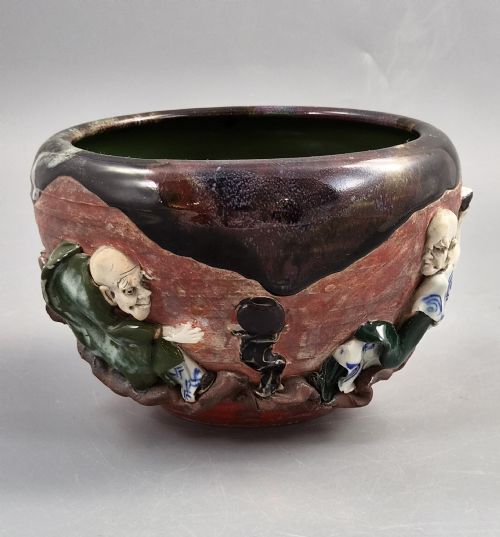
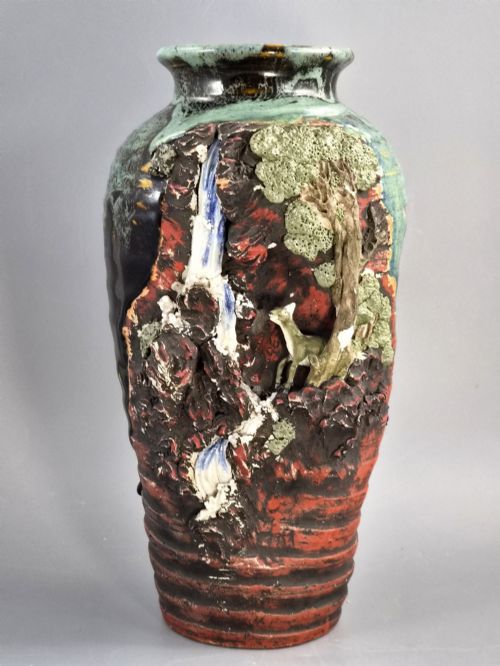
These pieces of meiji period studio pottery combine textured earthenware and delicate enamel, offering collectors traditional forms from the late nineteenth and early twentieth centuries.
Meiji Period Studio Pottery
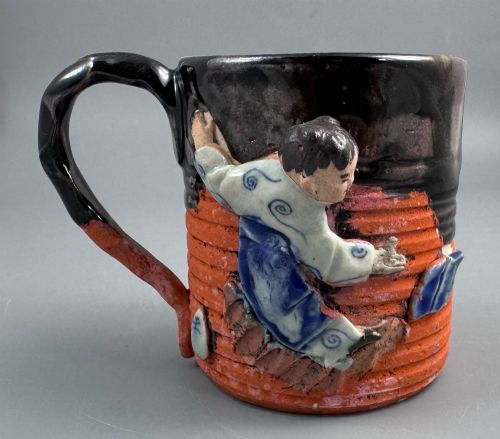
Meiji period studio pottery encompasses a range of decorative ceramics, from vases and decorative bowls to teacups, saucers, and mugs.
The objects on this page frequently originate from the Meiji and Meiji-Taisho periods, dating across the late nineteenth and early twentieth centuries.
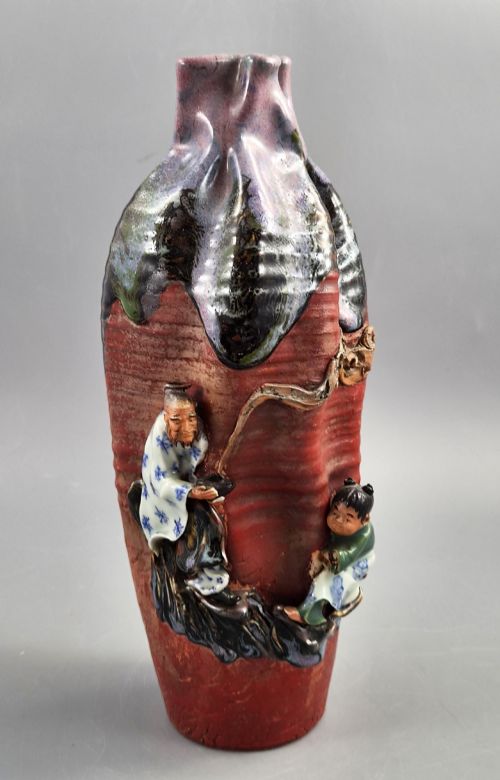
Vessels include sculptural landscape vases, brush washers, and globular Satsuma vases featuring distinct applied figures and detailed motifs.
Materials and Techniques
Maker workshops utilise earthenware, stoneware, and terracotta as the foundational bodies for these ceramic pieces.
Surfaces are finished with glaze, enamel, and gold leaf, often incorporating applied figures in relief.
Techniques range from lavender flambé glazes to intricate hand-painted flowerhead patterns across Kyoto studio productions.
Meiji Period Studio Pottery Retail Price Guide 2026
Typical asking prices for meiji period studio pottery among the pieces listed under this phrase on Sellingantiques today, from the lower quarter to the upper quarter. They describe what is for sale here now, not the wider market.
Mugs, tankards, and teacups appear alongside large sculptural landscape vases and detailed floral decorative bowls.
Assessment of Quality
Execution of applied relief figures and depth of sculptural landscape detail distinguish individual works.
Clarity of signatures from notable ceramicists and workshops indicates higher distinction within the medium.
Inoue Ryōsai·Ban-ni·Kōko·Makuzu Kozan·Kinkozan·Makuzu Kozan II·Shozan·Kizan
The Meiji Period Studio Pottery Glossary
- Earthenware
- Porous ceramic fired at relatively low temperatures. It forms the base for many traditional glazed vessels.
- Flambé
- A streaky, variegated glaze achieved through kiln variations. This technique creates dramatic colour transitions on the ceramic surface.
- Satsuma
- A type of Japanese earthenware featuring a pale, ivory crackle-glaze. These pieces are typically decorated with delicate enamels and gilding.
- Suiban
- A shallow basin traditionally used for flower arrangement or as a brush washer. These ceramic trays often feature figural decorations.
Meiji Period Studio Pottery: Frequently Asked Questions
How do I identify Satsuma ware?
Satsuma ceramics are characterised by a fine, ivory-coloured crackle glaze that provides a canvas for elaborate enamel and gold leaf decorations. They encompass everything from globular vases to sugar bowls.
Most pieces from this tradition bear signatures from specific Kyoto studios and master makers who perfected the intricate floral and figural motifs.
How are these pieces dated?
Dating relies on stylistic markers, materials, and documented periods such as the Meiji and Taisho eras, alongside artist signatures. Workshops often transitioned their styles across these decades.
Exact years are deduced from historical workshop records and the specific application techniques used by named makers active in the late nineteenth and early twentieth centuries.
Can I use these vessels for plants?
While forms like suiban and brush washers were originally designed for specific scholarly or display purposes, their ceramic bodies require careful handling. Many items are primarily decorative due to their age and delicate relief work.
Exposing antique earthenware and glaze to constant moisture can risk damage to the historic material, so gentle placement in a stable environment is recommended.