


Green Glaze Earthenware
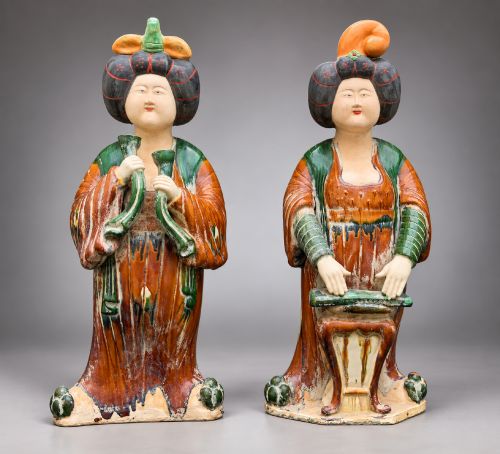
Green glaze earthenware brings together centuries of rich surface colour and utilitarian form, offering buyers tactile historic vessels, jardinieres and figures.
Green Glaze Earthenware
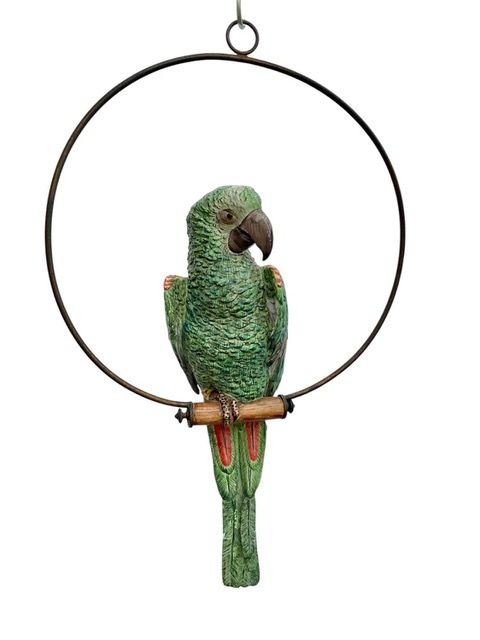
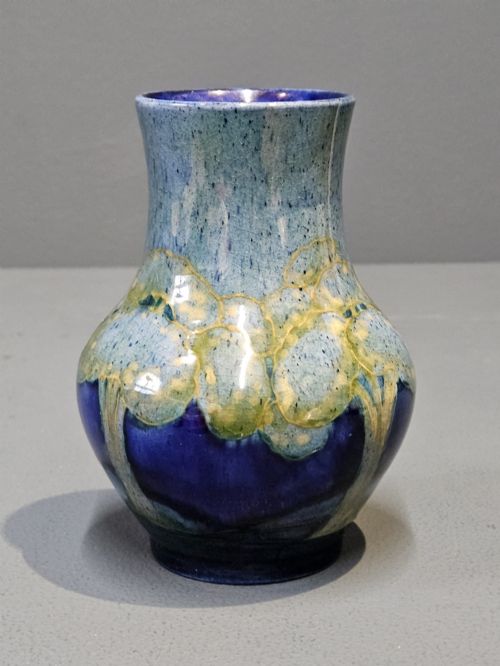
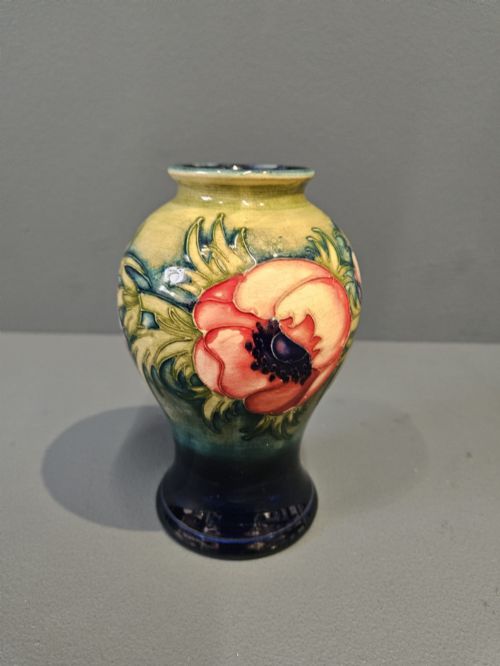
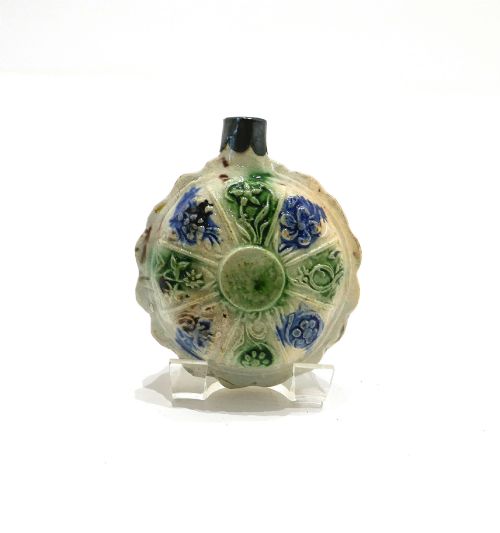
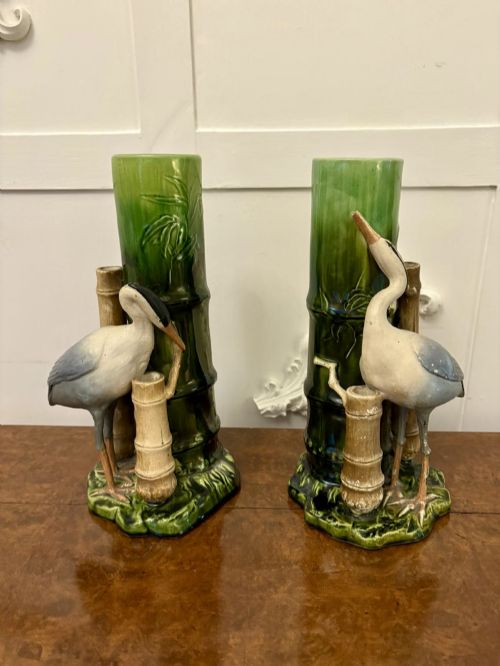
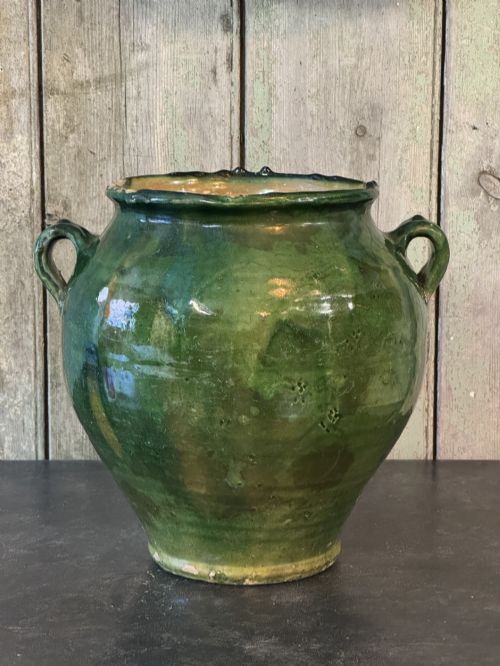
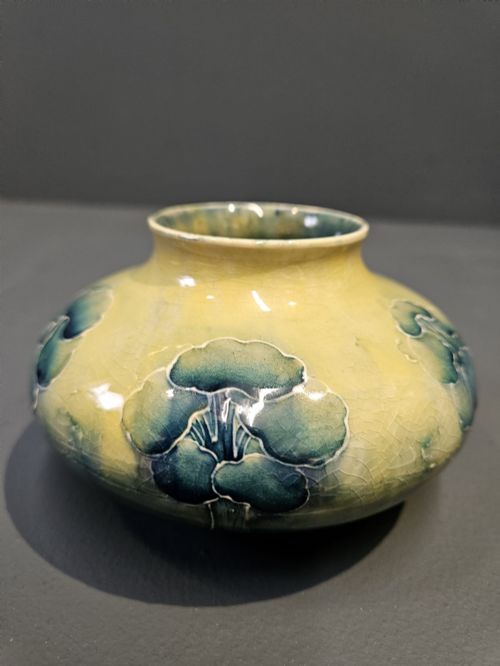
When you search for green glaze earthenware, you encounter a diverse range of objects spanning utility and display, from French confit pots and olive jars to majolica dessert services and art pottery vases. The pieces you are most likely to meet on this page originate from nineteenth and early twentieth century European and English traditions, alongside earlier Asian examples.
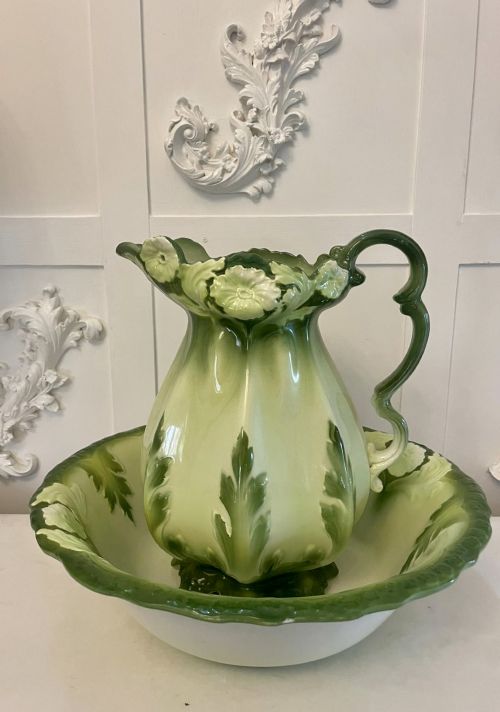
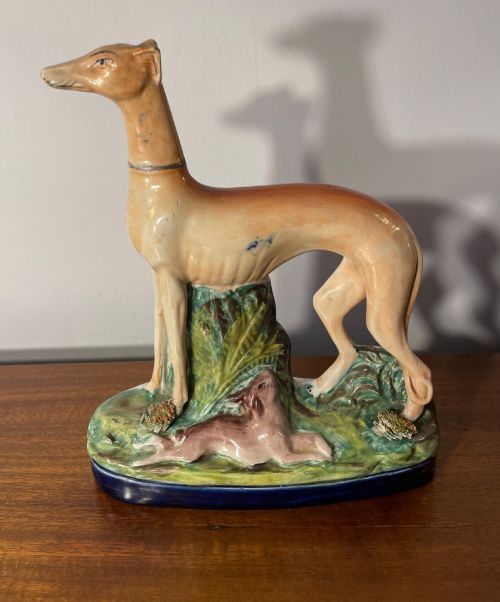
Forms vary from domestic vessels like chamber pots, cheese dishes and water vessels to decorative figures, spill vases and jardinieres. These items reflect both everyday storage needs and the Victorian appetite for ornamental ceramics.
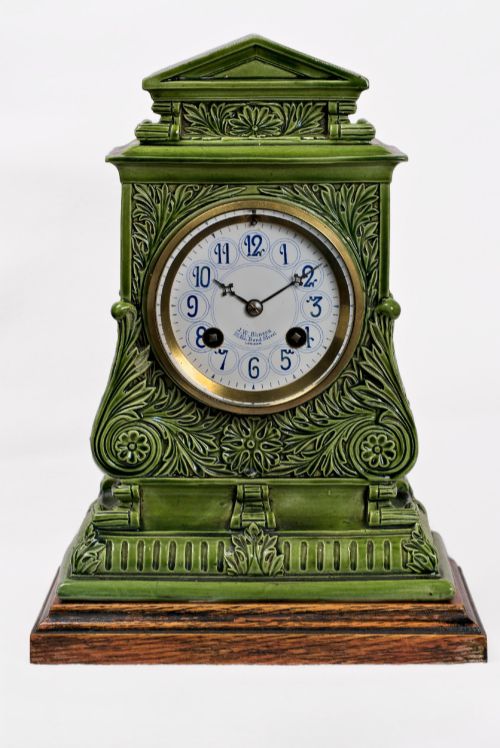
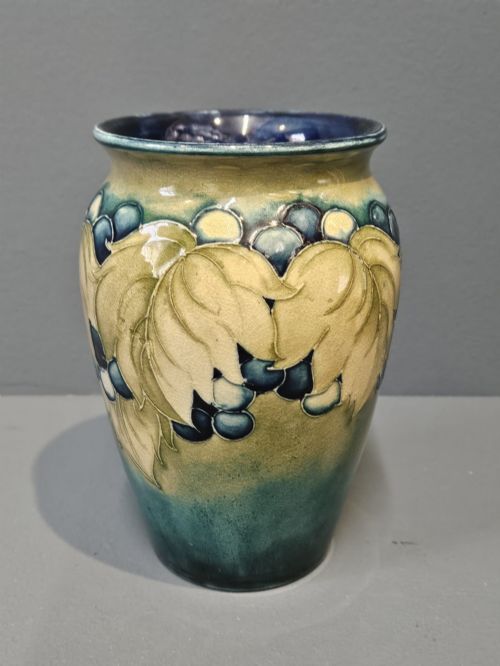
The aesthetic is defined predominantly by lead glaze, celadon and majolica surface treatments, rendered in tones ranging from deep sage to vibrant emerald. Each item demonstrates how potters utilised mineral oxides to achieve varied surface sheens upon terracotta, ceramic and earthenware bodies.
Materials and technique
Potters built these pieces using porous earthenware and terracotta bodies, shaped either by hand, on the potter's wheel, or pressed into moulds. The resulting clay body provided a stable base for subsequent decoration and glazing.
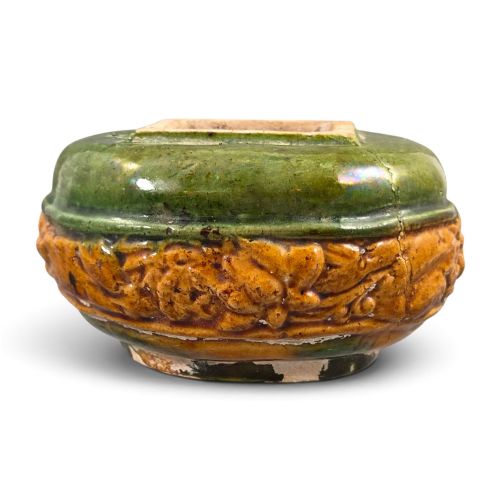
The characteristic green finish relied upon metallic oxides, predominantly copper, suspended within lead glazes or tin enamels. Firing transformed these mixtures into glossy, translucent or opaque coats that pooled richly in the recesses of moulded and incised decoration.
Green Glaze Earthenware Retail Price Guide 2026
Typical asking prices for green glaze earthenware among the pieces listed under this phrase on Sellingantiques today, from the lower quarter to the upper quarter. They describe what is for sale here now, not the wider market.
Materials documented across the pieces include terracotta, standard earthenware, lead glaze, enamel, and specialised studio ceramic bodies.
Assessing quality
Quality rests upon the depth and control of the glaze, where even application and rich pooling enhance the modelled details without obscuring them. Superior examples display a harmonious relationship between the boldness of the earthenware form and the vibrancy of the surface colour.
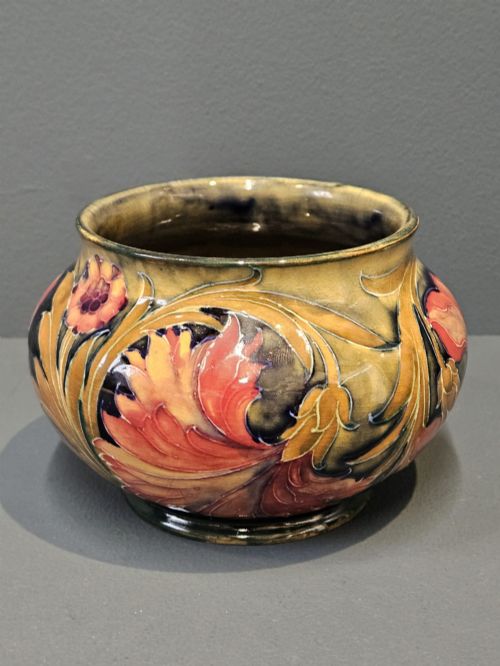
Artistry in hand-painted elements, crispness of moulded relief, and the integrity of the ceramic body distinguish ambitious studio pieces from standard utilitarian wares. Maker attribution and well-preserved glaze surfaces further elevate individual items.
Moorcroft·Doulon Burslem·Burmantoft's Pottery·Charles Vyse·W.A. Adderley·Minton·Ulisse Cantagalli·Sir Edmund Harry Elton
The Green Glaze Earthenware Glossary
- Earthenware
- Porous pottery fired at relatively low temperatures which requires glazing to become watertight. It forms the structural base for the majority of these green-glazed objects.
- Majolica
- A type of earthenware decorated with opaque coloured glazes over a tin enamel, known for bright polychrome and monochrome effects including rich green lead glazes. It gained immense popularity during the Victorian period.
- Confit pot
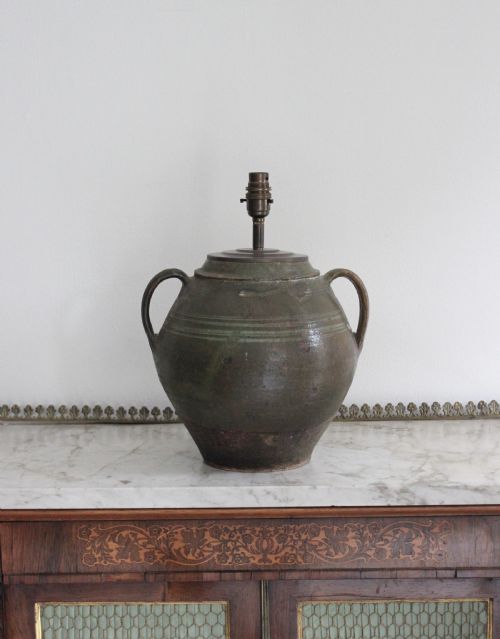
- A traditional French earthenware jar designed for preserving food, typically featuring handles and a partially or fully glazed body. These utility vessels are prized today for their robust rustic charm.
- Spill vase
- A small mantelpiece vase specifically intended to hold slender tapers of wood used for lighting candles and fires. Staffordshire potters frequently produced these in pairs with figurative motifs.
- Celadon
- A term denoting both a pale green jade-like glaze and the ceramic wares that bear it. Originating in East Asia, this finish relies on iron oxides reduced during firing.
Green Glaze Earthenware: Frequently Asked Questions
What is green glaze earthenware?
Green glaze earthenware comprises ceramic and terracotta objects finished with copper-bearing or lead glazes that impart a green hue.
These items range from functional French storage jars to decorative English majolica and studio pottery vases.
How were confit pots used?
Confit pots were utilised in French rural households for storing preserved meats, confit and fats.
Their glazed interiors prevented seepage while the unglazed lower bodies helped maintain coolness in larders.
How do I clean these ceramics?
Dust surfaces gently with a soft dry cloth and avoid harsh chemical immersion that might damage historic glazes.
Porous earthenware bodies should not be submerged in water for prolonged periods.