



Green Enamel Ceramic
Green enamel ceramic pieces bring together vibrant mineral pigments and fired earth, offering collectors centuries of hand-painted detail and colour.
Green Enamel Ceramic
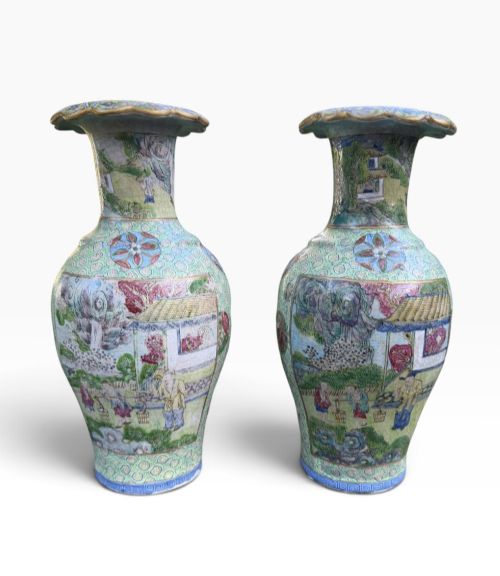
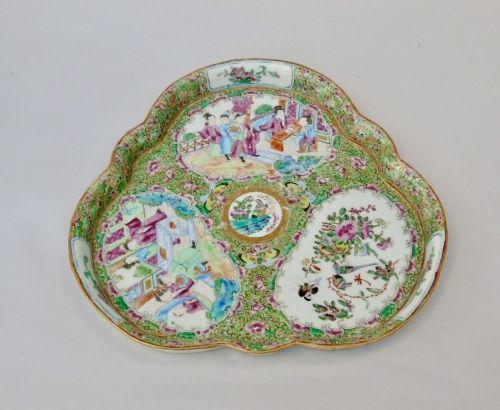
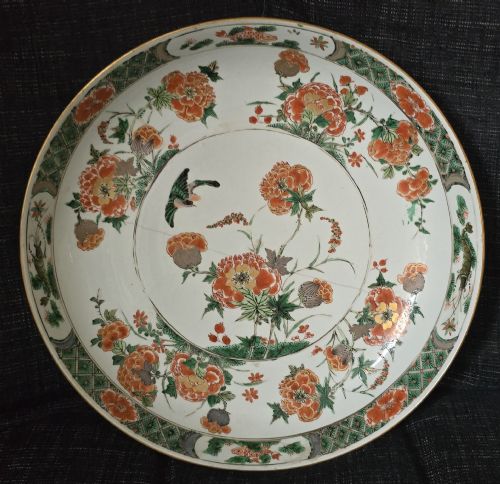
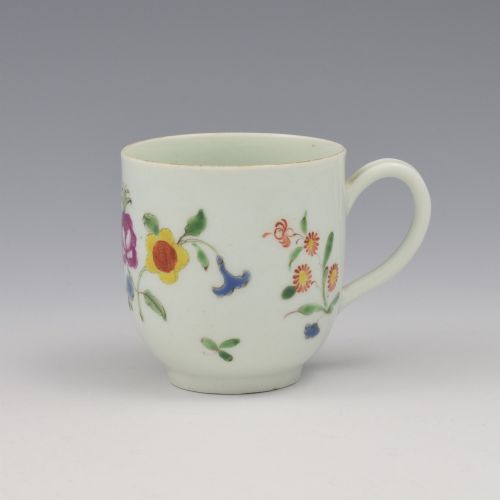
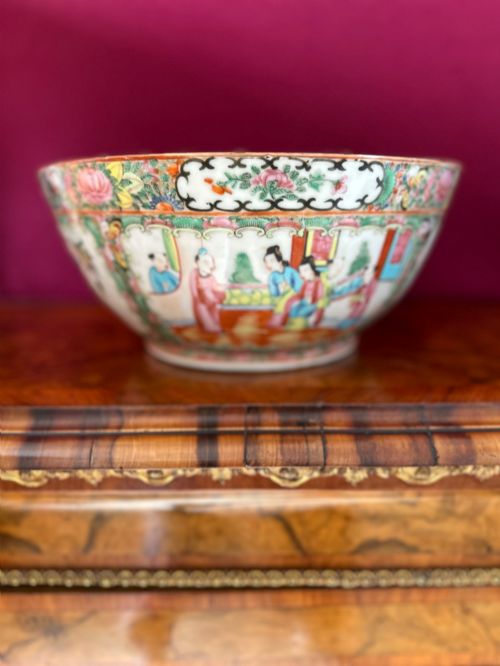
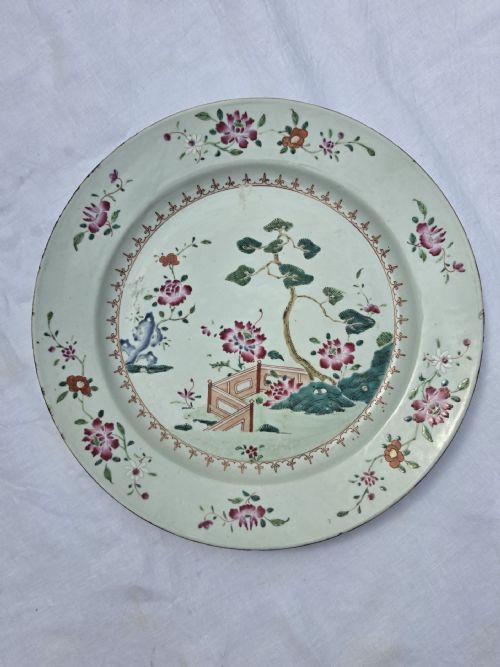
Most examples originate from Chinese export workshops and Japanese kilns, alongside select English porcelain pieces. These items showcase traditional motifs like dragons, florals, and narrative scenes rendered in rich overglaze colours.
The periods represented stretch from the 17th century through to the Victorian era and 1900. Vases and decorative dishes dominate the selection, often bearing historical reign marks or classic palette styles.
What Varies in Quality
The precision and density of the hand-painted brushwork dictate the standing of individual pieces. Superior items display meticulous control in multi-coloured enamel application, particularly in intricate dragon scales or floral borders.
The refinement of the underlying porcelain body and the depth of the glaze also separate standard production from masterworks. Pieces carrying imperial-style motifs or specific period marks often reflect a higher tier of workshop execution.
Green Enamel Ceramic Retail Price Guide 2026
Typical asking prices for green enamel ceramic among the pieces listed under this phrase on Sellingantiques today, from the lower quarter to the upper quarter. They describe what is for sale here now, not the wider market.
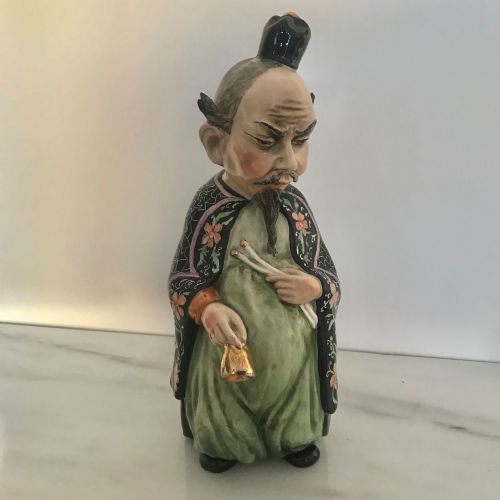
The documented object types span vases, decorative dishes, figurines, bowls, table lamps, and chargers.
Richard Chaffers·Royal Dux·Minton
The Green Enamel Ceramic Glossary
- Enamel glaze
- A glass-like substance fused to the ceramic surface through firing, providing a smooth and colourful finish. This technique allows for vibrant pigments that sit on top of the hardened clay body.
- Overglaze enamel
- Pigments applied over a previously fired and glazed ceramic piece before undergoing an additional low-temperature firing. This method preserves bright hues like green and rose without burning away.
- Hard-paste porcelain
- A dense, durable ceramic material composed of kaolin and petuntse fired at high temperatures. It forms a ringing, vitrified body that resists scratching and moisture.
- Gilding
- The application of gold leaf or gold paint to accentuate rims, handles, and decorative motifs. This ornamental step adds metallic contrast to the surrounding enamel colours.
- Charger
- A large ornamental plate or dish primarily intended for display rather than dining. These substantial pieces often showcase complex narrative scenes or dominant dragons.
- Doucai
- A Chinese porcelain decoration technique combining underglaze blue outlines with overglaze enamel infill. Artisans use this method to create multi-coloured designs with defined outlines.
Green Enamel Ceramic: Frequently Asked Questions
What is green enamel ceramic?
These items are fired ceramic and porcelain vessels, dishes, and figurines decorated with coloured glass-like mineral pigments. Artisans painted the surface designs by hand before fixing the colours in a kiln.
Such objects range from small cups and snuff bottles to large palace vases and chargers. The green pigments often appear alongside rose, red, and blue tones in traditional Asian and European decorative schemes.
How were these pieces used?
Many of these items served decorative roles in formal rooms, displayed on stands or housed in cabinets. Large chargers and bowls were also utilised during banquets or as presentation pieces.
Smaller vessels like jars and boxes held precious commodities or dry goods. Figural pieces and candlesticks functioned primarily as ornamental focal points for interior spaces.
How do I live with antique ceramics?
Place these pieces away from direct sunlight to protect the stability of the overglaze enamels and gilding. Use stable, level surfaces where heavy vases or large dishes will not risk being knocked.
Clean them gently with a dry or barely damp soft cloth without harsh chemical detergents. Avoid submerging antique metal-mounted or porous ceramic items in water.
How can I tell periods apart?
Study the painting style, clay body weight, and palette characteristics associated with specific manufacturing eras. Pieces from the 17th and 18th centuries often feature distinct famille palette variations and hand-thrown irregularities.
Later Victorian and 1900 items display different potting standards and standardised base markings. Comparing the style of dragons, florals, and borders helps place an item within its historical context.