



Green Ceramic Pottery
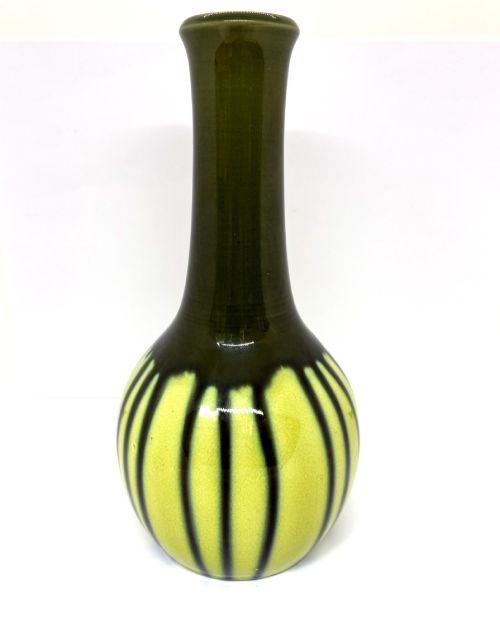
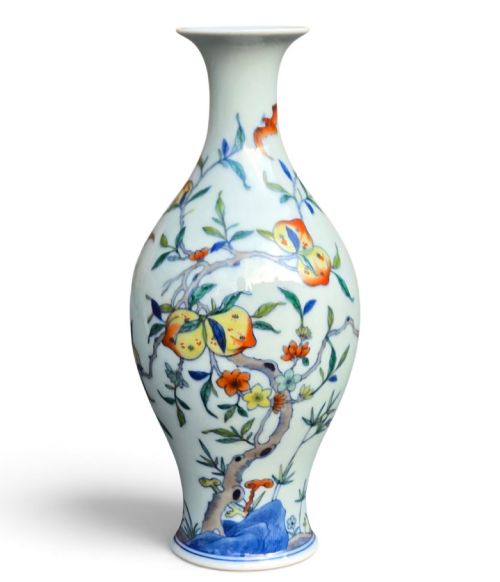
Green ceramic pottery encompasses centuries of fired clay works finished in rich celadon, olive and majolica glazes.
Green Ceramic Pottery
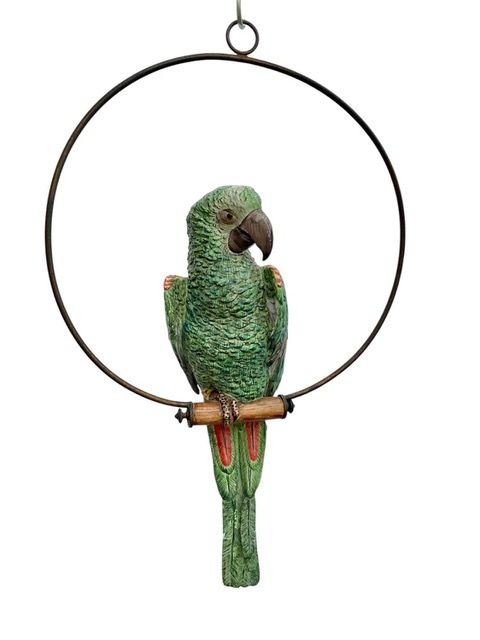
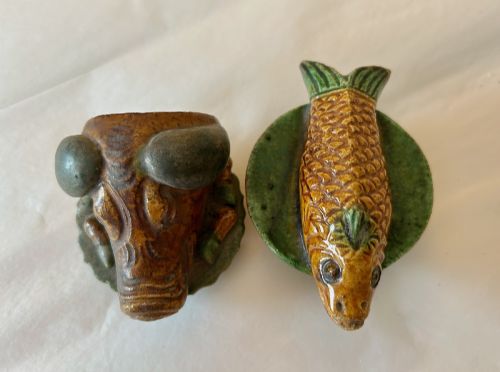
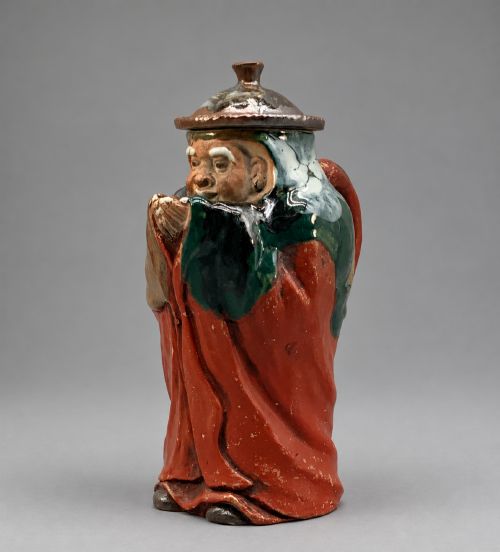
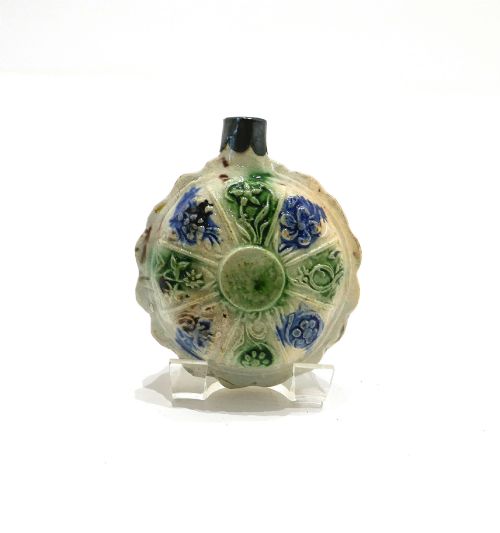
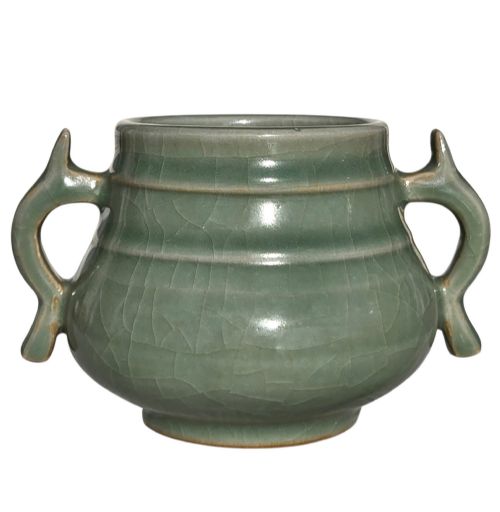
Green ceramic pottery brings together vessels and figures shaped from earthenware, stoneware, porcelain and terracotta across multiple centuries. Collectors seeking green ceramic pottery encounter items ranging from English Staffordshire spill vases and Majolica bowls to Chinese celadon censers and Japanese Sumida Gawa jugs.
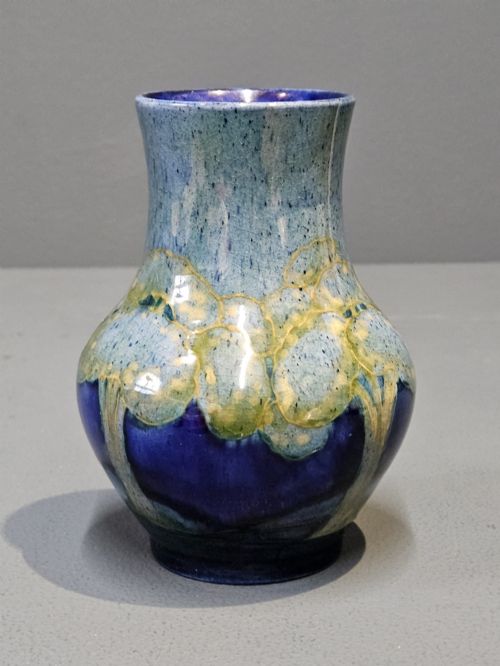
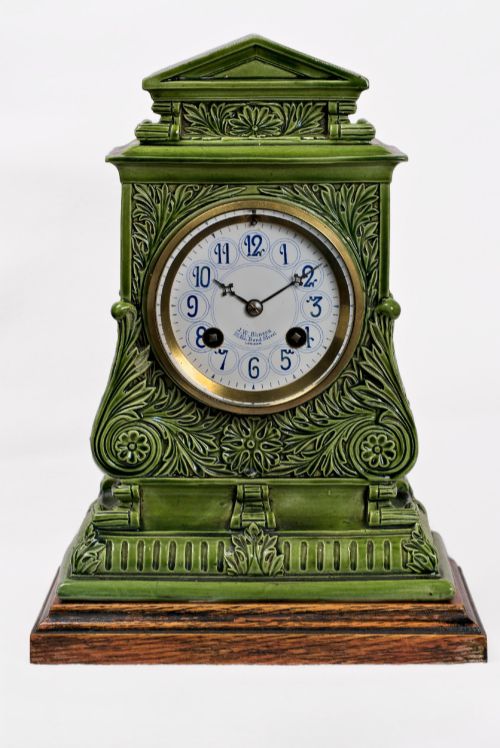
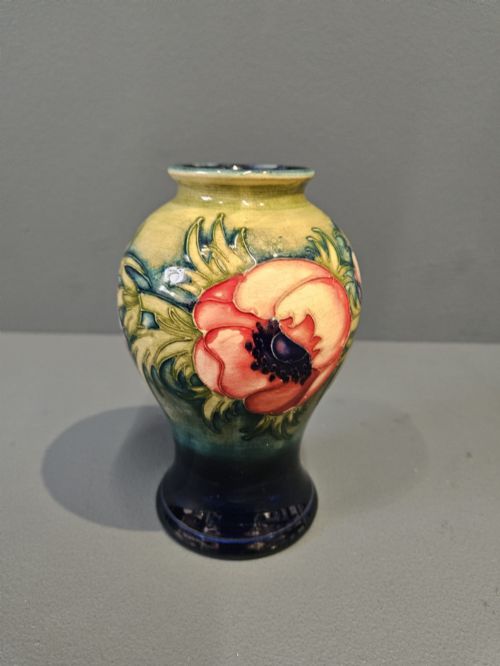
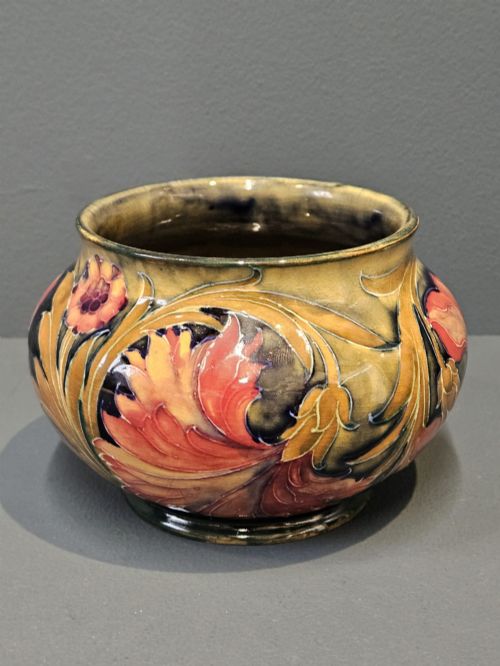
The selections span functional household containers, such as French confit pots and olive jars, alongside decorative mantel pieces including lamps, animal figures and Art Nouveau vases. British potteries like Moorcroft, Doulton Lambeth and Burmantofts sit alongside Asian wares and French faience within this category.
Materials and Technique
Potters shaped these pieces using basic clay bodies like earthenware, creamware and heavy stoneware, often finishing the surface with lead glazes, celadon washes or specialised majolica enamel. Many items utilise slip techniques or tube-lining to raise decorative motifs above the body before firing.
Kiln temperatures determined the density of the ceramic, moving from porous 18th-century creamware up to vitrified stoneware and porcelain capable of holding liquids securely. The colour palette relies on metal oxides mixed into the liquid glaze, producing distinct olive, celadon and deep green tones upon firing.
Green Ceramic Pottery Retail Price Guide 2026
Typical asking prices for green ceramic pottery among the pieces listed under this phrase on Sellingantiques today, from the lower quarter to the upper quarter. They describe what is for sale here now, not the wider market.
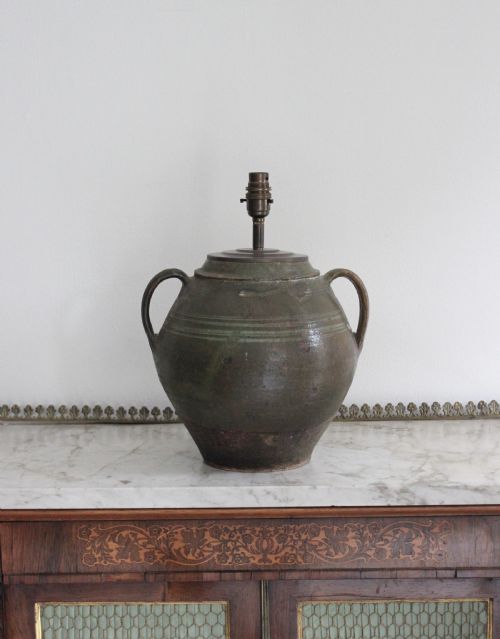
Object forms on this page include utilitarian confit pots alongside decorative figures, spill vases, incense burners, and table lamps.
Evaluating the Work
Quality rests upon the crispness of the moulded or hand-thrown form and the depth of the glaze application. Pieces where the green glaze pools evenly in recesses without obscuring fine details display superior workshop control.
Artistic ambition separates standard domestic items from exhibition pieces, visible in ambitious tube-lined designs, hand-painted polychrome details over green grounds, and signed works by notable studio potters.
Inoue Ryōsai·Royal Doulton Lambeth·George Jones·Charles Vyse·Burmantofts Pottery
The Green Ceramic Pottery Glossary
- Majolica
- A type of earthenware coated with an opaque tin-lead glaze and painted with metallic oxide colours. This technique creates vibrant green and pink surfaces seen on Victorian serving dishes and figural boxes.
- Celadon
- A transparent green glaze applied over a pale clay body, originating in ancient China and emulated in later European ceramics. The characteristic jade-like hue results from iron oxide fired in a reduction kiln.
- Spill vase
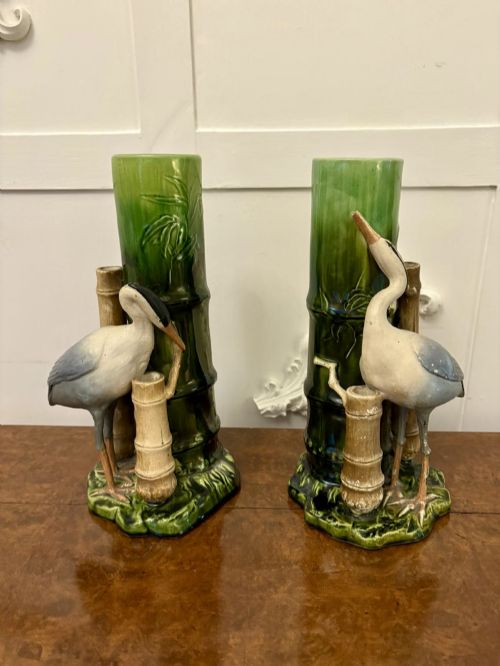
- A hollow cylindrical container designed to hold thin wooden matches used for lighting candles or fires. These vessels frequently took the form of hollow tree trunks flanked by animals or figures.
- Tube-lining
- A ceramic decoration method where liquid clay is squeezed through a nozzle onto the vessel surface to create raised outlines. Potters then fill the resulting compartments with coloured glazes.
- Confit pot
- A utilitarian French storage jar coated in glaze internally and partially on the exterior. These sturdy vessels were traditionally used for preserving meats and storing fats.
Green Ceramic Pottery: Frequently Asked Questions
What is green ceramic pottery?
Green ceramic pottery refers to fired clay items finished in various green glazes, spanning decorative vessels, figures and tableware from European and Asian traditions.
The category includes centuries of production, from early English creamware and Victorian majolica to historic Chinese celadon and Japanese studio pieces.
How were Victorian majolica pieces used?
Victorian majolica served as both decorative tableware and functional containers for dining and entertaining in wealthy households.
Items included sardine boxes, fruit baskets and figural bowls designed to present specific foods with colourful, highly glazed relief decoration.
Are Staffordshire spill vases functional?
Staffordshire spill vases served a practical purpose in period homes by holding wooden tapers used to transfer flames from hearths to candles.
Potters combined this tubular holder with sculptural groups of animals or figures, turning a household utility into a mantelpiece ornament.