


Green Art Nouveau Art
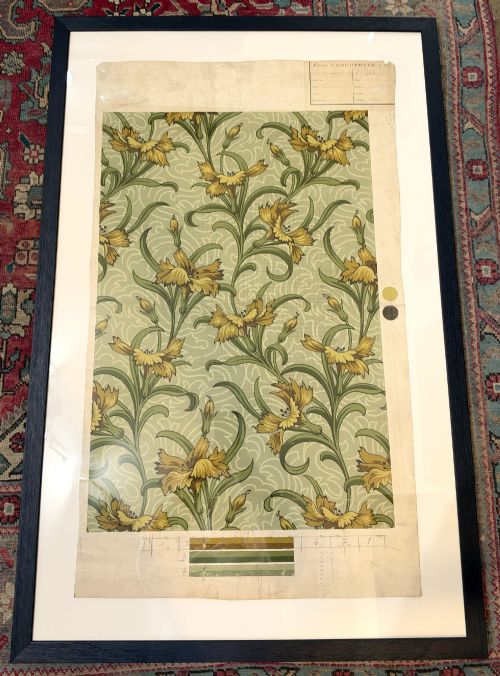
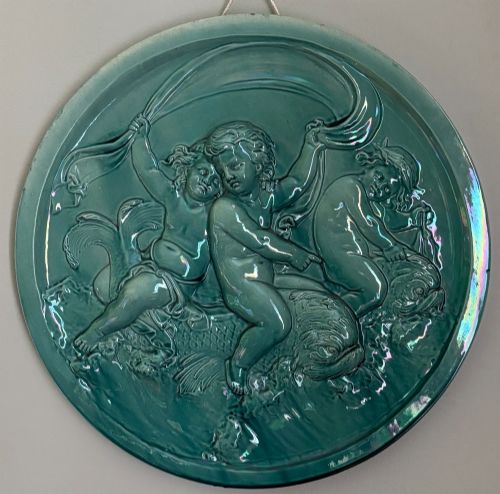
Green art nouveau art encompasses striking objects defined by organic forms and rich tones.
Green Art Nouveau Art
Green art nouveau art captures the fluid, plant-inspired aesthetic prevalent around the turn of the twentieth century, bridging periods from the late Victorian era through the Edwardian years and into the 1920s and 1930s. Buyers encountering this selection find domestic items and decorative objects that embody organic lines, botanical motifs, and sinuous curves.
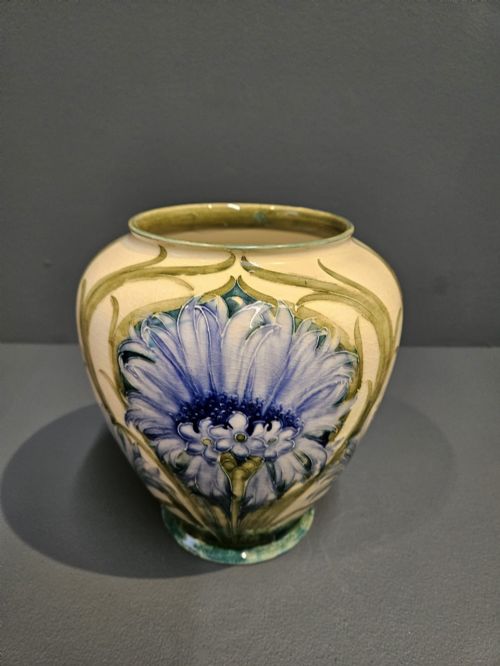
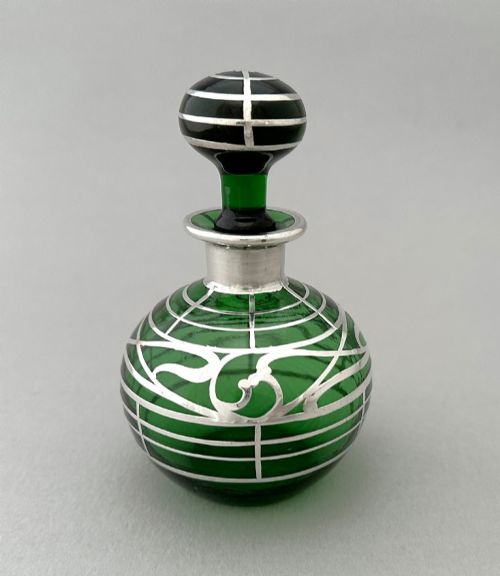
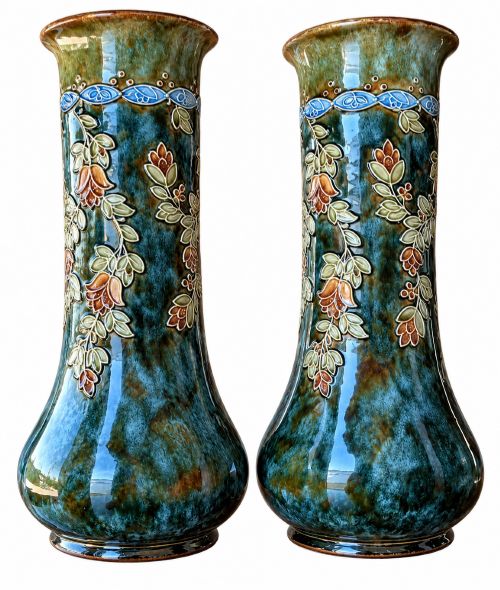
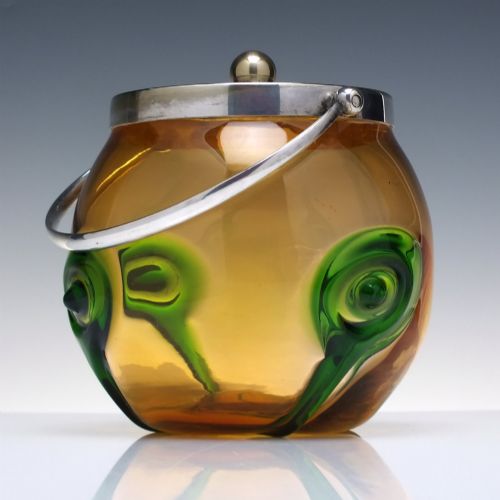
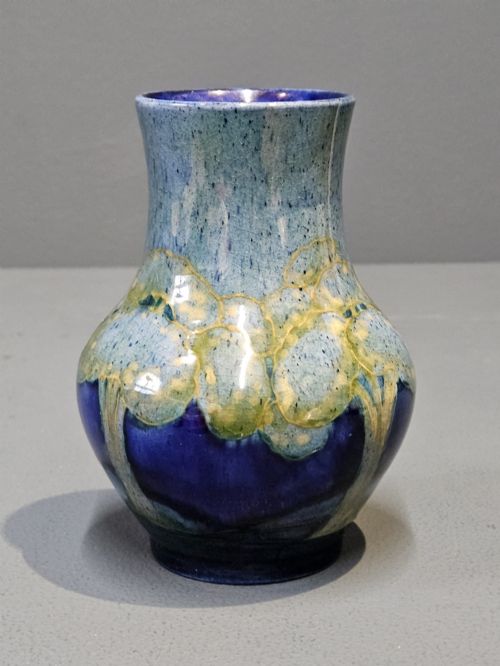
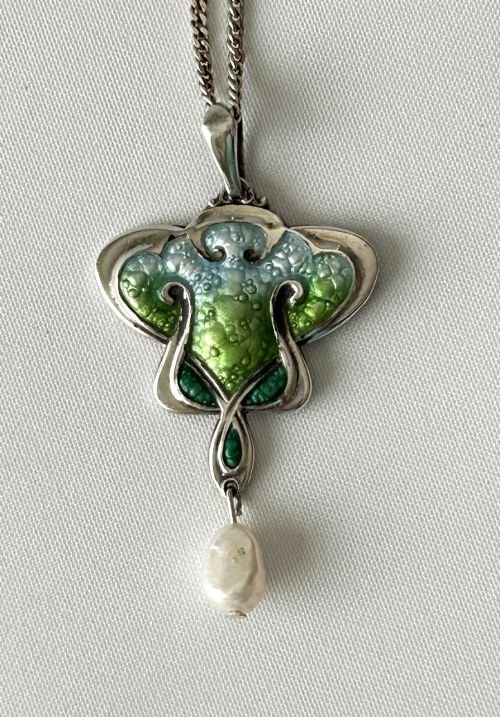
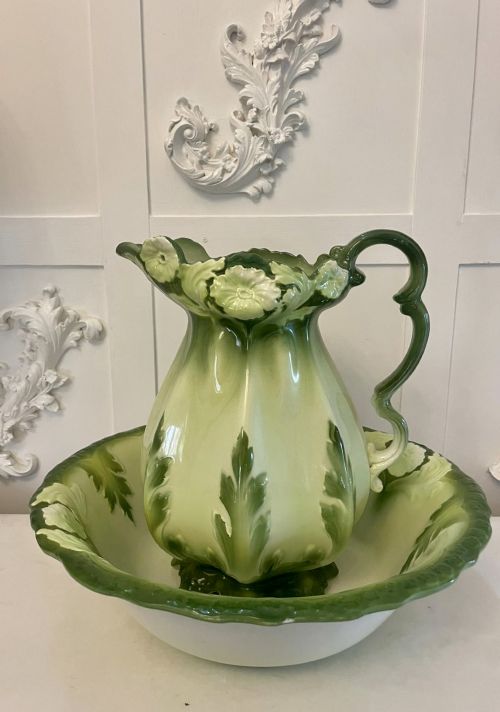
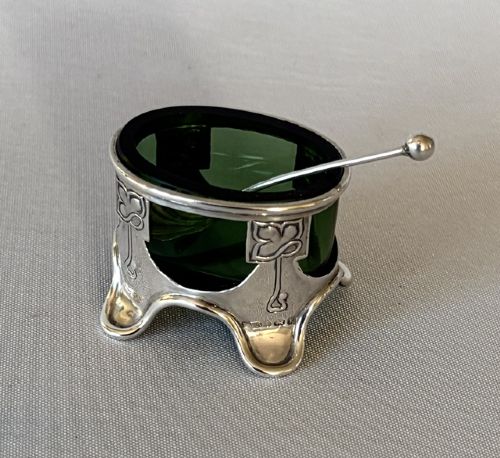
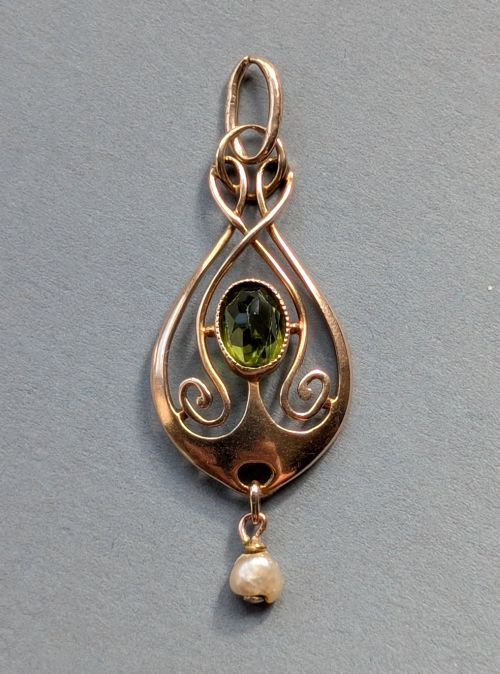
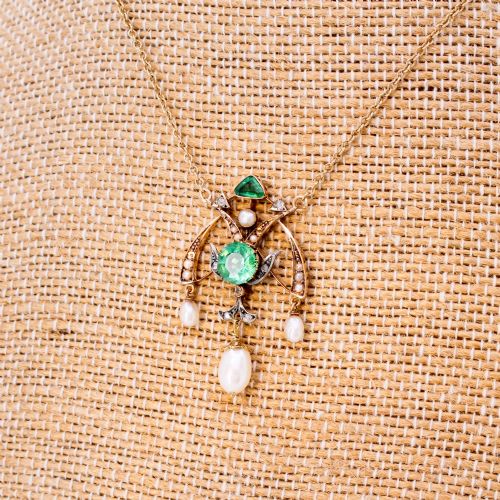
The objects span diverse forms, ranging from ceramic vases and earthenware jugs to intricate enamel pendants, brooches, and silver overlay glassware. Pieces frequently display natural hues, with green enamel, glass, and ceramic glazes dominating the visual language alongside silver, gold, bronze, and oak.
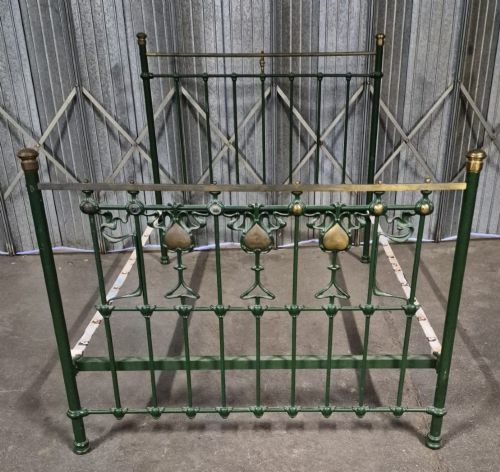
Originating across Britain, France, and Europe, these works include productions by major potteries alongside metalwork, furniture, sculpture, and framed oil paintings. The selection represents both everyday domestic utility and high decorative design from the height of the movement.
How They Were Made
Ceramics and pottery utilise tube-lined glazes and earthenware techniques to achieve raised outlines and deep colour saturation on vases and cachepots. Glassmakers employ overlay methods, cameo carving, and uranium formulations to create luminous depth and translucent green tones.
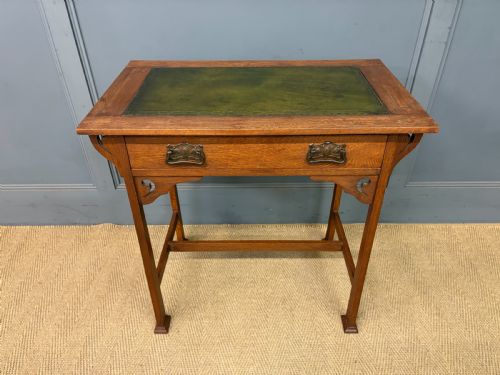
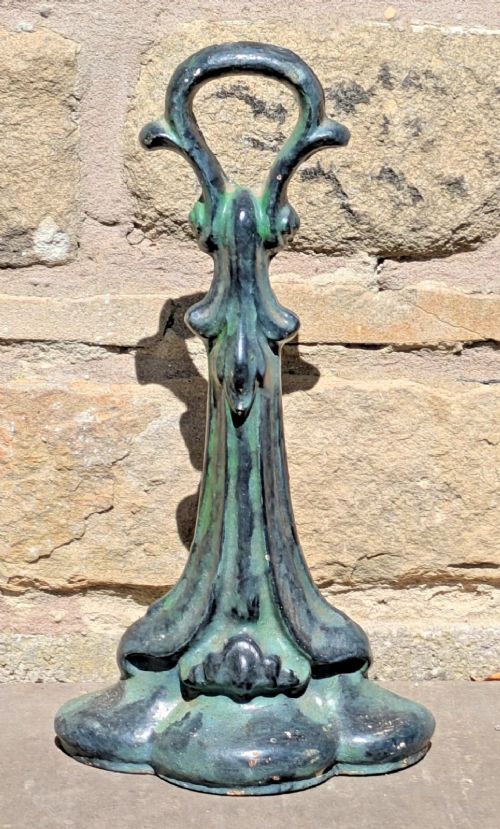
Metalwork combines sterling silver, bronze, and brass with vitreous enamel and guilloche techniques, often incorporating natural stones like peridot, emerald, and chalcedony. Cabinetry and furniture feature inlaid timber construction reflecting arts and crafts principles alongside cast iron and bronze casting for structural and sculptural forms.
Green Art Nouveau Art Retail Price Guide 2026
Typical asking prices for green art nouveau art among the pieces listed under this phrase on Sellingantiques today, from the lower quarter to the upper quarter. They describe what is for sale here now, not the wider market.
Listings span periods from the Victorian era through the Edwardian years and into the 1920s and 1930s.
What Varies In Quality
The refinement of the design execution and the crispness of the organic detail separate standard output from superior examples, particularly in the hand-application of enamel and the precision of silver overlay. Maker attribution and documented workshop origins elevate pieces significantly, distinguishing factory-produced items from signed studio works.
Material selection dictates much of the distinction, where natural gemstones, high-karat gold, and complex multi-layered cameo glass reflect greater artisanal ambition than base metals or standard earthenware. The integrity of the surface finish, whether intact enamel work or unblemished glaze, preserves the original artistic intent.
Felix Vanoutryve·Clement Messier·Moorcroft McIntyre·Stuart And Sons·Murrle Bennett·Minton Secessionist·Emile Galle·Gorham·Shapland And Petter·William Hutton And Sons·James Fenton·L And F Moreau·Goldscheider·Emile Carlier
The Green Art Nouveau Art Glossary
- Art Nouveau
- A decorative style characterised by flowing, asymmetrical lines inspired by natural forms such as plants and flowers. It flourished across Europe and America between roughly 1890 and 1910.
- Tube-Lined
- A ceramic decoration technique where a thin line of clay slip is piped onto the surface to create raised outlines for enamel colours. This method defines many traditional earthenware vases.
- Guilloche
- An intricate mechanical engraving technique that etches precise geometric patterns into metal beneath a translucent layer of enamel. It frequently appears on small accessories and jewellery.
- Epergne
- A large table centrepiece featuring multiple branching holders for fruit, sweets, or flowers. These items often incorporate coloured art glass and bronze or silver stands.
- Jugendstil
- The German manifestation of the art nouveau movement, named after the Munich art magazine Die Jugend. It shares the overarching organic aesthetic while retaining distinct regional graphic characteristics.
Green Art Nouveau Art: Frequently Asked Questions
How do I identify genuine art nouveau pieces?
Authentic items display characteristic whiplash lines, asymmetrical floral motifs, and period materials like iridescent glass or hand-applied enamel. Examining maker signatures and registry marks helps confirm the era of manufacture.
Most genuine works date from the late nineteenth century to the outbreak of the First World War, aligning with the core years of the movement.
What materials are most common in green art nouveau objects?
Green ceramic glazes, art glass, and vitreous enamel dominate the colour palette, frequently paired with sterling silver, brass, or oak. Gemstones such as peridot and emerald often accent jewellery and metalwork.
These materials were chosen for their ability to reflect organic tones and catch ambient light effectively within domestic interiors.
How should I display art nouveau glass and ceramics?
Place glassware and vases where natural light can pass through the green tones, enhancing the depth of the glaze or cameo carving. Ensure wooden furniture and metal objects are kept away from direct heat sources to protect delicate finishes.
Grouping complementary forms, such as pairing a ceramic vase with a matching metal tray or frame, creates a cohesive display.
What is the difference between art nouveau and arts and crafts?
Art nouveau focuses on flowing, sinuous plant lines and dynamic asymmetry, often embracing industrial techniques alongside handcraft. Arts and crafts emphasises visible construction, utility, and honest hand-worked materials.
Many pieces from the period successfully bridge both movements, combining structural simplicity with organic decorative motifs.