


Green Art Glass Vase
A green art glass vase brings bold colour and fluid form to a room, ranging from organic Art Nouveau shapes to geometric Art Deco designs.

Identifying a green art glass vase
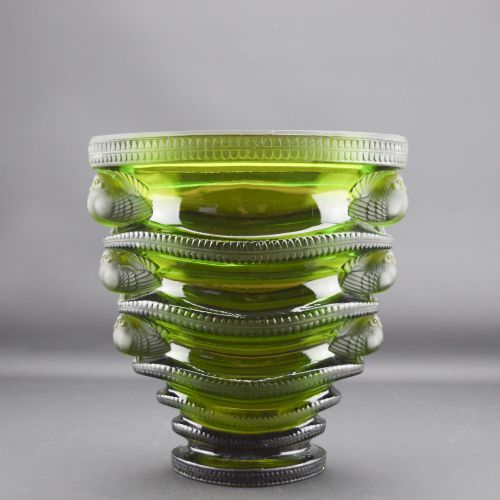
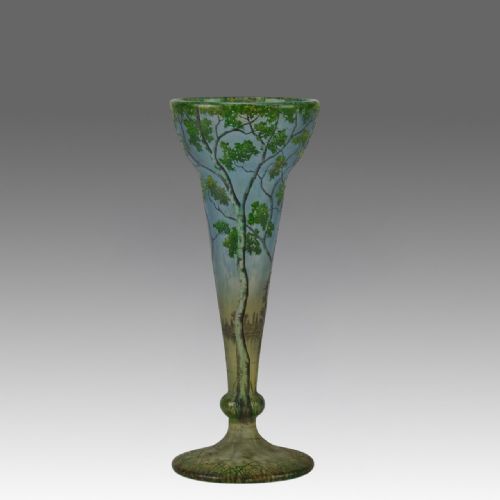
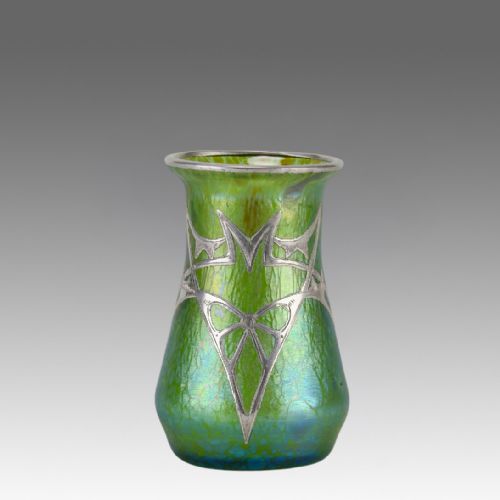
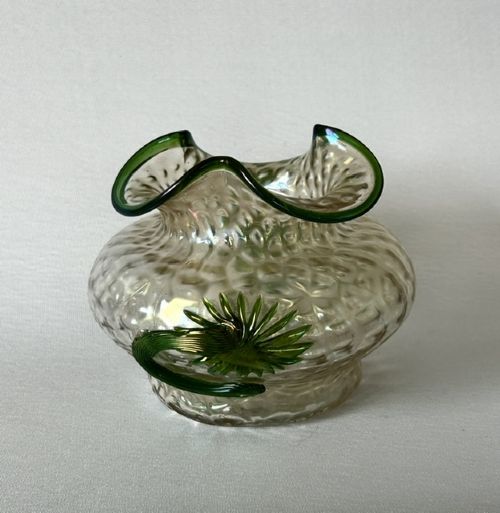
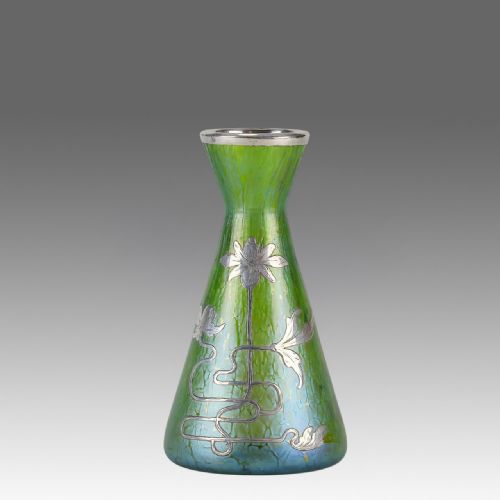
A green art glass vase encompasses blown glass pieces created across the nineteenth and twentieth centuries, featuring distinct styles such as Art Nouveau, Art Deco, Arts and Crafts, and Victorian designs. Buyers searching this phrase encounter everything from tall trumpet flower vessels to wide baluster shapes and globular forms.
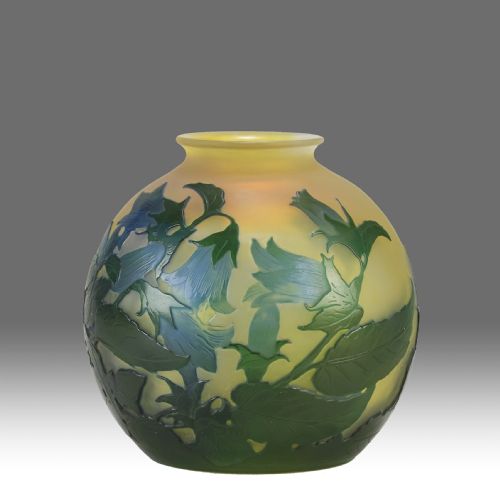
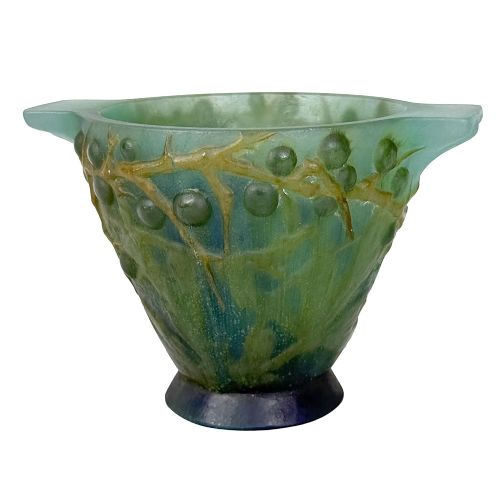
The selection frequently includes iridescent finishes, cameo work, and silver overlays, reflecting the diverse manufacturing techniques of European and American makers. Pieces span from mid-nineteenth-century double walled examples to robust Art Deco vessels from the nineteen thirties.
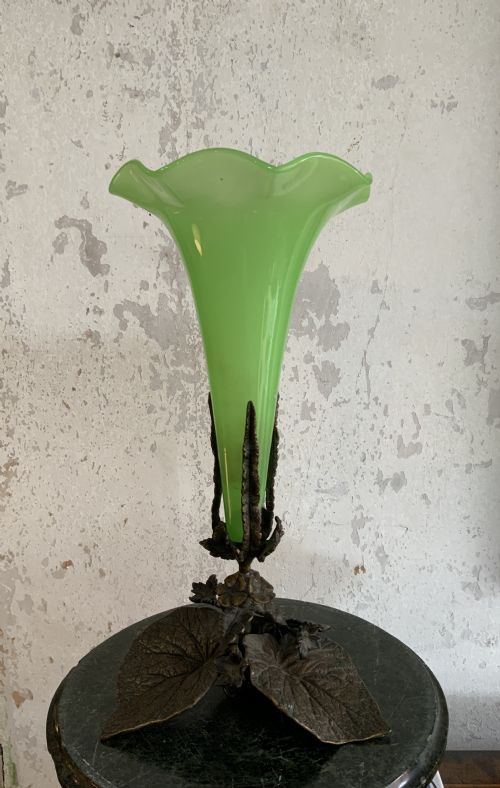
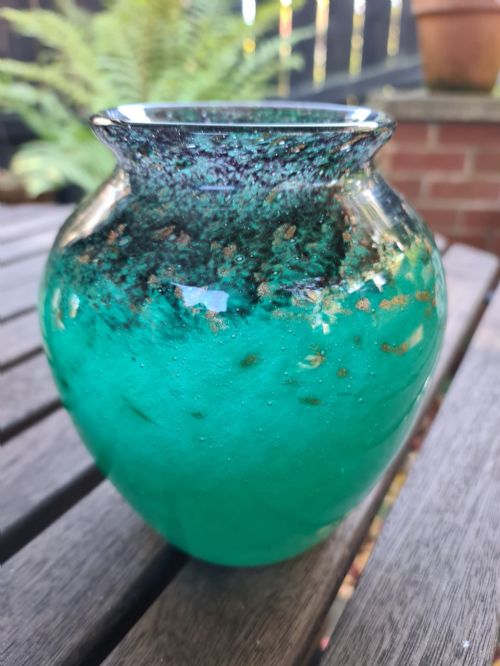
Organic plant forms, such as Jack in the Pulpit silhouettes, appear alongside geometric patterns and mottled glass bodies like Monart and Vasart productions. Each piece demonstrates the enduring appeal of green glass within decorative arts history.
Judgments of quality and execution
The distinction between standard production and top-tier execution lies in the precision of the glassblower's hand and the complexity of surface treatments. Finer examples display masterwork cameo carving, perfectly balanced metal overlays, or meticulously controlled iridescent sheens without surface blemishes.
Design ambition separates basic vessels from significant works, particularly where workshops employed specialised glass formulas, such as complex mottled patterns or integrated aventurine flecks. The integration of metal mounts, such as silver work by recognised silversmiths, elevates the overall execution.
Retail Price Guide 2026
Typical UK retail prices for green art glass vase, calculated from the Sellingantiques database of over a million retail prices indexed since 2003. This retail price guide relies exclusively on Sellingantiques data; no external sources or auction records are used, so the figures do not describe the wider market.
The documented periods span the Victorian era, Arts and Crafts movement, Art Nouveau, and Art Deco.
Harry Powell for James Powell·Alvin Corp·Stevens and Williams·Stuart and Son·Walther and Sohne
The Green Art Glass Vase Glossary
- Aventurine
- Glass containing suspended glittering mineral particles, typically copper, which create a spangled metallic effect within the material. This technique requires precise temperature control during the cooling process.
- Cameo Glass
- Glass vessels formed of two or more distinct fused layers of contrasting colours, where portions of the exterior layer are carved away. This method produces raised white or coloured reliefs against a darker ground.
- Iridescent Glass
- Glass treated with metallic salts while hot to produce a rainbow-like sheen that shifts in the light. Favoured particularly by Art Nouveau makers seeking organic, shimmering effects.
- Jack in the Pulpit
- A distinctive nineteenth and twentieth-century vase shape featuring a long slender stem expanding into a wide, ruffled flared rim resembling a flower blossom. This organic form suited the fluid nature of blown glass.
- Silver Overlay
- Decorative sterling silver applied directly to the exterior of a glass vessel, often etched or pierced in floral motifs. The metal adheres permanently to the cooled glass surface during manufacturing.
Frequently Asked Questions
How do I date a green art glass vase?
Dating relies on stylistic markers, such as the sinuous organic lines typical of the nineteen hundreds or the sharp geometric profiles of the nineteen thirties. Examining manufacturing techniques, signatures, and material compositions also helps place a piece within its historical period.
Changes in glass technology, from mid-Victorian double walled vessels to later uranium and art glass formulations, provide clear clues to a piece's age. Comparing form and decoration with documented works by known glasshouses confirms the era of production.
What is vaseline glass?
Vaseline glass is a type of glass coloured with uranium oxide, yielding a distinct yellowish-green hue that glows brightly under ultraviolet light. It gained immense popularity during the Victorian era and the Art Deco period.
The uranium content is very low and safe for display purposes. Collectors prize these pieces for their unique optical properties and vibrant colour under different lighting conditions.
Where were these glass vases made?
Production centres spanned Europe and America, with significant output from Bohemian, Venetian, British, and French workshops. Each region developed distinct aesthetic preferences, from British cameo carving to continental iridescent blown forms.
Factory production ranged from large commercial potteries and glassworks to individual studio glassblowers. Imported pieces often reflect international stylistic exchanges during the late nineteenth and early twentieth centuries.
How should I display my art glass?
Art glass benefits from placement near natural light sources to highlight transparent colours, internal aventurine flecks, and iridescent surface sheens. Positioning pieces on shelves or window sills allows light to pass through the body of the vessel.
Ensure vases are placed on stable, level surfaces away from heavy foot traffic or vibration. Using soft, indirect lighting at night can further accentuate the metallic overlays and cameo carvings.