







Grapes and Fruit Painting
A grapes and fruit painting brings the rich harvest of the dining table directly to the wall in oils and watercolours.
Grapes and Fruit Painting
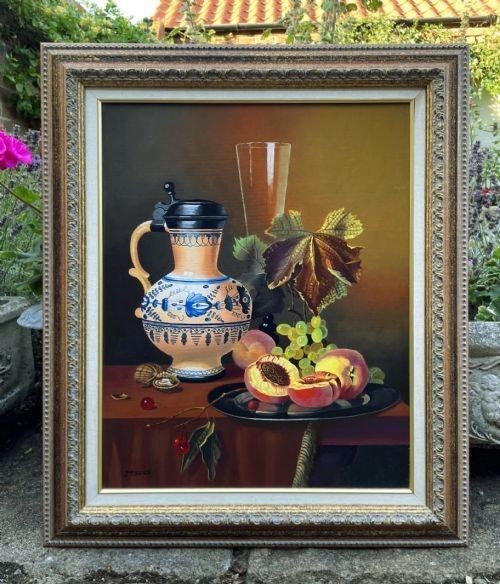
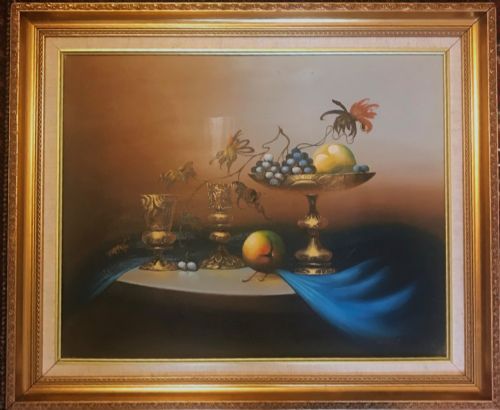
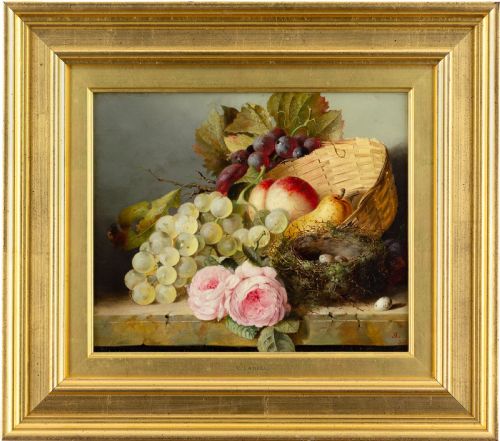
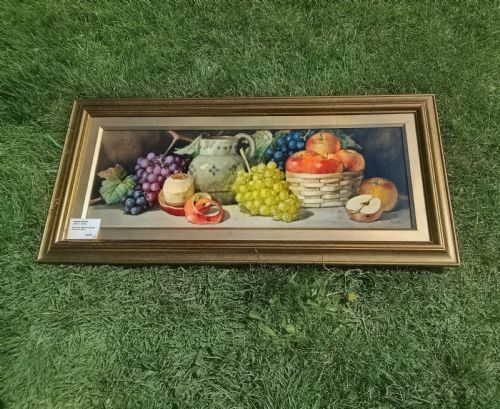
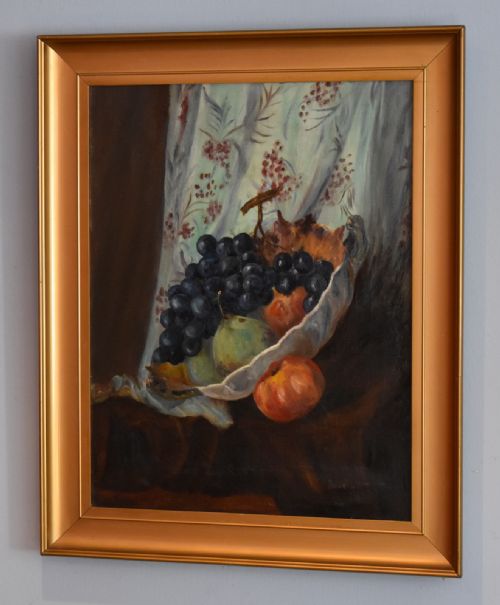
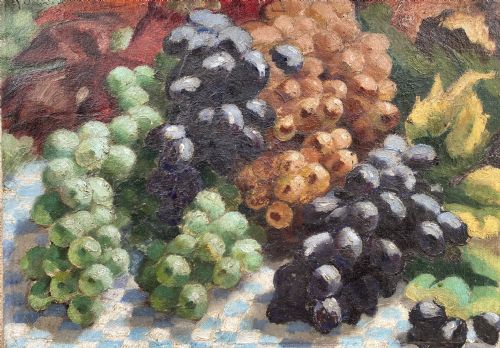
A grapes and fruit painting captures arrangements of fresh produce, baskets, jugs, and table settings in detailed compositions. These works range from tightly rendered nineteenth century classical realism to brighter twentieth century interpretations.
Buyers meet canvas and wood panel works alongside watercolours and ceramic vessels decorated with painted fruit motifs. The selection leans heavily toward traditional oil paintings depicting tabletop displays with grapes, apples, and peaches.
Materials and methods
Artists built these works primarily using oil paint applied to canvas or wood panels, allowing for smooth blending and deep tonal layers. Watercolours on paper also appear, offering lighter washes and delicate botanical precision.
Frames play a structural role, with many pieces housed in original gilt and giltwood frames finished with gold leaf. This combination of painted surface and reflective framing defines the physical presence of the medium.
Grapes and Fruit Painting Retail Price Guide 2026
Typical asking prices for grapes and fruit painting among the pieces listed under this phrase on Sellingantiques today, from the lower quarter to the upper quarter. They describe what is for sale here now, not the wider market.
The listings combine oil paintings on canvas and wood with watercolours and painted ceramic vases spanning the nineteenth and twentieth centuries.
Distinctions in quality
Quality rests on the precision of brushwork and the natural rendering of light across surfaces like grapes, porcelain, and woven baskets. Stronger examples display careful control of shadow and texture that gives the fruit tangible weight.
The sophistication of the composition separates standard decorative work from accomplished studio pieces. Works by recorded painters or those retaining original frames tend to show superior handling of depth and colour.
Jozsef Molnar·Edward Ladell·Arthur Dudley·John Sherrin·Vincent Clare·Thomas Hooper·Oliver Clare·George Lance·James and William Ward
The Grapes and Fruit Painting Glossary
- Still life
- An artwork depicting inanimate subject matter, typically commonplace objects which may be either natural or artificial. In this context, it refers specifically to arrangements of fruit, vessels, and foliage.
- Canvas
- Heavy woven fabric used as a surface for oil painting. It provides the tensile strength needed for large historical compositions.
- Giltwood
- Wood carved and covered with a thin layer of gold leaf or gold paint. It frequently surrounds nineteenth century oil paintings to enhance their visual weight.
- Watercolour
- Paint consisting of a pigment suspended in a water-soluble vehicle. It produces translucent washes on paper supports.
- Classical realism
- An artistic style maintaining traditional standards of proportion, drawing, and observed perspective. Painters in this mode prioritize accurate visual representation over abstraction.
Grapes and Fruit Painting: Frequently Asked Questions
How do I care for an antique oil painting?
Keep the piece away from direct sunlight and fluctuating humidity to protect the canvas and paint layers. Dust the surface gently with a soft, dry brush without applying pressure.
Avoid using liquid cleaners or damp cloths on the painted surface. Professional conservators should handle any deeper cleaning or varnish removal.
What periods do these paintings cover?
The available works span from the nineteenth century through the mid twentieth century. Victorian and classical realism examples sit alongside later art deco interpretations.
Different decades bring shifts in palette and framing choices. Earlier pieces often feature heavy giltwood frames, while later works reflect modernist styling.
Are all these pieces painted on canvas?
While canvas is the primary support for oil paints, other materials appear across the collection. Wood panels and paper watercolours are also represented.
Pottery forms such as vases feature painted fruit designs as well. Each material changes the texture and preservation requirements of the object.
Where were these still life works displayed historically?
Dining rooms and drawing rooms served as the traditional locations for fruit paintings. The subject matter complemented the function of eating spaces by celebrating food and harvest.
Wealthy patrons commissioned or bought them to demonstrate taste and refinement. Today they function well in kitchens, dining areas, and living spaces.