




Signed Still Life Painting
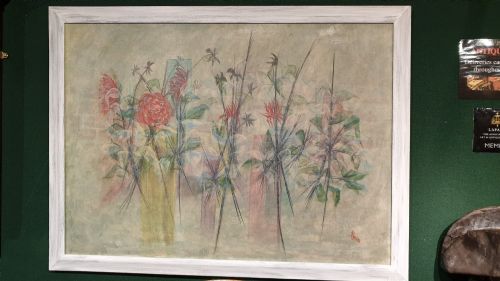
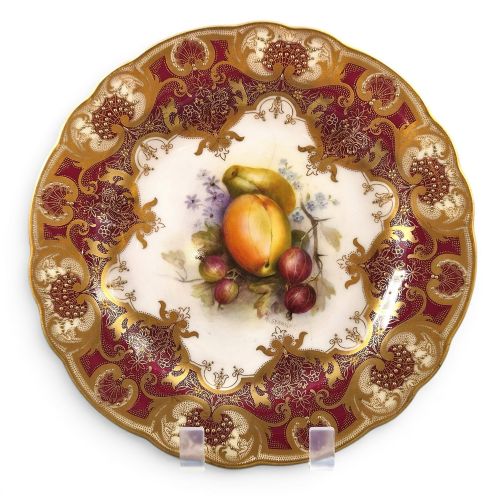
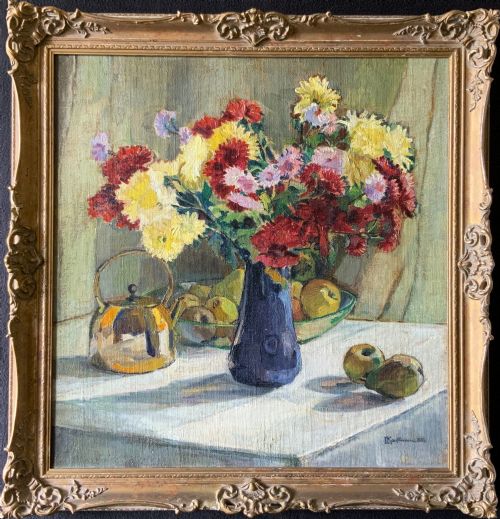
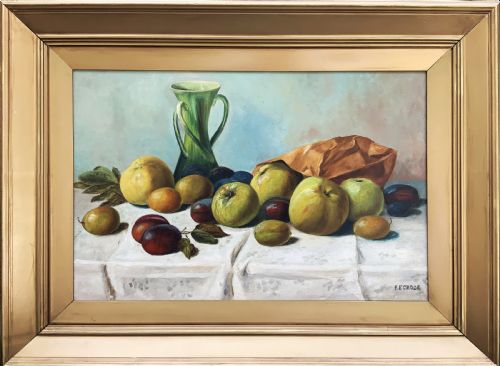
These signed still life painting pieces bring structured floral and domestic arrangements into interiors, valued for their autographic marks and lasting pigment.
Signed Still Life Painting
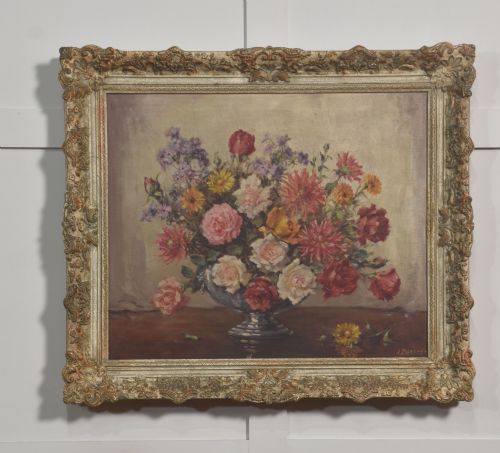
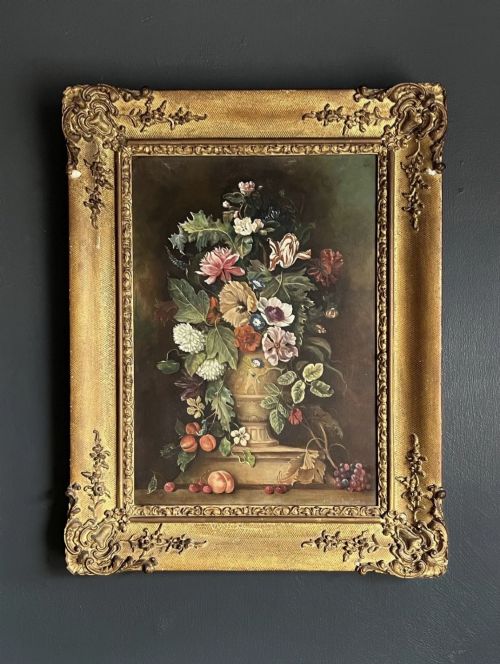
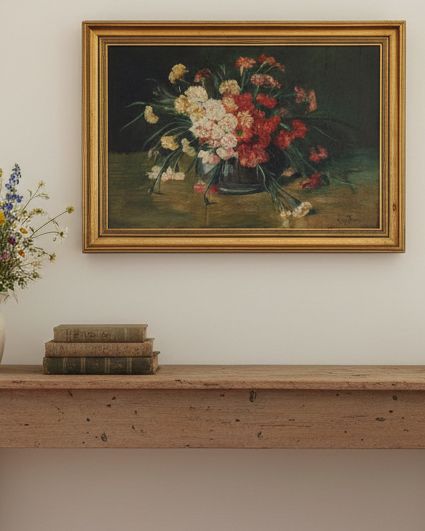
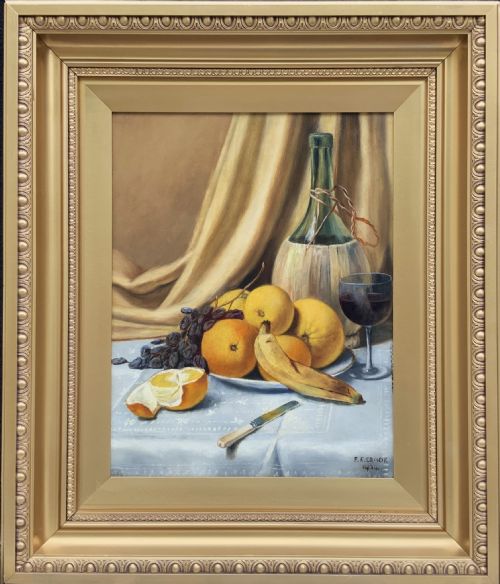
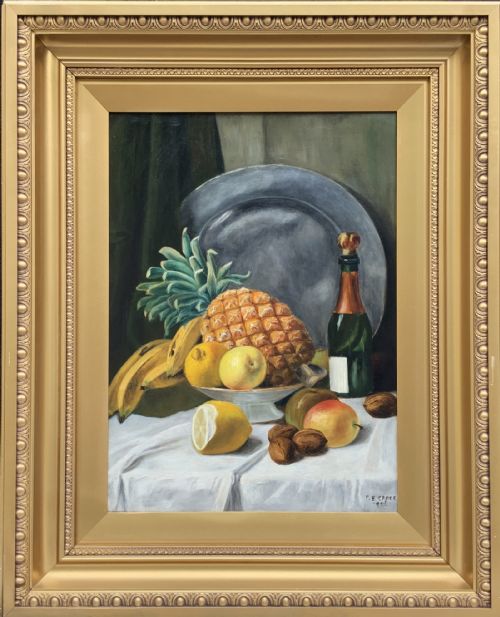
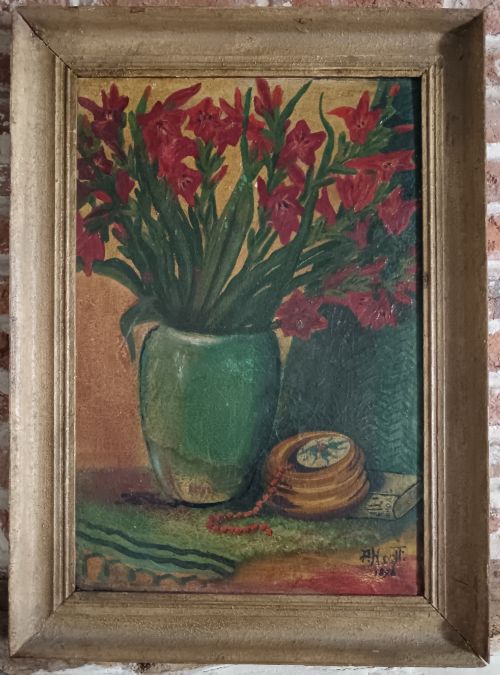
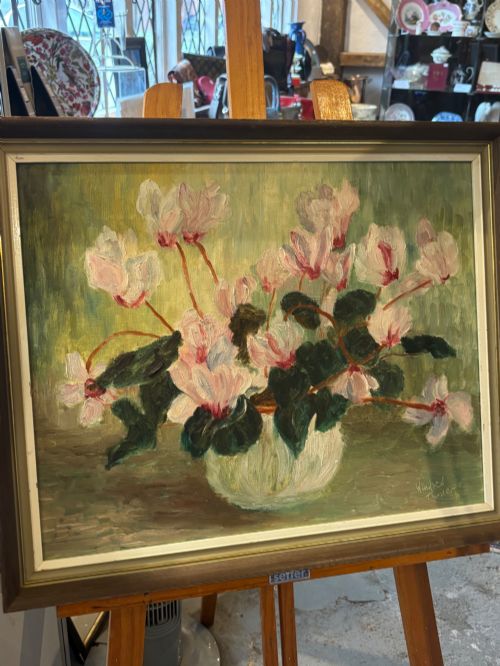
A signed still life painting records arranged flowers, fruit, and vessels from observed life, bearing the personal signature of the artist.
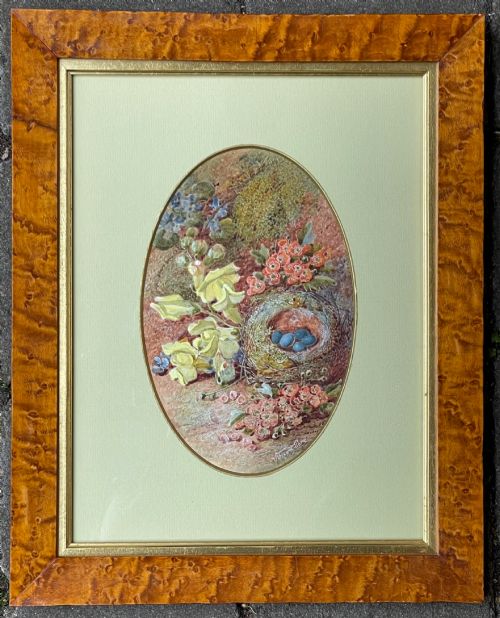
The selections span from Victorian studies to mid-century modern canvases, offering both traditional floral oils and delicate watercolours.
Buyers encounter framed canvas works and painted cabinet plates alike, each presenting a distinct domestic composition.
How They Were Made
Makers applied oil and watercolour paint to prepared canvas, wood panels, metal, and heavy paper supports using traditional brushes.
Frames often incorporate carved and gilded gesso elements that complement the depth of the painted surface.
Listings feature oil paint, canvas, wood, paper, gold leaf, and porcelain across Victorian, Edwardian, and mid-century periods.
What Varies in Quality
Execution relies upon the surety of the brushwork and the balance of tonal relationships across the composition.
Materials dictate longevity, with stable canvas grounds and original gilt frames preserving the intended visual impact.
Vincent Clare·Richard Sebright·Owen Bowen·Sir Matthew Smith·Sir George Reid·Maud Frances Eyston Sumner
The Signed Still Life Painting Glossary
- Gesso
- A plaster-like mixture applied to wood or canvas to prepare a smooth surface for painting before gilding or pigment is added.
- Impasto
- Paint applied in thick layers that stand out from the surface, giving a tangible texture to petals or fruit.
- Cabinet plate
- A decorative ceramic plate intended for display rather than dining, frequently hand-painted with fruit or floral studies.
- Post-Impressionism
- A late nineteenth and early twentieth century art style focusing on expressive brushwork and symbolic colour rather than strict naturalism.
Signed Still Life Painting: Frequently Asked Questions
How should I hang a signed still life painting?
Position the work at eye level on a neutral wall to let the colours of the flowers or fruit stand out clearly.
Protect the canvas or watercolour from direct sunlight to preserve the original pigments over time.
What subjects appear in these paintings?
Artists typically arranged cut flowers in jugs, bowls of seasonal fruit, and domestic vessels on polished tabletops.
Some compositions include unexpected elements like birds' nests or books alongside the traditional floral studies.
How do I identify the period of a work?
Examine the framing materials, stretcher bars, and the style of the artist's signature for clues to the decade of creation.
Victorian and Edwardian examples often feature heavier ornate gilt frames, while mid-century pieces lean towards simpler profiles.
Are watercolours as durable as oils?
Watercolour paintings require protective glass framing to shield the paper and pigments from airborne moisture and dust.
When kept away from direct light, these works retain their delicate washes and fine line work indefinitely.