



Traditional Fruit Bowl Painting
A traditional fruit bowl painting brings rich colour and quiet domestic arrangement to a room.
Traditional Fruit Bowl Painting
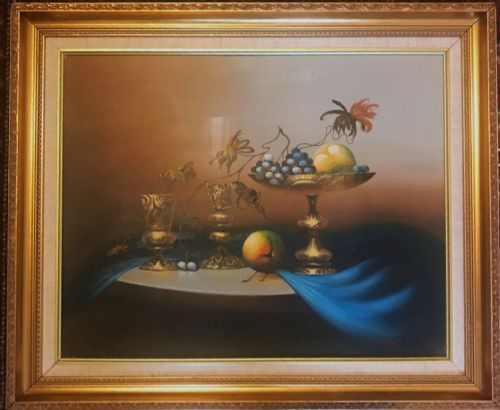
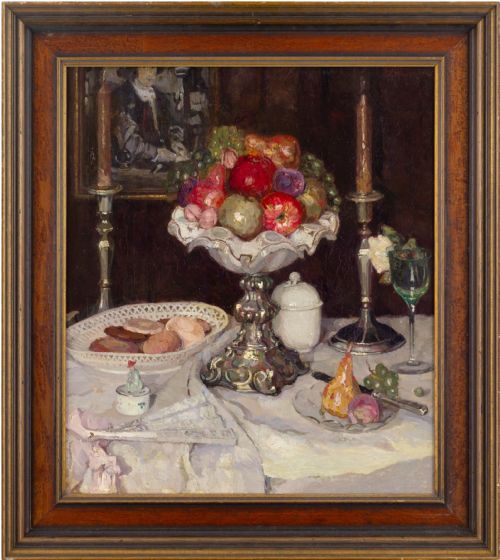
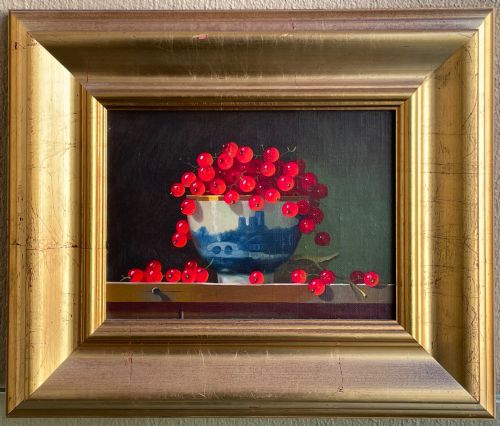
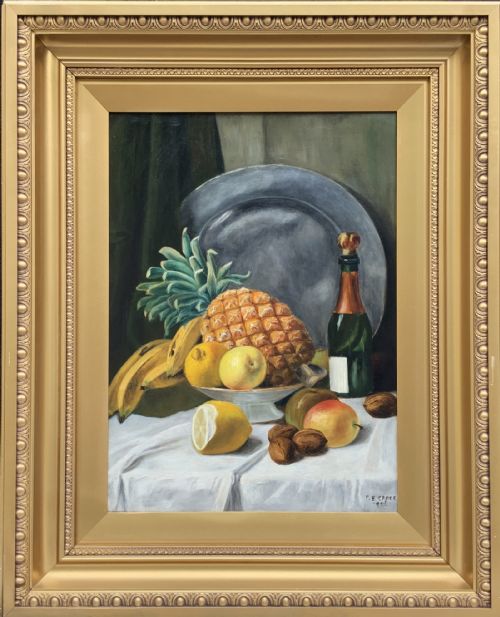
A traditional fruit bowl painting captures arrangements of fresh produce, often paired with tableware or domestic objects, rendered in realist and post-impressionist styles. These works span the nineteenth century through the mid-twentieth century, recording varied approaches to light and shadow upon organic forms.
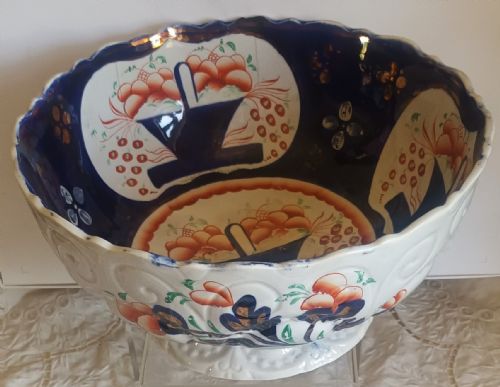
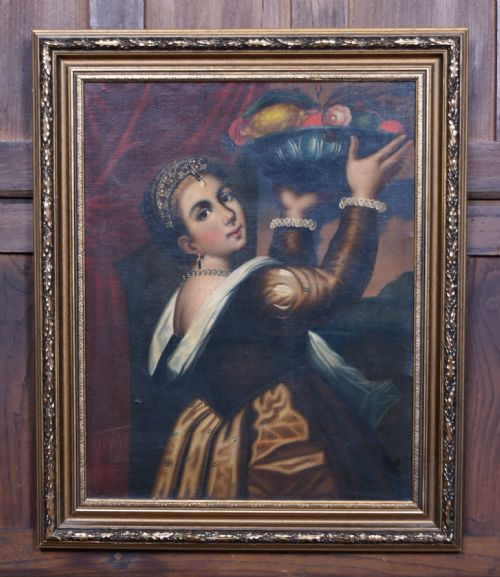
Most examples encountered here are oil paintings on canvas, frequently framed in gilt wood, alongside related decorative ceramics such as footed pottery bowls and Imari porcelain. The selection balances European oil portraits of apples, grapes, and berries with decorative vessel forms.
The subjects range from tightly rendered classical realism to looser post-impressionist brushwork, reflecting the shifting tastes of Victorian, Edwardian, and later twentieth-century artists. Painters such as Jozsef Molnar, Else Preußner, Ian Parker, and J.C. de Bruin represent this broad tradition.
Materials and methods
Artists built these compositions using oil paint on canvas, applying layers of pigment to capture the dense skins of fruit, the reflective surfaces of glazed jugs, and the texture of woven baskets. Canvases are frequently housed in wood frames finished with gold leaf or gilt.
Ceramic pieces in the selection demonstrate distinct manufacturing methods, from the moulded earthenware of Gaudy Welsh pottery to the intricate hand-painted glazes of Japanese Imari ware. Enamel details often highlight the decorative patterns on these vessels.
Distinctions in quality
The sophistication of tonal modelling and the handling of light define the upper tier of these canvases, where artists successfully render the weight and translucency of fruit. Weaker examples rely on flat application and predictable colour relationships without capturing atmospheric depth.
Frame integrity and canvas preservation also distinguish the selection, as original gilt wood settings contribute to the historic character of the artwork. On the ceramic side, precision in hand-painted motifs and the clarity of glaze firing mark superior vessel production.
The Traditional Fruit Bowl Painting Glossary
- Still life
- A painting or drawing depicting mostly inanimate subject matter, typically everyday items which may be either natural or man-made. In this context, it focuses primarily on fruit arrangements and tableware.
- Oil on canvas
- A painting medium where pigments are suspended in a drying oil, applied to a stretched woven fabric support. This combination allows for rich blending of tones and durable surfaces.
- Gilt wood
- Wood that has been treated with a thin layer of gold leaf or metallic powder. It frequently surrounds canvas works from the nineteenth and early twentieth centuries to enhance the visual presentation.
- Imari
- A type of Japanese porcelain decorated in underglaze blue and overglaze red, gold, and other colours. These bowls display traditional decorative patterns originating from the Edo period and later.
- Gaudy Welsh
- A style of colourful pottery produced in Britain during the nineteenth century, known for vibrant floral patterns incorporating cobalt blue, copper lustre, and enamel highlights.
Traditional Fruit Bowl Painting: Frequently Asked Questions
How should I hang an oil painting?
Display oil paintings away from direct sunlight and fluctuating heat sources to protect the canvas and pigment layers. Use sturdy picture hooks suited to the weight of the frame.
Ensure the wall is structurally sound and keep the artwork at a comfortable eye level for viewing within your interior space.
What periods do these paintings come from?
The available works primarily date from the nineteenth century through the Edwardian era up to the mid-twentieth century. Artists worked across various stylistic movements including traditional realism and post-impressionism.
Each period brings distinct framing choices, brushwork techniques, and colour palettes characteristic of its artistic community.
How do I care for antique ceramic bowls?
Handle decorative ceramic bowls with clean hands and support the base when moving them. Dust them gently with a dry, soft cloth.
Avoid using water or cleaning solutions on antique glazes and enamels, as moisture can damage historic surfaces.
What is the difference between canvas and pottery items here?
Canvas items are two-dimensional oil paintings depicting fruit arrangements, often secured in wooden frames. They emphasise brushwork, light, and colour composition.
Pottery and porcelain items are three-dimensional decorative vessels featuring painted motifs like flowers or traditional patterns, serving both functional and ornamental roles.