
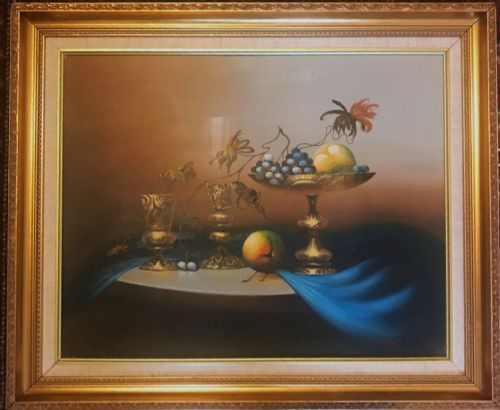
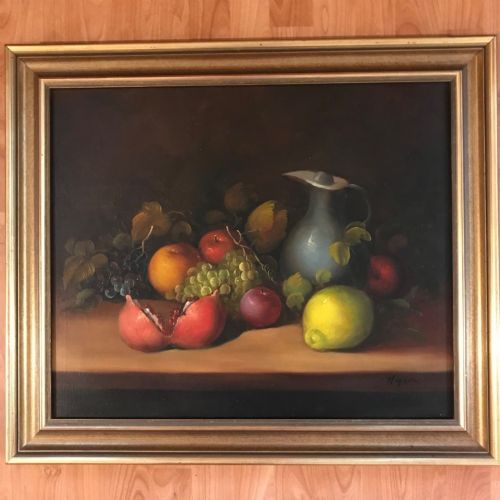
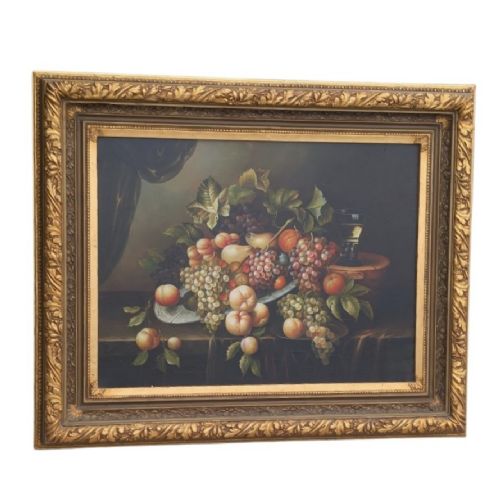
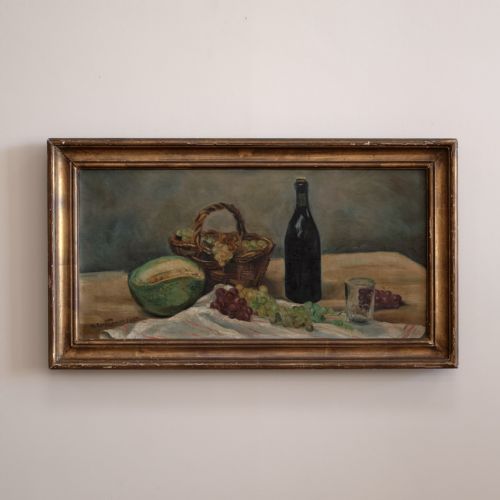
Framed Fruit Canvas
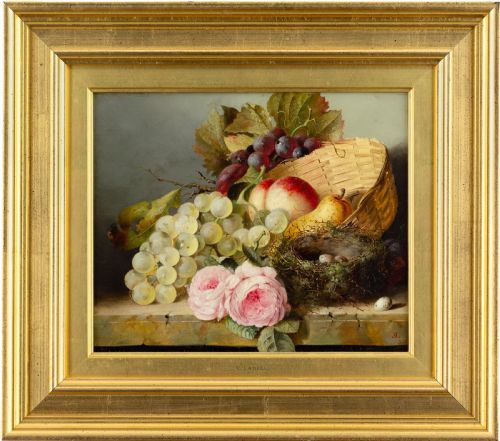
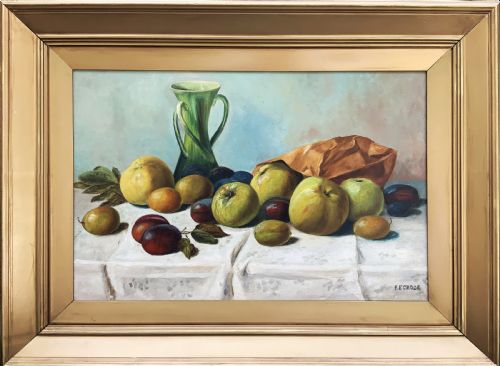
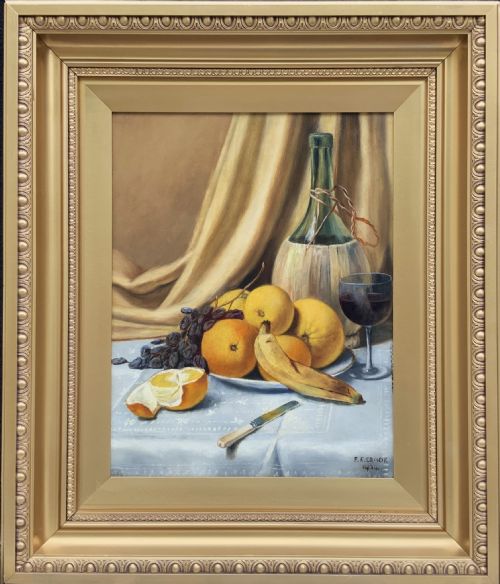
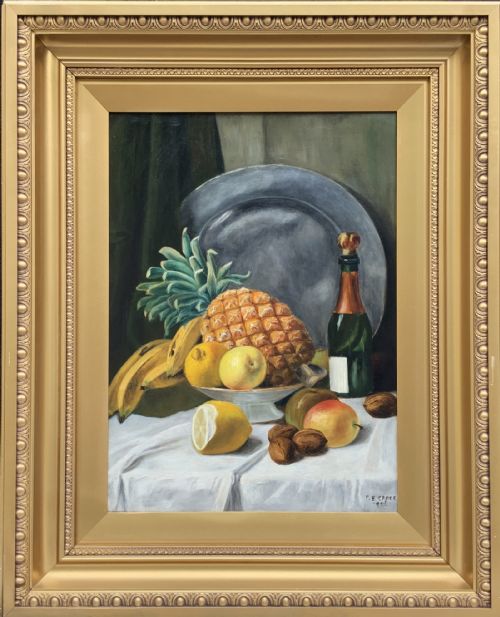
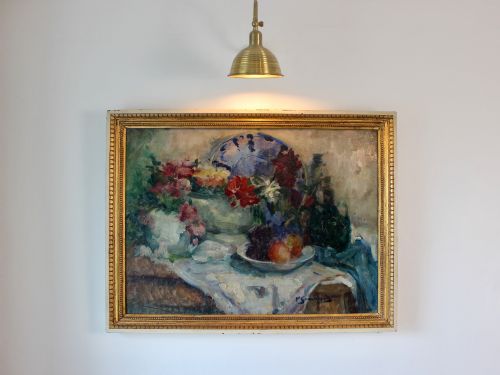
These framed fruit canvas pieces capture centuries of still life painting, bringing lush harvest compositions and rich textures directly to your walls.
Framed Fruit Canvas
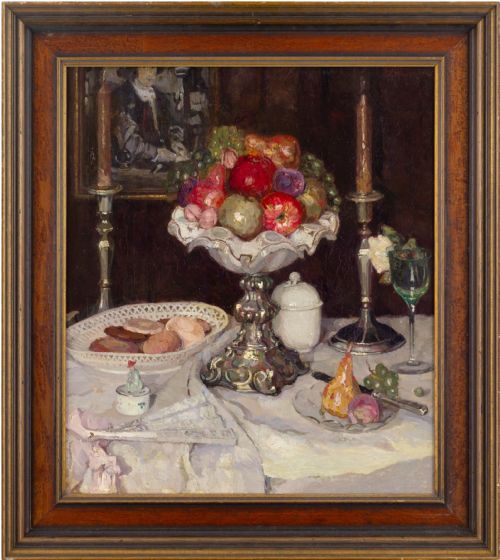
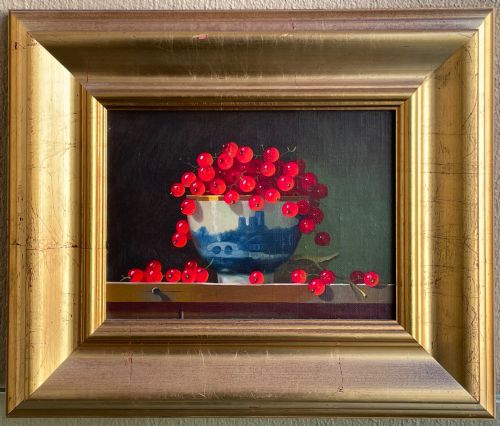
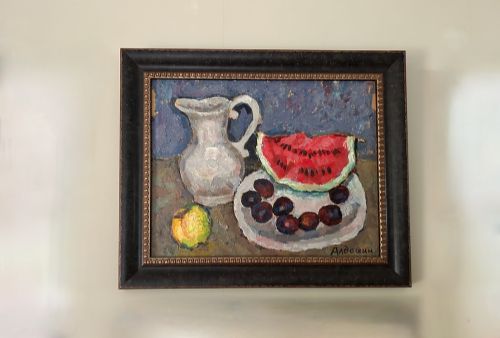
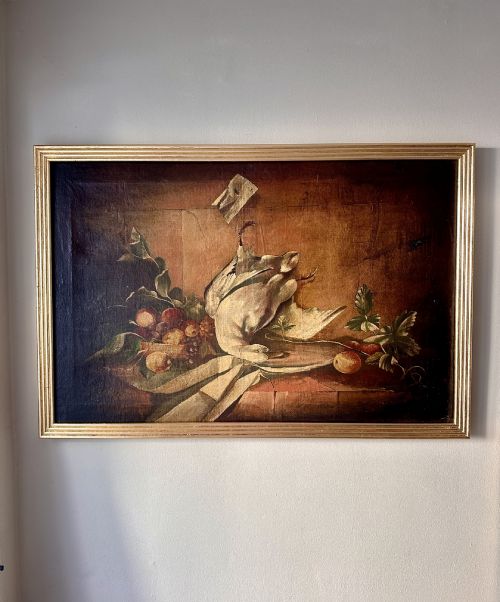
When you search for framed fruit canvas, you encounter traditional still life paintings depicting apples, grapes, baskets, and table settings. The pieces range from eighteenth-century baroque compositions to mid-century European studies and impressionist works.
You are most likely to meet nineteenth-century and early twentieth-century examples on this page, housed in period wood and gilt frames. These subjects often combine natural produce with domestic items such as jugs, pottery, and glassware.
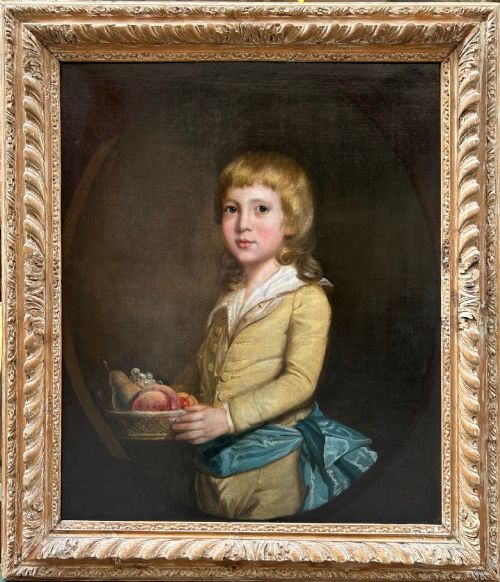
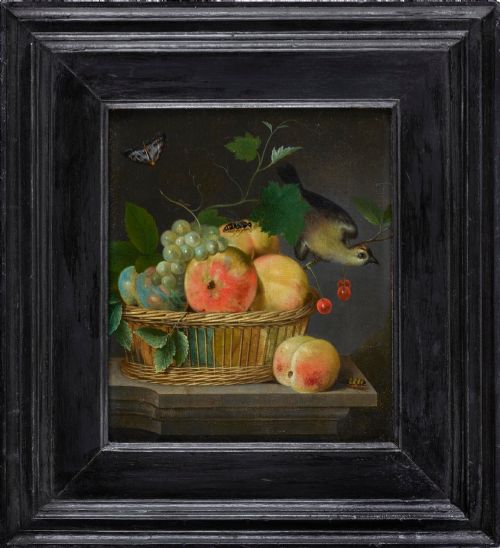
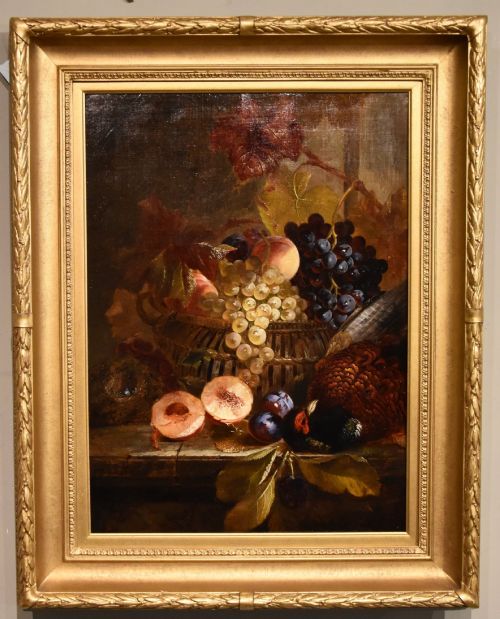
The selections include works by named international artists alongside continental school pieces and unsigned traditional studies. Many examples focus entirely on botanical arrangements, while others incorporate birds, game, or human portraits holding harvest baskets.
Materials and Techniques
Artists painted these works primarily with oil paint on stretched canvas, though tempera on canvas also appears in mid-century school pieces. The pigments build up layers of depth, particularly in the rendering of fruit skins, foliage, and reflective surfaces.
The supporting frames consist predominantly of wood, frequently finished with gilt, gold leaf, or giltwood moulding to complement the dark tones of the canvases. These surrounds range from simple wooden profiles to ornate nineteenth-century frames.
The selection includes continental school pieces, traditional European still life studies, and abstract botanical works on canvas.
Qualities of the Work
The success of a composition rests on the handling of light and shadow across organic forms, where superior brushwork defines the roundness of fruit and the texture of wicker baskets. Stronger pieces display confident tonal control in background shadows and highlights on glass or ceramic vessels.
The integration of the canvas within its original or period frame contributes significantly to the integrity of the object. Finer examples maintain harmony between the painted surface and the giltwood moulding surrounding it.
Jozsef Molnar·Edward Ladell·Thomas Beach·Gaspar Peeter Verbruggen·William Henry Ward·Else Preußner·Ian Parker·Vladimir Aldoshin·Victor Simonin·Henri Joseph Pauwels·William Duffield·Bela Balogh·Thomas Hooper·Maud Frances Eyston Sumner·J.C.de Bruin
The Framed Fruit Canvas Glossary
- Still life
- A painting depicting inanimate subject matter, typically commonplace objects such as fruit, flowers, and tableware. These compositions allow artists to focus entirely on colour, light, and arrangement.
- Giltwood
- Wood that has been treated with gold leaf or a gold-coloured metallic finish. This material is standard for traditional picture frames intended to elevate oil paintings.
- Impressionism
- A nineteenth-century art movement characterised by relatively small, thin, yet visible brush strokes and an open composition. It prioritises accurate depiction of light in its changing qualities.
- Baroque
- A highly ornate and extravagant style of architecture, art, and music that flourished in Europe from the early seventeenth century until the mid-eighteenth century. In painting, it uses dramatic contrasts between light and dark.
- Tempera
- A permanent, fast-drying painting medium consisting of coloured pigment mixed with a water-binder agent. It produces a matte surface texture distinct from oil paint.
Framed Fruit Canvas: Frequently Asked Questions
What periods do these paintings cover?
The available artworks span from the seventeenth century through the eighteenth and nineteenth centuries into the mid-twentieth century. Mid-century and modern interpretations sit alongside classical realism and Victorian pieces.
This broad timeline reflects changing approaches to still life painting, moving from dark baroque banquet scenes to brighter impressionist and abstracted botanical studies.
Are all the canvases framed?
Every piece presented here is paired with a frame, predominantly constructed from wood with gilt or gold leaf finishes. These surrounds include period-appropriate mouldings designed to complement the oil paintings.
The combination of canvas and frame provides a complete wall-ready artwork sourced from various European and international schools.
How do I care for an oil on canvas?
Oil paintings require stable indoor environments away from direct sunlight and extreme temperature fluctuations. Keep the canvas clean by gently dusting the surface and the surrounding frame with a soft, dry brush.
Avoid using moisture or chemical cleaners on either the painted surface or the giltwood frame to preserve the integrity of the materials.
What subjects accompany the fruit?
While fruit remains the central focus, many compositions incorporate complementary objects such as wicker baskets, ceramic jugs, wine glasses, and tableware. Some pieces also feature dead game, flowers, candlesticks, or birds.
A selection of works places the harvest items alongside human figures, including portraits of children and women carrying baskets.