




Grand Tour Souvenir Art
Grand tour souvenir art captures the tastes of travellers abroad, offering framed classical views, miniature sculpture and intaglios for the home.
Grand Tour Souvenir Art
Grand tour souvenir art encompasses the portable paintings, drawings, and small sculptures collected by travellers across Europe during the eighteenth and nineteenth centuries. These pieces reflect a deep engagement with classical antiquity and continental sights, capturing famous ruins, sculptures, and landscapes.
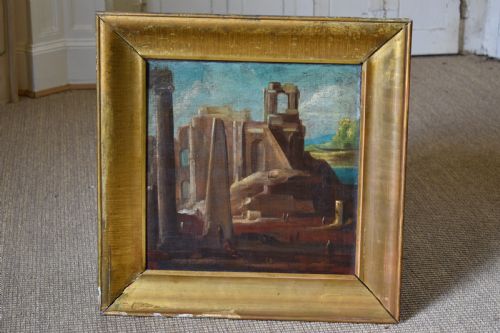
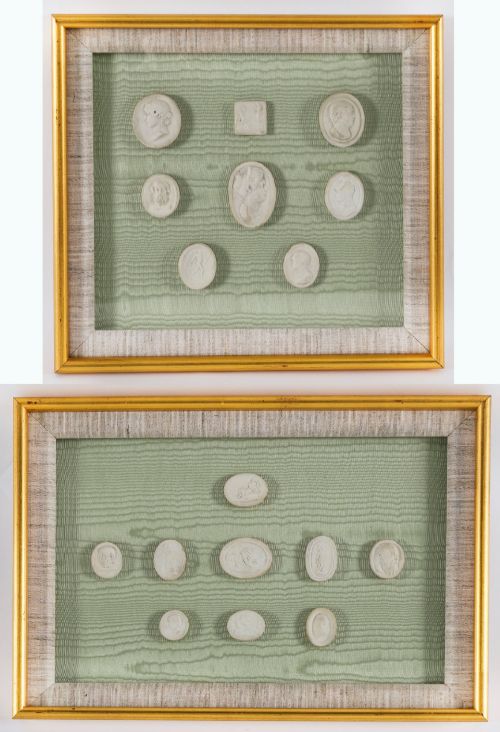
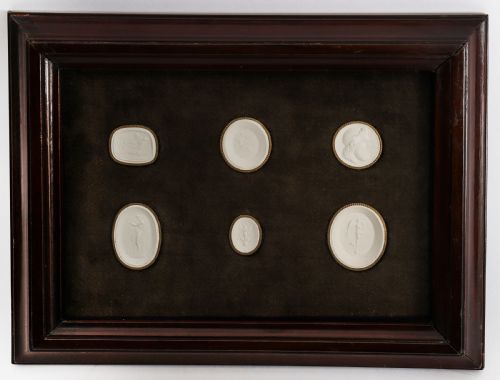
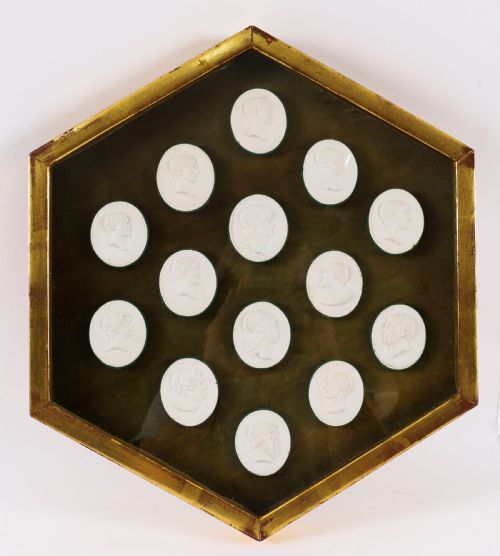
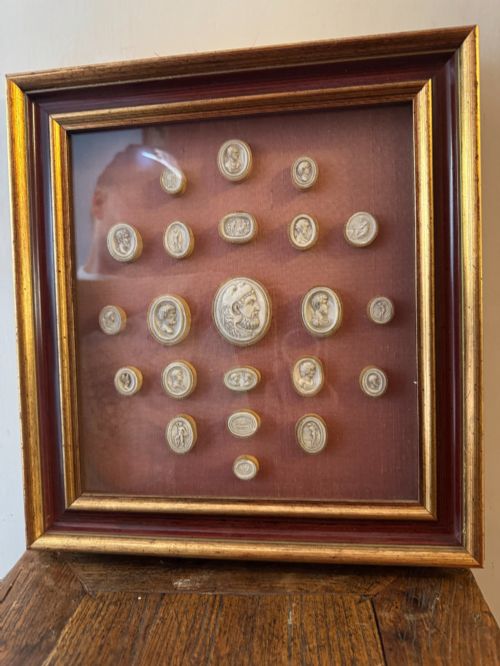
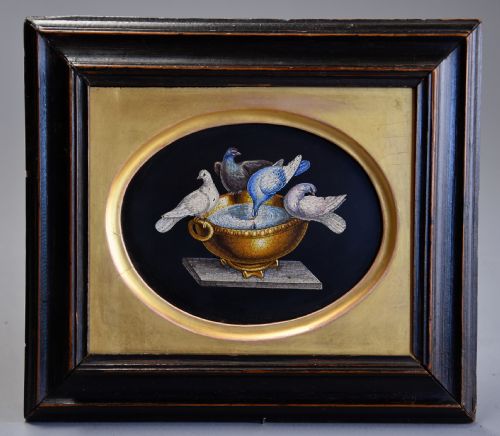
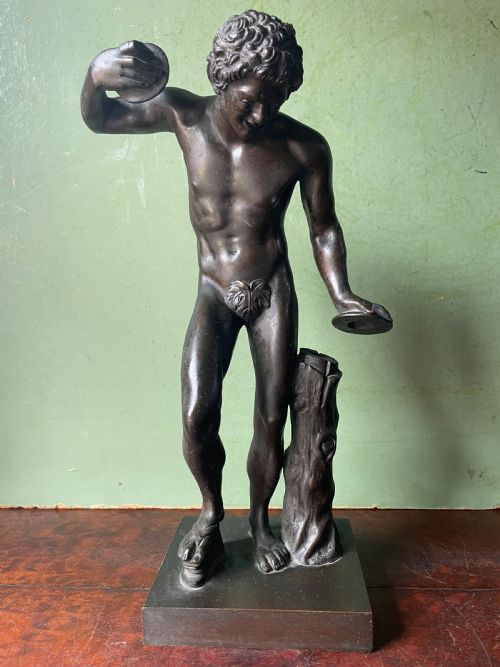
The selection here draws heavily on nineteenth-century examples, featuring framed collections of plaster or gypsum intaglios, detailed watercolours, gouaches of Naples, and micromosaic plaques. Buyers frequently encounter framed classical cameos and oil paintings depicting Italian scenes alongside miniature bronze reductions after antique statues.
Makers such as Giovanni Liberotti emerge through specialised intaglio sets housed in box frames, representing the commercial output geared towards wealthy visitors. Alongside these, anonymous watercolours and gouache paintings record specific locations like Pompeii and the Forum of Nerva for domestic display.
How they were made
The construction of these souvenirs relies on traditional materials like paper, plaster, glass, wood, and bronze, often combined within custom frames lined with velvet or fabric. Plaster and gypsum intaglios are cast in series to record classical sculpture, while gouache and watercolour paintings are applied to paper support.
Metalworking techniques produced bronze reductions of famous classical figures such as the dancing faun, utilising casting methods to scale down monumental statues. Stonework and hardstone techniques appear in pietre dure marble pictures, assembling precise cut stone pieces into pictorial panels.
Travellers returning home could display classical sculpture through miniature plaster intaglios without needing a palazzo to hold them.
What varies in quality
Quality diverges between mass-produced tourist items and works executed by skilled local artisans or named masters like Giovanni Liberotti. Precision in the moulding of plaster intaglios and the delicacy of brushwork in gouache paintings distinguish superior examples.
The preservation of original ebonised frames, glass, and backing velvet contributes significantly to the integrity of a piece. Finer works display meticulous detail in micromosaic glass tesserae or bronze patination that closely mimics ancient patinas.
Giovanni Liberotti
The Grand Tour Souvenir Art Glossary
- Intaglio
- A gem or other material carved or cast in incision, so that the design dips below the surface. These were frequently gathered into framed sets during the nineteenth century.
- Micromosaic
- A picture formed by assembling tiny glass tesserae to create intricate pictorial scenes. This technique produced detailed plaques often mounted in ebonised frames.
- Pietre dure
- A method of inlaying cut and fitted polished coloured stones to create pictures. The technique appears in marble pictorial plaques depicting figures like shepherd boys.
- Gouache
- An opaque watercolour paint used extensively for topographical views of Naples and surrounding ruins. These vibrant works were popular portable purchases for travellers.
- Bronze reduction
- A smaller-scale metal cast copying a large public monument or antique sculpture. Such pieces allowed collectors to house classical figures domestically.
Grand Tour Souvenir Art: Frequently Asked Questions
What is grand tour art?
Grand tour art comprises the paintings, prints, intaglios and small bronzes collected by travellers on European journeys during the eighteenth and nineteenth centuries.
These objects served as physical reminders of classical antiquity and foreign sights, designed to be transported home and displayed in domestic interiors.
How were intaglio sets displayed?
Intaglio sets were typically cast in plaster or gypsum and arranged neatly within framed wooden boxes lined with velvet or paper.
Collectors hung these arrangements on walls to demonstrate their classical learning and appreciation for ancient sculpture.
What subjects appear in gouaches?
Gouache paintings frequently depict southern Italian landscapes, coastal views of Naples, and excavations at sites like Pompeii.
Local artists produced these colourful scenes for visitors wishing to record the bright light and dramatic architecture of the region.
How do I care for framed paper art?
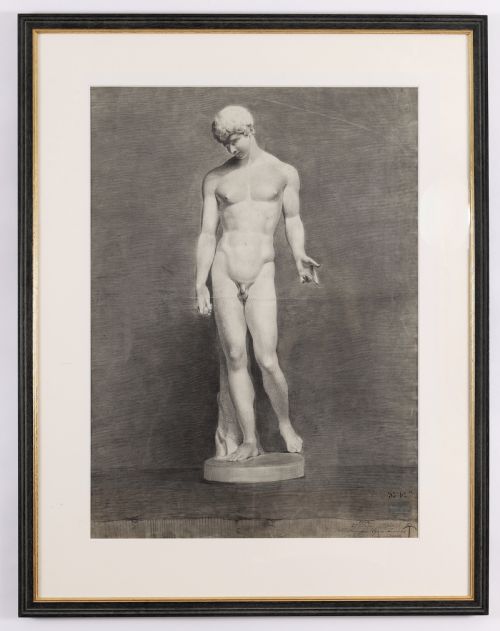
Framed watercolours, gouaches and engravings require protection from direct sunlight to prevent fading of the pigments and paper support.
Maintaining stable indoor humidity levels also helps preserve the original frames, glass, and backing materials.