


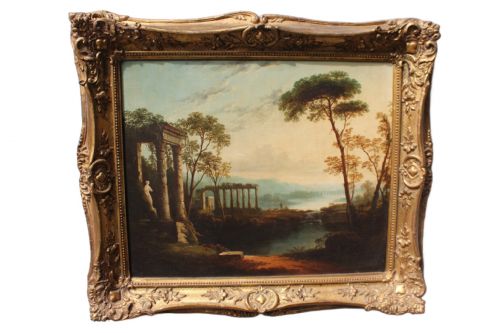


Framed Grand Tour Paintings
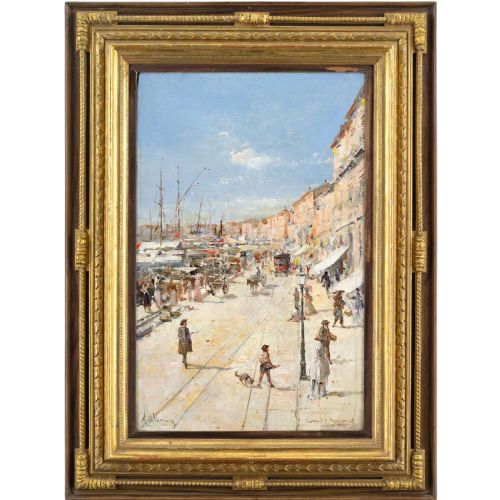
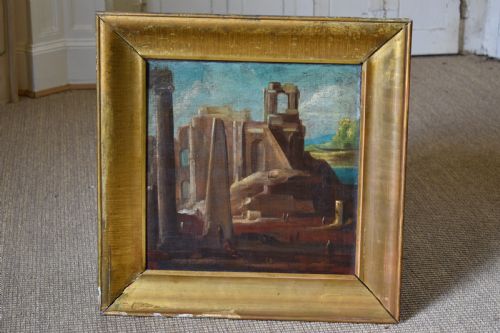
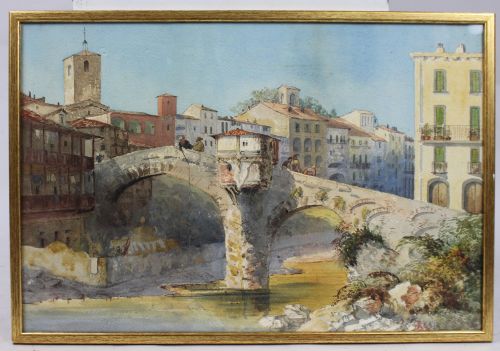
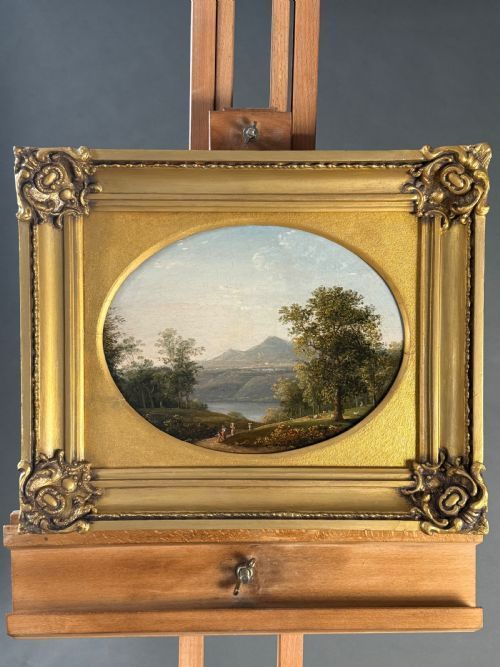
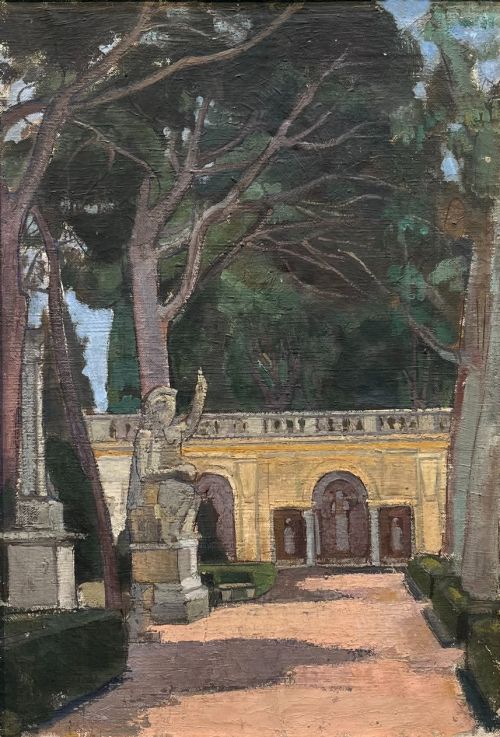
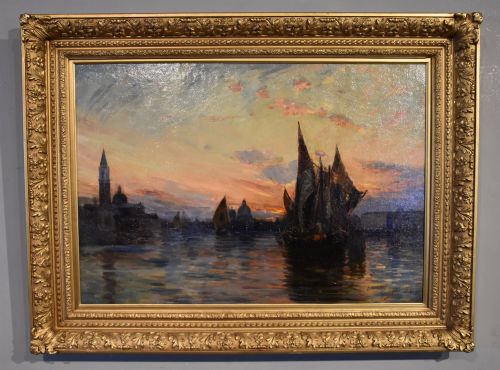
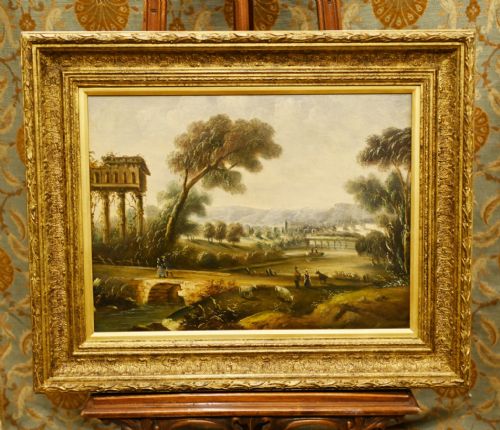
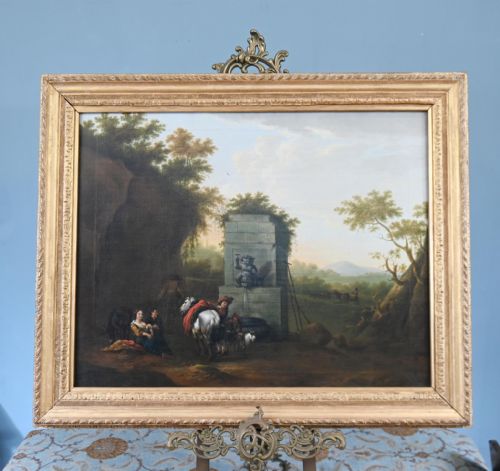
These framed grand tour paintings capture classical Italian landscapes, Venetian canals and Roman ruins collected by travellers during past centuries.
Framed Grand Tour Paintings
Framed grand tour paintings comprise oil on canvas, gouache and watercolour works produced across the eighteenth and nineteenth centuries for travellers exploring Italy. Subjects range from classical ruins and pastoral landscapes to Venetian views of the Doge's Palace and the Grand Canal.
Buyers meet works originating from British and Italian artists working in Rome, Naples and Venice, alongside unsigned watercolours and gouaches. Many pieces depict specific landmarks such as the Colosseum, the Forum of Nerva and the Spanish Steps.
The selection includes individual portraits, pairs and sets of architectural scenes framed in period wood, glass and giltwood. These artworks preserve the souvenir tradition of travellers visiting Mediterranean antiquity.
How they were made
Artists painted on paper, canvas and wood panels using oil paints, watercolour and gouache techniques. Pigments capture light on Venetian waters and Italian foliage.
Frames utilise wood and giltwood construction, often featuring moulded or gilded decoration designed to complement the classical subject matter inside.
Travellers returning from Naples packed delicate gouaches into luggage alongside ancient Roman coins and lava cameos.
What varies in quality
Quality rests in the handling of perspective, architectural detail and atmospheric light across the canvas or paper surface. Skilled painters capture the texture of crumbling stone and water reflections with precision.
The preservation of the original framing, whether giltwood or moulded wood, influences the integrity of the piece. Works retaining signed inscriptions or identifiable artist hands command distinct attention.
Augusto Alberici·JACOB PHILIPP HACKERT·Thomas Hodgson Liddell·Franz Knebel·Marc Aldine·Alfred Pollentine·Vittore Zanetti Zilla·Charles H Poingdestre·Jane Vivian·William Crouch·Guido Agostini
The Framed Grand Tour Paintings Glossary
- Grand Tour
- A traditional journey through Europe undertaken by upper-class European young men of means, primarily visiting Italy to absorb classical culture and art.
- Capriccio
- An architectural fantasy placing together classical ruins, buildings and other architectural elements in a fictional compositional landscape.
- Giltwood
- Wood carved and subsequently coated with a thin layer of gold leaf or powder, frequently utilised for nineteenth-century picture frames.
- Gouache
- A method of painting using opaque watercolours mixed with a binding agent, popular for vibrant Mediterranean townscapes and coastal views.
- Neoclassical
- A style derived from the architecture and art of classical antiquity, influencing eighteenth and nineteenth-century landscape compositions.
Framed Grand Tour Paintings: Frequently Asked Questions
What subjects appear in grand tour paintings?
These works display Italian landscapes, classical ruins, Roman monuments and Venetian canals. Artists recorded famous sights encountered by travellers during their journeys.
Scenes frequently feature architectural landmarks like the Colosseum, the Doge's Palace and rural pastoral views.
Are these paintings original period pieces?
The selection contains works dating from the eighteenth and nineteenth centuries, including Victorian and Edwardian examples. Artists painted them contemporaneously with the travel movement.
Each piece reflects the techniques and materials of its specific decade, from early oil landscapes to later watercolours.
How should I display framed paintings?
Hang these artworks away from direct sunlight to protect delicate watercolours and gouaches on paper. Stable indoor humidity preserves the wooden and giltwood frames.
Pairing pieces from the same region or period creates a cohesive wall display in traditional interiors.
Did local artists create these artworks?
Both British artists working abroad in Rome and local Italian painters produced these souvenirs for foreign travellers. Schools of artists operated in major cities like Venice and Naples.
Signatures, when present, reveal whether a British visitor or an Italian resident executed the view.