




Grand Tour Plaster Cast
A grand tour plaster cast brings classical antiquity straight into the study, offering portable echoes of Rome and Athens for the discerning collector.
Grand Tour Plaster Cast
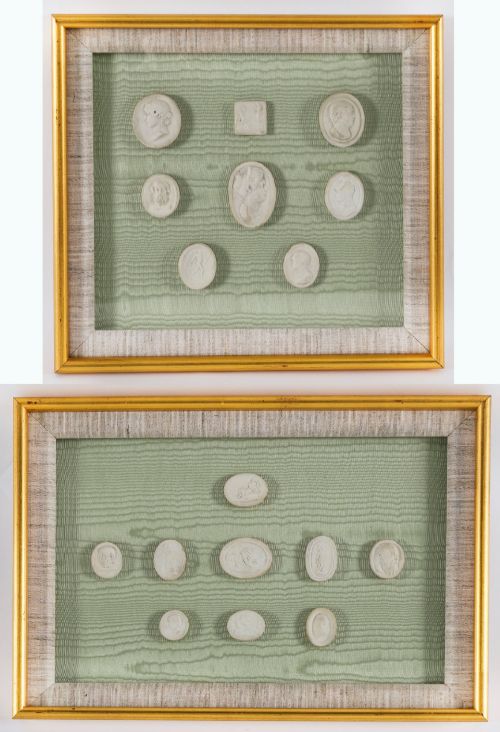
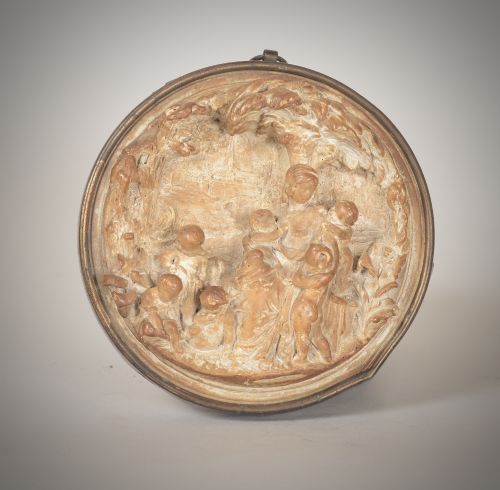
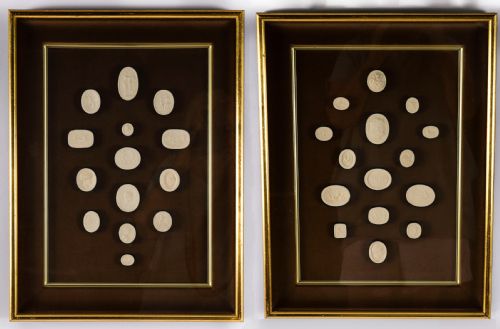
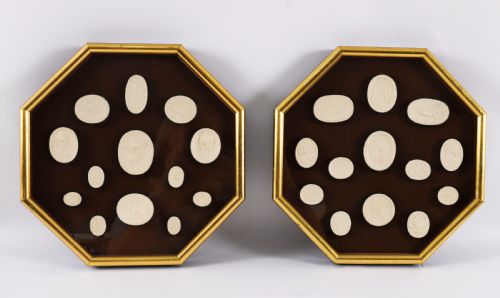
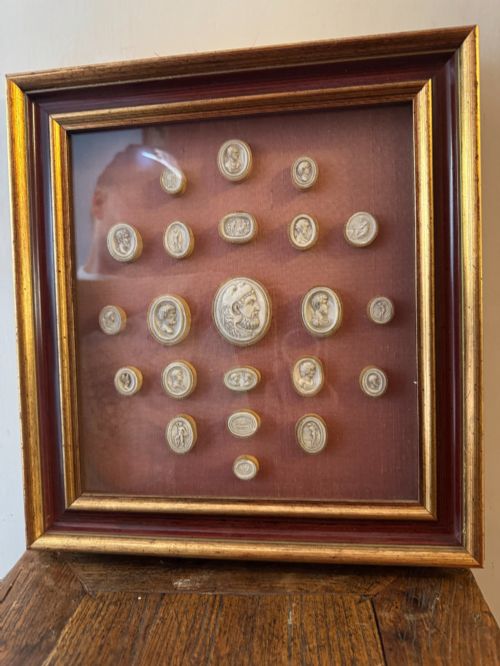
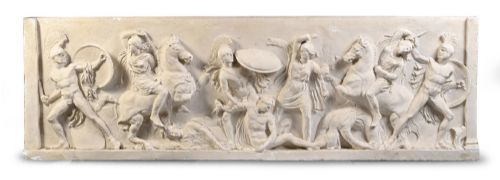
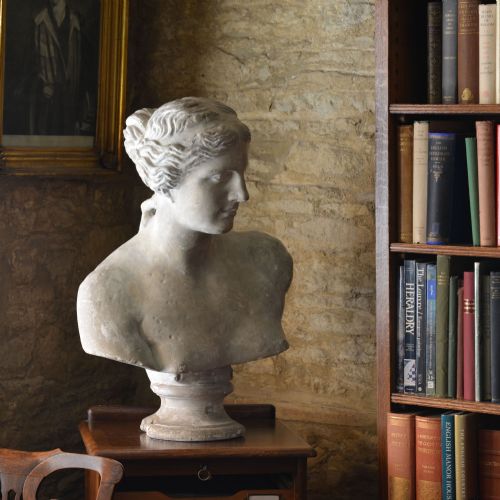
A grand tour plaster cast encompasses framed intaglios, relief panels, and sculptural busts recording classical antiquity. These pieces reflect the educational travels undertaken across Europe during the eighteenth and nineteenth centuries.
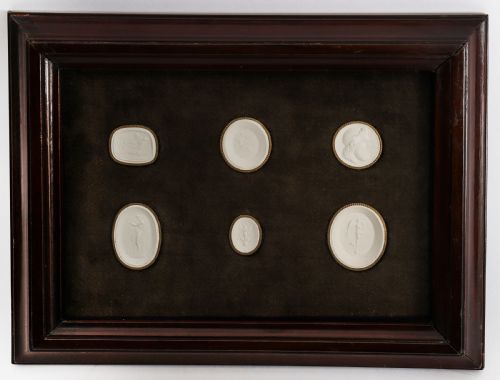
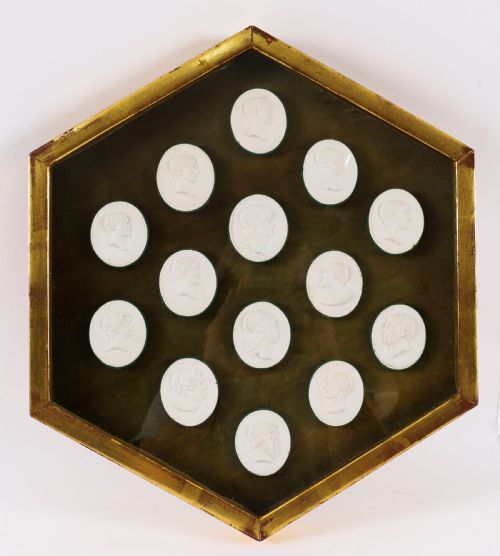
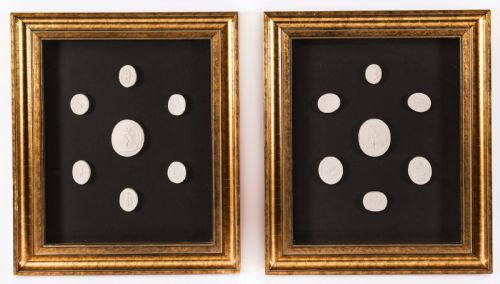
Collectors frequently encounter framed collections of intaglios or gypsum cameo panels alongside busts of classical figures. The pieces span the nineteenth century, Edwardian era, and the early twentieth century.
Origins stretch across Italian, French, and German workshops producing neoclassical academic studies. They serve as tactile libraries of mythological and historical sculpture.
Materials and Construction
Plaster, gypsum, and marble dust provide the primary medium for capturing intricate relief details and sculptural depth. Artisans pour these fine materials into moulds taken directly from antique sculpture and carved gems.
Framed works utilise wood, gilt wood, and giltwood mouldings often backed with velvet or fabric. Glazed shadow boxes frequently protect delicate intaglios and medallion arrangements.
Patinated surfaces and gold leaf finishes enhance the visual weight of plaster figures and busts. Careful casting ensures the crisp lines characteristic of neoclassical academic production.
Grand Tour Plaster Cast Retail Price Guide 2026
Typical asking prices for grand tour plaster cast among the pieces listed under this phrase on Sellingantiques today, from the lower quarter to the upper quarter. They describe what is for sale here now, not the wider market.
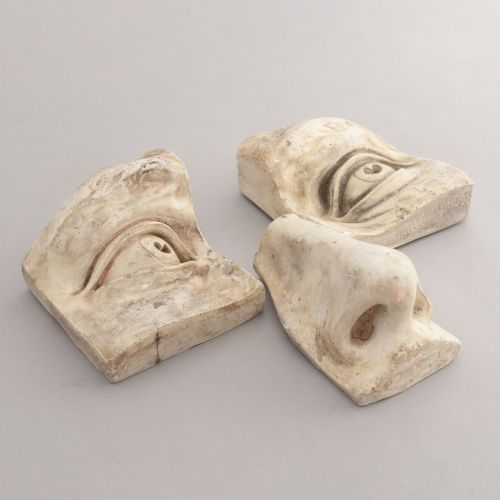
Even the eye of David gets his own plaster spotlight, proving that classical heroes need not stare you down at full height.
Factors of Quality
The precision of the cast dictates the fidelity to the original classical sculpture, separating crisp detail from softened form. Superior pieces retain the microscopic sharpness of ancient carved intaglios and the subtle musculature of full-scale busts.
Presentation elevates certain examples above standard workshop output, particularly custom framing with quality velvet mounts and gilded enclosures. The arrangement of multiple medallions within a single composition demonstrates thoughtful curatorial design.
Attribution to known modellers or specific archival workshops adds significant distinction to individual sets. The purity of the plaster mix and the subtle application of historic patination further distinguish superior examples.
Giovanni Liberotti·Pietro Bracci
The Grand Tour Plaster Cast Glossary
- Intaglio
- A gem or medallion carved into the surface so the design sinks below the plane. These were frequently cast in plaster during the grand tour to record ancient collections.
- Gypsum
- A soft sulphate mineral used to create fine plaster casts and intaglios. It allows for exceptional detail retention in neoclassical relief work.
- Neoclassical Academic
- A style rooted in the rigorous study of classical Greek and Roman art. This aesthetic dominated European art training throughout the nineteenth century.
- Giltwood
- Wood carved and covered with a thin layer of gold leaf. It provides traditional framing for classical relief panels and intaglio collections.
Grand Tour Plaster Cast: Frequently Asked Questions
How were intaglios displayed?
Intaglios were typically arranged in sets and mounted within custom wooden frames lined with fabric or velvet. Glazed boxes protected the delicate plaster medallions from dust while allowing close inspection.
Many sets feature meticulous handwritten labels identifying the classical subjects beneath each cast. This method of display mimics the cabinet of curiosities tradition.
How do I date a plaster cast?
Dating relies heavily on framing styles, mounting techniques, and the materials used for the backing boards and glass. Nineteenth-century examples often feature heavy giltwood frames and hand-cut paper labels.
Later twentieth-century iterations, such as those from the 1930s, may utilise different moulding techniques or marble dust compositions. Comparing the crispness of the relief to known period pieces also helps determine age.
How should I care for plaster casts?
Plaster requires dry, stable indoor conditions away from direct sunlight and excessive humidity. Moisture can soften the material and discolour historic velvet backings.
Dusting should be done gently with a soft, dry brush rather than any liquid cleaner. Framed pieces under glass require minimal maintenance beyond standard archival care.