
Grand Tour Pedestal
A grand tour pedestal brings classical antiquity into a room through carved marble and cast bronze souvenirs collected by travellers.
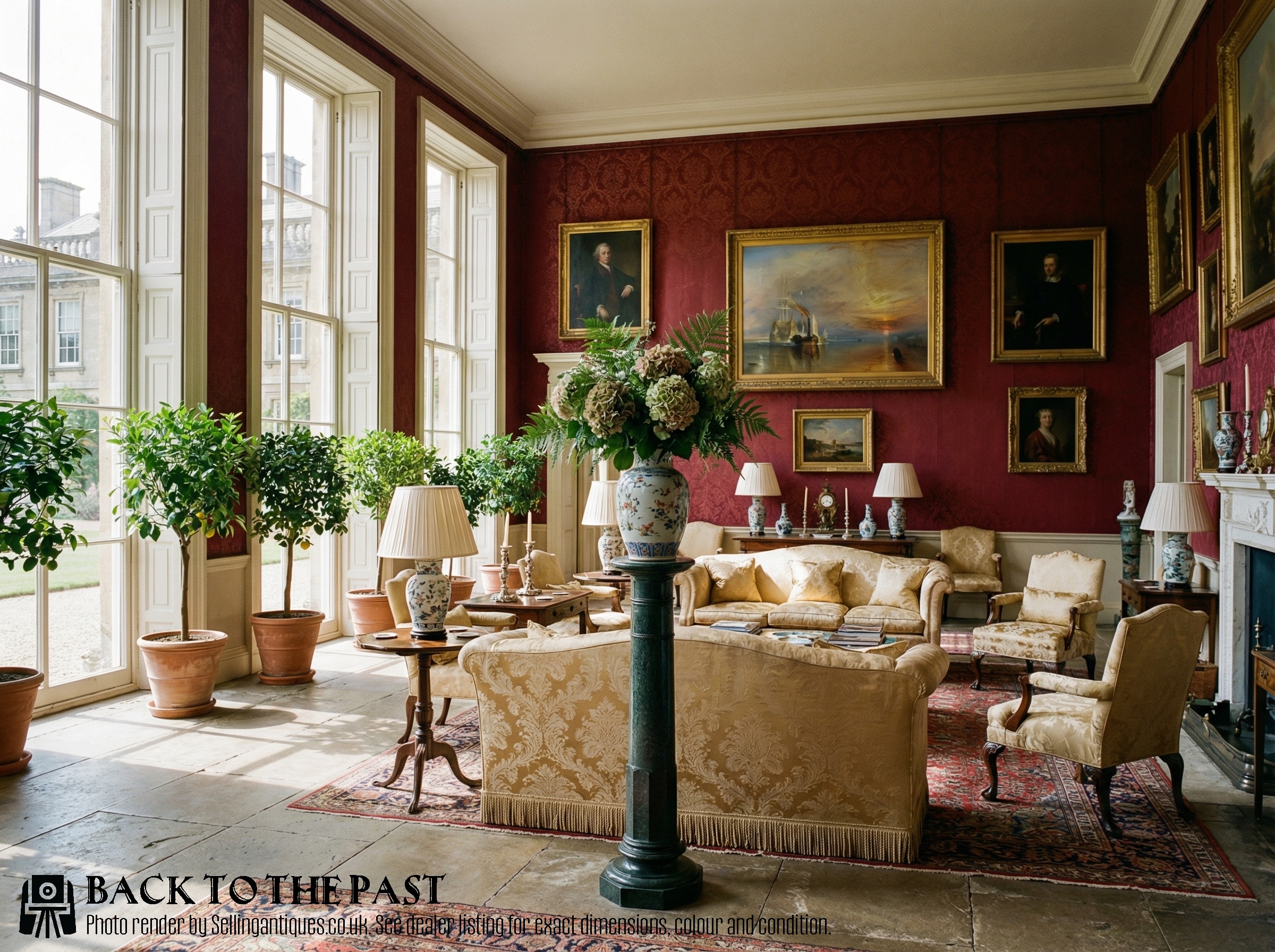
Grand Tour Pedestal
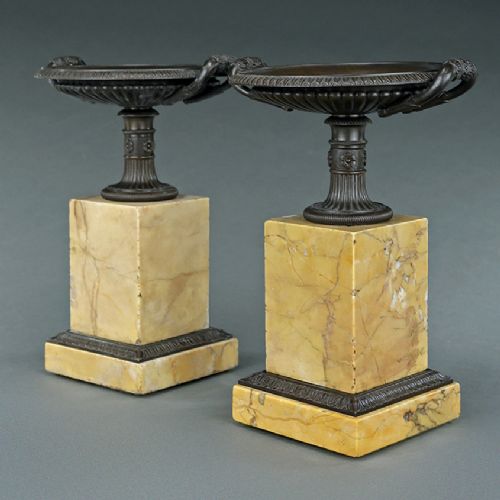
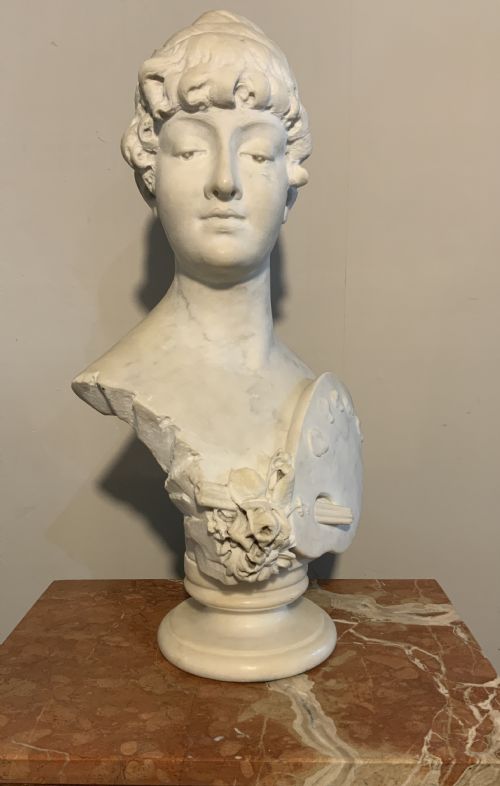
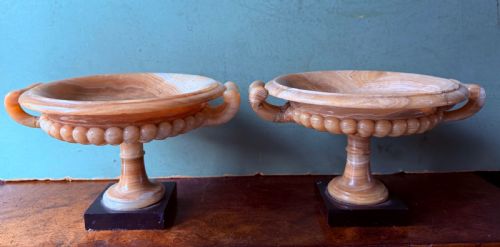
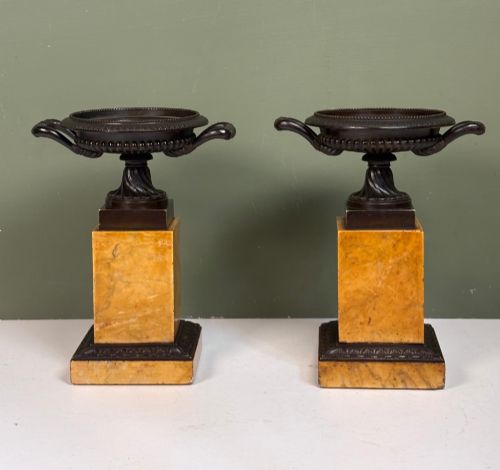
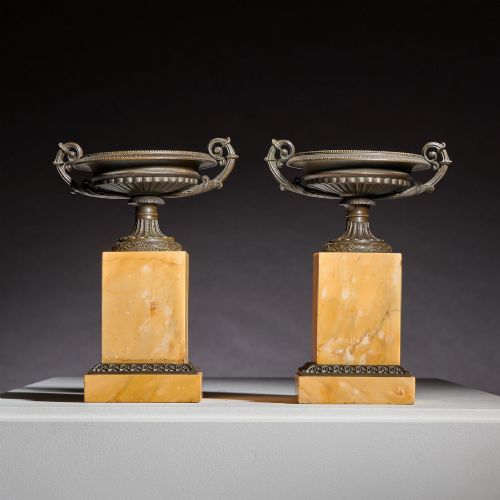
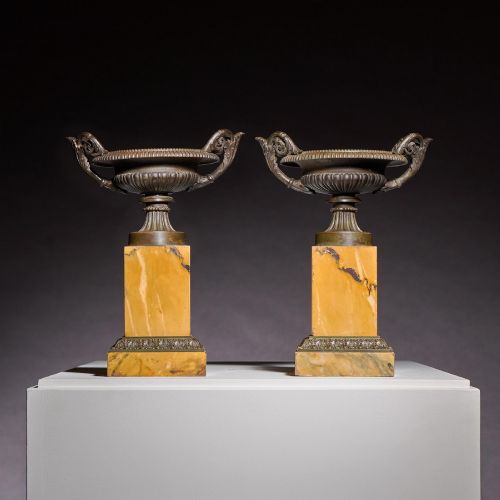
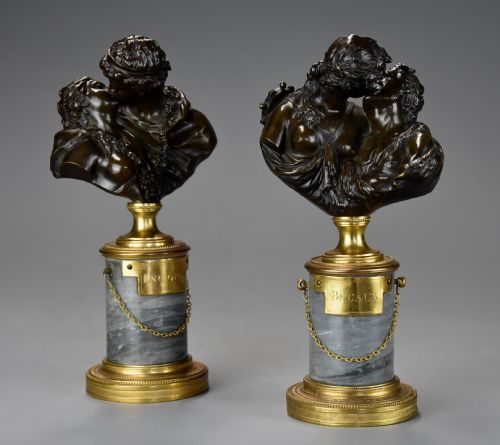
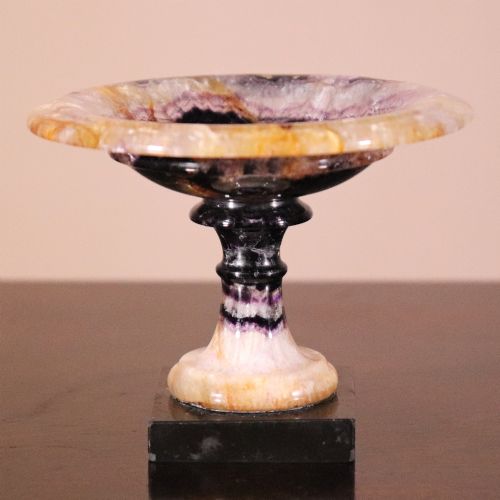
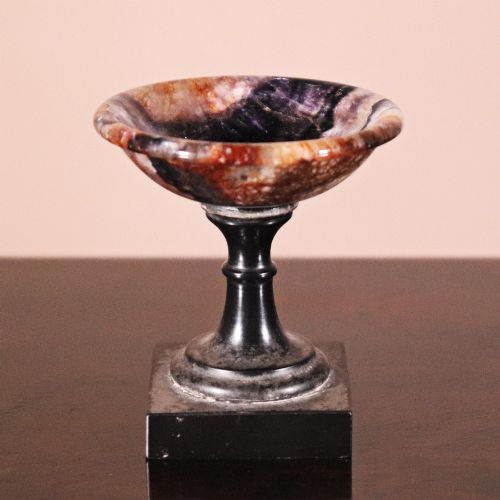
A grand tour pedestal serves to elevate decorative objects, tazzas, and busts inspired by ancient Rome and Greece. These pieces date predominantly from the nineteenth century, reflecting the travels undertaken by affluent Europeans across classical sites.
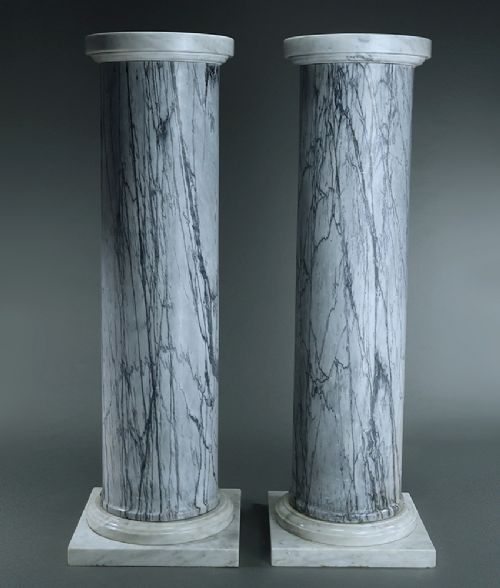
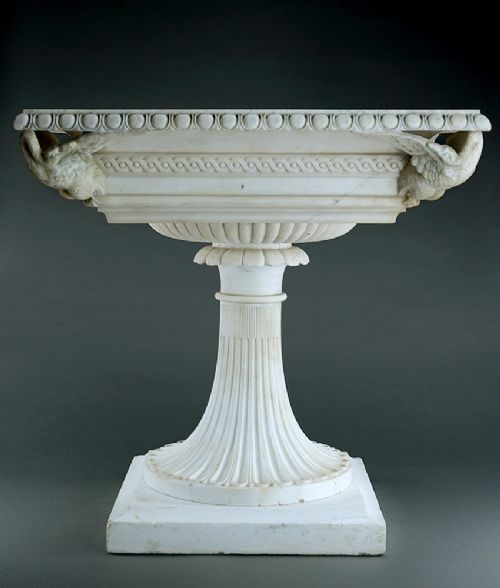
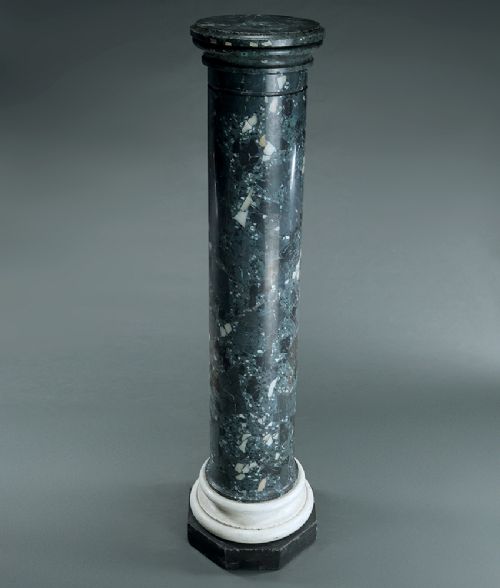
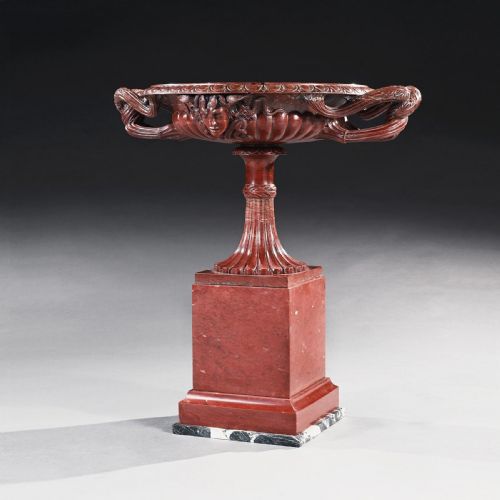
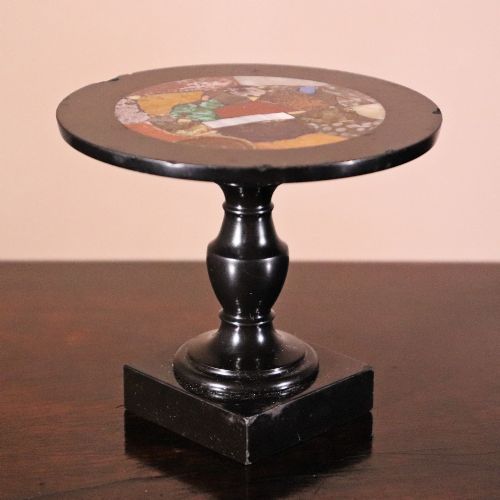
The version most commonly encountered on this page is the marble column or scagliola shaft, often supporting a bronze urn or a carved tazza. They span architectural forms including freestanding columns, smaller block bases, and occasional tables.
The styles range from neoclassical severity to Italian Renaissance Revival and French Empire, echoing the antiquity discovered abroad. They functioned originally as portable museums for scholars and collectors.
How they were made
Bronze components were cast using methods derived from classical sculpture and finished with chased details or patination. Stone sections required precise turning on lathes and hand-polishing to reveal natural veining.
The object forms include decorative urns, sculptures, occasional tables, columns, pedestals, libraries tazzas, and architectural marble fragments.
What varies in quality
Quality rests upon the crispness of the bronze chasing and the selection of the marble sample. Superior pieces employ heavily figured stones like alabastro egiziano and Blue John, matched carefully across pairs.
Weight and stability distinguish standard works from exceptional commissions. Fine columns and tazzas display rigorous adherence to classical proportions and meticulous joints between metal and stone elements.
Benedetto Boschetti·Jean Antoine Houdon
The Grand Tour Pedestal Glossary
- Tazza
- A shallow saucer-shaped vessel on a stem and foot, frequently utilised as a decorative centrepiece during the nineteenth century.
- Scagliola
- A composite material made from pigmented gypsum, glue, and water, applied to mimic expensive marbles and lapidary work.
- Campana urn
- A bell-shaped vessel with flared rims and looped handles, modelled after ancient Roman garden vases.
- Verde Antico
- A dark green serpentine marble exhibiting white calcite veins, favoured in classical and revival architecture.
- Ormolu
- Gilt bronze ornaments applied to furniture, stone bases, and decorative objects, providing metallic contrast to matte stone.
Grand Tour Pedestal: Frequently Asked Questions
How do I place them?
Columns and pedestals stand well in hallways or corners to elevate bronze busts, urns, or table lamps. They require stable flooring to support heavy stone weights safely.
Smaller tazzas and specimen marble tables fit upon sideboards or desks as focal displays.
How are periods told apart?
Nineteenth-century works often combine multiple marbles with crisply chased bronzes or scagliola shafts. Earlier eighteenth-century examples show different patination and simpler lapidary joins.
Later revival pieces from the twentieth century utilise cast plaster compositions alongside altered pedestal proportions.
What materials were used?
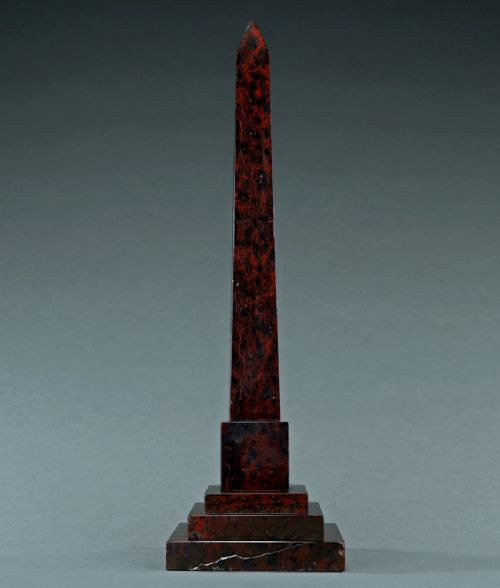
Workshops employed natural stones including Carrara, Siena, Red Serpentine, and Blue John alongside cast bronze and silvered bronze. Scagliola offered an alternative to solid marble columns.
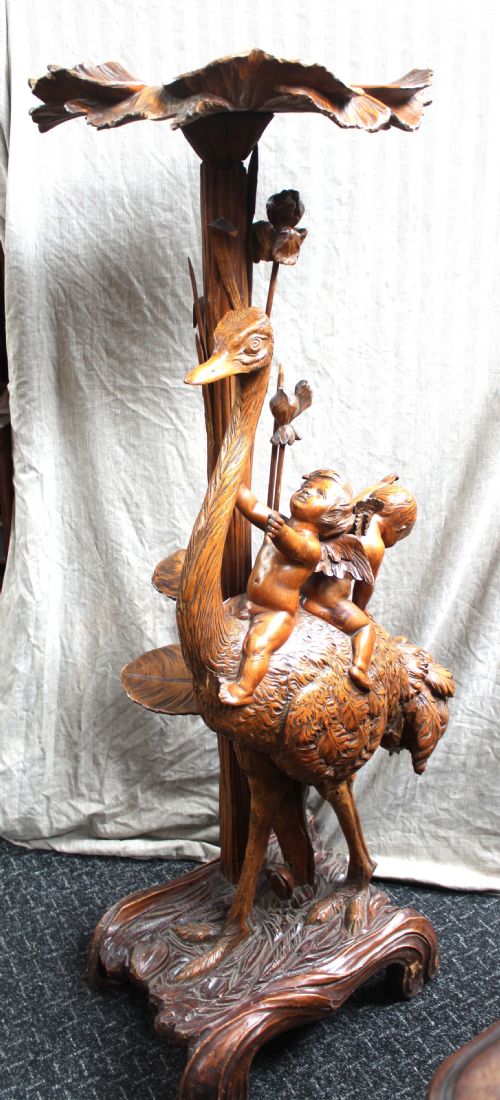
Walnut and ebonised woods also appear on occasional tables and display bases.