

Grand Tour Classical Statues
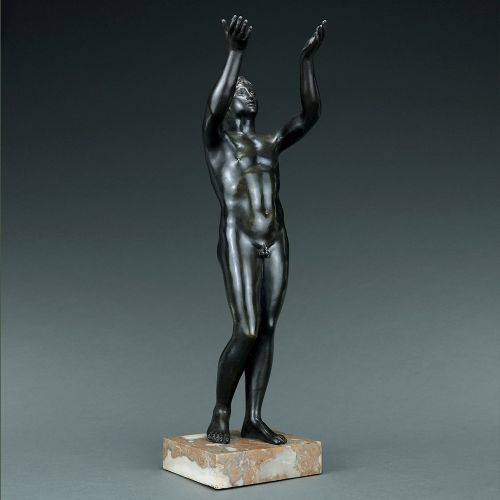
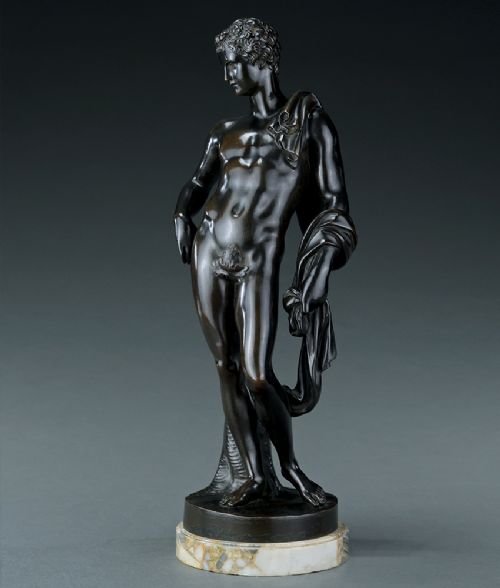
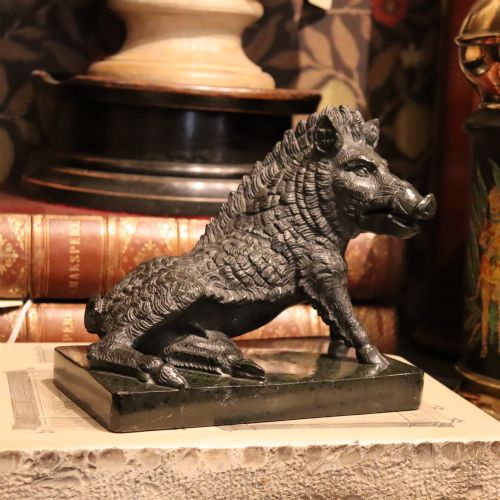
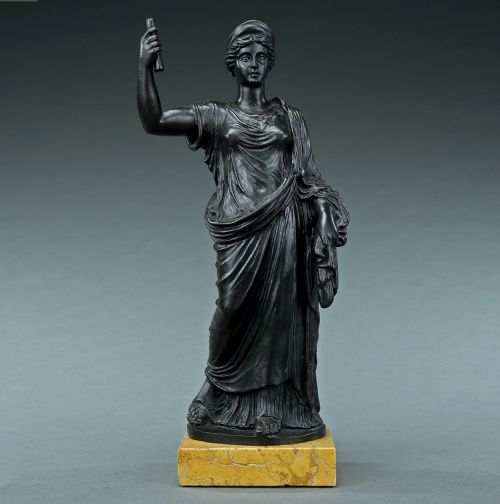
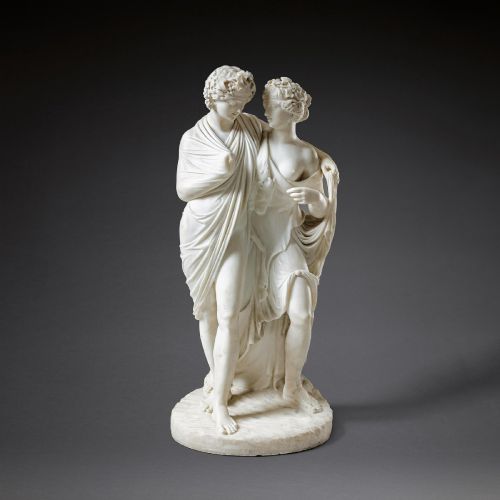
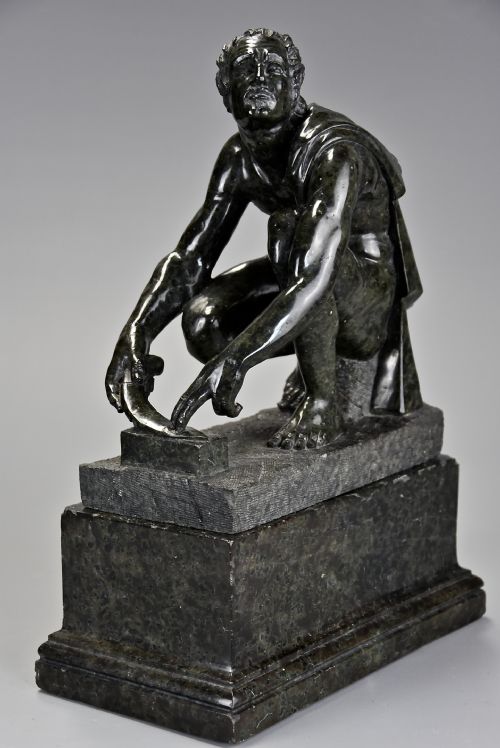
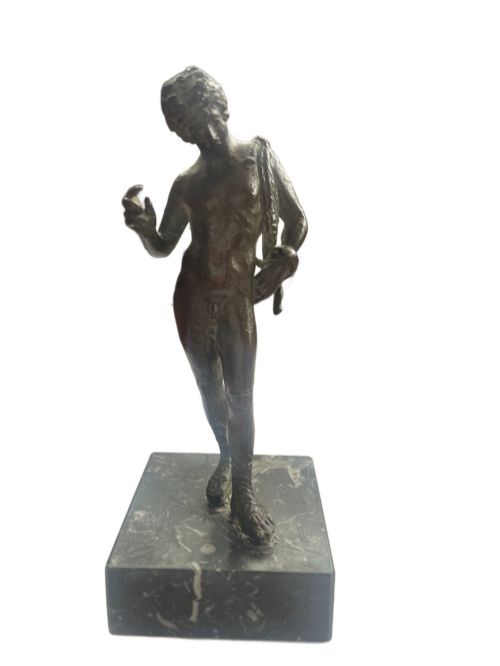
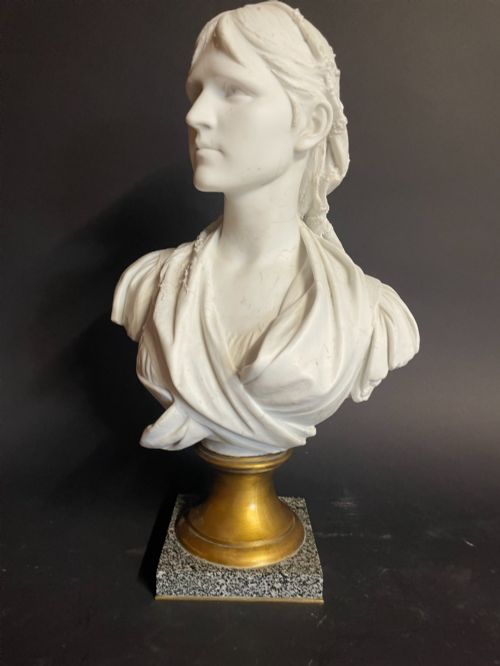
Grand tour classical statues are tactile reminders of educational journeys across Europe, taking the form of bronze and marble reductions after ancient sculpture.
Grand Tour Classical Statues
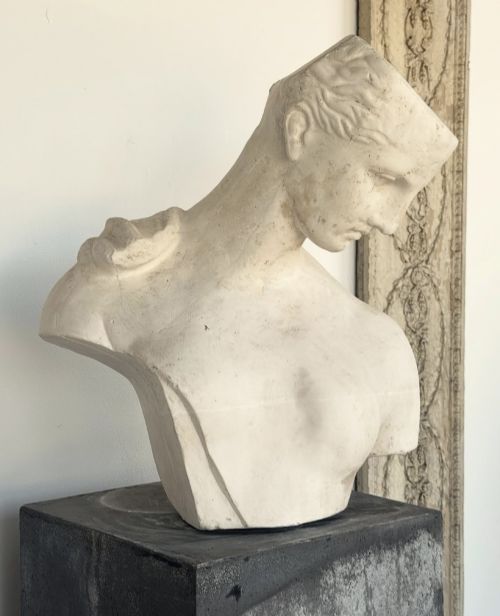
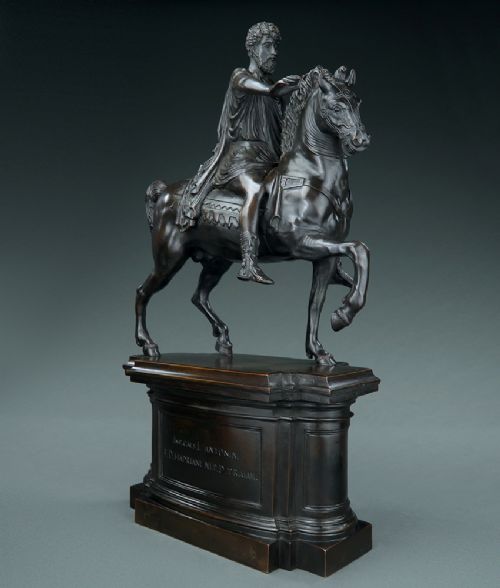
Grand tour classical statues comprise reduced-scale bronze sculptures, marble busts, and figures produced as souvenirs for travellers visiting European cultural sites. These pieces translate famous antiquities into portable works for domestic display during the nineteenth century.
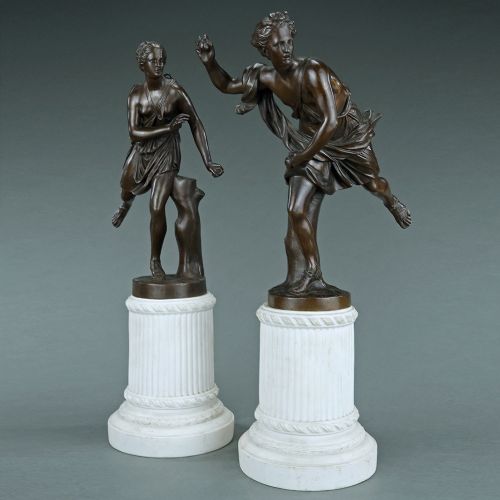
The selections on this page span the seventeenth through the nineteenth centuries, capturing Neoclassical, Baroque, and Renaissance revival styles. Forms range from dancing fauns and mythological deities to portraits of classical philosophers and Caesars.
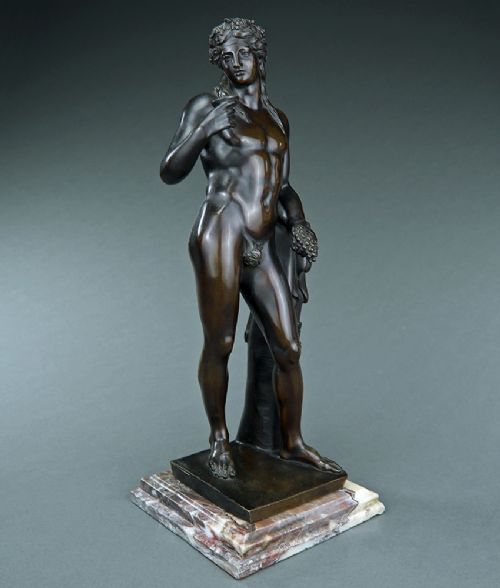
Buyers encounter subjects drawn directly from renowned works in Italian and French collections, mounted upon fossil, Siena, or white marble bases. The offerings include bronze groups, single figures, and specialised interpretations adapted as table lamps.
How they were made
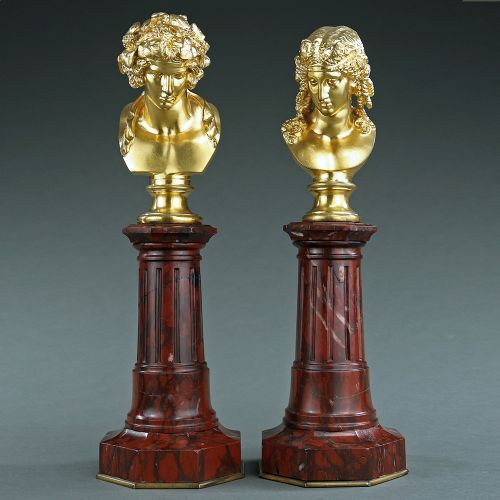
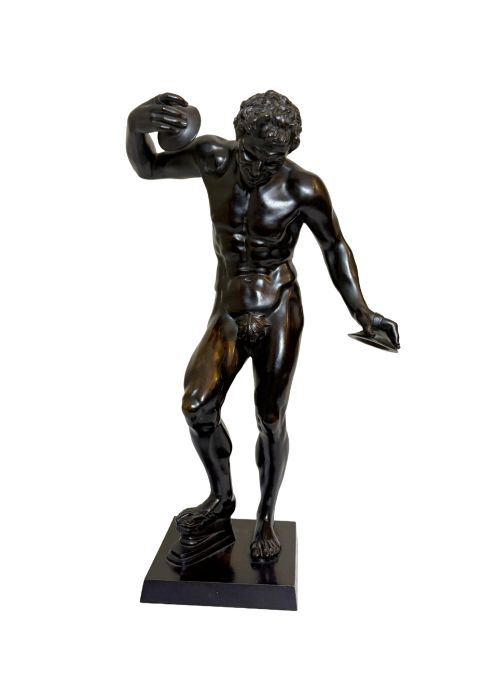
Bronzes utilise the lost-wax casting technique or sand casting to achieve fine detail, finished with patinations varying from deep brown to green verdigris. Gilt bronze highlights specific elements such as drapery or hair.
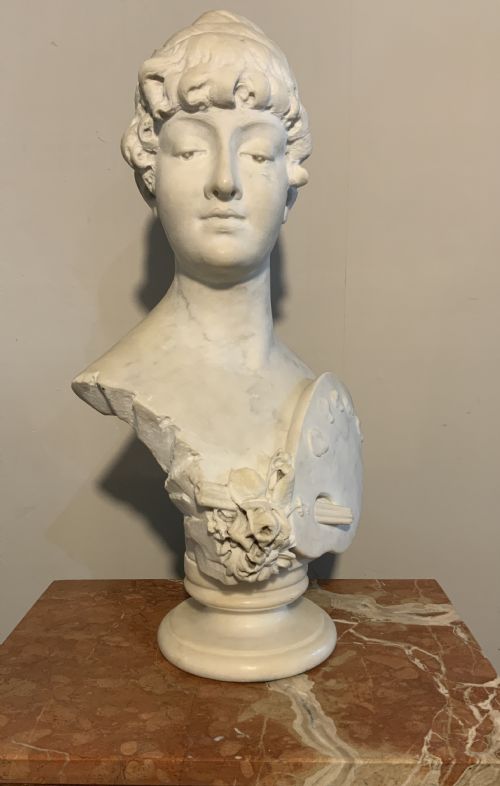
Marble works employ Carrara and verdo prato marbles, shaped through meticulous hand carving and polishing to replicate the textures of ancient stone. Bases incorporate contrasting materials like fossil marble to anchor the compositions.
Several dancing fauns hold cymbals aloft, ready to strike up an eternal Roman tune.
What varies in quality
The precision of the chisel work on marble and the crispness of the chasing on bronze separate workshop output. Superior examples retain sharp facial expressions and clear muscle definition without soft edges.
The choice and density of the mounting materials influence the standing of a piece, with figured marble plinths and multi-part bronze casts indicating skilled production.
Ferdinand Barbedienne·Carlo Albacini·G. Amodio Naples·Émile Louis Picault·Hamo Thornycroft
The Grand Tour Classical Statues Glossary
- Patinated bronze
- Bronze treated with chemical solutions to produce a specific surface colour or aged finish. This layer protects the metal whilst enhancing visual depth.
- Carrara marble
- A type of white or blue-grey marble quarried in the city of Carrara in Tuscany. It provides a uniform ground favoured for classical carving.
- Verdo prato
- A green serpentine marble utilised for Italian decorative objects and architectural elements. Its mottled appearance mimics natural foliage.
- Lost-wax casting
- A method where a molten metal is poured into a mould that has been created by melting away a wax model. This technique permits intricate undercuts and fine textures.
Grand Tour Classical Statues: Frequently Asked Questions
What is a grand tour sculpture?
Grand tour sculptures are miniature or reduced-scale copies of ancient Greek and Roman artworks acquired by wealthy travellers during their European education.
These pieces served as intellectual trophies and decorative furnishings in nineteenth-century homes.
Which materials were used for these statues?
Maker workshops utilised bronze, brass, spelter, and various marbles including Carrara and Siena.
Surfaces often received chemical patination to simulate the aged appearance of unearthed antiquities.
How do I identify the subject of a statue?
Subjects typically derive from mythology, literature, or famous excavated antiquities like the Borghese Gladiator or the Venus de Milo.
Inscribed names on bases or distinct attributes such as cymbals and lion skins help confirm the identity.
Where were these classical figures displayed?
Owners placed them upon desk tops, mantelpieces, and specialised pedestals within libraries and drawing rooms.
Their scale allowed collectors to assemble portable galleries of classical antiquity at home.