

Classical Bronzes After
Classical bronzes after antique refer to sculptural reductions and interpretations of ancient masterpieces, offering collectors tangible connections to classical mythology and Renaissance heritage.
Classical Bronzes After
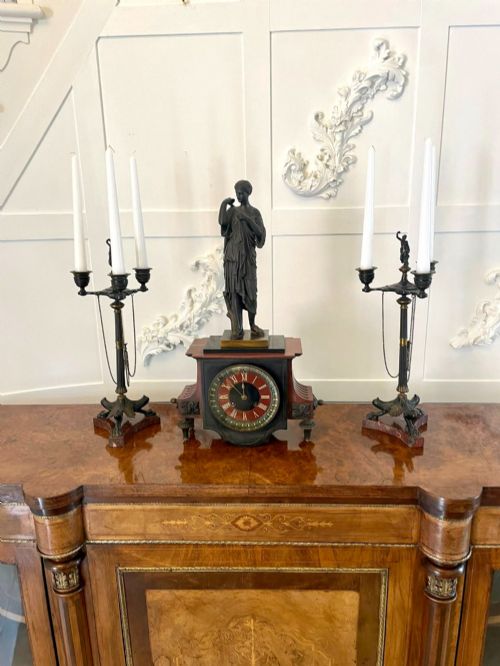
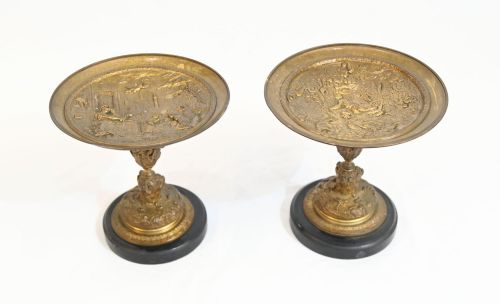
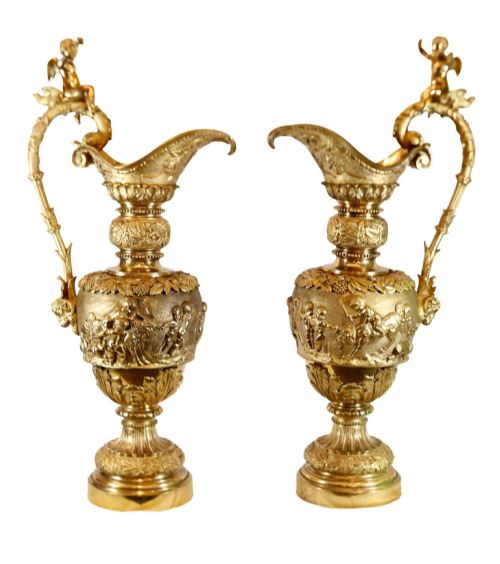
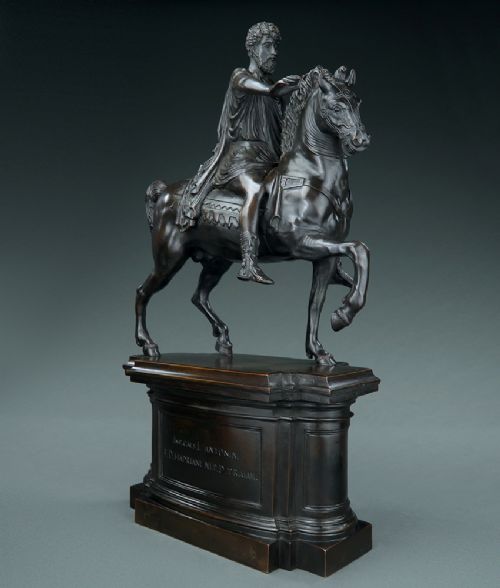
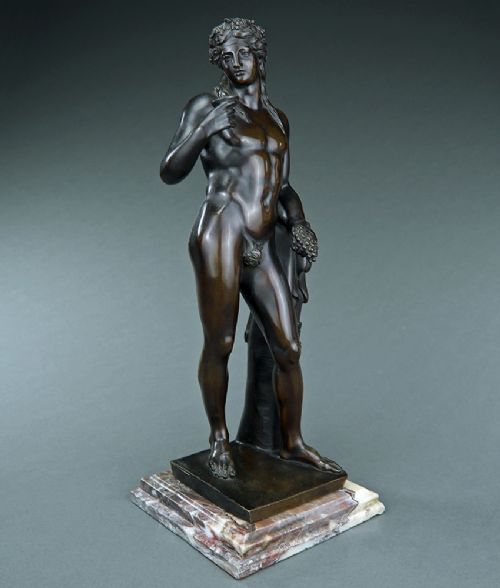
Classical bronzes after antique encompass sculptural reductions, figures, groups, and decorative vessels modelled on Greco-Roman masterpieces and Renaissance or Neoclassical interpretations. These works frequently emerge from nineteenth-century European foundries, particularly as Grand Tour souvenirs originating from Italy and France.
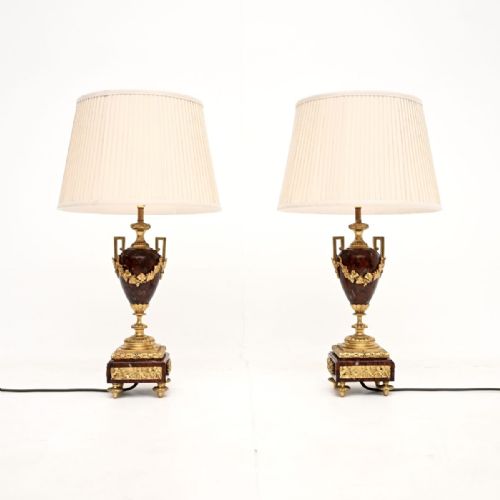
Buyers encounter distinct forms ranging in scale from cabinet bronzes and desk studies to large mantel clocks, lamps, and caryatid candlesticks. The nineteenth century yields the highest volume of these pieces, alongside select eighteenth-century castings and later early-twentieth-century examples.
Subjects draw heavily from classical mythology and statuary, featuring figures such as Narcissus, the Dancing Faun, Hermes, and the Farnese Hercules. These objects serve as study pieces, decorative accents, and historical links to earlier sculptural canons.
Materials and Casting Techniques
Foundries utilised traditional metalcasting methods, predominantly the lost-wax technique or sand casting, to achieve precise detail in bronze. Metal composition often included patinated bronze, gilt bronze, and silvered bronze, frequently mounted on bases of marble, onyx, or stone.
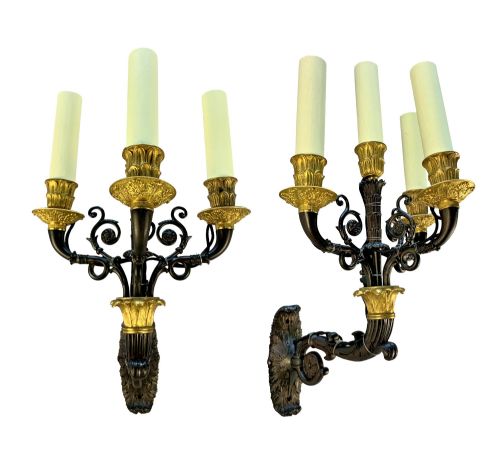
Surface finishes received careful chemical treatment to produce dark patination, verdigris highlights, or polished gilt highlights. Ormolu mountings and finely chased details enhanced the decorative impact of items like mantel clocks, vases, and furniture mounts.
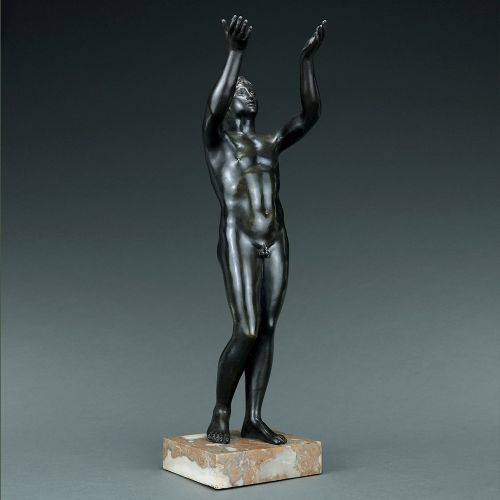
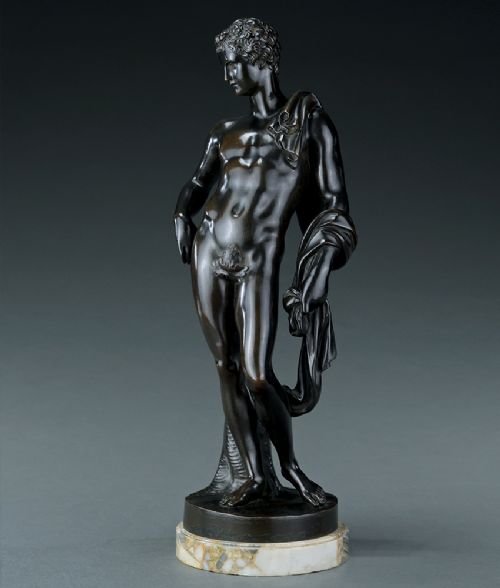
Hypnos, the ancient Greek god of sleep, quietly watches over rooms from his verdigris bronze study.
Factors Determining Quality
Quality rests upon the crispness of the chase work and the fidelity of the cast to the original prototype. Finer reductions preserve the anatomical proportions, facial expressions, and surface textures of the antique source without obscuring details beneath heavy patination.
The choice of base materials and secondary elements also distinguishes superior examples. Heavy marble or rouge griotte bases, precise ormolu mounts, and identifiable foundry stamps or signatures indicate higher workshop standards.
Barbedienne·Auguste Moreau·Jean-Henri Riesener·Claude Michel Clodian
The Classical Bronzes After Glossary
- Grand Tour
- A traditional educational journey of Europe undertaken by upper-class young men, acquiring souvenir art and bronzes. These objects often replicated famous Roman and Greek antiquities found in Italian collections.
- Lost-wax casting
- A metalcasting process where a molten metal is poured into a mould that has been created by means of a wax model. This technique allows for intricate undercuts and fine surface detailing.
- Ormolu
- Gilded bronze applications utilised extensively in French decorative arts and furniture mounts. The process involves applying a finely ground gold-mercury amalgam to a bronze object before heating.
- Patination
- The surface coloration achieved naturally over time or artificially through chemical treatments applied to bronze. It protects the metal and accentuates sculptural contours.
- Reduction
- A smaller scale copy of a larger sculptural monument or antique statue. Foundries produced these to allow collectors to display famous artworks within domestic interiors.
Classical Bronzes After: Frequently Asked Questions
What are classical bronzes after antique?
These pieces are metal sculptures cast in reduction or full scale after famous Greco-Roman antiquities and later masterworks. They record the artistic fascination with classical antiquity that persisted through the eighteenth and nineteenth centuries.
Foundries across France and Italy produced these works as decorative objects and educational souvenirs for private collections. Their subjects range from mythological deities to famous architectural vases and relief plaques.
How were these bronzes used originally?
Owners displayed these sculptures on desks, mantelpieces, library tables, and dedicated pedestals within domestic interiors. They functioned as conversation pieces that signaled the owner's classical learning and aesthetic refinement.
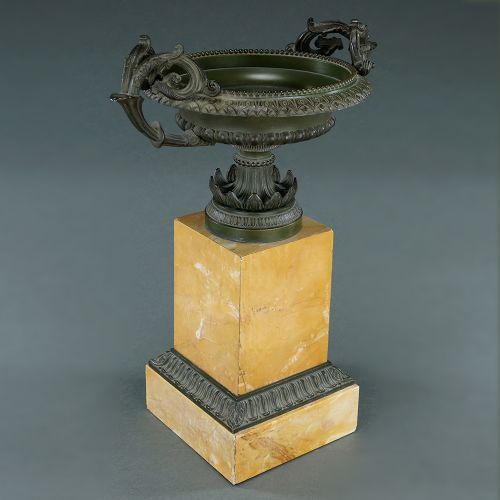
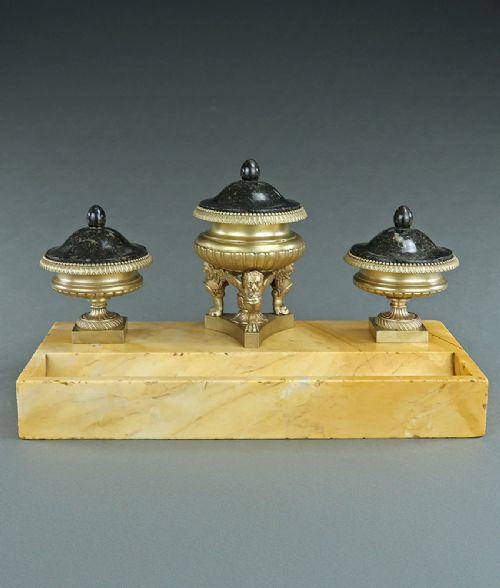
Certain items served practical purposes alongside their decorative role, functioning as table lamps, clock cases, inkstands, or wine-coolers. Their scale allowed grand public monuments to be appreciated intimately within a domestic study.
How do I identify a Grand Tour bronze?
Grand Tour bronzes typically emerge from nineteenth-century Italian workshops in Naples, Florence, or Rome. They replicate specific excavated antiquities, such as the Dancing Faun of Pompeii or the Warwick Vase.
These pieces frequently feature distinct green or dark patination and may rest upon marble or stone bases. Their scale is usually designed for easy transport by travellers returning across Europe.
How should I care for a antique bronze?
Maintain antique bronzes by dusting them gently with a soft, dry brush to prevent particulate accumulation. Avoid using chemical cleaners, polishes, or abrasive cloths that can strip the historic surface patination.
Keep the pieces away from direct sunlight, damp environments, and extreme temperature fluctuations to protect both the metal and any accompanying marble or onyx bases.