

Antique Bronze Souvenirs
Antique bronze souvenirs are tactile fragments of classical history, brought home by travellers as enduring mementos of the Continent.
Antique Bronze Souvenirs
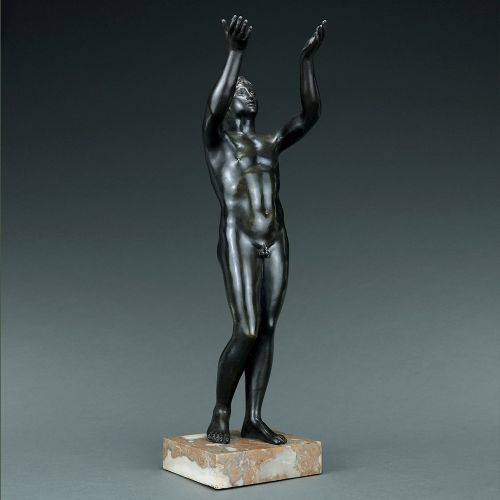
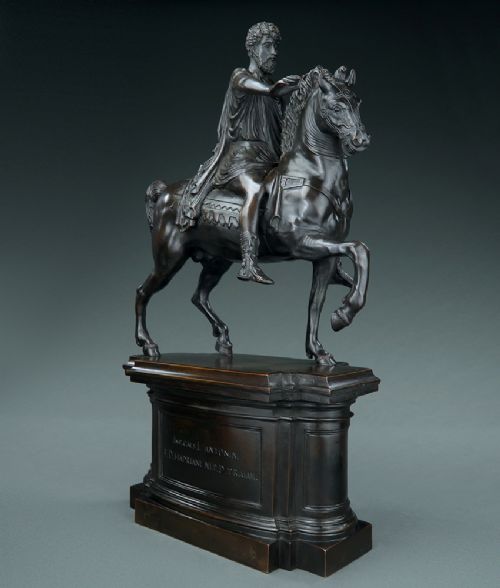
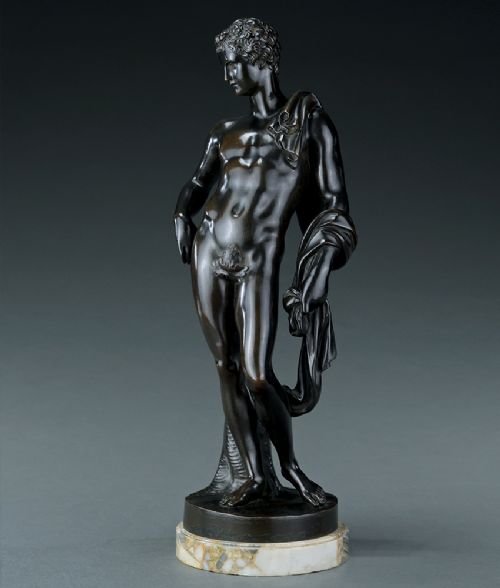
When you search for antique bronze souvenirs, you encounter miniature sculptures, architectural models and decorative vessels collected during travels through Italy and France. These pieces replicate famous antiquities, Renaissance masterpieces and classical ruins encountered on the Grand Tour.
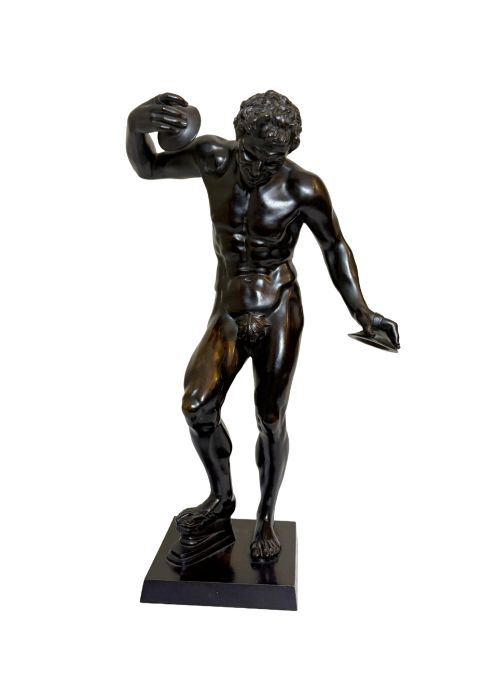
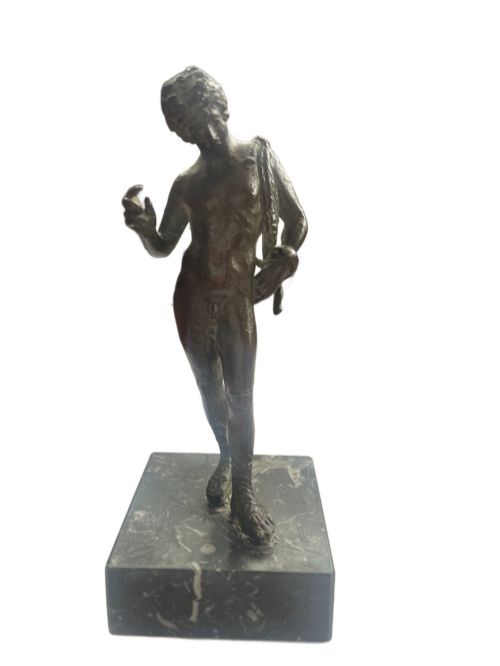
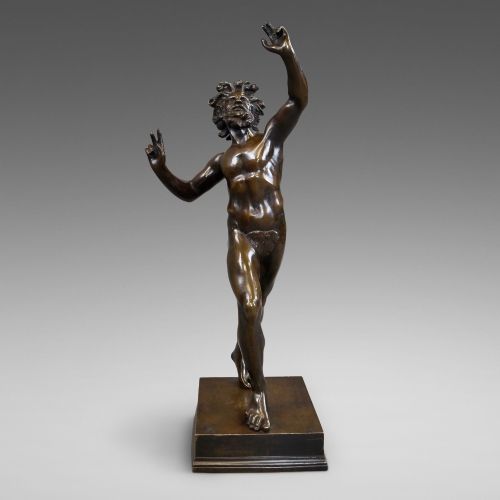
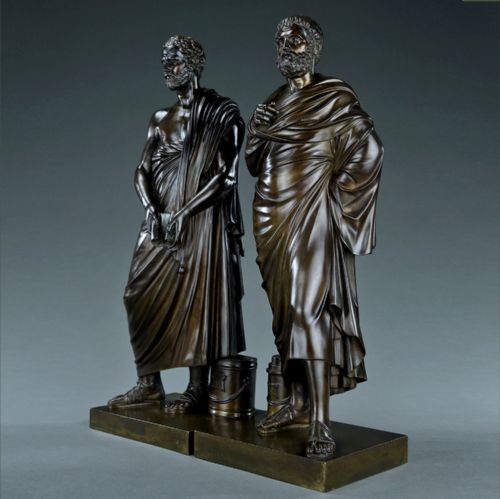
The selections here lean heavily toward nineteenth-century works, spanning figures of mythological subjects like the Dancing Faun and Narcissus alongside reductions of the Warwick Vase and the Canova Lions. Many incorporate integral bases of marble or stone.
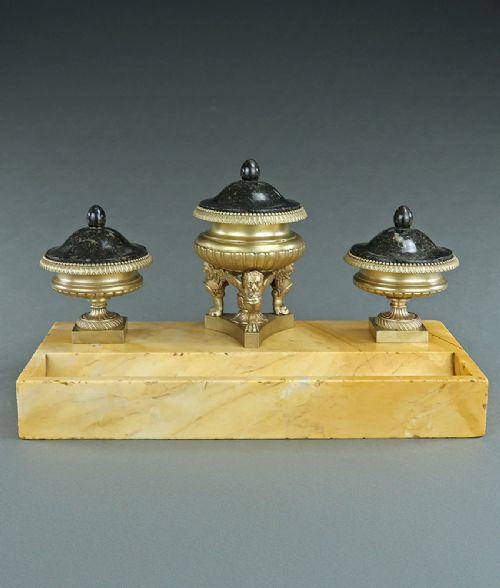
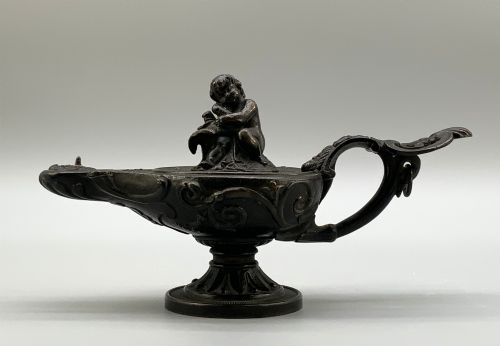
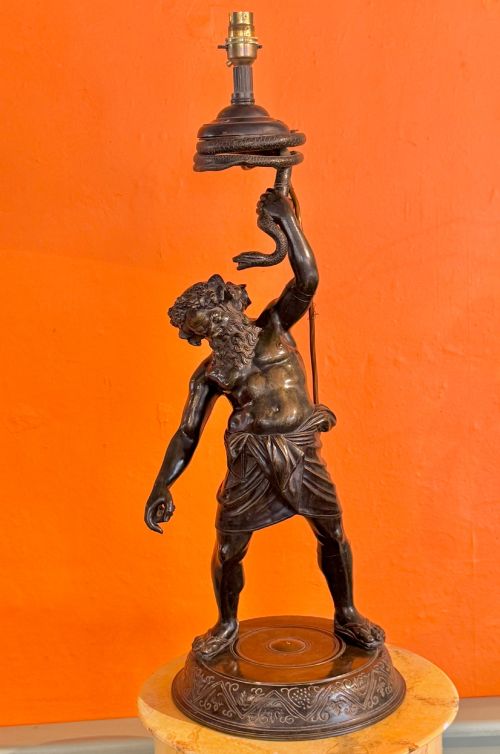
Objects range from figural oil lamps and inkwells to architectural temple ruins and monumental lions, reflecting the varied tastes of Victorian travellers. Most examples combine cast metal with contrasting stone plinths to emulate museum displays.
How they were made
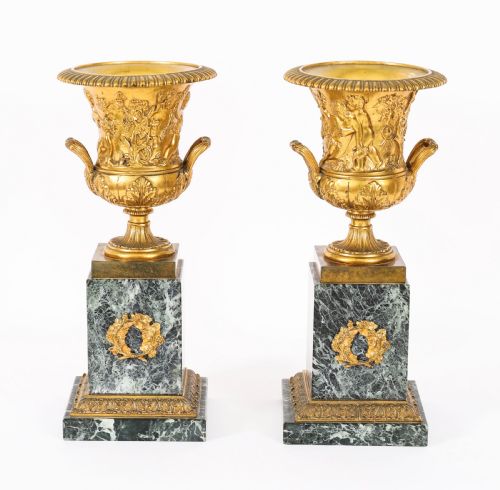
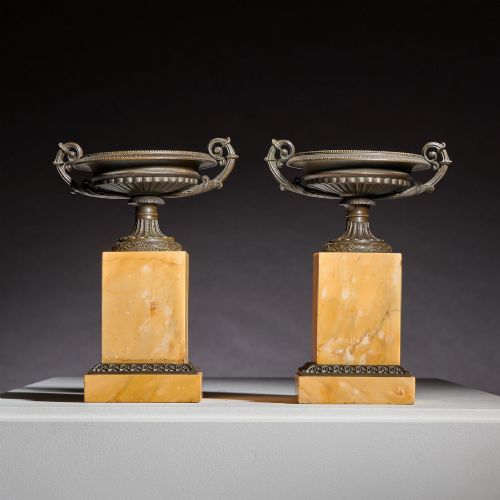
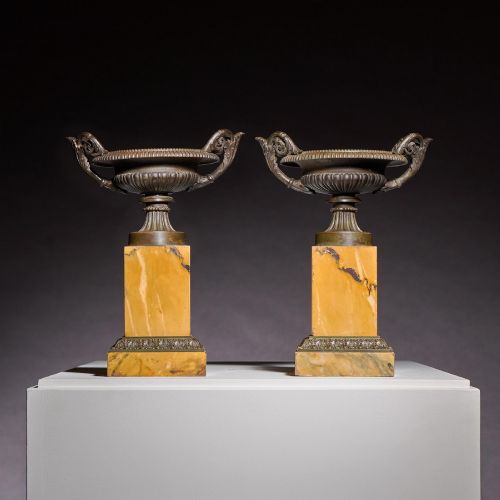
Foundry workers utilised traditional casting methods to produce these metal objects, often applying patination treatments to achieve dark brown, verdigris or green surfaces. Gilt bronze and ormolu finishes appear alongside polished and patinated metal.
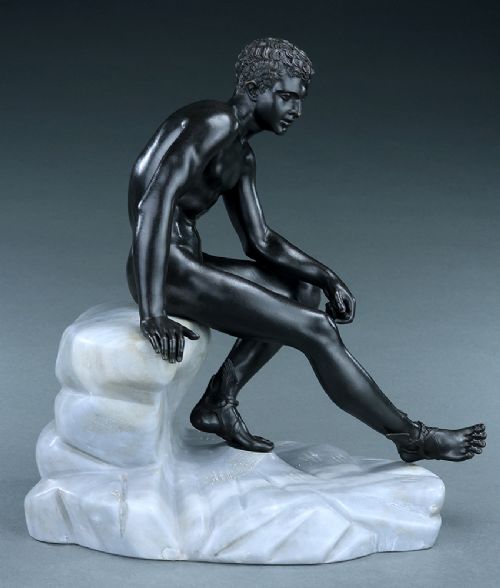
Sculptures and vessels are frequently mounted on heavy plinths composed of white, fossil or Siena marble, sometimes incorporating pietra dura panels. Artisans chased the cooled metal surfaces by hand to sharpen details on drapery, hair and architectural elements.
Travellers returned with miniature bronze lions, sphinxes and tiny architectural ruins to populate Victorian desks.
What varies in quality
The crispness of the casting separates standard production pieces from exceptional studio reductions, dictating how clearly musculature and facial expressions render. Superior examples retain fine chisel work on the metal surface after casting.
The choice and density of the supporting stone base also influence the overall character, with dense marbles and inlaid pietra dura panels elevating the presentation of the object.
G Amodio Naples
The Antique Bronze Souvenirs Glossary
- Grand Tour
- An extended journey through Europe, particularly Italy and France, undertaken by young upper-class men and travellers to study classical art and culture during the eighteenth and nineteenth centuries.
- Patinated Bronze
- Metal treated with chemicals or heat to produce a stable surface colour, ranging from deep brown to dark green, protecting the underlying alloy.
- Ormolu
- Gilt bronze produced by applying a finely ground high-carat gold and mercury amalgam to a bronze object, then heating to drive off the mercury.
- Campana Urn
- A bell-shaped vessel form derived from ancient pottery excavated in Italy, frequently rendered in metal or stone during the neoclassical period.
- Pietra Dura
- An inlay technique using cut and fitted polished coloured stones to create geometric or pictorial designs on marble panels.
Antique Bronze Souvenirs: Frequently Asked Questions
What are antique bronze souvenirs?
These pieces are miniature metal castings of classical statues, architectural models and decorative vases produced during the nineteenth century for travellers exploring European cultural sites.
They served as portable reminders of museum collections and archaeological ruins, bringing classical motifs into domestic interiors.
Where were these souvenirs displayed?
Victorian collectors placed these objects on library tables, mantelpieces and dedicated cabinets alongside other travel curiosities.
Their heavy stone bases provided stability for display while offering a visual contrast to the dark metal figures.
How do I identify a Grand Tour bronze?
Look for subjects derived from famous ancient sculptures, Renaissance masterpieces, or specific Roman architectural ruins such as temples and columns.
These pieces typically date from the nineteenth century and frequently feature distinct patination or mounting on marble plinths.
What is the difference between bronze and ormolu?
Bronze is a copper alloy used for the primary casting of the figure or vessel, while ormolu specifically denotes the application of a gold finish over bronze.
Many nineteenth-century decorative objects combine both materials to create contrast between patinated surfaces and gilded highlights.