
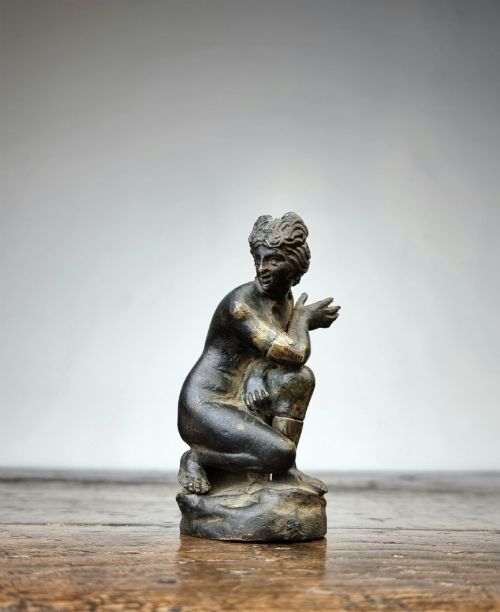
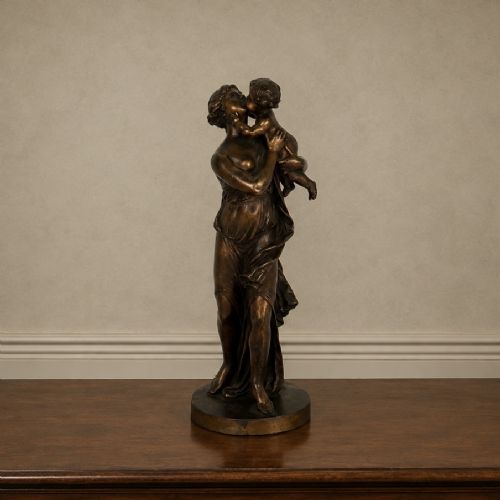
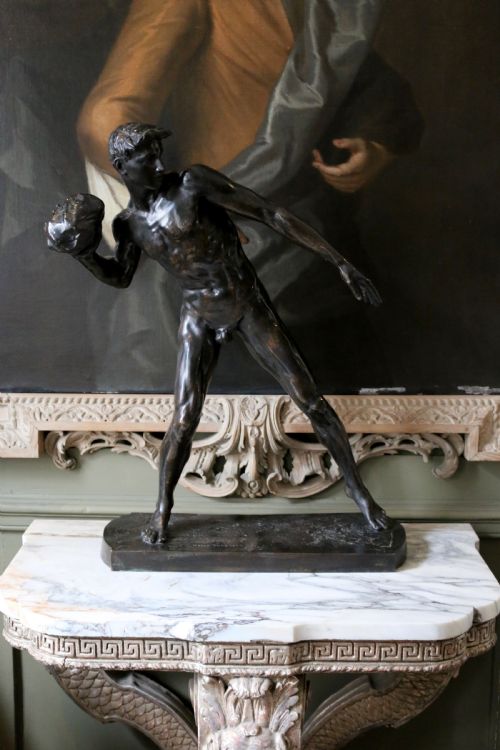
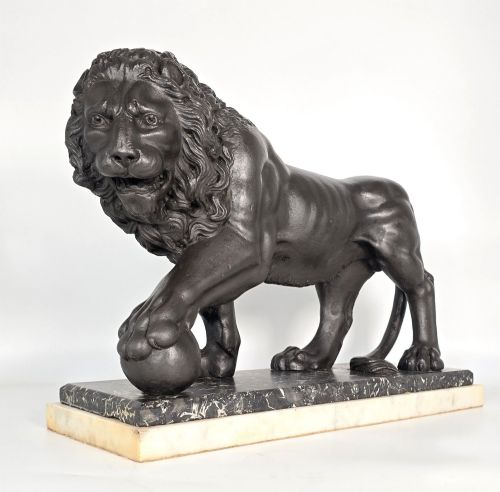
Grand Tour Bronze Figurine
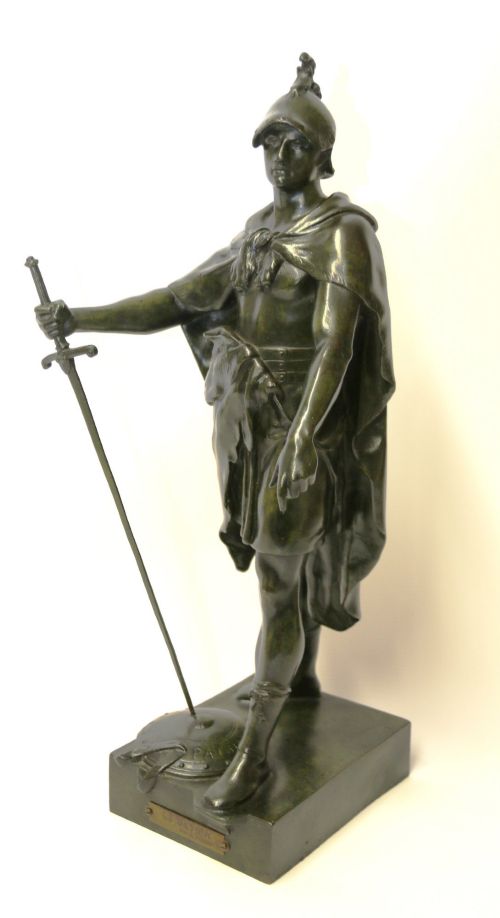
A grand tour bronze figurine brings the classical world and Renaissance masterworks into the Victorian study through miniature metal casting.
Grand Tour Bronze Figurine
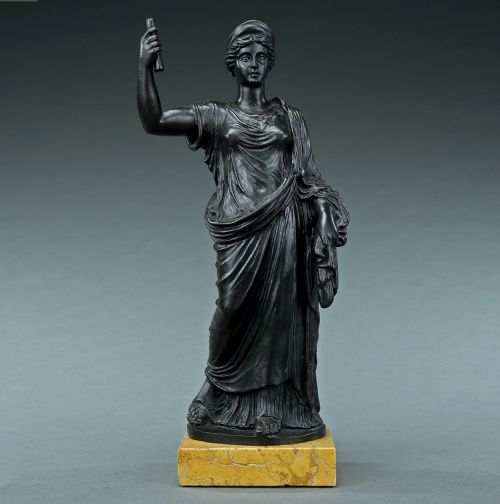
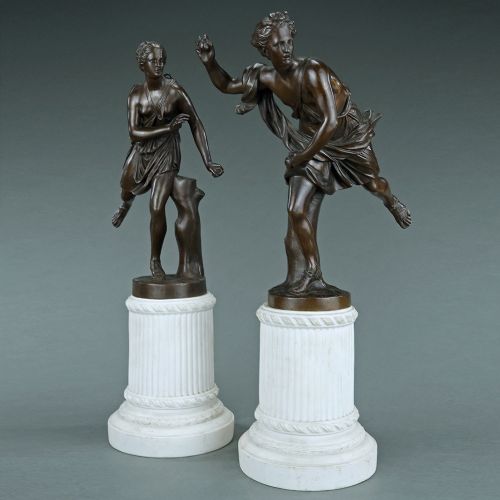
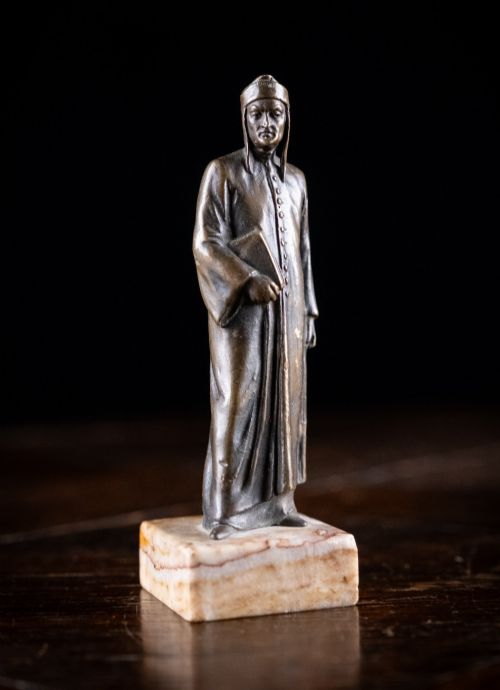
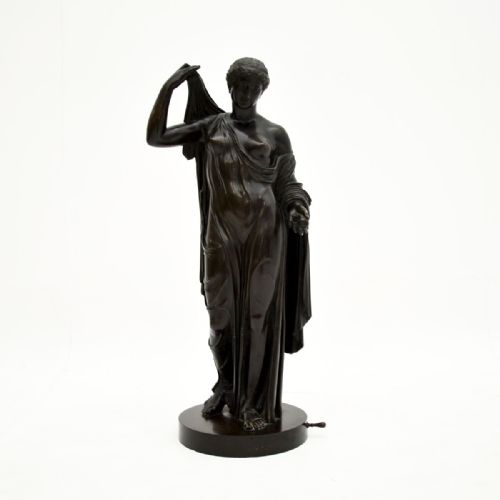
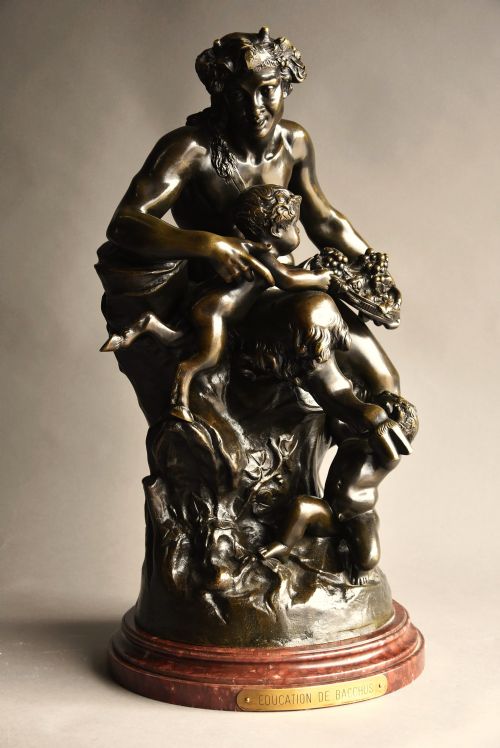
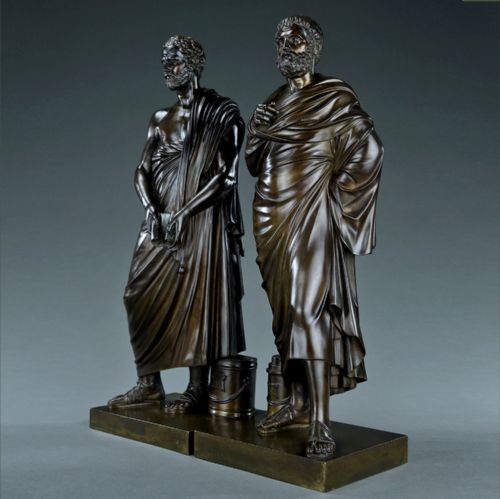
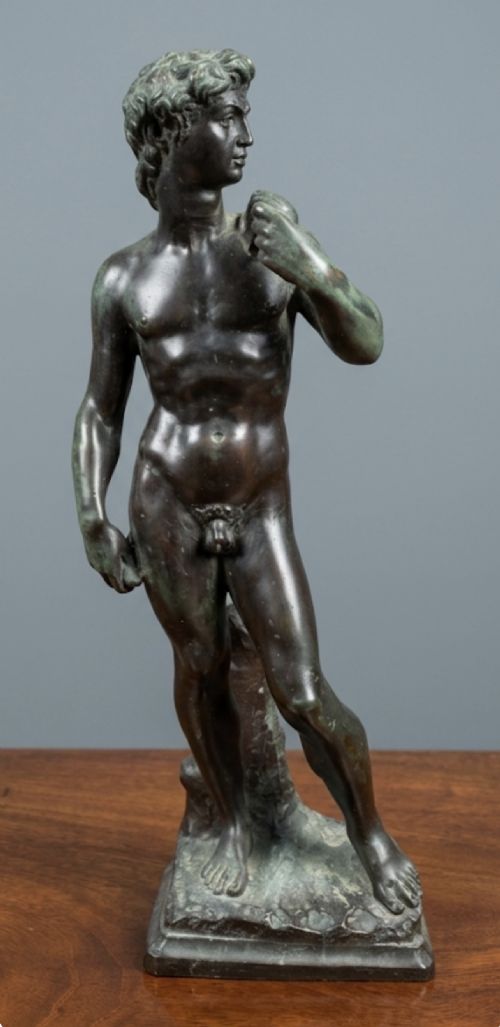
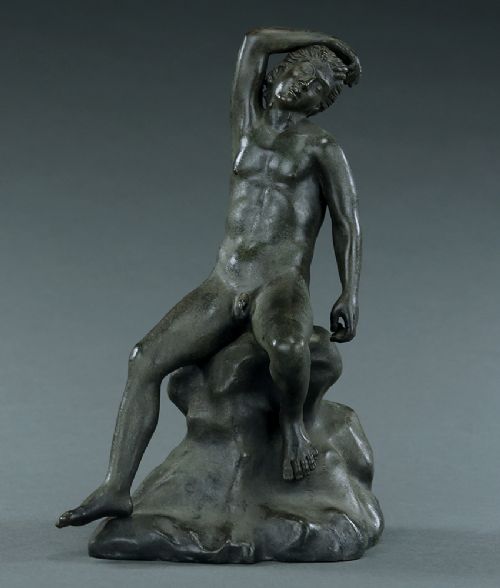
A grand tour bronze figurine represents classical deities, historical rulers, mythological beasts and famous antique sculptures collected by travellers in Italy during the nineteenth century. These cabinet-sized reductions allow owners to display museum masterpieces on domestic mantelpieces and library desks.
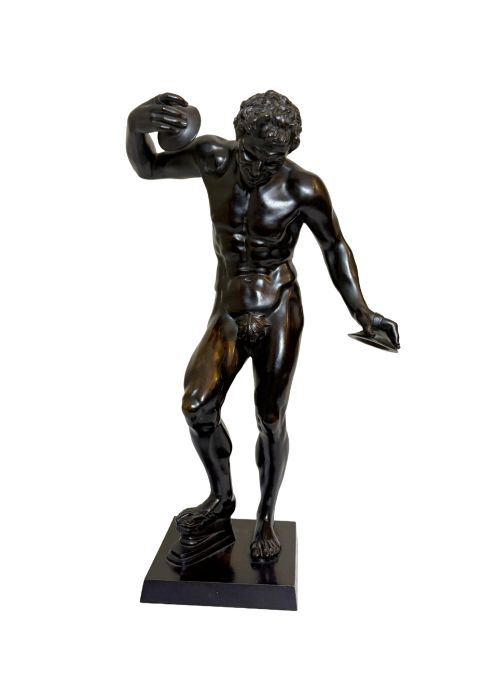
The pieces appearing on this page span the seventeenth through the early twentieth centuries, with a strong concentration in nineteenth-century French and Italian foundry production. Common subjects include dancing fauns, reclining nymphs, lions, and philosophers modelled after antiquities found in Rome and Naples.
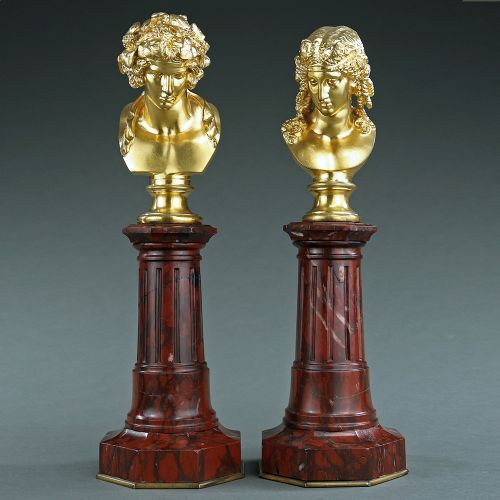
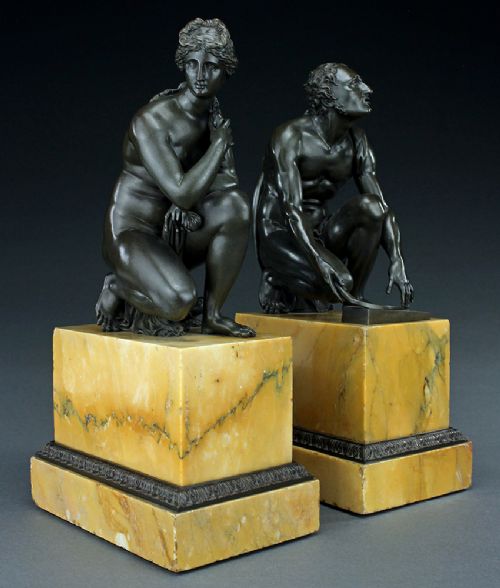
Many examples are mounted directly onto integral or separate plinths made of marble or Siena marble, echoing the museum pedestals of European galleries. Stylistically, the selection moves from Neoclassical and Classical Revival to Egyptian Revival and Baroque subjects.
How they were made
Foundries utilised the lost-wax casting method or sand casting to produce these metal sculptures, followed by manual chasers who refined the surface details with chisels and files. The metal body typically consists of bronze, patinated bronze, or brass, occasionally enhanced by silvering or gilding.
Surface colouration was achieved through chemical patination treatments that yielded dark green, verdigris, or rich brown tones simulating aged metal. Sculptures were frequently set onto marble bases, secured with threaded bolts or pins running through the base of the cast.
Travellers squeezed bronze lions, emperors, and dancing fauns into their luggage alongside dirty laundry to smuggle antiquity home.
What varies in quality
The distinction between standard commercial souvenirs and top-tier workshop productions lies in the crispness of the chasing and the fidelity to the original antique source. Superior casts retain fine anatomical definition in musculature, hair, and drapery, whereas lower-quality pieces display softened contours from worn or excessive re-casting moulds.
Foundry signatures, maker stamps, and the depth and variation of the chemical patina further separate workshop output. Heavier, dense bronze casts with well-fitted marble plinths indicate higher production standards than lighter, hollow metal variants.
Barbedienne·Hamo Thornycroft·Émile Louis Picault·Jean-Baptiste Carpeaux·Jean Jules Salmson
The Grand Tour Bronze Figurine Glossary
- Patination
- The chemical treatment applied to the metal surface to create a specific colour and finish. It protects the bronze and simulates the appearance of buried antiquity.
- Lost-wax casting
- A technique where a wax model is melted out of a mould to leave a cavity for molten bronze. This method allows for intricate details and complex undercuts.
- Plinth
- A heavy base supporting the sculpture, frequently fashioned from coloured marble or stone. It provides visual weight and stability to cabinet bronzes.
- Reduction
- A smaller scale copy of a large public monument or antique sculpture. Nineteenth-century reduction machines made accurate miniature bronze versions possible.
- Chasing
- The manual finishing process using small punches and hammers to sharpen details and remove casting seams on the raw bronze surface.
Grand Tour Bronze Figurine: Frequently Asked Questions
What is a grand tour bronze?
These miniature metal sculptures were bought by European travellers visiting cultural sites in Italy during the eighteenth and nineteenth centuries. They served as portable reminders of classical art and architecture seen abroad.
Foundries in Paris, Rome, and Florence produced them in various sizes to fit inside luggage for the journey home.
Why are some figures mounted on marble?
Marble plinths elevated the status of the miniature sculpture to mimic full-sized museum displays. White, red, or Siena marble bases provided physical stability and a contrasting classical backdrop.
Many nineteenth-century workshops paired their bronze casts with matching stone bases as standard commercial practice.
How do I identify the subject of a bronze?
Subjects typically derive from Greek and Roman mythology, ancient literature, or famous sculptural excavations in Italy. Figures carry distinct attributes, such as cymbals for a dancing faun or a club for Hercules.
Inscribed titles on the base or historical foundry records often confirm the exact antique source.
Are these bronzes solid or hollow?
Most grand tour figures are hollow cast to reduce weight and conserve metal, though smaller elements like limbs or accessories might be solid. Hollow casting was standard practice in major European foundries.
Heaviness usually depends on the thickness of the metal walls and the weight of the attached marble plinth.