

Grand Tour Artwork
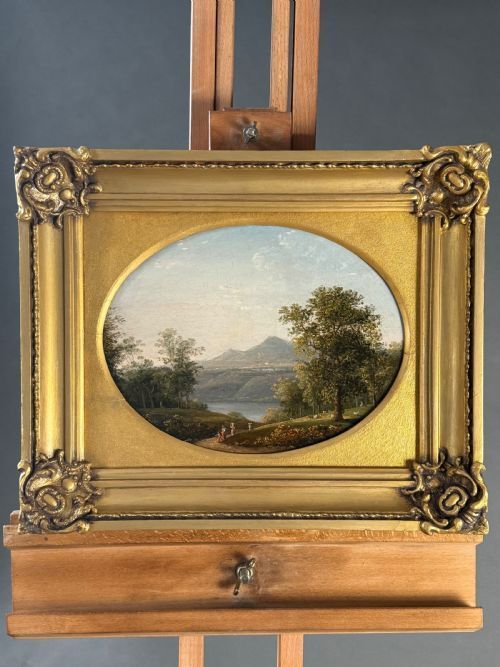
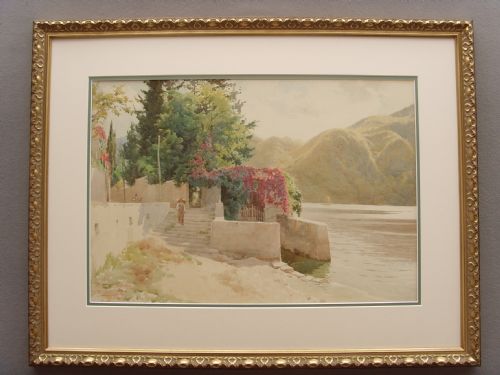
Grand tour artwork captures the romantic classical views, architectural studies and souvenir paintings brought back by travellers from Italy and beyond during the eighteenth and nineteenth centuries.
Grand Tour Artwork
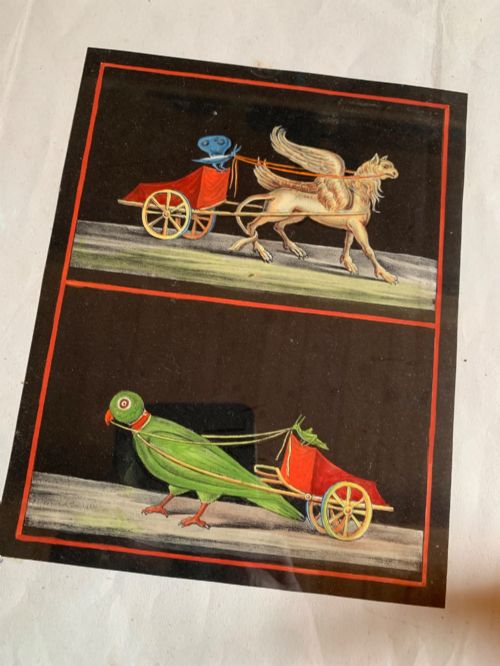
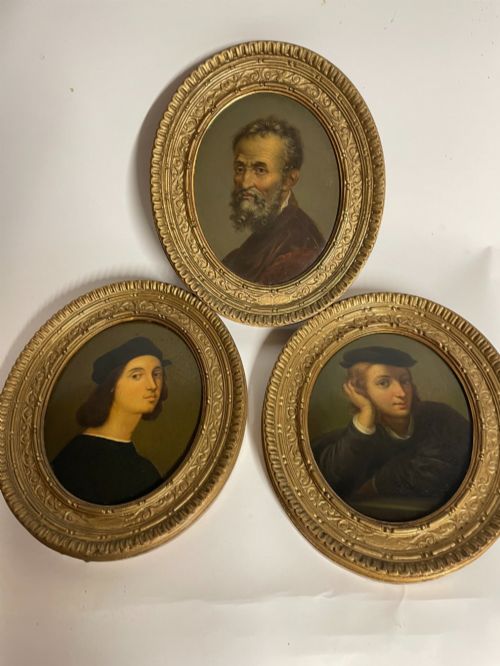
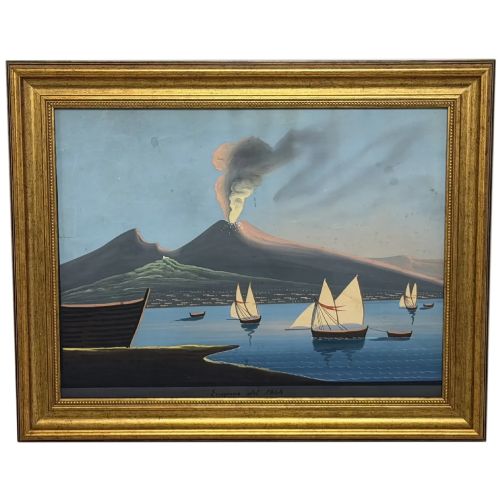
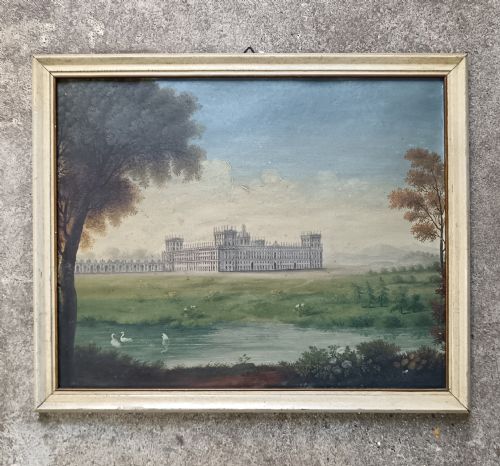
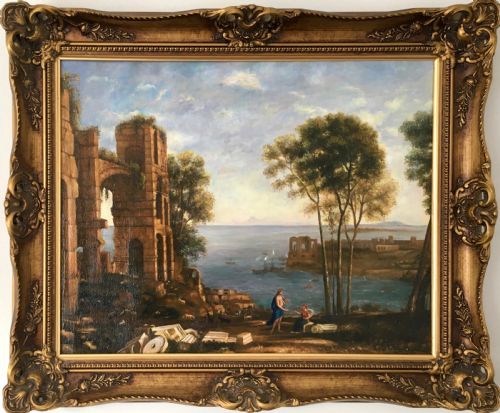
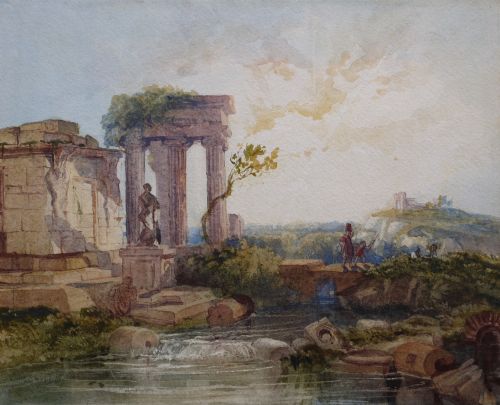
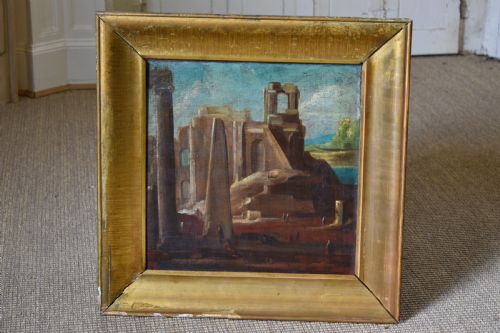
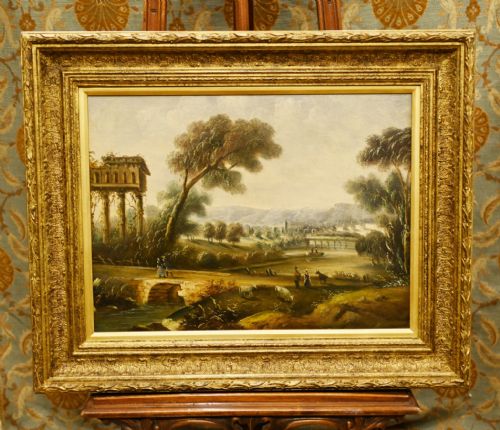
Grand tour artwork encompasses paintings, watercolours, drawings, prints and sculptures depicting classical ruins, Italian landscapes and notable monuments. These items served as portable records for travellers completing their education across Europe.
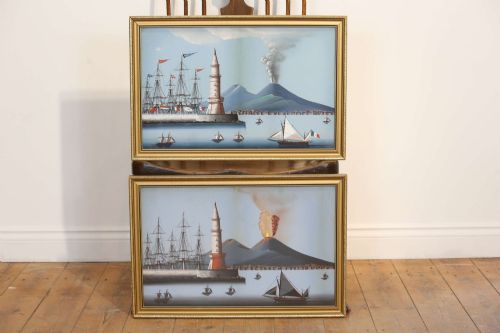
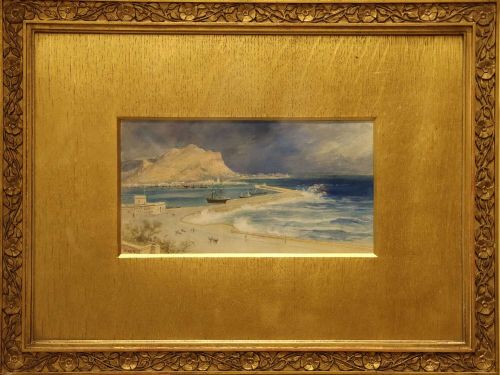
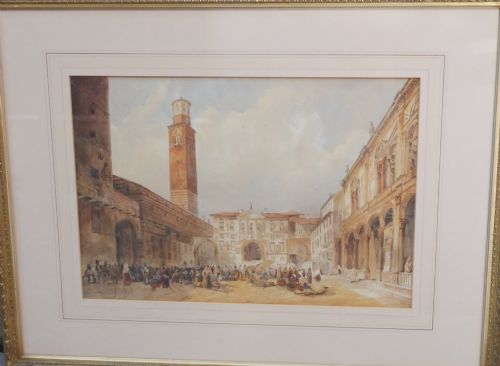
The selection ranges from eighteenth-century oils and red chalk drawings to nineteenth-century watercolours and micromosaic plaques. Many depict familiar Roman, Venetian or Sicilian scenes set within period frames.
Buyers encounter works produced by visiting British artists, local Italian schools and foreign academies operating in Rome and Venice. Subjects frequently feature classical architecture, pastoral landscapes and architectural sculpture.
How they were made
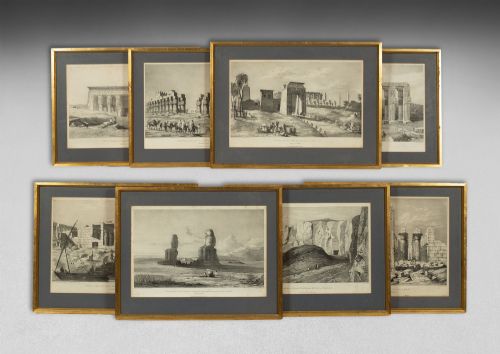
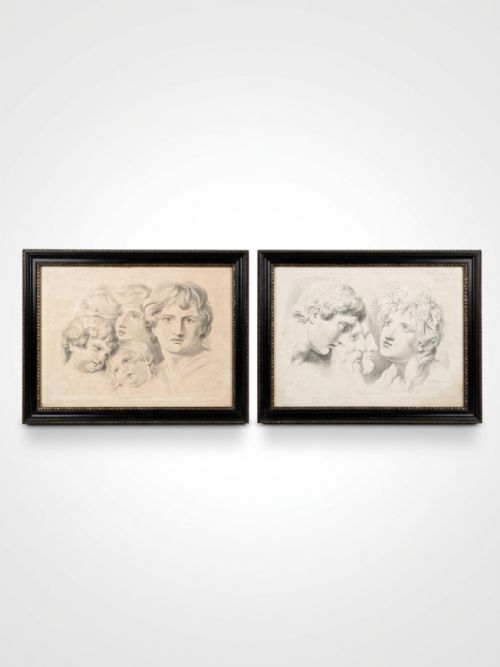
Works on paper utilise watercolour, red chalk, ink and print techniques such as etching and engraving. Canvases employ oil paint to capture the light and atmosphere of southern landscapes.
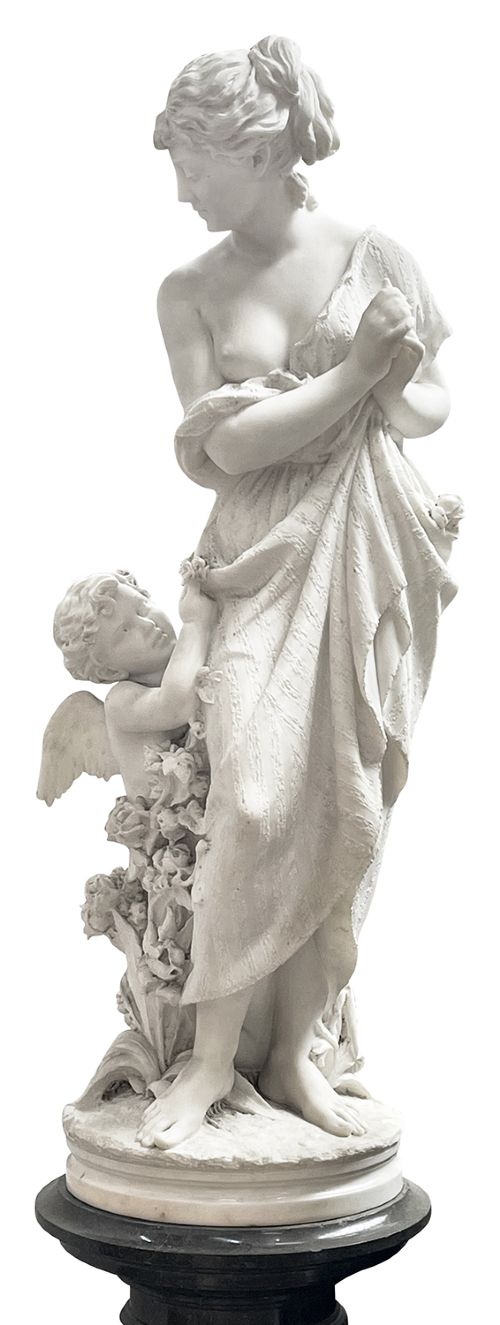
Sculptural elements and plaques incorporate materials such as Carrara marble, bronze and pietra dura micromosaics set into wood or ebonised frames. Giltwood and gold leaf frequently accent the surrounding mouldings.
Grand Tour Artwork Retail Price Guide 2026
Typical asking prices for grand tour artwork among the pieces listed under this phrase on Sellingantiques today, from the lower quarter to the upper quarter. They describe what is for sale here now, not the wider market.
The materials in these listings span paper, wood, glass, oil on canvas, watercolour, giltwood, gold leaf and Carrara marble.
What varies in quality
The fidelity of architectural perspective and the precision of the draughtsmanship distinguish studio works from simpler souvenirs. Master painters demonstrate a confident handling of light and shadow across classical ruins.
Frame construction and material selection contribute significantly to the overall integrity of the piece. Original giltwood or ebonised housings complement the age and origin of the artwork inside.
Richard Principal Leitch·Augusto Alberici·Jacob Philipp Hackert·Thomas Hodgson Liddell·Franz Knebel·Francesco Piranesi·Antoine Bouvard Senior·Alfred Pollentine·Vittore Zanetti Zilla·Charles H Poingdestre
The Grand Tour Artwork Glossary
- Capriccio
- An architectural fantasy placing classical ruins, buildings and other architectural elements in a fictional combination. Artists often rearranged real Roman structures to create an idealized picturesque composition.
- Micromosaic
- A detailed picture assembled from tiny coloured glass tesserae fused together to form intricate scenes. These plaques were popular miniature souvenirs from Rome depicting famous monuments or wildlife.
- Pietra dura
- An inlay technique using cut and fitted polished coloured stones to create pictorial designs. Artisans arranged jaspers, marbles and chalcedony to form figurative subjects and landscapes.
- Red chalk
- A dry drawing medium made from hematite clay that produces warm reddish-brown lines. It was widely used for figure studies and preparatory sketches of classical sculpture.
Grand Tour Artwork: Frequently Asked Questions
What subjects appear most often in grand tour artwork?
Landscapes featuring classical ruins, architectural monuments and coastal Italian scenes dominate the subjects. Views of Rome, Venice and Pompeii recur frequently across paintings and watercolours.
Artists also recorded classical sculptures, architectural capriccios and local pastoral figures engaged in everyday activities.
How do I distinguish an eighteenth-century piece from a nineteenth-century one?
Stylistic cues and framing details offer the clearest indicators of age and period origin. Eighteenth-century works often reflect classical landscape traditions akin to Claude Lorrain or Panini.
Nineteenth-century examples frequently show broader romantic influences, brighter watercolours and specific topographical recordings of excavations.
Where were these pieces originally produced?
Many works were created in studios located in Rome, Florence, Naples and Venice to satisfy visiting travellers. British and European artists living abroad also produced them for the export market.
Printmakers in European capitals later published architectural engravings and bound collections for broader distribution.
How should I care for historic works on paper?
Keep watercolours, drawings and prints away from direct sunlight to prevent fading of the pigments and paper degradation. Acid-free mounting and framing protect the paper from chemical damage over time.
Maintain stable humidity levels in the room to avoid warping the paper or encouraging mould growth within the frame.